Introduction
If you’re reading this, there’s a good chance you’ve got a dusty shoebox, an old binder, or a stack of cards you haven’t touched in years. Maybe you collected them as a kid. Maybe you bought a pack recently out of curiosity. Either way, you’re wondering which of your Pokemon cards worth money right now.
I’ve been buying, selling, and evaluating Pokemon cards for over a decade. I’ve seen people pull a 1st Edition Base Set Charizard from a childhood binder and walk away with five figures. I’ve also watched collectors overpay for damaged cards because they didn’t know what to look for. The difference usually comes down to knowing the market and being honest about condition.
This guide isn’t about hype or lottery-style pulls. It’s a practical breakdown of what makes a card valuable, which sets to check first, how to evaluate condition, and what to do next. If you’re ready to sort through your collection and find out what’s actually worth something, start here.
What Makes a Pokemon Card Valuable?
Value in Pokemon cards comes down to four factors. Understanding these will help you avoid most beginner mistakes.
1. Rarity
Not every holographic card is rare, and not every non-holo is worthless. The rarity symbol (circle, diamond, or star) on the bottom right of the card tells you the print frequency within that set. Star symbols are rare. But even among star-rarity cards, some are far harder to find than others due to short print runs or being part of special promotional sets.
2. Condition
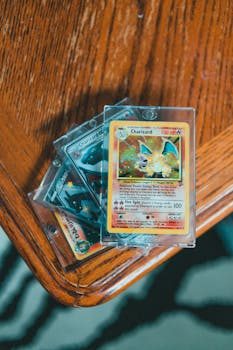
This is the most important factor you can actually control. A card in Mint condition (PSA 10) can sell for 10x to 100x more than the same card in Poor condition. A damaged Base Set Charizard might bring $200. A PSA 10 copy can sell for over $5,000. We’ll get into grading later.
3. Edition
First Edition cards have a small “1st Edition” stamp below the left side of the artwork. Shadowless cards (Base Set only) don’t have a shadow on the right side of the artwork box. Both are significantly rarer than Unlimited prints. Shadowless first editions are the holy grail for vintage collectors. For collectors who want to protect these important cards right away, a pack of penny sleeves is an inexpensive way to prevent damage.
4. Demand
A card can be rare but worthless if nobody wants it. Demand drives the price more than print run alone. Cards featuring popular Pokemon like Charizard, Pikachu, Umbreon, and Gengar almost always outperform less popular Pokemon of the same rarity.
Here’s a quick reference table to help you start sorting:
- First Edition + Holo + Popular Pokemon = Highest potential value.
- Shadowless + Holo (Base Set) = Very high value, even without 1st Edition stamp.
- 1st Edition Non-Holo = Can still be worth something, especially from Base Set or Team Rocket.
- Unlimited Holo (popular Pokemon) = Moderate value in good condition.
- Modern Secret Rare or Alt Art = Can be high value, but also more volatile.
The Key Sets and Cards to Look For (1999â2003)
This is the golden era. Cards from Wizards of the Coast (WOTC) sets printed between 1999 and 2003 carry the highest potential value by far. If your collection is from this period, pay close attention.
Base Set (1999)
This is where it all started. The most valuable cards here are 1st Edition holographics, especially Charizard, Blastoise, and Venusaur. Shadowless holos (no 1st Edition stamp but also no shadow) are also extremely valuable in good condition. Even shadowless non-holo rares like Ninetales or Machamp can bring $50â$100 in near-mint condition.
Look for the 1999â2000 copyright date at the bottom of the card. If there’s no shadow to the right of the Pokemon art box, you have a Shadowless card.
Jungle (1999) and Fossil (1999â2000)
First Edition holos from these sets are valuable but generally less than Base Set. Key cards include 1st Edition Holo Snorlax (Jungle) and 1st Edition Holo Dragonite (Fossil). The error Jungle cards with “No Symbol” (missing the Jungle set symbol) are also quite collectible.
Team Rocket (2000)
First Edition holos from Team Rocket are a hidden gem. The Dark Charizard holo is the standout, but cards like Dark Blastoise and Dark Raichu also hold value. Non-holo 1st Editions from this set can be worth $10â$30 each in good shape.
Gym Heroes / Gym Challenge (2000â2001)
These sets have some of the most iconic Trainer-focused cards. First Edition holos like Misty’s Gyarados, Erika’s Venusaur, and Blaine’s Charizard are very desirable. Condition matters heavily because the black borders show wear easily.
Neo Series (2001â2003)
The Neo sets introduced the “shining” Pokemon (shiny variants). Shining Charizard (Neo Destiny) is one of the most valuable cards of the entire vintage era, regularly selling for thousands in graded condition. First Edition holos from Neo Genesis (Lugia, Feraligatr) and Neo Discovery (Espeon, Umbreon) are also strong collectibles.
If you have cards from these years, look for three things: the 1st Edition stamp, the holographic pattern (or “shiny” variant), and the set symbol. Then check condition. A 1st Edition Base Set Machamp (holo) is common due to being printed in starter decks, so don’t assume value from the stamp alone.
Modern Era Cards with Real Value (2016âPresent)
The modern era started with Sun & Moon (2017) and continued through Sword & Shield (2020â2023) into Scarlet & Violet (2023 onward). A significant number of modern cards are printed into the ground and will never be worth much. But there are exceptionsâcards that genuinely hold high secondary market value.
Modern value comes from two things: rarity type and demand. The most valuable modern cards are:
- Alternate Art (Alt Art) Cards: From Sword & Shield, these feature unique full-art illustrations and have become the most sought-after modern cards. Umbreon VMAX (Evolving Skies) is the most famous, selling for $1,000+ raw. Others like Moonbreon, Rayquaza VMAX, and Giratina V are also high-value.
- Rainbow Rare: Introduced in Sun & Moon, these cards have a rainbow-holographic pattern. The most valuable are popular Pokemon like Charizard, Mewtwo, or Rayquaza. Most rainbow rares settle at $20â$100.
- Gold Cards: Gold Pokemon and gold Trainer cards are usually rare pulls. Cards like Gold Snorlax or Gold Mew can hold value, but the market for them is narrower than alt arts.
- Full Art Trainers: Cards featuring popular characters in full-art style (e.g., Professor Juniper, Cynthia, Misty’s Determination) have a strong collector base.
The most valuable modern set to check is Evolving Skies. Its alt art Umbreon VMAX is the crown jewel, but even the Espeon VMAX, Leafeon VMAX, and Glaceon VMAX alt arts are worth hundreds each. Hidden Fates (2019) also has high-value shiny Charizard and shiny Mewtwo.
A quick reality check: many modern cards, including most V, VMAX, EX, and GX cards from regular sets, are worth very little. Don’t assume a shiny card equals big money. Check sold prices on TCGPlayer or eBay before getting excited.
Condition: The Single Biggest Factor You Can Control
Two identical Pokemon cards can differ in value by 100x based solely on condition. A Near Mint to Light Played raw card might sell for $50. A Gem Mint PSA 10 of the same card could sell for $5,000. The difference is almost never the card itselfâit’s how well it was handled and stored.
Grading companies use a 1â10 scale. Here’s what it means:
- PSA 10 (Gem Mint): Perfect. No scratches, no whitening, no dings. Centering within 60/40. Extremely hard to find.
- PSA 9 (Mint): Very small flaws. Tiny speck of whitening on one corner. Centering slightly off. This is what most pack-fresh cards are.
- PSA 8 (Near MintâMint): Minor wear. Slight edgewear or a light scratch visible under close light.
- PSA 7 (Near Mint): More visible wear but still a clean card. Crease or scratch that doesn’t break the surface.
- PSA 6 and below: Significant damageâcreases, surface wear, heavy scratches.
To inspect your cards at home, you only need two things: a bright light source and a magnifying glass (or your phone’s zoom). Look for these common issues:
- Whitening: White marks along the edges, especially corners. This happens from friction in sleeves or when sliding cards in binders.
- Scratches: On the holographic foil area. Often subtle but heavily impacts grade.
- Dents: Small indents, often from a fingernail or hard press. Almost impossible to fix.
- Centering: Use the border width. If one side is noticeably thicker than the opposite, the card is off-center. Anything worse than 60/40 can lose a grade.
A common mistake is overvaluing a damaged card because it’s “rare.” A 1st Edition Base Set Charizard with a crease through the middle might sell for $100â$200 raw. The same card in Near Mint condition can sell for $3,000. Damage isn’t a minor issueâit’s a major price killer.
Protecting your cards from the start is cheap. Put every card you care about in a penny sleeve first, then into a top loader or semi-rigid holder. Beginners looking for an affordable way to keep cards organized may appreciate a pack of top loaders for long-term storage.
Should You Grade Your Cards? A Practical Checklist
Grading costs money and takes weeks or months. It only makes sense if the graded value exceeds the cost by a comfortable margin. Here’s a simple process to decide:
Step 1: Is the card from a valuable set?
If it’s a modern common or uncommon, skip grading. If it’s a 1st Edition holo from Base Set, Jungle, Fossil, Team Rocket, Gym series, or Neo series, it’s worth considering. Modern alt arts and secret rares from Evolving Skies or Hidden Fates also qualify.
Step 2: What is the raw condition?
Be honest. A card with visible scratches, edge whitening, or a dent will likely grade 7 or lower. For low-population vintage cards, a PSA 7 can still be worthwhile. For modern cards, a PSA 9 or 10 is usually the targetâanything lower and you’ll lose money after grading costs.
Step 3: Would the graded value exceed cost + time?
Grading fees vary. For vintage cards, expect $25â$50 per card plus shipping and insurance for standard service. Turnaround times range from 30 to 90 days. A card worth $100 raw might sell for $300â$400 as PSA 9. After fees, you net maybe $200â$250. That’s worth it. A card worth $20 raw that sells for $50 graded? Not worth it after fees.
Which grading company?
- PSA: Most liquid. Higher resale values. Best for vintage and modern high-value cards.
- Beckett (BGS): Preferred for quad-grade (perfect subgrades). Black labels sell for huge premiums but are extremely rare.
- CGC: Faster turnaround and lower fees. Growing acceptance, but slightly less liquid than PSA.
Not every card needs to be graded. If your card is modern and not a top-tier alt art or secret rare from a hot set, raw sale is faster and avoids grading risk. For vintage, if the card is 1st Edition holo and the condition looks strong (near perfect to mint), grading adds significant value.
Common Mistakes That Cost You Money
These five errors are almost universal among new sellers. Avoid them and you’ll save hundreds.
- Cleaning cards before selling. I get the instinct. But rubbing alcohol, water, or any liquid removes the foil layer or damages the surface. Even gentle wiping can cause micro-scratches. Never clean a card. Leave it as-is. If it’s dirty, disclose it and adjust the price accordingly.
- Using tape or sticky labels. I’ve seen cards destroyed by tape residue, sticky notes, or even band-aids placed directly on the surface. Paper will peel off the card’s layers. Always use a penny sleeve before any other storage method. Never attach anything directly to the card.
- Selling raw high-value cards without research. A raw 1st Edition Base Set Charizard in near-mint condition can sell for $3,000+. If you put it on eBay for $500 because you didn’t check comps, you cost yourself thousands. Always check recently sold listings for the same card and condition range before pricing.
- Falling for fakes or reprints. Reprint sets like Legendary Collection, 4th Print, and Evolutions have cards that look identical to Base Set holos but are worth far less. Check the copyright date and the set symbol. A real Base Set Charizard has a 1999, 1999â2000, or 1999â2003 copyright. Evolutions Charizard has 2016.
- Accepting low offers from card shops. Local game stores buy collections at 30â50% of market value because they need to make a profit. That’s fine if you want instant cash and don’t mind losing half the value. But if you want full market price, use eBay or TCGPlayer. You’ll wait longer but keep more money.
Where to Sell Pokemon Cards Worth Money (and Where to Avoid)
Different channels suit different cards and different sellers. Here’s the breakdown.
eBay
Best for: High-value individual cards, graded cards, auctions for hot items.
Pros: Largest audience. Auctions create competition. Easy to check sold prices. Buyer protection.
Cons: 13.25% final value fee plus 0.30 per order. Shipping costs add up. Returns can happen.
Reality: eBay is the go-to for selling single high-value Pokemon cards. Use “Buy It Now” with a price slightly above your minimum, or start an auction at $0.99 for hot cards and let the market decide.
TCGPlayer
Best for: Bulk singles, lower value cards ($1â$50), modern sets.
Pros: Lower fees (~10-12%). Buyers expect TCGPlayer market pricing. Good for selling many cards quickly.
Cons: Less reach for high-end vintage. Condition disputes are common. Slower to sell niche cards.
Facebook Groups / Local Trades
Best for: Instant cash, no fees, selling to serious collectors.
Pros: Zero fees. Immediate payment. Negotiation possible. Strong community.
Cons: Scams are common. You need to verify payment (Cash or PayPal F&F only). No buyer protection if you handle it wrong.
Card Shows
Best for: Selling high-value raw or graded cards to dealers directly.
Pros: Immediate cash. You can see the buyer and negotiate. No shipping risk.
Cons: Dealers pay 50â60% of market value. You need to travel and have a booth or walk around.
Local Game Stores
Use as a last resort. They’ll offer 30â50% of value. Great for quick sale of bulk, terrible for valuable singles.
I recommend starting with the platform that matches your comfort level. If you’ve never sold before, TCGPlayer is easier for low-end cards. For high-end, eBay is the standard. Always research prices before listing.
Essential Tools and Supplies for Protecting Your Collection
If you’re going to store or sell Pokemon cards, you need the right supplies. The right protection is cheap insurance against value loss.
Penny Sleeves
The first layer of protection. Cheap, soft plastic sleeves that fit the card snugly. Always use these before anything else. Never slide a card into a binder or top loader without one.
Top Loaders
Rigid plastic holders that prevent bending. After sleeving, slide the card into a top loader for shipping or long-term storage. Standard size fits most modern cards. Use penny sleeve first or the card will shift around.
Semi-Rigid Card Savers
Thinner than top loaders, flexible but still protective. Preferred by PSA and other graders because they allow for easier removal. Good for cards you plan to grade. For those preparing cards for submission, a pack of card savers semi-rigid can simplify the process.
Binder Pages (9-Pocket)
For storing completed sets or display. Only use acid-free, archival-safe pages. Never overfill pocketsâbulging pages risk damaging the cards inside.
UV-Protective Sleeves
If you display graded slabs or high-value raw cards, UV sleeves prevent color fading from sunlight. A $10 pack can save a $500 card.
A starter kit on a budget: Buy 100 penny sleeves ($3â$5), 50 top loaders ($8â$12), and a small flat rate box to store them. Total under $20. A serious collection setup adds card saver semi-rigid holders (for grading) and binder pages for organization.
How to Estimate the Value of Your Entire Collection
If you have a large collection, valuing everything individually is overwhelming. Use this process to get a realistic picture without wasting hours.
Step 1: Sort by Era
Separate cards into two piles: vintage (1999â2003 WOTC) and modern. Virtually all high-value cards come from vintage. If you have a black star promotional card or a legendary collection reprint, those are modern-ish and generally low value.
Step 2: Identify Holos and First Editions
From the vintage pile, pull out all holographic cards. Separate 1st Edition stamps from Unlimited. From the modern pile, pull out secret rares, rainbow rares, full art trainers, and alt arts. Everything else is bulk.
Step 3: Use TCGPlayer for Raw Pricing
For raw cards, TCGPlayer market price is the most reliable. Type in the card name and set. Check the “Near Mint” price, not “Lightly Played” or “Damaged,” unless you’re sure of the condition. If the card shows visible wear, adjust down 25â50%.
Step 4: Use eBay Sold for Graded Cards
For graded or high-value raw cards, look at eBay sold listings. Search “card name PSA 9” or “card name near mint raw” and filter by Sold Items. Ignore listings that didn’t sell. Average the last 3â5 sold prices.
Example Calculation
- 10 vintage unlimited holos in heavy play condition: average $10 each = $100
- 1 1st Edition Base Set Blastoise in good condition (LP): $300â$500
- Rest of bulk (300 cards): 3â5 cents each = $10â$15
Be honest with yourself about condition. If you see whitening, scratches, or dings, don’t price it as Near Mint. Overpricing leads to frustration and slow sales. Realistic pricing moves cards faster.
The Bottom Line: What to Do First
You don’t need to become a full-time grader or seller overnight. But if you have a collection, start with these steps:
- Sort by set and condition â separate vintage from modern, holos from non-holos.
- Identify your top 10â20 potential high-value cards â check for 1st Edition stamps, shadowless Base Set cards, and secret rares from modern sets like Evolving Skies.
- Decide whether to grade or sell raw â use the checklist above. If in doubt, post a photo in a collector group with condition estimates.
- Choose a sales channel â eBay for high-value singles, TCGPlayer for modern bulk, or Facebook for fast cash with due diligence.
Not every old card is worth a fortune. Most cards in an old binder are worth less than $5. But if you have even one card from the valuable era in decent condition, it can change the math entirely.
Start with one card you’ve always wondered about and follow the steps here. That’s the fastest path to knowing whether your collection is a treasure or just a happy memory.