How to Sell Collectibles on Instagram
If you have a pile of vintage comics, action figures, trading cards, or retro games, you’ve probably thought about selling some of it. The question is where. eBay and Etsy are still big, but Instagram has quietly become a solid place to move collectibles. This article covers how to set up a shop, take photos that actually sell, price things fairly, ship without headaches, and build trust with buyers. Whether you’re trimming down a collection or starting a side gig, here’s what you need to know to sell collectibles on Instagram.
Why Instagram Works for Selling Collectibles
Instagram is visual first, so it fits collectibles naturally. On eBay, listings are mostly text and small thumbnails. Here, you can show details, angles, and condition in a way that gives buyers confidence. The community featuresâhashtags, DMs, Stories, Reelsâlet you reach niche audiences already looking for what you have.
Direct engagement is another plus. On eBay or Etsy, someone clicks ‘Buy It Now’ and that’s it. On Instagram, you can answer questions in real time, send extra photos, and build relationships that bring repeat buyers. That matters a lot for collectibles where condition and authenticity are everything. Most serious collectors I know prefer Instagram because they can talk before committing.
There’s also less noise. eBay has thousands of listings for any given item. Instagram lets you stand out in a smaller, more focused community. Use the right hashtags and post consistently, and collectors will find you. The platform rewards quality content and consistency, not just the lowest price.
Setting Up Your Seller Account: Personal vs. Business
Before you post anything, decide between a personal or business account. Personal works fine if you’re just testing the waters or selling a few items. But if you plan to do this regularly, switch to a business account. You get analytics, a ‘Shop’ tab option, and more credibility with buyers who see you as a serious seller.
To switch, go to settings, tap ‘Account,’ and select ‘Switch to Professional Account.’ Choose ‘Creator’ or ‘Business’âboth work, but Business gives more selling tools. You’ll need to connect a Facebook page, but it’s straightforward.
As for gear, you don’t need much. A modern smartphone with a decent camera is fine. A small tripod helps keep shots steady, especially for close-ups. A ring light or softbox provides consistent lighting. These are affordable. Sellers who photograph small items often find a portable folding lightbox useful for coins or action figures. It makes a real difference in photo quality for under fifty bucks.
Gear recommendations:
- Ring light with adjustable brightness
- Mini tripod with phone mount
- Portable folding lightbox
- Softbox lighting kit for larger items
You can find these on Amazon. They pay for themselves in higher sell-through rates and fewer disputes over condition.
Building a Collectible-Friendly Profile
Your profile is the first thing buyers see. Make it clear what you sell and why they should buy from you. Your username should be simple and related to your niche if possible. If your handle is taken, add something like ‘shop’ or ‘vault.’
Your bio needs three things: what you sell, your selling history or credibility, and how to buy. Here’s an example: ‘Selling vintage Star Wars figures since 2018. DM to claim. All items graded and shipped insured.’ Keep it short.
Your profile picture should be a recognizable logo, your face, or a clean shot of your best item. Avoid clutter. Use a consistent aesthetic across posts so your feed looks cohesive. That signals professionalism and builds trust.
Link in bio is essential. If you have multiple places to send buyersâa website, a Google Form for inventory, or a payment linkâuse a tool like Linktree or Beacons. That way you can direct buyers without cluttering captions.
Photography That Sells: Lighting, Angles, and Props
Good photography is the biggest factor in selling collectibles online. A blurry, poorly lit photo makes buyers suspicious of condition and authenticity. Spend time getting this right.
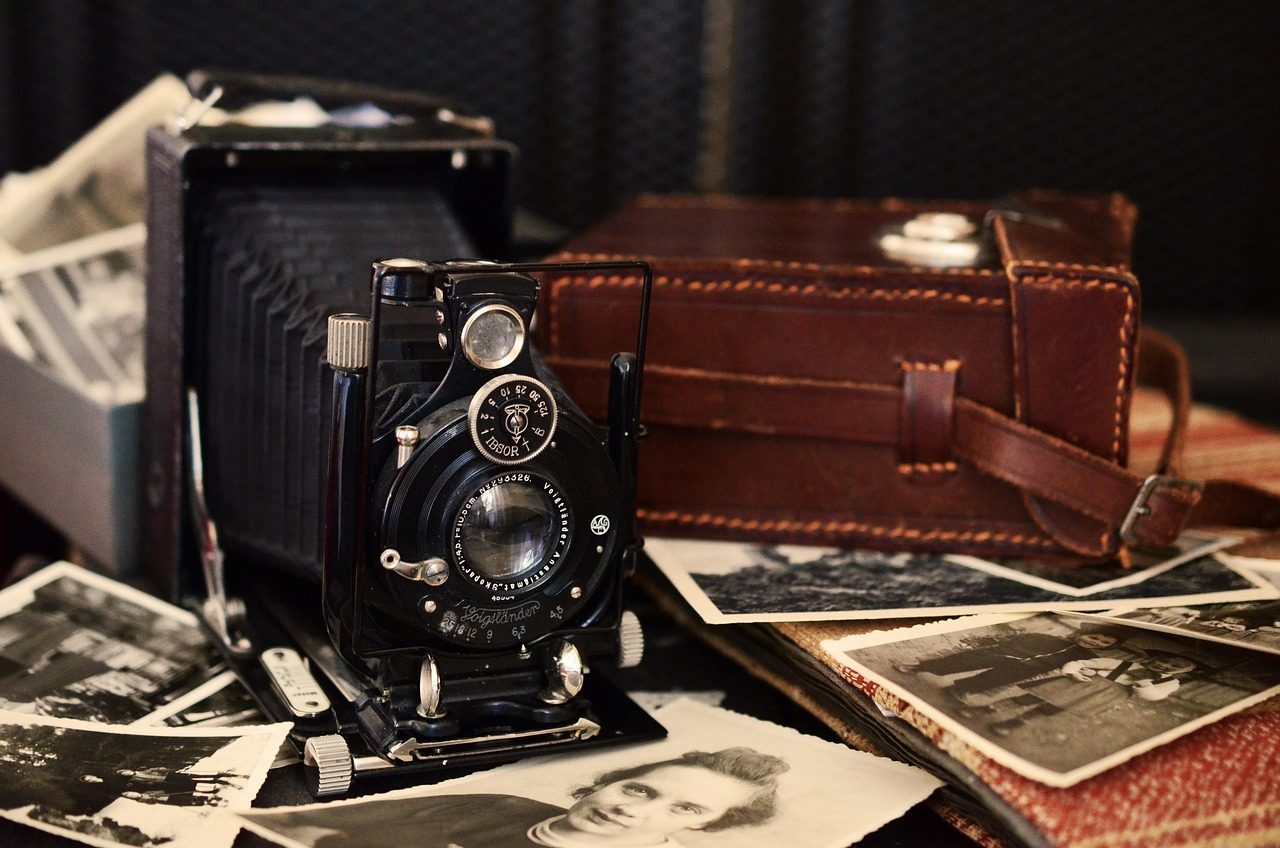
Natural light works well. Shoot near a window during the day, but avoid direct sunlight that creates harsh shadows. If you can’t rely on natural light, use a ring light or softbox. A portable lightbox is ideal for small items like coins, jewelry, or action figures. It gets rid of shadows and gives even lighting.
Shoot from multiple angles: front, back, sides, and close-ups of any defects or unique features. For scale, place a coin or a ruler next to the item. This helps buyers understand size, which matters for collectibles that look bigger in photos.
Photo checklist:
- Front view
- Back view
- Side views (left and right)
- Detail shots of damage, wear, or markings
- Scale reference (coin or ruler)
- Top and bottom for boxed items
Consistency in background and lighting across photos helps build brand recognition. Buyers will learn to recognize your listings even before reading the caption. That trust adds up over time.
Writing Captions That Convert
Captions should be clear and actionable. Skip the long stories about where you found the item. Focus on condition, price, shipping, and a call to action. Here’s a structure that works:
- Item name and edition: Be specific. ‘Vintage 1990 Kenner Star Wars Millennium Falcon’ is better than ‘Old Star Wars ship.’
- Condition: Use standard grading terms: Mint (perfect), Near Mint (minor flaws), Excellent, Good, Fair. Be honest.
- Price and shipping: ‘$45 plus $5 shipping within the US.’
- Call to action: ‘DM to claim. I accept PayPal Goods & Services.’
Hashtags matter but don’t overdo it. Five to ten niche tags work better than thirty generic ones. Mix broad tags like #vintagetoys with specific ones like #starvarsvintage or #actionfigurecollection. Keep them relevant to the item.
Pricing Your Collectibles: Research and Fairness
Pricing trips up most new sellers. Research sold comps, not what people are asking. On eBay, filter by ‘Sold Items’ to see what similar condition items actually sold for. Use WorthPoint for higher-value items. Check Instagram by searching hashtags and looking at recent sold posts from established sellers.
Be realistic. A Near Mint 1990 comic might sell for $50, not $150. Overpricing leads to stale inventory. Underpricing leaves money on the table. Factor in condition, rarity, demand, and your time to pack and ship.
For items with steady demand, a fixed price works best. For rare or highly desirable items, try a short auction through Stories or a dedicated post. Auction-style creates urgency and can push the final price above retail, but only if you have an engaged audience. If you’re new to Instagram, stick with fixed prices first.
Condition grading quick reference:
- Mint: Perfect, no visible flaws
- Near Mint: Minor wear, no damage
- Excellent: Some wear, no major damage
- Good: Visible wear, may have moderate damage
- Fair: Heavy wear, damage present
Common Mistakes New Sellers Make
Here are four mistakes I see often from new Instagram sellers.
Bad photos. Blurry, dark, or cluttered images turn buyers away. You can have the best item in the world, and a bad photo makes it look worthless.
Vague captions. ‘Vintage toy for sale’ isn’t enough. Buyers want specifics: brand, year, condition, measurements, and price. If they have to ask basic questions in the comments, they usually move on.
Ignoring shipping costs. A low price plus expensive shipping can scare off buyers. Instead, build shipping costs into the price or offer flat-rate shipping. Be upfront about where you ship internationally. If you’re sending fragile items, using quality bubble mailers helps protect them during transit.
Not using payment protection. Accepting PayPal Friends & Family or Venmo personal is a red flag for scams and leaves you unprotected. Always use PayPal Goods & Services or a business payment platform. It protects both you and the buyer.
Learn from feedback. If a buyer mentions a problem, address it politely. Negative feedback that you handle well can actually build trust with future buyers.
Packing and Shipping Like a Pro
How you pack and ship affects your reputation. A damaged item means refunds, bad reviews, and lost trust. Invest in proper shipping supplies.
For small, fragile items, use bubble mailers with extra padding around the item. For larger or more valuable items, use corrugated boxes and fill voids with packing peanuts or crumpled paper. Never let the item rattle inside the box. For books, comics, or paper items, use a rigid mailer or cardboard flat.
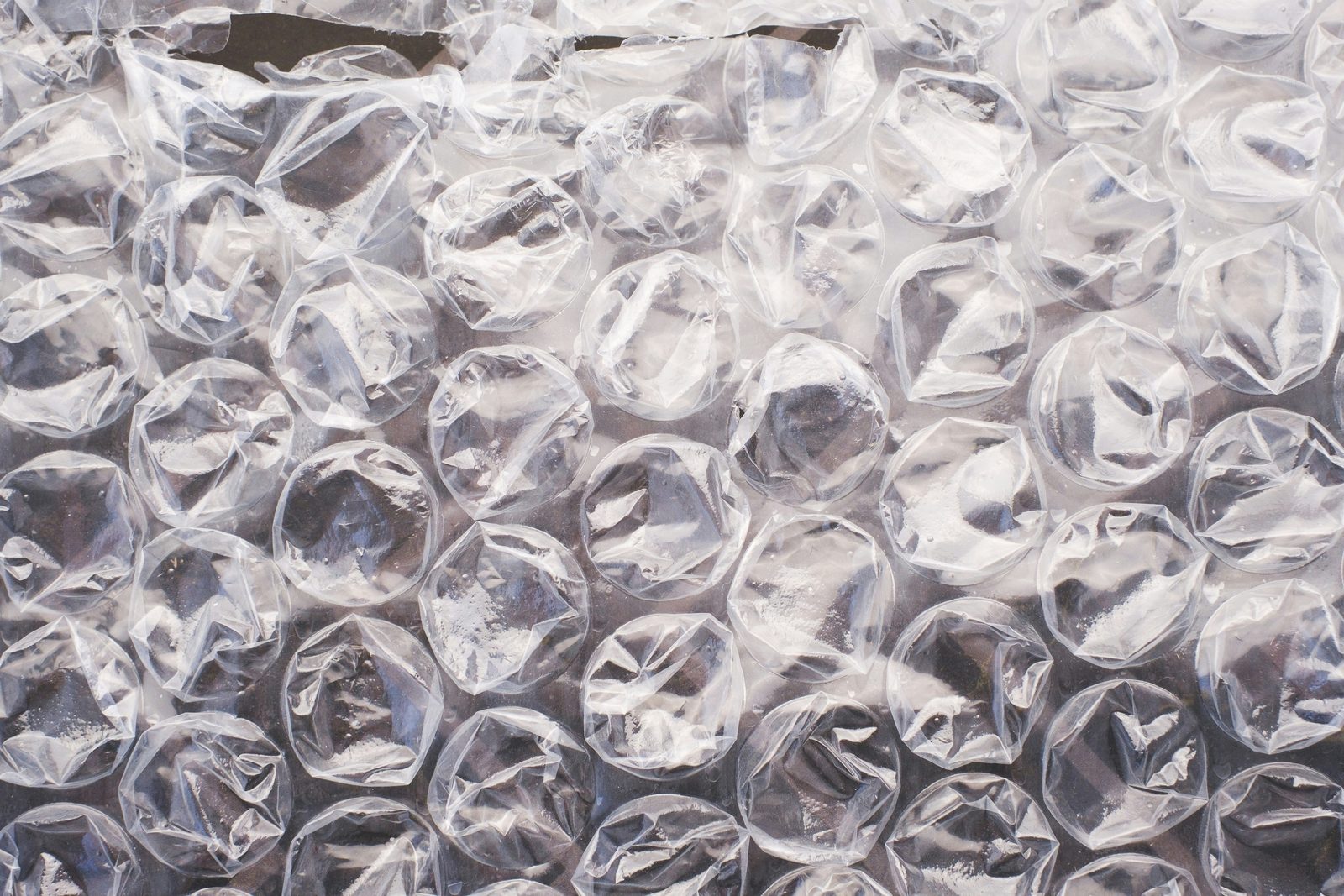
For high-value collectiblesâanything over one hundred dollarsâpurchase shipping insurance. Most carriers offer it for a few dollars and it covers your cost if the item is lost or damaged.
Shipping supplies to have on hand:
- Bubble mailers in assorted sizes
- Corrugated boxes (small and medium)
- Packing peanuts or bubble wrap rolls
- Packing tape with a dispenser
- Rigid mailers for comics and paper
- Shipping scale
Always include tracking and delivery confirmation. Upload the tracking number to the payment platform and send it to the buyer via DM. This transparency prevents disputes and shows professionalism.
Handling Payments and Avoiding Scams
The safest way to accept payments on Instagram is through a dedicated payment platform. PayPal Goods & Services is the most common and widely trusted. Venmo Business is also an option. The key is that the transaction must be traceable and covered by buyer and seller protection.
Never accept payment through Friends & Family or Venmo personal unless you know and trust the buyer personally. Scammers often ask for this because they can reverse charges or claim they never received the item. If a buyer insists on using unprotected methods, walk away.
Recognize common scam patterns. A buyer who asks for too many photos or seems overly eager to pay above your asking price is likely running a scam. A buyer who wants to pay through a strange link or asks for your email to ‘send a payment’ is almost always a phishing attempt. Never click links sent through DMs from people you don’t know.
Document everything. Keep screenshots of conversations, shipping receipts, and proof of delivery. If a dispute arises, you have evidence to support your case.
Growing Your Audience Without Buying Ads
You can grow a following without spending money on ads. It takes effort, but it works. Start by engaging with niche hashtags. Search for #vincecomics or #actionfiguresale and comment thoughtfully on posts from other sellers and collectors. Don’t spam your own linksâgenuine engagement builds the community that eventually sees your profile.
Collaboration also helps. Reach out to other collectors with complementary collections and offer to shout out each other’s stores or trade. A simple post like ‘Shoutout to @username for this amazing find’ can bring you new followers who trust the recommendation.
Consistency matters more than frequency. Posting once a day is better than posting ten times in one day and then disappearing for a week. Use a scheduling tool like Later or Buffer to plan your posts in advance. These tools save time and help you maintain a regular presence.
Use Stories for sneak peeks of new inventory or behind-the-scenes of packaging. Stories are more casual and let buyers feel like they are part of your process. This builds loyalty.
When to Use Instagram Shopping and Reels
Instagram Shopping lets you tag products in your posts so buyers can tap to see price and a direct link. It’s useful if you have a website or a shop integrated with Instagram checkout. However, it requires a supported ecommerce platform like Shopify or BigCommerce. If you’re just selling through DMs, Shopping tags aren’t necessary. For most hobby sellers, direct messaging works fine.
Reels offer a way to showcase items in motion. This is especially useful for items that look better on videoâlike action figures with moving parts, coins that spin, or cards that flip. A ten-second Reel showing the item from multiple angles with a text overlay of the price and ‘DM to claim’ can perform very well. Reels also appear in the Explore feed, which brings in new eyes.
Only invest significant time in Reels if you have high-volume inventory or a consistent supply of new items. If you’re selling one vintage comic a week, a static photo post is enough.
Final Tips for Long-Term Success
Selling collectibles on Instagram isn’t a get-rich-quick thing. It takes consistency, attention to detail, and a willingness to learn from mistakes. The sellers who last are the ones who treat it seriouslyâaccurate descriptions, good photos, fair prices, and reliable shipping.
Start with one item. Photograph it well, write a clear caption, price it fairly, and ship it properly. See how the process feels. Refine your approach. Gradually build your inventory and your audience. Over time, you’ll develop a reputation as a trusted seller in your niche.
Focus on quality over quantity. A few well-executed listings each week are better than dozens of sloppy ones. Customer service mattersârespond to DMs quickly, ship on time, and resolve issues politely. Your buyers will come back and tell others.
If you’re ready to sell your first item, start today. Pick one collectible, take good photos, and post it with a clear caption. No pressureâjust practical, deliberate steps. That’s how successful Instagram sellers build their business over time.