Introduction
If you are ready to start buying or upgrading your vinyl collection, this guide is for you. Forget the romanticized image of crate digging for the sake of it. This is a practical breakdown of pressings, condition grading, and the specific things that separate a valuable record from a shelf filler. This vinyl record collecting guide is built for someone who already has a few records and now wants to buy smarterâwhether that means finding the best-sounding version of an album or avoiding a bad deal. We are going to cut through the noise. The goal is to equip you with the knowledge to make confident, informed purchases that actually improve your listening experience.

Why Pressing and Condition Matter More Than the Album Art
Here is a hard truth that many new collectors learn the expensive way: a common pressing in great condition will almost always outperform a rare one in poor shape. The cover art might look amazing on your wall, but if the record itself is warped, scratched, or worn, it is essentially worthless for listening. The pressing determines the source of the soundâwhether it was cut from an analog tape or a digital file. The condition determines how much of that sound you actually hear, versus surface noise, clicks, and distortion. A rare first pressing of a classic album that is graded VG- (Very Good Minus) is a gamble. A reissue that is graded NM (Near Mint) is a reliable bet. Before you spend serious money on a 1960s mono pressing, understand that a clean, well-mastered reissue often provides a better listening experience. The value of a record is directly tied to how well it plays, not just its scarcity. This is not about being a snob; it is about making smart decisions that respect your budget and your ears.
Understanding Vinyl Pressings: Original vs Reissue vs Bootleg
When you start looking at listings, you will see three main types of pressings. Knowing the tradeoffs is essential. Original pressings are the first runs from the initial master tapes. They carry historic and potential monetary value. The sound can be phenomenal if the mastering was good and the vinyl is clean. The downside is cost. A desirable original pressing of a sought-after album can be expensive, and you are accepting the risk of age-related wear. Reissues are later official pressings. These can be excellent. Some are remastered by the original engineer, sometimes from the original tapes. Many modern reissues, especially from labels like Mobile Fidelity, Blue Note, or Analogue Productions, are sonically superior to the originals. Reissues are generally more affordable and easier to find in clean condition. The only downside is they lack the collector premium of an original. Bootlegs are unauthorized recordings. They can be interesting for unreleased material or live shows, but the sound quality is almost always lower than official releases. The pressing quality can be poor, and the source is often a copy of a copy. For a casual listener, a bootleg is rarely worth the money unless you are a dedicated fan seeking material you cannot get elsewhere. Best for most collectors: prioritize condition over edition. A clean reissue beats a beat-up original every time.
How to Read a Vinyl Record’s Matrix Number and Runout Groove
This is a skill that separates casual buyers from serious collectors. The matrix number is your record’s fingerprint. It tells you exactly which pressing plant, mastering engineer, and year your specific copy comes from. You will find it etched or stamped into the dead waxâthe smooth, non-grooved area between the last track and the label. Here is how to read it. First, hold the record under a good light. Look at the dead wax on the side you are examining. You will see a combination of letters and numbers. That is the matrix number. It might look like “STEREO-1234-A” or “ABC-5678-B” or a long string of random characters. The important parts are the plant identifier and the mastering suffix. For example, a stamp reading “â 1973” or “â” (a diamond) indicates a specific pressing plant like RCA Indianapolis. A handwritten “RS” might mean a mastering engineer’s initials. A “1A” or “1B” stamp often indicates the first pressing run. A “P” might indicate a “promotional” pressing for radio stations. The easiest way to decode these is to search the exact matrix number on Discogs. Type the full string into the Discogs search bar. You will get a page for that exact release, showing all known pressing variations. This lets you confirm you are buying what you think you are. Without checking the matrix, you are guessing. For high-value purchases, this step is non-negotiable. It also helps you avoid buying a reissue when you think you are buying an original. A bright light can make reading the dead wax much easier.
The Goldmine Grading System: A Practical Primer
The Goldmine standard is the industry grading system for used vinyl. Understanding it correctly will save you money and frustration. The grades, from best to worst, are Mint (M), Near Mint (NM or M-), Very Good+ (VG+), Very Good (VG), Good (G), Fair (F), and Poor (P). Mint is essentially a perfect, sealed record. Near Mint is almost perfectâminor, barely noticeable wear. VG+ is the sweet spot for most collectors. It means a bit of light surface wear or a few small scuffs that do not affect play. Expect minimal surface noise on quiet passages. VG is where things become noticeable. Expect more consistent surface noise, possibly a few light scratches that cause a click or two. G is a well-worn record. It will play but with significant noise, ticks, and possibly some distortion. It is for filling a gap in a collection, not for serious listening. A critical piece of advice: online sellers almost always overgrade. A listed “NM” is often a VG+ in reality. A “VG+” is frequently a VG. Always ask for actual photos of the record, not just the cover. Look for photos taken under strong light that show the surface. If a seller refuses to provide photos of the vinyl itself, be very cautious. Grade the sleeve separately. A sleeve can be VG+ while the vinyl is G, and vice versa. Pay attention to split seams, ring wear, or writing on the cover. A record with a perfect sleeve but a scratched record is a bad deal.
Common Condition Issues and How They Affect Playback
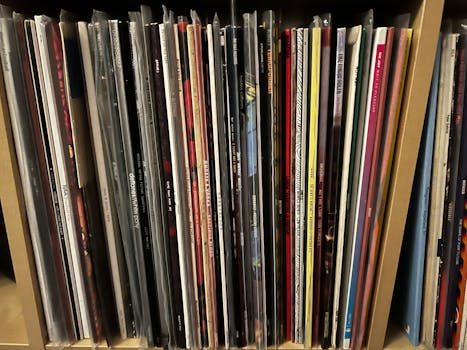
Knowing what to look for will stop you from buying a dud. Here are the five most common problems. 1. Surface noise from scuffs and light scratches. These often look worse than they sound. A light scuff might add a faint “whoosh” during quiet passages. It is annoying but usually harmless for loud rock or pop. 2. Scratches that cause skips. This is a deal breaker. A deep scratch that actually makes the needle jump is not fixable. Skip any record with a skip, unless you are getting it for free for parts. Ask the seller directly if the record skips on a specific track. 3. Warps. A record that is not perfectly flat. A minor warp might cause a subtle “wow” or pitch fluctuation. A severe warp can cause the needle to skip or the stylus to press unevenly. You can sometimes flatten a minor warp with a record flattening device, but it is a costly hassle. Avoid warped records unless you have a quality turntable that can track them. 4. Groove wear. This is harder to see but more damaging. It happens from overplaying or a bad stylus. The grooves become dull. The sound becomes sibilantâ”s” sounds become harshâand overall detail is lost. Look for a slightly gray or cloudy appearance in the grooves. It is not fixable. 5. Label damage. A torn or water-damaged label reduces the record’s collectible value but does not affect playback. It is a minor issue, but it is worth noting for resale. My honest advice: if a record has a skip, do not buy it unless you are willing to throw it away. Most other issues can be tolerated if the price is right and the music is rare.
Key Factors That Affect a Record’s Sound Quality
Several technical factors influence how a record sounds. The most important is mastering quality. This is the source of the sound. An original analog mastering from the 1970s will sound different than a 2010 digital remaster. Some digital remasters are excellent; others are compressed and lifeless. The mastering engineer matters. Names like Bernie Grundman, Kevin Gray, and Chris Bellman are associated with high-quality work. The second factor is pressing weight. Heavier vinyl (180g or 200g) is often marketed as superior. It is more resistant to warping, but it does not automatically sound better. A well-mastered, well-pressed 140g record can sound fantastic. A 200g record cut from a bad digital master is still a bad record. Vinyl color matters, but not in the way you might think. Black vinyl is standard and usually the quietest because it has a high carbon content that acts as an antistatic agent. Colored vinyl, especially solid colors like white or yellow, can sometimes have slightly more surface noise due to the dye. The differences are often minimal on a good pressing, but for critical listening, standard black is generally the safer choice. The best advice: focus on the mastering source and pressing plant. Search for the specific mastering engineer or pressing plant code on Discogs. A record mastered by Kevin Gray at Cohearent Audio and pressed at Record Technology Incorporated (RTI) is a safe bet, regardless of weight or color.
Best Practices for Cleaning and Storing Your Vinyl Collection
You have spent money on good records. Now protect that investment. Cleaning: Start with a carbon fiber brush for removing dust before each play. It is cheap and essential. For deeper cleaning, a wet cleaning system is the next step. A Spin Clean record washer or a similar manual record cleaning machine is a solid, affordable choice. It removes grime, fingerprints, and static. For the serious collector with a valuable collection, an ultrasonic cleaner is the gold standard. It uses ultrasonic waves to clean deep in the grooves without touching the record. It is expensive but thorough. Storage: Replace cheap paper inner sleeves with poly-lined or anti-static inner sleeves. They reduce static and protect the grooves. Use outer sleeves to protect the album cover from shelf wear, ring wear, and dust. Store your records vertically, like bookshelves. Do not lean them at an angle, which can cause warping. Avoid extreme temperatures and high humidity. A basement or attic is usually a bad idea. A cool, dry room is ideal. For a turntable, avoid cheap suitcase players. They have heavy, poorly tracking tonearms and ceramic cartridges that can actually wear down your records over time. Start with a proper entry-level turntable like the Audio-Technica AT-LP60X or AT-LP120X. It is a small price to pay for the long-term health of your collection.
Mistakes New Collectors Make When Buying Vinyl Records Online
Online buying is convenient but risky. Here are the most common pitfalls. Mistake 1: Trusting condition grades without photos. A seller’s “VG+” might be your “G.” Always ask for actual photos of the record under good light. Mistake 2: Buying obscure pressings for high prices without research. That rare 1980s reggae pressing you found on eBay might be a foreign bootleg. Check Discogs. Look at the matrix number. Confirm the release actually exists before you pay a premium. Mistake 3: Ignoring shipping damage risk. A record packed poorly is a record that arrives warped or scratched. Ask sellers how they pack records. A good seller uses a proper mailer with stiffening cardboard and bubble wrap. Pay for a shipping upgrade if it is available. Mistake 4: Not checking seller feedback. Read the negative and neutral reviews. Look for patterns of overgrading, poor packing, or slow shipping. A seller with a 99% positive rating is good, but 2000+ reviews with a 99.5% is excellent. Mistake 5: Falling for deals that are too good to be true. If a seller is offering a sealed, mint copy of a $500 album for $50, it is a scam. It is either a bootleg, a counterfeit, or a bait-and-switch. Trust your gut. If the price seems impossibly low, walk away.
When to Splurge on a Rare Pressing vs When to Settle for a Reissue
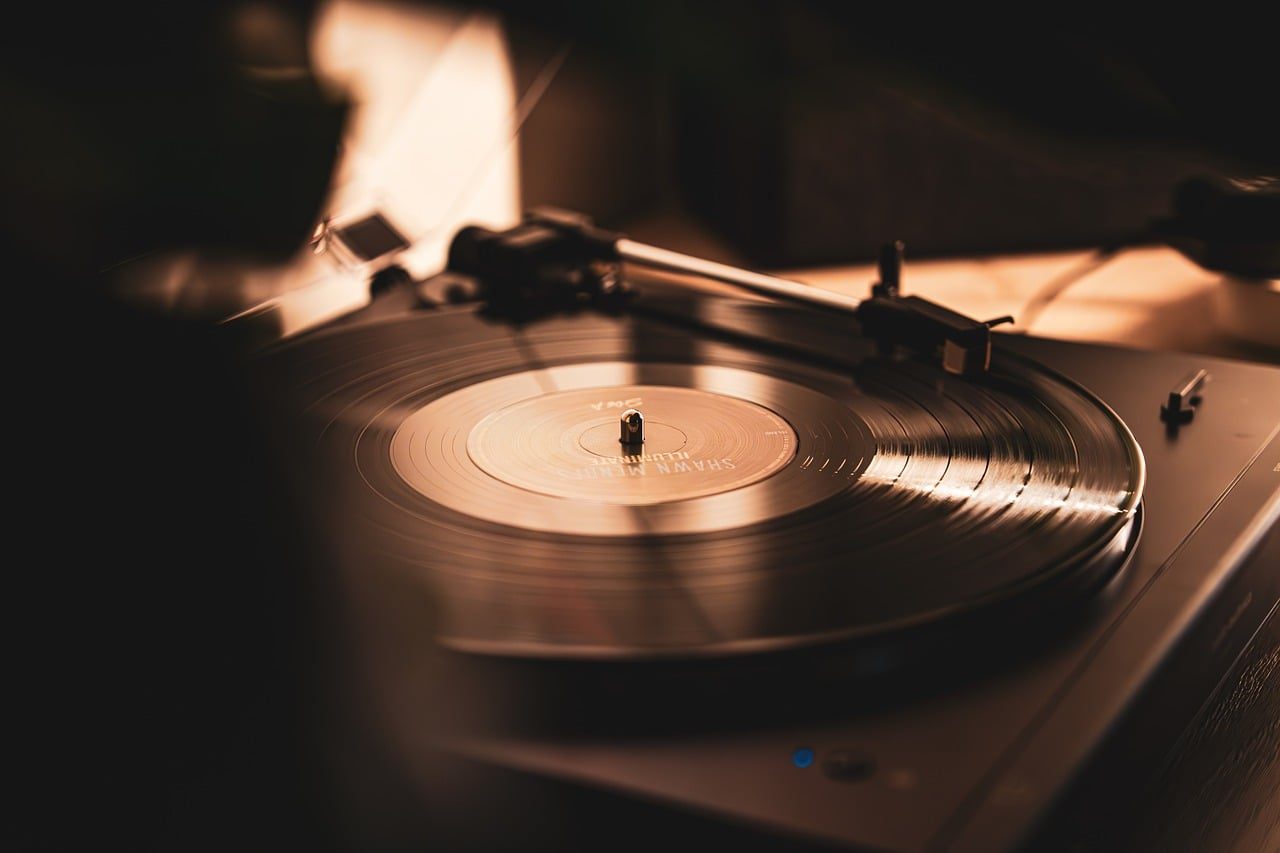
This is a financial and sonic decision. You need to know your priorities. Splurge on a rare pressing when: You are a dedicated collector of a specific artist. You want the authentic, original master. You are buying for historical value or investment. For example, an original 1950s mono pressing of a jazz classic or a first pressing of a seminal rock album. Settle for a reissue when: You are buying for listening. You are on a budget. A high-quality reissue exists. For a casual fan, a well-reviewed reissue of “Rumours” by Fleetwood Mac or “Kind of Blue” by Miles Davis will sound superb and cost a fraction of the original. Best for: The serious collector who values the object and the history. A reissue is best for the listener who cares about sound quality and budget. Do not feel pressured to chase originals. A clean, modern reissue from a reputable label is a fantastic way to build a high-quality listening library.
Building a Starter Kit: Essential Gear for Vinyl Collectors
You do not need to spend thousands immediately. But you need the right tools. Here is a practical starter kit that will improve your experience and protect your collection. Turntable: Avoid the cheap suitcase players. They are bad for your records and sound terrible. Start with an Audio-Technica AT-LP120X or a Fluance RT81. Both are reliable, sound good, and have proper tonearms. Cleaning brush: A carbon fiber brush is essential. Use it before every play. Cleaning solution: A Spin Clean record washer is the best value for deep cleaning. It will clean 50+ records per batch. Inner sleeves: Invest in Mobile Fidelity (MoFi) or similar anti-static sleeves. Do not use paper sleeves. Stylus cleaner: A stylus brush to remove dust from the needle. Do not skip this. Storage: Buy a Kallax or similar cube shelf unit for vertical storage. Do not stack records horizontally. This kit is a solid foundation. You can start with these items and upgrade over time. It is a small investment that protects a larger investment in your music.
How to Build Trust With Local Record Store Owners and Online Sellers
Good relationships with sellers mean better deals and better information. In local stores: Be a knowledgeable, respectful customer. Know what you are looking for. Be specific in your requests. Ask, “Do you have any original Blue Note pressings from the 60s?” instead of “Got any jazz?” Learn the owner’s name. Go on a weekday when they are not busy. Ask for holds on items you want. If you find a record you like, ask if they can check the condition in front of you. A good owner will show you the vinyl. Attend in-store sales or record store days. For online sellers: Check seller ratings and feedback. Read recent reviews. Message sellers before buying a high-value item. Ask specific questions: “Can you confirm the matrix number? Are there any visible scratches? Is the record warped?” A responsive, detailed seller is a trustworthy seller. A seller who gives one-word answers or avoids questions is a risk. Building trust is a two-way street. You be specific, and they will be specific back.
Final Recommendations: What to Focus On for a Strong Collection
Here is the bottom line. Prioritize condition over rarity. A clean, well-pressed reissue is a better record than a beat-up original. Learn to read a matrix number. It is your best tool for avoiding counterfeit and verifying value. Master the Goldmine grading system. Do not trust a seller’s grade without photos. Invest in proper storage and cleaning tools. It costs less than buying a replacement for a damaged record. Most importantly, buy albums you actually want to listen to. A collection of records you love is a success. A collection of rare records you never play is a storage problem. Your first practical purchase should be a good cleaning kit or a proper inner sleeve pack. It will instantly improve the sound of your existing records and protect your future investments. Start there.