Introduction
Movie memorabilia collecting can feel like stepping into a room full of locked doors when you’re just starting out. You see cool props, signed photos, and production-used gearâbut you have no idea what’s real, what’s worth buying, or how to avoid getting burned. That’s exactly what this guide is for.
We’re covering the essentials: props, autographs, buying strategies, authenticity checks, and the practical decisions that separate smart collectors from people who overpay for fakes. This is for new collectors, fans who want to start, and anyone who wants to build a meaningful collection without wasting money. The hobby is rewarding, but it rewards preparation, not impulse.
By the time you finish reading, you’ll know where to start, what to avoid, and how to make your first few purchases with confidence. Let’s get into it.
What is Movie Memorabilia Collecting? A Quick Overview
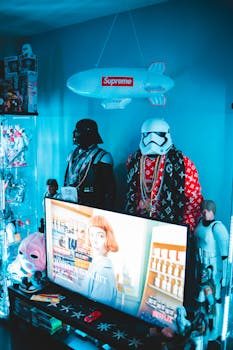
Movie memorabilia collecting covers anything used in, or related to, a film’s production that ends up in private hands. The main categories are props, autographs, costumes, posters, and production-used items like scripts, storyboards, or set pieces. Within props, you’ll find screen-used items that actually appeared on camera and replica items made for display or marketing purposes. The difference matters a lot for value and authenticity.
The logistical side is where most beginners stumble. Authenticity isn’t automatic. Provenanceâthe documented history of an itemâis what separates a valuable piece from a decorated paperweight. Condition also plays a huge role. A prop with visible damage from filming might hold up, but one that’s been stored in a damp basement loses value fast. The hobby is about knowledge, not just enthusiasm. The more you understand these practical elements, the better your collection will be.
Props vs. Autographs: Which is Right for You?
This is the first fork in the road. Props and autographs are fundamentally different entry points, and each comes with its own tradeoffs.
Props are best if you’re a fan of a specific film or franchise. A screen-used lightsaber hilt or a hero prop from Indiana Jones carries instant recognition and emotional weight. But props are expensive, harder to store, and authenticity verification is more complex. You’re not just checking a signatureâyou’re matching production notes, photos, and sometimes even paint chips. Props also have lower liquidity. If you need to sell, finding the right buyer can take time.
Autographs are better for building a broad collection. You can collect signed photos from dozens of stars across multiple films without needing a climate-controlled display room. The entry cost is lowerâusually $50 to $200 for a signed 8×10 from a major star. Authenticity is still critical, but reputable authentication companies like Beckett or PSA handle the heavy lifting. Autographs are easier to store, easier to sell, and easier to trade. For storing signed photos safely, collectors often use archival photo sleeves to keep them protected from dust and humidity.
If you have a clear favorite film, start with props. If you want variety and flexibility, go with autographs. Many collectors do both, but it’s smarter to pick one lane first and learn the ins and outs before branching out.
Where to Buy Movie Memorabilia: Auctions, Dealers, and Online Marketplaces
Your buying channel directly impacts your risk level and your price tag. Here’s how the main options stack up.
Major auction houses like Prop Store and Heritage Auctions are the gold standard for high-ticket items. They offer detailed condition reports, provenance documentation, and buyer protection. Prices are higher because you’re paying for peace of mind, but for items over $1,000, it’s worth it. Start here for your first big purchase.
Specialized dealers who focus solely on memorabilia are another good option. They often have curated selections and expert knowledge. The downside is markup, but you can negotiate on larger purchases. Always ask about return policies and authenticity guarantees before buying.
eBay and Etsy are the wild west. You can find bargains, but you can also find fakes. If you use eBay, stick to sellers with strong ratings (99%+), clear photos of the actual item, and a detailed description that references provenance. Never buy from a listing that only shows stock images. Return policies are critical hereâonly buy from sellers who accept returns on authenticity disputes.
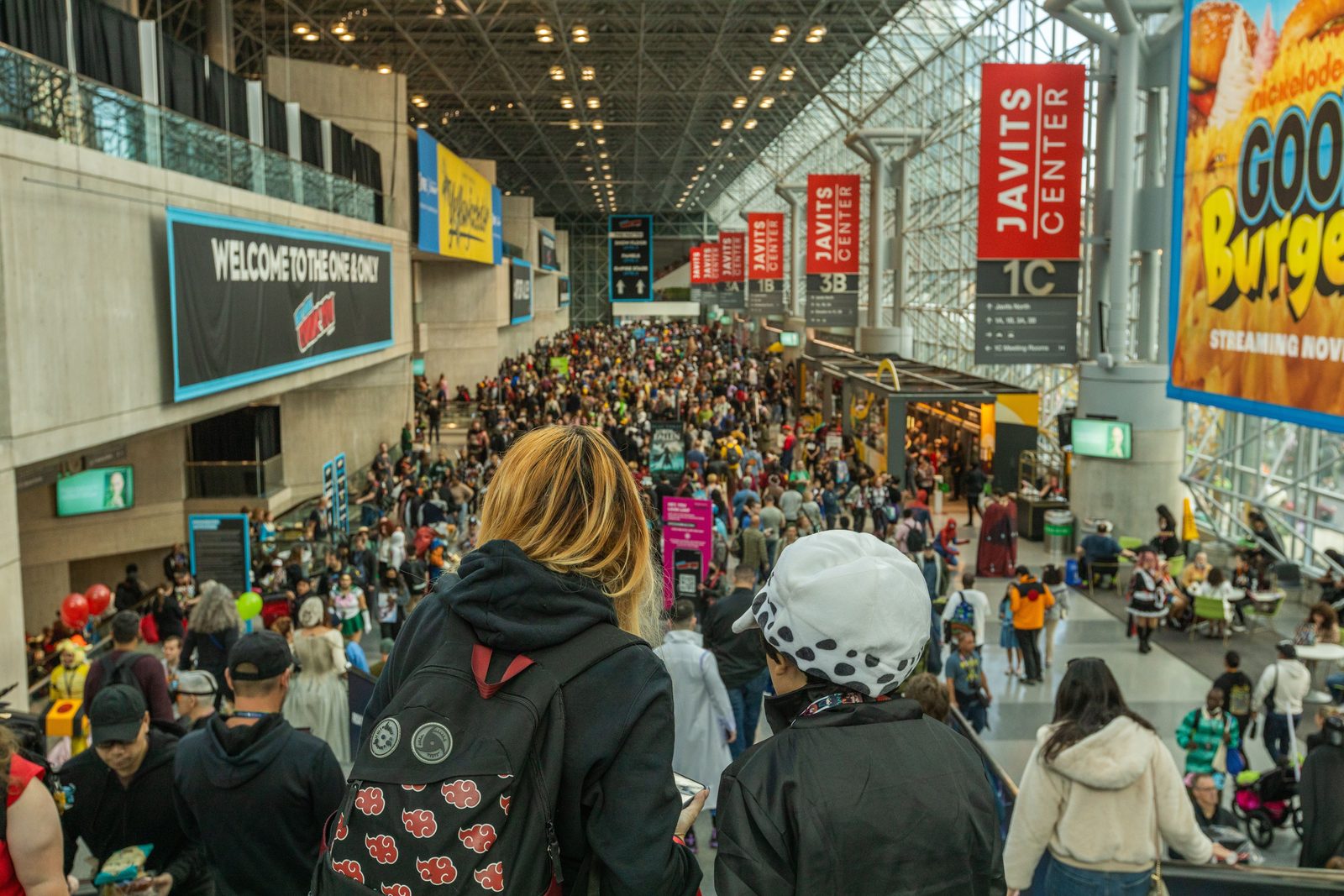
Conventions like Comic-Con or Star Wars Celebration offer the advantage of in-person inspection. You can see the item, ask questions, and sometimes negotiate. But prices are often inflated because of the venue. Use conventions as a chance to see items up close, then buy later if the price isn’t right.
The Five Most Common Mistakes New Collectors Make
These mistakes cost people real money. Avoid them and you’ll be ahead of most beginners.
1) Not verifying provenanceâa COA is not enough.
A Certificate of Authenticity is only as good as the source. A generic COA printed at home means nothing. Look for provenance that includes production documents, photos from the set, or a letter from the studio. Without verifiable chain of custody, assume the item is questionable.
2) Overpaying for items with no screen time.
A prop that was made for a movie but never appeared in the final cut is worth significantly less than one that was used on camera. Sellers rarely volunteer this distinction. Read the description carefully. If it says ‘production-made’ or ‘set-used’ without specifying screen time, ask directly.
3) Buying damaged props without understanding restoration costs.
A cracked lightsaber hilt or a torn costume might look like a bargain, but restoration can cost more than the item itself. Get a quote from a professional restorer before you commit. Some damage adds character, but structural damage kills value.
4) Storing items improperly.
Humidity warps paper and cardboard. Direct sunlight fades signatures and paint. Dust scratches acrylic cases. Store autographs in archival sleeves away from windows. Keep props in UV-protected cases with stable humidity. Bad storage destroys value faster than any market shift. A small hygrometer humidity monitor can help you track storage conditions easily.
5) Falling for replica items sold as originals.
Replicas are common and often high-quality. But if you pay original prices for a replica, you’ve been had. Learn to spot telltale signs: overly clean paint, lack of wear, no production marks, and packaging that looks too uniform. When in doubt, ask for in-hand photos.
How to Verify Authenticity: Certificates of Authenticity and Provenance
This is the single most important skill in movie memorabilia collecting. A COA from a reputable sourceâlike the auction house or the authenticatorâmeans something. A COA from a random online seller is worthless.
Provenance is the real foundation. It’s the paper trail that connects the item to the film. Look for letters from the prop master, production photos showing the item on set, or studio inventory records. The more documentation, the better. If an item has nothing but a typed letter signed by someone you’ve never heard of, pass on it.
Third-party authentication services like Beckett, PSA, or JSA add a layer of verification, especially for autographs. They compare signatures against reference databases and issue their own COA. But even their work isn’t infallible. Always cross-check their report with other sources when possible.
Before you buy, ask the seller for a detailed history. A legitimate seller will be happy to provide it. A seller who gets defensive or vague is someone you should walk away from.
Budgeting for Your First Purchase: What to Spend on Props and Autographs
Let’s talk numbers. These are realistic ranges based on current market data.
- Entry-level autographs: $50â$200. A signed 8×10 from a well-known actor in a popular franchise.
- Small props (production-used): $200â$1,000. Think a prop cell phone from a 2000s movie or a background prop from a set dresser.
- Screen-used hero props: $1,000+. These are the iconic piecesâlightsabers, shields, weapons. Prices climb fast from here.
For your first purchase, keep it under $500. You’re learning the processâhow to verify, how to negotiate, how to store. A smaller loss if something goes wrong is better than a catastrophic one. A signed photo from a star you genuinely like is a perfect start. You get the emotional reward, the learning experience, and a piece that holds steady value.
Display and Storage: Protecting Your Collection
You’ve spent money on something you care about. Don’t let poor storage ruin it.
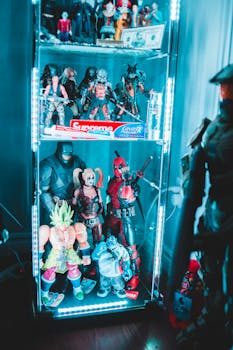
For props, get quality acrylic display cases. A standard case with UV-blocking glass will protect against dust, sunlight, and accidental bumps. Amazon sells affordable options in the $20â$50 range. Avoid direct sunlight at all costsâeven UV glass can’t fully prevent fading over years of exposure.
For autographs, archival storage is non-negotiable. Use archival sleeves (acid-free, lignin-free) for signed photos. Store them flat in a dark, climate-controlled drawer or cabinet. Never hang signed photos in direct sunlight. A UV-blocking frame is an okay compromise, but even then, the signature can fade over time. If you want to display them, rotate the piece every few months.
Humidity below 50% is ideal. High humidity promotes mold on paper and corrosion on metal props. A small dehumidifier for display case in the room works wonders. Dusting with a soft brush keeps acrylic cases clean.
Networking with Other Collectors: Conventions, Forums, and Communities
Other collectors are your best resource for practical knowledge. They’ve already made the mistakes you’re trying to avoid.
Major conventions like Comic-Con, Star Wars Celebration, and Monster-Mania are excellent for seeing items in person, meeting dealers, and swapping stories. You’ll also find panels on authentication and market trends. Even if you don’t buy anything, the education is worth the ticket price.
Online forums like the Replica Prop Forum (RPF) and Reddit’s r/MovieProps are active communities where collectors share tips, post photos, and warn about bad sellers. Be aware that some forums have gatekeepers who can be dismissive of beginners. Don’t let that discourage you. Lurking for a few weeks, reading threads on authentication and storage, will accelerate your learning curve dramatically.
Use these communities before making any purchase over $500. Post photos, ask for opinions, and see if anyone recognizes the item from a previous sale. The collective knowledge of a good forum is worth more than any single dealer’s advice.
Reselling and Liquidity: When You Need to Sell Your Collection
Here’s the truth most sellers won’t tell you: most movie memorabilia does not appreciate in value. Liquidity for obscure items is low. If you buy a minor prop from a cult film that only 10,000 people have seen, finding a buyer at your asking price could take years.
Props with strong screen presenceâthe ones fans instantly recognizeâhold value best. A Darth Vader helmet or a Harry Potter wand is easier to sell than a generic background prop from a 1980s romantic comedy. Autographs from universally known stars like Harrison Ford or Tom Hanks also hold steady demand.
When you do need to sell, auction is usually fastest but takes a commission. Private sale through a forum or dealer gets you a better net price but takes longer. Dealer buy-back is the easiest but you’ll take a hit on valueâexpect 50â70% of what you paid.
The best advice: buy what you love. If you’re collecting for investment only, you’re in the wrong hobby. Treat it as a passion first, and any appreciation is a bonus.
Insurance and Legal Considerations for Your Collection
Your collection has real value. Standard homeowner’s insurance often has low limits for collectiblesâsometimes as low as $2,000 total. If your collection exceeds that, you need specialized coverage.
Specialized collectibles insurance companies like Collectibles Insurance Services offer policies tailored to memorabilia. They cover theft, damage, and accidental loss. Premiums are usually 1â2% of the collection’s value per year. You’ll need an appraisal for items over a certain threshold, but for a small collection under $10,000, a detailed inventory with photos is usually sufficient.
On the legal side, always buy from reputable sources. Stolen memorabilia does circulate, and buying it knowingly or unknowingly can create legal headaches. Check the seller’s reputation before you buy. If the deal seems too good to be true, it probably is. Also, be aware that some countries restrict the export of cultural artifacts. If you travel internationally with your collection, check customs regulations first. It’s rare for modern movie props, but it’s worth knowing.
Next Steps: Your First Month as a Movie Memorabilia Collector
Here’s a tactical 30-day plan that will get you started without analysis paralysis.
- Week 1: Pick one film or franchise you love. Research its props and autographs online. Know what exists in the market.
- Week 2: Join one forum (RPF or Reddit) and browse auction house catalogs from Prop Store or Heritage Auctions. Study the condition reports and provenance documents. This is free education.
- Week 3: Set a budget under $500. Decide if you’re going for a prop or an autograph. Research three potential items from verified sellers.
- Week 4: Make one small purchase from a seller with a strong reputation and a clear return policy. Document the experienceâphotos, COA, provenance. You’ve now completed your first transaction.
For organizing your research and items, a simple collector inventory notebook can help you track purchases, provenance, and storage details from the start.
Frequently Asked Questions About Movie Memorabilia Collecting
Is movie memorabilia a good investment?
Generally, no. Most items do not appreciate significantly. Buy for passion, not profit. The exception is extremely rare, high-demand items from iconic franchises, but those are the exception, not the rule.
How do I spot a fake autograph?
Compare the signature to known examples from the star’s peak years. Look for hesitation marks, inconsistent pressure, or missing details. If it’s a well-known signature like Harrison Ford’s, any deviation is a red flag. Use third-party authentication for high-value items.
Can I buy directly from studios?
Rarely. Studios occasionally sell off props and costumes through official auctions or charity sales, but most pieces go to dealers and private collectors. The occasional direct sale happens, but it’s not a reliable channel.
What is the most expensive prop ever sold?
The most famous is the Willy Wonka golden ticket prop set, which sold for over $70,000. Other high-value items include screen-used lightsabers and the Pulp Fiction briefcase. These are outliers.
How do I start with no budget?
Start with research. Browse auction house archives, join forums, and read condition reports. Knowledge is free and it’s the most valuable asset you can build before spending any money.