Why Collect Vintage Advertising Signs? A Practical Overview
There is something real about a vintage advertising sign. Not the digital kind that flickers on a screen. The real ones, with faded paint and honest wear. They come from a time when a sign was a permanent fixture. You hung it on a building, you left it there for twenty years, and the weather did its work. That is the appeal. These signs are history you can hang on a wall. Collecting them is not just nostalgia for a time you never lived through. It is about connecting with actual craftsmanship and design from an era when things were built to last.
The market itself is practical. Some signs hold value well. Others are a fun display piece that will never be worth much more than you paid. The real draw for collectors is the combination of graphic design, industrial process, and cultural touchpoints. A pre-1940s porcelain sign for a local soda brand tells you something about American manufacturing. A 1950s tin sign for an oil company reflects the car culture boom. The investment potential is real, but it is slow. This is not cryptocurrency. You buy a sign, you display it, you protect it, and if you choose well, it might appreciate. If it does not, you still have a great piece of American history to look at. That is the practical logic behind this hobby.
This guide exists to help you avoid the classic mistakes new collectors make. Overpaying for a poorly restored sign. Buying a reproduction thinking it is original. Neglecting condition. We will cover all of that.
Key Factors That Determine a Sign’s Value
Not all vintage signs are created equal. Even two signs from the same year and same manufacturer can have drastically different values. Understanding what drives value helps you prioritize what to buy and what to walk away from.
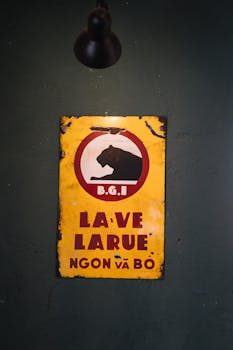
The single most important factor is condition. A sign that has original paint in excellent shape is worth more than one that has been repainted, even if the repaint looks perfect. Original finish is the gold standard. Next comes rarity. A sign produced in limited numbers, or for a small brand with only a regional presence, will be harder to find and therefore more valuable. But rarity alone does not create value. A rare sign for an unknown company is still hard to sell. That is where brand recognition comes in. Coca-Cola signs are popular for a reason. Everyone knows the brand. That drives demand. A rare Pepsi sign might not fetch as much as an equivalent Coke sign simply because the brand recognition is not as strong.
Age matters, but not as much as you might think. A 1910s sign can be worth less than a 1950s sign if it is in poor condition or for a no-name brand. The sweet spot for many collectors is the 1950s and 1960s, when sign manufacturing was booming and designs were bold. Size also plays a role. Larger signs are generally more valuable, but they are harder to display and ship. A 36-inch round porcelain sign is impressive. A 6-foot neon sign is a logistics challenge. The market sometimes discounts very large pieces because fewer buyers can accommodate them.
When evaluating a sign, prioritize condition first, then brand recognition, then rarity. A common sign in excellent condition is often a better buy than a rare sign in poor condition. That is the practical hierarchy to keep in mind.
Condition Grades: What Collectors Need to Know
Condition grading in the sign world has its own language. Once you understand it, you can make better buying decisions.
Mint is rare. A mint sign looks like it just left the factory. No fading, no scratches, no rust. These command the highest prices. Excellent means the sign has minor wear that is barely noticeable. Slight fading from sunlight, maybe a small scratch only visible up close. This is the grade most serious collectors aim for. Good condition means the sign has visible wear but no structural damage. The paint might be faded, there could be some rust flakes around the edges, but the sign is intact and the design is still clear. This is the sweet spot for buyers on a budget. Fair means significant wear. Heavy fading, rust present, maybe a small dent. The sign is still original but needs some work. Poor condition usually means the sign is damaged beyond easy repair. Heavy rust, missing letters, paint loss that obscures the design. These are only worth buying if you plan to restore them yourself or if they are incredibly rare and you have no other choice.
The biggest trap for beginners is repainted signs. A sign that has been repainted loses its originality. It may look nice, but many serious collectors will not pay top dollar for it. The patina, the original manufacturing marks, the subtle wear patterns are all gone. If you buy a repainted sign, buy it because you like the look, not because you expect it to be a future investment. Watch for restoration that is poorly done. Harsh chemicals that strip the original paint, or clumsy touch-ups that do not match, can actually reduce value. When in doubt, buy a sign in untouched condition and decide later if you want professional restoration.
Common Mistakes New Collectors Make
Every collector has made mistakes. The key is to learn from others before you burn your own money. Here are the most common ones.
Overpaying for a restored sign. I see this all the time. Someone buys a beautifully repainted Coca-Cola sign at a flea market, pays a premium, and later discovers the original would have been worth more untouched. The lesson is simple: restoration costs should be deducted from the value of the sign, not added to it. If a sign has been repainted, it is worth less than an original equivalent. Do not pay extra for a restored sign as if the restoration adds value. It usually does not.
Ignoring condition for the brand name. A collector sees a Pepsi sign and buys it without looking closely. Later, they find serious rust pitting or heavy fading. A rare brand name does not rescue bad condition. Always inspect a sign thoroughly before you hand over money. If you cannot see it in person, ask for multiple high-resolution photos from the seller. A magnifying glass can be useful for spotting small imperfections that might affect value.
Not researching the seller. There are many people selling reproductions as original. Some do it out of ignorance, others deliberately. Always check a seller’s reputation. Look for reviews, see how long they have been in business, and ask questions. If a seller cannot describe the sign’s condition in detail, that is a red flag.
Neglecting storage and display. Vintage signs are not indestructible. They can rust, fade, and get scratched. Buying a sign and then shoving it in a damp garage or hanging it in direct sunlight will ruin it quickly. Plan where you will display it before you buy. For storage, keep signs in a dry, climate-controlled space.
Buying on impulse without a plan. The easiest way to overpay and accumulate junk is to buy every sign that catches your eye. Instead, focus on one brand, one era, or one type of sign. Specializing makes you a smarter buyer because you learn the market for that specific niche.
Authenticating Vintage Signs: How to Spot Fakes and Reproductions
The reproduction market for vintage signs is massive. Many of the most popular brands, like Coca-Cola, Budweiser, and Texaco, have thousands of reproductions floating around. Some fakes look convincing. You need to know what to look for.
Start with the manufacturing seams. Original porcelain signs, also called enamel signs, were fired in kilns. They have a smooth, glassy surface. Reproductions often use a spray-on enamel that looks thinner and has a different feel. Run your finger across the surface. Genuine porcelain is hard and glass-like. Reproductions often have a slightly rough or thin texture.
Check the fasteners. Old signs used specific types of rivets, screws, and bolts. Look at the back of the sign. If the hardware looks modern, with Phillips-head screws or plastic anchors, that is a red flag. Many reproductions also use lighter-gauge metal that bends more easily.
Paint patterns are another clue. Original signs were often hand-screened or stenciled. Look for slight irregularities in the lettering or graphics. Perfect, clean-edged printing is sometimes a sign of a modern digital reproduction. Also look for a patina. Genuine aging is not uniform. A real sign will have some areas more faded than others, some scratches, some rust spots that formed naturally. Reproductions often have artificially distressed finishes that look patterned or uniform.
Labels are worth checking. Many manufacturers placed labels on the back of signs. If there is a label, look for signs of age. Delaminating paper, yellowed glue, or older printing styles are good indicators. A pristine label on an otherwise very old sign can sometimes be a forgery.
Finally, use collector forums and resources. If you are unsure about a sign, post photos to a community like Mecum or the Antique Sign Collectors Network. There are experts who can help authenticate. Do not rely solely on a seller’s word.
Where to Find Vintage Advertising Signs: Auctions, Shows, and Online
Each purchasing channel has trade-offs. Understanding them helps you avoid bad deals.
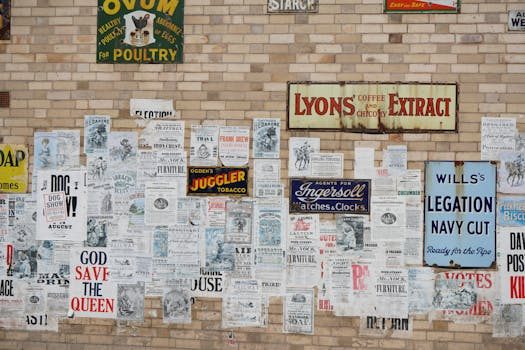
Estate sales and garage sales are great for finding bargains. You are buying from people who often do not know the value. The downside is that you have to search through a lot of junk to find the gems. If you have the time, this is the most fun channel. Auctions, both online and live, are good for rare pieces. Online auction houses like LiveAuctioneers or eBay have a huge selection. The risk is that you cannot always inspect the sign closely before bidding. For live auctions, you can preview items, which is a major advantage.
Antique malls and specialty dealer websites offer the most convenient experience. You are buying from someone who curates and knows the market. The downside is price. You will pay a premium. But you get a sign that is accurately described and often guaranteed authentic. For new collectors, this is often the safest route.
eBay and online marketplaces are the wild west. You can find amazing deals, but you can also get scammed. The key on eBay is to look at seller feedback and read descriptions carefully. If a listing says ‘reproduction’ or ‘in the style of,’ assume it is fake. Watch for poor photos. A seller using one blurry photo from a distance is often hiding condition issues. Ask for detailed photos before you commit.
Restoration: To Restore or Not to Restore?
This is a philosophical question for collectors. The answer depends on your goals.
If you are collecting for personal enjoyment, restore a sign if you want it to look its best. A repainted sign can be a beautiful piece of decor. But if you are collecting with resale in mind, be careful. For many serious collectors, original patina is part of the value. A sign that has been repainted loses that history. Some restorations, like fixing a broken neon tube or repairing a structural crack, can be done without harming value. Cosmetic restoration, like repainting a faded area, usually reduces value.
The rule of thumb is this: do not repaint a sign that has 50% or more of its original paint unless it is in really rough shape. Instead, clean it gently and display it as is. If the sign is heavily faded or has large areas of paint loss, restoration might make it more appealing. Just understand that you are turning it into a decorative piece, not an investment-grade collectible. For structural issues, like a bent flange or a hole that needs patching, restoration is usually fine because it does not affect the visible design.
Never use harsh chemicals or abrasive pads on a sign. A soft cloth, mild soap, and water are all you need to clean most signs. If you want professional restoration, find someone who specializes in vintage signs, not just general metalwork. Ask to see before and after photos of their work.
Essential Tools and Supplies for Display and Care
If you are buying signs, you need to display and protect them. A few simple supplies go a long way.
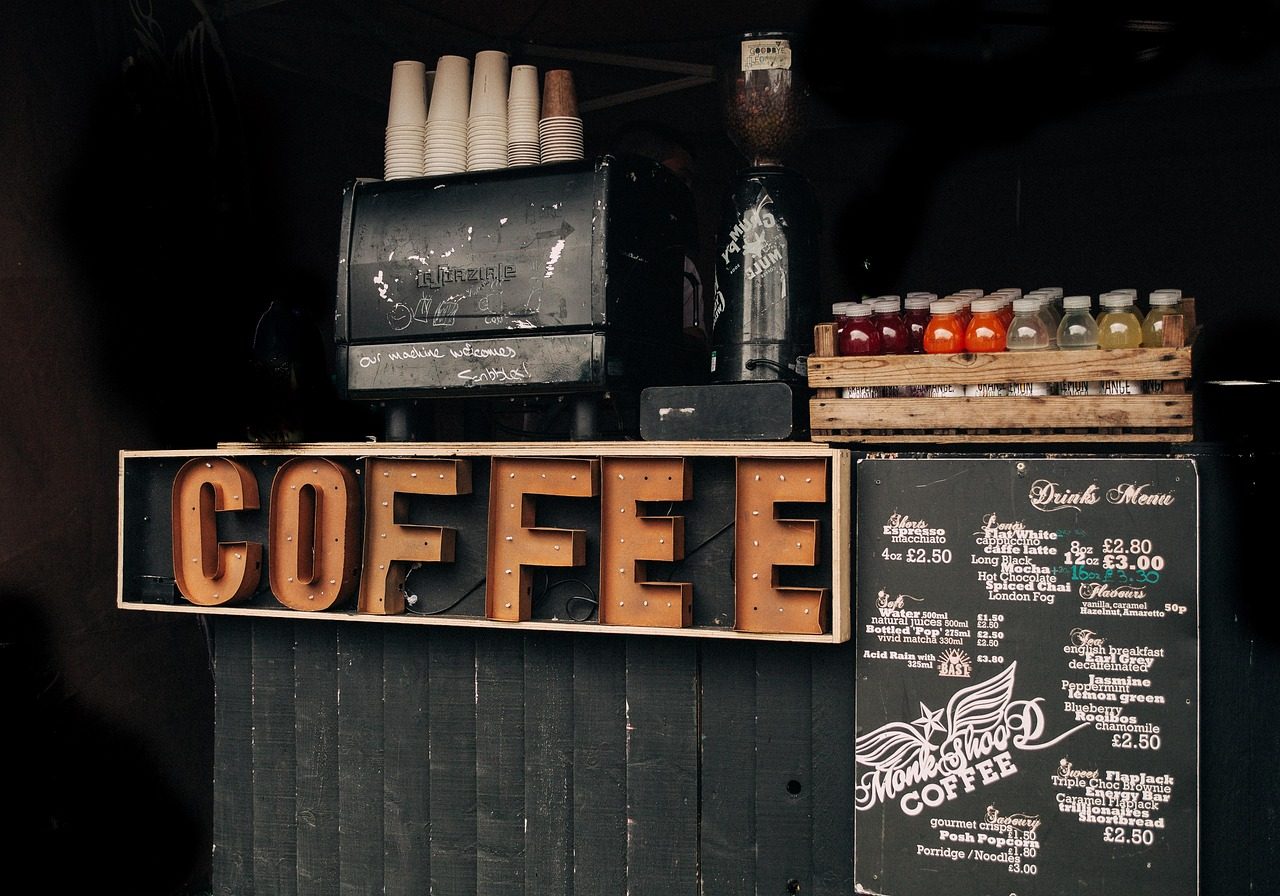
For display stands, look for adjustable steel easels. They are cheap, durable, and work for most flat signs. If you have a heavy porcelain sign, get a stand rated for the weight. For hanging, use heavy-duty picture hangers or French cleats. Drywall anchors are necessary if you are mounting on plaster or drywall. A sign falling off the wall is both dangerous and heartbreaking. For lighting, use LED strip lights or small clip-on spotlights. LEDs emit no UV and very little heat, which protects the sign. Avoid incandescent bulbs near old signs. The heat accelerates fading. For cleaning, use a microfiber cloth and distilled water with a drop of mild dish soap. Do not use glass cleaner or anything with ammonia. It can damage the paint. A rust inhibitor like Boeshield T-9 is useful for preventing new rust on iron or steel signs. Just test it on a hidden area first.
UV-protective glass is worth the investment for indoor displays of rare signs. It filters out harmful light that causes fading. For signs displayed in a room with lots of natural light, it is essential. A dehumidifier in your display area is also a smart move if you live in a humid climate. Rust is the enemy. A dry environment is your best defense.
Vintage Signs as an Investment: Realistic Expectations
Let me level with you. Collecting vintage signs as a pure investment is risky. Some signs appreciate, but many do not. The market is driven by taste and trends. If you buy a sign for a brand that falls out of fashion, you could lose money. If you buy a common sign, it will not appreciate. The signs that do well as investments are rare, in excellent condition, and tied to iconic brands. That is a narrow intersection.
The real value of collecting is the enjoyment. The history, the design, the hunt. If you approach it that way, any appreciation is a bonus. Compared to other collectibles like coins or comic books, the sign market is less liquid. You cannot sell a sign easily on a whim. You need to find the right buyer. That might take months or years. So do not buy signs with money you need back quickly. Buy them because you love them, and if they hold value, great. If they do not, you still have a piece of history.
Long-term value is influenced by brand, condition, and cultural significance. Signs from the 1920s to 1950s for brands that still exist today have the strongest market. Signs for brands that are now defunct can be interesting but have a smaller collector base. The best advice is to specialize in one area and learn the market thoroughly. That is the only way to make informed buying decisions that have a better chance of retaining or increasing value.
Resources for Building Your Knowledge
Education is the best investment you can make in this hobby. The internet has made it easier than ever to learn, but you need to know where to look.
Start with price guides. Books like Kovels’ Advertising Collectibles are a good reference for understanding value ranges. They are not perfect because the market changes, but they give you a baseline. Collector forums are invaluable. Websites like Collectors Weekly have active communities where you can ask questions and see what other collectors are buying. Facebook groups focused on vintage signs are also active. Just be aware that you will see a lot of for-sale posts. Observing what sells and at what price is a free education. Museum exhibits can be useful for seeing high-quality original signs. The Smithsonian and The Henry Ford have excellent advertising collections. If you can visit, pay attention to the details: the materials, the patina, the typography. Auction house catalogs from places like Heritage Auctions or Morphy Auctions are free online and show professional photos and realized prices for important pieces.
Finally, look at specific books on sign manufacturing. American Advertising: 100 Years of Signs by Richard D. Weingardt is good for historical context. But honestly, the best education is handling signs. Go to an antique show, talk to dealers, and handle the merchandise. That hands-on experience teaches you more than any book.
Final Tips for a Successful Start
Let me leave you with a few practical takeaways. First, start small. Set a budget and stick to it. Do not buy the most expensive sign you can afford as your first purchase. Buy a few affordable pieces first to learn the ropes. Second, focus on one area. Whether it is Coca-Cola, oil company signs, or regional soda brands, specializing makes you an expert faster. Third, buy the best condition you can afford. A heavily damaged sign is never a good deal, even if it is cheap. Fourth, join a collector club. The Antique Advertising Association of America or similar groups have local chapters. The networking and knowledge sharing are priceless. Fifth, go to a show. The Antique Advertising Show in Indiana or similar events let you see hundreds of signs in one place. See them in person before you commit to buying online.
Collecting vintage advertising signs is a rewarding hobby. It combines history, design, and the thrill of the hunt. Do not rush. Learn the market. Trust your eye. Enjoy the journey.