Introduction
For anyone serious about collectible video games, the console you play them on matters as much as the cartridge itself. This guide is for new collectors, nostalgic gamers, and small-scale investors who want to understand the hardware side of the hobby. We’ll cover which retro consoles are worth your money, what to check before buying, and how to avoid common pitfalls that cost beginners hundreds of dollars.
Let’s be clear from the start: the world of collectible video games retro hardware is not about hype. It’s about understanding market dynamics, condition, and authenticity. Whether you’re after a mint-condition Super Nintendo or a working Sega Saturn, the decisions you make now affect both your enjoyment and your collection’s long-term value. This isn’t a nostalgia trip. It’s a practical roadmap.
Why Retro Consoles Matter for Collectible Video Games
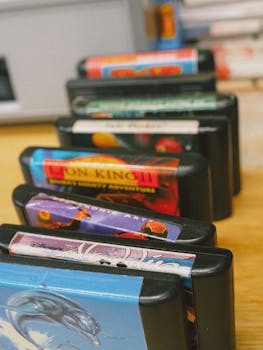
There’s a common assumption that any game will run fine on any device. While emulation does a decent job, serious collectors know the difference. Original hardware delivers the exact experience the developers intended, without input lag, visual glitches, or sound compression. That matters for preserving the integrity of a collection, especially for games that rely on precise timing.
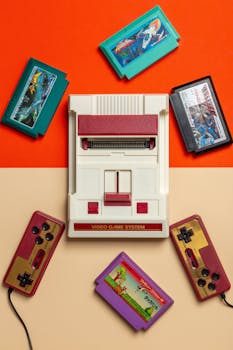
More importantly, the console itself is part of the collectible package. A rare game in a sealed box loses value if it’s stored next to a damaged or non-functional console. Collectors who buy complete-in-box systems often see higher long-term appreciation because the hardware is the anchor of the set. Regional differences also play a role. A Japanese Super Famicom is physically different from a North American SNES, and collectors who understand those nuances can find better deals and unique variants.
That said, not every game is worth more on original hardware. Common titles from the PlayStation 2 era, for example, are often cheaper to play on a working console than to buy as sealed collectibles. The key is knowing when the hardware adds value and when it’s just a utility. For true collectors, the console is part of the story. It’s the context that makes the game a collectible rather than just old software.
The Must-Have Consoles for Serious Collectors
If you’re building a serious collection, these are the consoles you need to understand. They’re ranked here by their place in the market, library quality, and collectibility.
Nintendo Entertainment System (NES)
The NES is the foundation of modern console collecting. Its library is deep, with hundreds of iconic titles. A working unit is relatively affordable loose, usually between $50 and $100. The real money is in boxed systems and rare variants like the top-loading model. Be wary of fake cartridgesâreproduction shells are common, especially for expensive games like Stadium Events or Little Samson. A legitimate NES cartridge has a specific weight and texture that fakes rarely match. For those starting out, a NES console in good condition is a solid foundation on which to build.
Super Nintendo Entertainment System (SNES)
The SNES is arguably the sweet spot for collectors. The console is robust, the library is legendary, and the games hold value well. Loose SNES consoles run $80 to $150, while complete-in-box examples can hit $400 or more. Region lockouts are a real issue: Japanese Super Famicom games won’t fit in a US SNES without modification. If you’re serious, invest in a region-free mod or a Super Famicom unit for importing. Cartridge authenticity is less of a concern here than with the NES, but still worth checking.
Sega Genesis (Mega Drive)
The Genesis is often undervalued by new collectors. Its library includes strong exclusives and a dedicated fanbase. Loose consoles are cheap, often under $60. The real value lies in rare variants like the Genesis Nomad or the CD add-ons. Be cautious with third-party peripherals and aftermarket power suppliesâcheap replacements can damage the console’s voltage regulator. The Genesis also has a strong homebrew scene, which can complicate authenticity.
PlayStation 1 (PS1)
The PS1 marks the transition to disc-based collecting. Early units have a distinct aesthetic and mechanical quirks. Loose consoles are $40 to $80, but special editions (like the Net Yaroze or the blue debug units) can be worth thousands. The biggest challenge with PS1 collecting is disc condition. Scratches, disc rot, and cracked cases destroy value. Always check discs under good light before buying. Also note that later model PS1s lack the parallel port used for certain mods.
Other Notable Systems
Don’t ignore the Sega Saturn, TurboGrafx-16, or Neo Geo. These systems have smaller libraries, but their scarcity drives higher prices. The Saturn is notoriously difficult to emulate well, making original hardware essential. The TurboGrafx-16 has a quirky form factor that collectors love. The Neo Geo is in a league of its own, both in price and prestige. If you find one at a reasonable price, grab itâbut expect to pay $300 to $700 for a working unit.
What to Look For: Grading, Condition, and Authenticity
Understanding grading is essential, but don’t get obsessed with third-party scores. WATA and VGA grading can add significant value to a sealed game, but for used consoles, condition is more practical. Look for these factors:
- Box condition: Any creases, tears, or fading reduces value by 20-50%. A mint box with minor shelf wear is still desirable.
- Manual and inserts: Missing manuals cut value by 10-30%. For rare games, the manual can be worth more than the game itself.
- Hardware condition: Yellowing plastic is cosmetic but affects resale. Scratches on disc players, dead pixels on screens, and worn controller ports are functional issues.
- Authenticity checks: For cartridges, verify the board matches known layouts. Repro shells are common for NES and SNES games. For discs, check the holographic ring on PlayStation games and the label quality on Sega CD titles.
Don’t rely solely on photos. Ask sellers for serial numbers, close-ups of the PCB (if accessible), and proof that the console powers on. A seller who hesitates to provide these is a red flag. Graded items are safer but come at a premium. For most collectors, a detailed condition assessment is enough.
Retro Console Pricing: What to Expect in 2025
Prices in 2025 are generally stable for common consoles, with luxury items continuing to appreciate. Here’s a rough breakdown for each major system:
- NES (loose): $50-$100. Boxed: $200-$400. Rare variants: $500+.
- SNES (loose): $80-$150. Boxed: $300-$500. Special editions: $800+.
- Sega Genesis (loose): $40-$80. Boxed: $150-$300. Add-ons: $200-$600.
- PS1 (loose): $40-$80. Boxed: $100-$250. Limited editions: $500+.
- Sega Saturn (loose): $200-$400. Boxed: $500-$1,000.
- TurboGrafx-16 (loose): $100-$250. Boxed: $400-$800.
- Neo Geo (loose): $300-$700. Boxed: $1,000-$3,000.
These are ballpark figures. Premium condition, complete accessories, and low serial numbers can push prices higher. The market has cooled slightly from the pandemic peak, but rare items are still gaining. If you’re planning to sell, monitor auction results on eBay and specialized forums. Price guides are useful, but real-time data is more accurate.
Where to Buy Retro Consoles: Online vs. Local vs. Auctions
Every buying channel has trade-offs. Here’s how to match your approach to your experience level.
Online Marketplaces (eBay, Mercari)
Pros: Huge selection, buyer protection, return policies. Cons: Overpriced items, shipping damage, fake listings. Best for beginners who want to buy with confidence. Filter for sellers with high feedback and detailed photos. Avoid auctions that end late at nightâthey attract less attention but also less competition.
Local Game Stores
Pros: You can inspect the console in person, support a business, and sometimes haggle. Cons: Limited selection, often higher than online prices. Best for confirming condition and building a relationship. Many stores will test consoles for you on request, which is a huge advantage over online buying.
Garage Sales and Flea Markets
Pros: Lowest prices, the thrill of the hunt. Cons: High risk, no guarantees, requires time and luck. Best for experienced collectors who know how to spot fakes and can negotiate. If you find a rare console here, you’re likely underpayingâbut you’re also taking a chance on condition.
Auction Houses
Pros: Access to high-end items, often with provenance. Cons: Buyer’s premiums, shipping costs, and strict return policies. Best for serious collectors seeking graded or rare items. Do your research before bidding. Auction results are public, so you can estimate fair value.
For beginners, start with online marketplaces with strong buyer protection. As you gain experience, branch into local sources and auctions. To help with testing once you acquire a console, a precision screwdriver set with tri-wing bits is essential for opening cartridges and performing basic checks.
Common Mistakes New Collectors Make
Here are seven mistakes I see repeatedly, often from people who jump in without research.
- Overpaying for common titles: A copy of Super Mario Bros. is not rare. Paying $30 for a loose copy is a waste. Check recent sales before buying.
- Ignoring region differences: A Japanese game might be cheaper, but it won’t play on a US console without modification. Factor in the cost of mods or a region-free console.
- Buying damaged consoles: A console with a cracked shell, missing screws, or burned capacitors is a liability. Repair costs can exceed the console’s value.
- Not testing before purchase: Always test the power supply, video output, and controller ports. A console that doesn’t turn on is worth significantly less.
- Falling for repro shells: Repro cartridges are common. Look for telltale signs: wrong label font, incorrect board markings, or a lighter weight.
- Ignoring storage costs: Retro consoles take up space. Factor in shelving, protective cases, and climate control. Storage costs can eat into your budget.
- Buying without a plan: Collecting everything you see leads to clutter and low-value items. Define your focus (e.g., complete-in-box SNES games or Sega Genesis exclusives) and stick to it.
Mistakes are part of the learning process. The goal is to make small ones early rather than expensive ones later. Having the right retro console cleaning kit can help you maintain what you buy, so a damaged console doesn’t stay damaged.
How to Store, Display, and Protect Your Collection
Proper storage is the difference between a collection that holds value and one that degrades. Here’s what works.
Storage Solutions
Use sturdy shelving that can handle the weight of consoles and games. Avoid damp basements or attics. Climate control is ideal: keep temperature between 60-75°F and humidity below 50%. For loose cartridges, invest in clear plastic protectors. For boxed items, use archival-quality acid-free boxes. Anti-static bags are essential for disc-based consoles to prevent dust buildup on lenses.
Cleaning Methods
For consoles, use isopropyl alcohol (90% or higher) and a soft cloth for exterior cleaning. Avoid abrasive cleaners. For cartridges, a cotton swab and alcohol can clean the contacts. Never use waterâit can cause corrosion. For disc-based consoles, a microfiber cloth works for discs. If the lens is dirty, use a lens cleaning kit designed for consoles, not generic electronics wipes.
Preservation Best Practices
Don’t stack consoles on top of each other. Vibration from one can damage the other. Use display stands to prevent tipping. For long-term storage, remove batteries from any wireless peripherals to avoid leakage. Label everything clearly, especially if you have multiple consoles of the same model. A little organization now saves hours of frustration later.
The Best Consoles for Budget Collectors
Not everyone can drop thousands on a Neo Geo. If you’re on a budget, focus on consoles that offer great libraries at lower entry costs.
- Sega Saturn: Often overlooked, but its library includes gems like Panzer Dragoon Saga. Loose consoles are $200-$400, which is reasonable for a niche system. The difficulty is finding gamesâthey’re rare and expensive. But if you build slowly, it’s a rewarding system.
- TurboGrafx-16: The console itself is $100-$250 loose. The games are expensive, but the system is compact and unique. It’s a conversation starter.
- Sega Genesis: One of the most affordable consoles to collect for. Loose units are under $80, and many classic games are under $20. It’s a perfect entry point for new collectors.
- Nintendo 64: Loose units are around $50-$100. The library is strong, and cartridges are robust. The downside: many games have high price tags due to nostalgia demand.
Budget collecting isn’t about avoiding quality. It’s about choosing systems where the entry cost is low and the growth potential is steady. The Genesis and Nintendo 64 are excellent starter systems.
Should You Box Up or Hunt Loose? Understanding Market Value
The decision to buy complete-in-box (CIB) or loose depends on your goals.
If you’re collecting for investment, CIB is almost always better. Boxed consoles and games appreciate faster, especially if the box is in good condition. Rarity of the box itself can add significant value. For example, a CIB NES with the original styrofoam and manuals can command double the price of a loose unit. The downside: CIB items are harder to store and more expensive upfront.
If you’re collecting for display or play, loose consoles are perfectly fine. You save money, and the experience is identical. The key is to store the console carefully and keep it clean. Loose consoles are also easier to test and repair without worrying about damaging packaging.
My advice: if you find a CIB console at a fair price and you have the space, buy it. If you’re on a budget, go loose. As long as you know what you’re paying for, there’s no wrong answer.
Essential Tools and Accessories for Retro Console Collectors
These are not optionalâthey’re practical needs for anyone serious about maintaining a collection.
- Screwdrivers: A precision screwdriver set with tri-wing bits is essential for opening Nintendo cartridges and consoles. The iFixit kits are excellent and available on Amazon. A magnetic tray helps prevent losing tiny screws.
- Multimeter: Useful for checking power supplies and testing voltage. A dead console might just be a bad power adapter. A basic multimeter costs under $20 and saves you from replacing the entire console.
- Cleaning Kit: A 1.5mm flathead screwdriver for opening cartridges, plus isopropyl alcohol and cotton swabs. For disc-based consoles, a lens cleaning kit is worth the investment.
- Retro TV Adapter: Many retro consoles output composite video, which modern TVs don’t handle well. A good quality composite-to-HDMI adapter (like the RetroTINK) is worth the cost if you’re playing on a modern screen. Expect to pay $70-$150.
- Protective Cases: Clear plastic cases for loose cartridges keep dust away. For boxed items, acid-free archival boxes prevent yellowing. Look for ones specifically sized for NES, SNES, or Genesis cartridges.
These tools pay for themselves over time. A multimeter can help you avoid buying a faulty console. A cleaning kit keeps your collection crisp. Don’t skip them. If you need a multimeter for electronics testing, it’s a small investment that can save a lot of frustration.
Final Checklist: What to Do Before Buying a Retro Console
Before you hand over any money, run through this checklist:
- Research recent sale prices for the specific model.
- Check seller feedback and return policy.
- Request clear photos of all sides, including the bottom, serial number, and any visible damage.
- Ask whether the console has been tested and if it comes with original cables and controllers.
- Verify authenticity: look for telltale signs of repros or mods.
- Ask about storage conditions: humidity, smoke, pets.
- Know your return options. If buying online, ensure the platform offers buyer protection.
Take your time. Rushing a purchase is the fastest way to overpay or end up with a broken unit. Build your collection methodically, and you’ll enjoy it moreâand preserve its value longer.