Why Humidity Control Matters for Vintage Collectibles
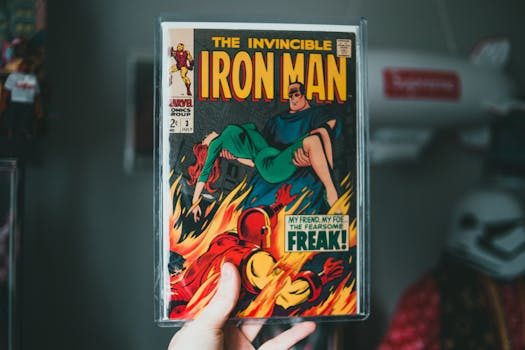
If you collect vintage items, humidity control isn’t just a nice-to-have â it’s the difference between preserving your collection for decades and watching it slowly deteriorate. I learned this the hard way after discovering mold spots on a stack of 1960s comic books I’d stored in what I thought was a dry basement. That’s when I started taking humidity control storage collectibles seriously.
Here’s the practical science: most vintage materials thrive in a relative humidity (RH) range of 40â50%. Paper, fabric, metal, and wood all absorb moisture differently, but they share a common vulnerability when that balance tips. High humidity above 60% encourages mold growth, rust, and warping. Comics get wavy and brittle. Vinyl records can warp permanently. Metal toys develop rust that no amount of restoration can fully fix. Low humidity below 30% causes paper to become brittle and crack, and glue joints in vintage furniture to fail.
The damage is cumulative. A few weeks in the wrong environment might not show, but six months in a damp basement will leave permanent marks. Proper humidity control storage for collectibles prevents irreversible damage before it starts. Once paper fibers break down from moisture cycling, there’s no saving them. Once rust pits metal, that’s it.
Common Mistakes Collectors Make with Storage Humidity
Over the years, I’ve seen collectors repeat the same errors. Here are the most common ones and why they fail:
Storing in basements or attics without sealing. Basements collect groundwater moisture. Attics bake in summer heat, creating massive humidity swings. Even with a dehumidifier running, these spaces are hard to control long-term. The temperature fluctuations alone can cause condensation inside storage containers.
Ignoring temperature fluctuations. Humidity and temperature are linked. Warm air holds more moisture. When temperatures drop, that moisture condenses inside boxes and against walls. Many collectors focus only on humidity readings while ignoring that a 10-degree temperature swing can spike RH 15% in an hour.
Relying solely on silica gel packs. Those little desiccant packets work in sealed spaces like shoeboxes, but they have a limited capacity. Once saturated, they stop absorbing and can even release moisture back. Travelers who need to protect items on the go may want to look into larger desiccant packs designed for extended use. In a large container, you’d need dozens of them to keep RH stable for more than a few days.
Placing collectibles directly against exterior walls. Exterior walls are colder than interior walls, especially in winter. This creates a microclimate where condensation forms on the back of books, frames, and boxes. It’s a subtle trap that damages items near the wall while the rest of the room feels fine.
These mistakes are fixable with proper planning, but they highlight why you can’t just throw collectibles in any storage space and hope for the best.
DIY Humidity Control: Simple Solutions for Small Collections
If you’re just starting out with a small collection, you don’t need a commercial storage unit. A few targeted investments can keep your items safe at home.
Start with airtight containers. Sterilite and Iris make affordable plastic bins with gasketed lids that seal out most ambient moisture. Inside, place desiccant packs designed for your target RH range. Boveda packs are popular because they both absorb and release moisture to maintain a set level â 49% works well for most paper collectibles. If you’re a beginner, a humidity control pack for collectibles can simplify the process. Eva-Dry offers reusable silica canisters that you dry out in the microwave when they’re saturated.
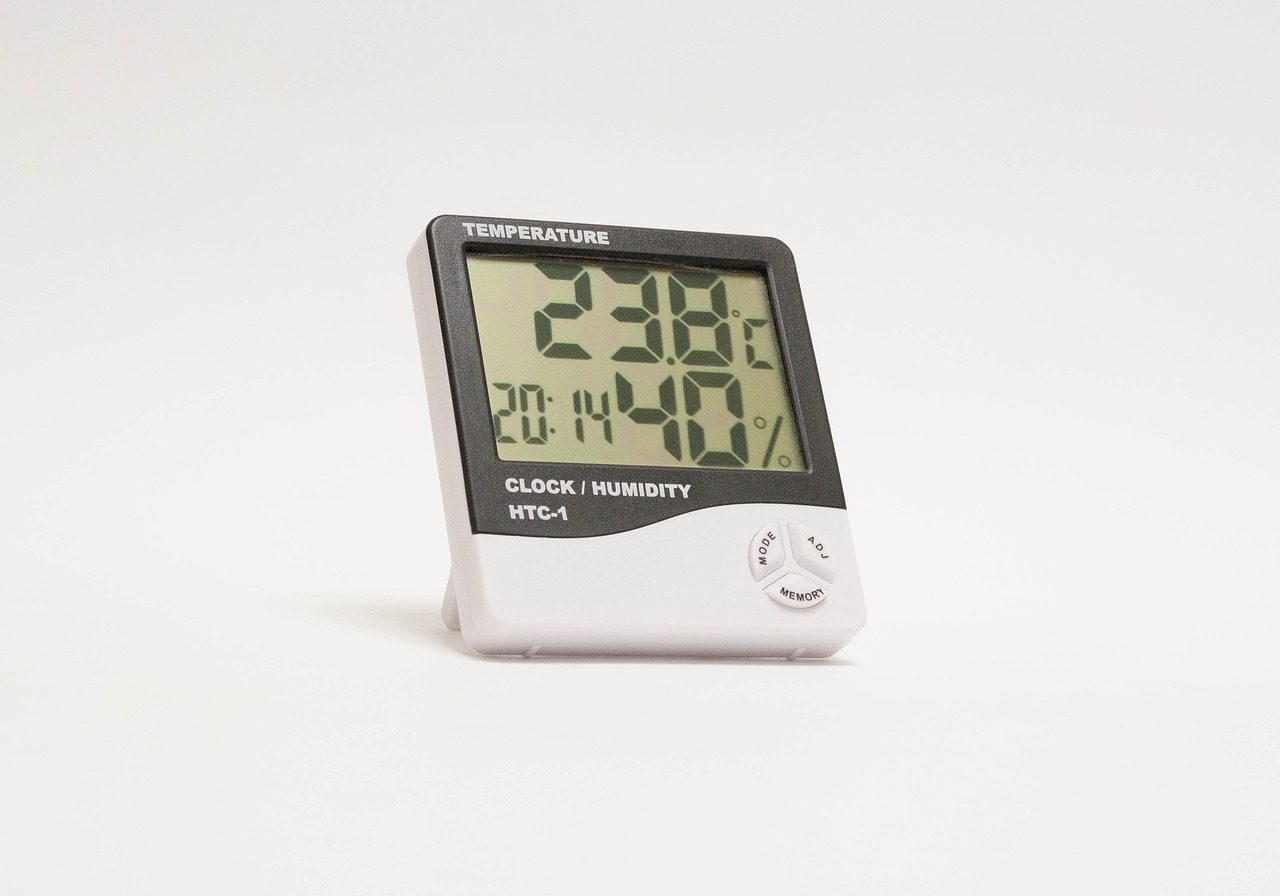
A hygrometer is essential. You can’t manage what you can’t measure. Cheap analog hygrometers are unreliable. Spend $15â20 on a digital model like the ThermoPro TP50. Place it inside your storage container or display case and check it weekly.
One trick I use: silica gel packs can be recharged in the oven at 200°F for two hours. Line them up on a baking sheet and let them cool in a sealed bag. This stretches your budget and keeps desiccants working.
These DIY solutions work well for collections up to a few boxes or a single bookcase. They’re stopgap measures, though. For valuable or extensive collections, you’ll want something more consistent.
Dedicated Humidity Controlled Storage Units: What to Look For
When your collection grows beyond what airtight bins can handle, dedicated humidity controlled storage units become practical. These come in several forms, each with tradeoffs.
Wine coolers are tempting because they’re affordable and maintain stable conditions. But they’re designed for 50â70% RH, which is too high for paper or metal. Stick with units that let you adjust RH independently of temperature. The Whynter CHC-251B is a common choice because it has both cooling and heating, plus a separate humidity control mode. Best for smaller collections like vintage records or cameras.
Safe cabinets designed for firearms or documents often include dehumidification rods or passive silica trays. These are good for valuable paper items because they maintain a dry, stable environment. The Lockdown brand makes several sizes. They’re heavier and pricier than wine coolers but more secure.
Custom-built solutions are for serious collectors. I’ve seen people convert spare closets into climate-controlled rooms with insulated walls, vapor barriers, and standalone dehumidifiers connected to drain lines. The investment is significant â several thousand dollars â but the payoff is total control. If your collection is insured for six figures, this is the path.
When evaluating any dedicated unit, look for: adjustable RH range (ideally 35â55%), temperature compensation so humidity stays stable across seasons, and enough capacity for your current collection plus room to grow. Energy use matters too. Running a dehumidifier 24/7 adds up on your electric bill.
Cabinets, Cases, and Shelving: Integrating Humidity Control at Home
You don’t have to hide your collection in a basement. With the right setup, display cabinets and bookshelves can maintain stable humidity without ruining your home’s aesthetic.
The key is to seal the display area. Glass-fronted cabinets with weatherstripping create a contained environment that’s easier to control than an open bookshelf. You can find affordable IKEA Detolf cases and add rubber seals around the doors. For larger setups, custom cabinet makers can build display cases with integrated climate control.
Inside your cabinet, place a small dehumidifier. The Eva-Dry Edv-1100 is small enough to fit on a shelf and works for cabinets up to a few cubic feet. For larger cases, the Ivation 30-Pint dehumidifier connects to a drain hose so you don’t have to empty a reservoir. If you need a more compact option, a mini dehumidifier for display cabinets can be tucked away easily.
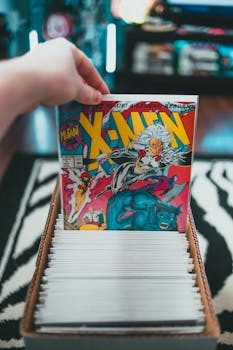
Reusable silica canisters work well inside display cases because they’re invisible. Tuck a few behind books or under display stands. Monitor with a small hygrometer placed at eye level. I keep one on each shelf so I can spot microclimates forming.
This approach works best for collections you want to see daily â vintage action figures, first edition books, or display-worthy records. It keeps the collection accessible while protecting it from ambient humidity.
Professional Storage Facilities: When and How to Use Them
At some point, your collection may outgrow your home. Or you might live in an area with extreme climate swings â the Gulf Coast’s summer humidity or the Mountain West’s bone-dry winters. That’s when professional storage facilities become worth considering.
But not all storage units are equal. A standard unit has no climate control. Ask about RH monitoring, temperature logs, and backup systems. The facility should be able to show you documentation that they maintain 40â50% RH year-round. If they can’t or won’t, walk away.
I’ve heard from collectors who stored their collections in climate-controlled units without verifying the conditions. One found mold on vintage posters because the facility’s HVAC failed for a weekend. The damage happened fast. Always inspect the unit yourself before moving items in, and visit quarterly to check conditions.
A practical rule: if your collection exceeds 10 storage boxes, consider a dedicated unit. By that point, the cost of a professional unit â typically $75â150/month for climate-controlled â is cheaper than replacing damaged items.
For long-term storage, avoid facilities near flood zones or with poor ventilation in the hallways. Look for interior units on the second floor or higher to avoid groundwater issues. And get insurance that specifically covers collectibles. Standard renters or homeowners policies often have limits for vintage items.
Product Comparison: Top Humidity Control Storage Solutions for Collectibles
Here’s a practical comparison of solutions at different price points, based on what works for specific types of collections.
Sterilite 66-Quart WeatherPro Storage Tote + Boveda 49% Packs ($30â40)
This is the budget entry point. The gasketed lid seals well enough for seasonal humidity swings. Boveda packs maintain a set RH for 2â4 months depending on conditions. Best for small paper collections â comics, letters, posters. Tradeoff: temperature fluctuations still occur. Not suitable for valuable items requiring absolute stability.
Whynter CHC-251B Wine Cooler ($299â350)
Mid-range but effective. Dual temperature and humidity control. Can hold about 25 bottles or several dozen vinyl records. Best for vintage records, camera gear, and small statues. Tradeoff: humidity control is decent but not archival-grade. The cooling compressor adds noise.
Lockdown Humidor Cabinet ($1,200â2,000)
High-end purpose-built for humidity-sensitive items. Steel construction with foam insulation and active dehumidification. Can maintain 40â50% RH with ±2% accuracy. Best for valuable paper collectibles, art prints, and firearms. Tradeoff: heavy and expensive. Requires professional placement.
Custom Walk-In Closet Conversion ($3,000â8,000)
Ultimate solution. Vapor barrier walls, insulated door, standalone dehumidifier with drain, and shelving optimized for your collection. Best for large collections of mixed materials â books, toys, textiles, art. Tradeoff: significant upfront cost and permanent home modification.
If you’re unsure, start with the Sterilite+Boveda setup for one box of items. See how stable it stays over a year. Then decide if you need to scale up.
Seasonal Considerations: Adjusting Your Storage Strategy
Humidity control isn’t set-and-forget. Seasons change, and your storage needs to adapt.
In summer, outdoor humidity spikes. Even in an air-conditioned home, basements and garages become moisture traps. Increase desiccant capacity during JulyâSeptember. Check hygrometers weekly. If you see RH climbing above 55%, add more Boveda packs or run a small dehumidifier.
In winter, heating strips moisture from the air. RH can drop below 30% in heated rooms. This dries out paper, leather, and wood, causing cracking and brittleness. For winter, you may need to reintroduce moisture with a humidifier. A small room humidifier placed near your storage area can bring RH back to 40%. Just monitor closely so you don’t overshoot.
Spring and fall are transition periods. Recalibrate your hygrometers â they drift over time. Inspect containers for condensation. If you see water droplets inside a bin, something is wrong with your seal or your desiccant is exhausted.
The key is consistent attention. Your humidity control storage for collectibles needs year-round vigilance, not just a one-time setup.
Why Location Matters: Placement Tips for Maximum Protection
Where you place your storage affects its effectiveness more than people realize.
Avoid exterior walls. They’re colder and more prone to moisture migration. Interior walls maintain more consistent temperature and humidity.
Keep items away from direct sunlight. Ultraviolet radiation degrades paper, fabric, and plastic. Even indirect light can fade covers and dust jackets over years.
Stay away from HVAC vents. Forced air creates microclimates where humidity spikes when the system runs. If you must place a cabinet near a vent, redirect airflow away with a deflector.
Second-floor rooms are generally best. They’re above groundwater, have more stable temperatures, and avoid basement moisture. If you must use a basement, seal the walls with vapor barrier paint and run a dedicated dehumidifier year-round.
These placement principles are simple but easy to ignore. I’ve seen collectors destroy valuable items by storing them in a basement corner near an exterior wall and a water source. Don’t be that person.
Curated Recommendations: Our Picks for Humidity Control Storage Gear
After testing dozens of products across multiple collections, here’s what we consistently recommend. These are items we use personally and trust for preserving vintage collectibles.
ThermoPro TP50 Hygrometer ($15)
Accurate digital readout with min/max memory. Small footprint. Place one in every container or display case. Battery lasts over a year.
Boveda 49% Humidity Packs ($25 for 10)
Two-way humidity control â they absorb and release. Perfect for sealed bins with paper items. Last 2â4 months depending on conditions.
Eva-Dry Edv-1100 Mini Dehumidifier ($40)
Rechargeable silica-based unit. Works in cabinets and small closets. No batteries needed. Run it overnight when humidity climbs.
Sterilite 66-Quart WeatherPro Gasket Bin ($20â25)
Best budget storage bin. Gasket seal holds up well. Stackable. Pair with Boveda packs for a solid entry-level system.
Ivation 30-Pint Dehumidifier ($180)
For larger rooms. Connects to a drain hose so you don’t empty the bucket. Maintains 40â50% RH in spaces up to 500 square feet.
Whynter CHC-251B Wine Cooler ($299)
Best mid-range option for smaller collections. Dual zone for temperature and humidity control. Quiet enough for living spaces.
These aren’t affiliate grabs â they’re tools we’ve used across projects. If you’re serious about protecting your collection, start with a hygrometer and some Boveda packs. See what your current environment looks like. Then decide what you need.
If you want a deeper dive into custom storage setups or need help designing a solution for a specific collection type, contact us for guidance. We work with collectors to find the right balance of protection and accessibility for their specific items.