Introduction
If youâre serious about your collection, learning how to store vinyl records safely is one of the most important investments you can make. Whether you have a hundred records or ten thousand, gravity, heat, and poor handling will find every mistake. This guide covers practical, experience-tested methods for vertical storage that prevent warping, ring wear, and sleeve damage. No fluff, no hypeâjust what works.

Why Vertical Storage Is the Gold Standard for Vinyl
The logic is simple physics. When a vinyl record sits vertically, its weight is distributed evenly along the edge and across the spindle hole. The groovesâthe delicate part holding the musicâexperience minimal pressure. Store records horizontally, and the weight of the pile presses down directly onto the grooves of the bottom records. Over time, this causes permanent indentations, distorted playback, and irreversible warping.
Thereâs also airflow to consider. Vertical stacking allows air to circulate around each jacket, reducing the risk of musty smells and mold, especially in humid climates. Gravity is always working against you, but vertical storage puts it on your side. The only non-negotiable rule is that records should not lean excessively. A slight tilt over a few inches is fine, but a stack leaning more than 10â15 degrees puts uneven pressure on the sleeve and the vinyl inside. Keep your records as upright as possible, and youâll double their lifespan.
Choosing the Right Shelving Unit for Vertical Record Storage
Not all shelves are built for records. The most important factors are weight capacity, depth, and material. Hereâs a breakdown of the main options and what theyâre best for.
Dedicated Record Cubes (e.g., IKEA Kallax)
These are the industry standard for a reason. Each cube is roughly 13.5 inches square, deep enough to fit most album jackets without overhang. The weight capacity is excellent when the unit is assembled correctly. Best for collectors who want a proven, affordable solution. The cubic design also allows you to fill each compartment to about 70% capacity, naturally preventing leaning. For a wide selection of similar units, you can explore options for record storage cube shelves.
Modular Shelves
If you have a growing collection, modular systems let you add compartments as needed. Look for units with solid vertical dividers made of solid wood or thick MDF. Avoid shelves with flimsy particleboard backings that canât support the weight. Best for scalability and customization, though typically more expensive per cubic foot.
Custom Built-Ins
Built-in shelving can look incredible, but you must communicate specific dimensions to your carpenter. The standard depth for record storage is 12 to 13 inches. Anything deeper creates wasted space; anything shallower means jackets will stick out and get damaged. Insist on solid wood shelving or heavy-duty plywoodâstandard particleboard shelves will sag over time under the weight. Best for high-end aesthetics and permanent installations.
For most collectors, the dedicated cube shelf is the sweet spot between cost, capacity, and longevity. Itâs also the easiest to move and reconfigure as your collection grows.
Inner Sleeves: Polyethylene vs Polylined Paper vs Rice Paper
Your original inner sleeve might look fine, but itâs probably doing more harm than good. The material matters immensely for long-term safety.
Polyethylene (Clear Plastic)
These are the most common aftermarket sleeves. Theyâre clear, anti-static (if specified), and let you see the record without removing it. The trade-off is that they offer little scratching protectionâif you slide a record into a polyethylene sleeve carelessly, the plastic can trap dust and create micro-scratches. Best for records that are frequently played and already have some wear. Theyâre also inexpensive, making them great for bulk purchases.
Polylined Paper
These sleeves combine a paper backing with a thin plastic lining. They protect against scratches better than pure polyethylene because the paper layer absorbs some impact. However, the paper can degrade over decades, especially in humid environments. They also tend to leave paper dust residue on the record. Best for everyday listening collections where you want a balance of protection and low cost. Avoid them for high-value archival pieces.
Rice Paper (Archival Quality)
This is the gold standard. Rice paper inner sleeves are made from natural fibers that are non-abrasive and acid-free. They provide the highest protection against scratches, dust, and static. Theyâre also very thin, so they donât add bulk to the jacket. The downside is the priceâthey cost two to three times more per sleeve than polyethylene. Best for valuable records, first pressings, and anything you plan to keep for decades without deterioration. If you have the budget, use rice paper for everything. Itâs the single best upgrade to store vinyl records safely. Many collectors search for rice paper inner sleeves for vinyl to protect their most prized records.
Outer Sleeves: When and Why to Use Them
Outer sleeves protect the cover itself. Over time, shelf friction, handling, and other records rubbing against the jacket cause ring wear, scuffs, and faded corners. Outer poly sleeves act as a sacrificial layer. They come in different thicknesses, typically 2 mil (thin) and 3 mil (thick). For shelves where records are frequently pulled out and replaced, 3 mil sleeves are worth the extra cost. Resealable sleeves offer better dust protection but take slightly longer to open and close. Non-resealable sleeves are faster but let more dust settle over time. For display pieces or records that rarely leave the shelf, a simple 2 mil sleeve is sufficient. For high-traffic records, invest in 3 mil resealable ones. Itâs a small price to keep your covers looking new.
Weight Distribution and the 70/30 Rule
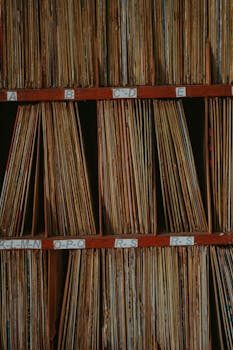
Hereâs a rule that will save you a lot of warped records: fill each shelf compartment 70 to 80% full. When a shelf is too empty, records start leaning. That excessive lean puts continuous pressure on the jacket seams and the vinyl edge, leading to warping over time. When a shelf is too full, you have to pinch and tug to get a record out, damaging the jacket corners and potentially bending the vinyl.
The 70% fill point provides enough support from neighboring records to prevent leaning, while leaving enough room to remove any record without force. It also allows for some natural expansion as you buy more. If you find a shelf is always too empty, consolidate your collection into fewer compartments rather than leaving records scattered and leaning. This one adjustment will prevent more long-term damage than almost anything else.
Common Mistakes That Damage Records in Storage
Even experienced collectors make errors. Here are the most damaging ones and how to avoid them.
Horizontal stacking is the greatest sin. As discussed, it crushes grooves and warps the vinyl. Never stack more than a few records horizontally, and only temporarily.
Direct sunlight is another killer. Even indirect sunlight through a window will heat a record enough to cause warping over time. Keep your shelves away from windows entirely.
Extreme temperature swings are subtle but destructive. A garage or attic that goes from freezing to 100°F in a single day will slowly destroy the vinylâs molecular structure. Store records in a climate-controlled room.
Long-term storage in cardboard boxes is a common rookie mistake. Cardboard boxes trap moisture, provide no support for the jacket, and the box itself can crush the records. If you must use boxes, make sure they are archival-quality, sturdy, and only used for short-term transport.
Neglecting inner sleeves might be the most expensive oversight. A scratched record is permanently downgraded. Replace all original paper sleeves with polyethylene or rice paper.
Using cheap plastic totes for long-term storage is also risky. These totes often have ridges on the bottom that push into the jacket, creating indentations. They also trap heat. If you use totes, line them with acid-free cardboard and only store records vertically with minimal lean.
Storage Room Environment: Temperature and Humidity Guidelines
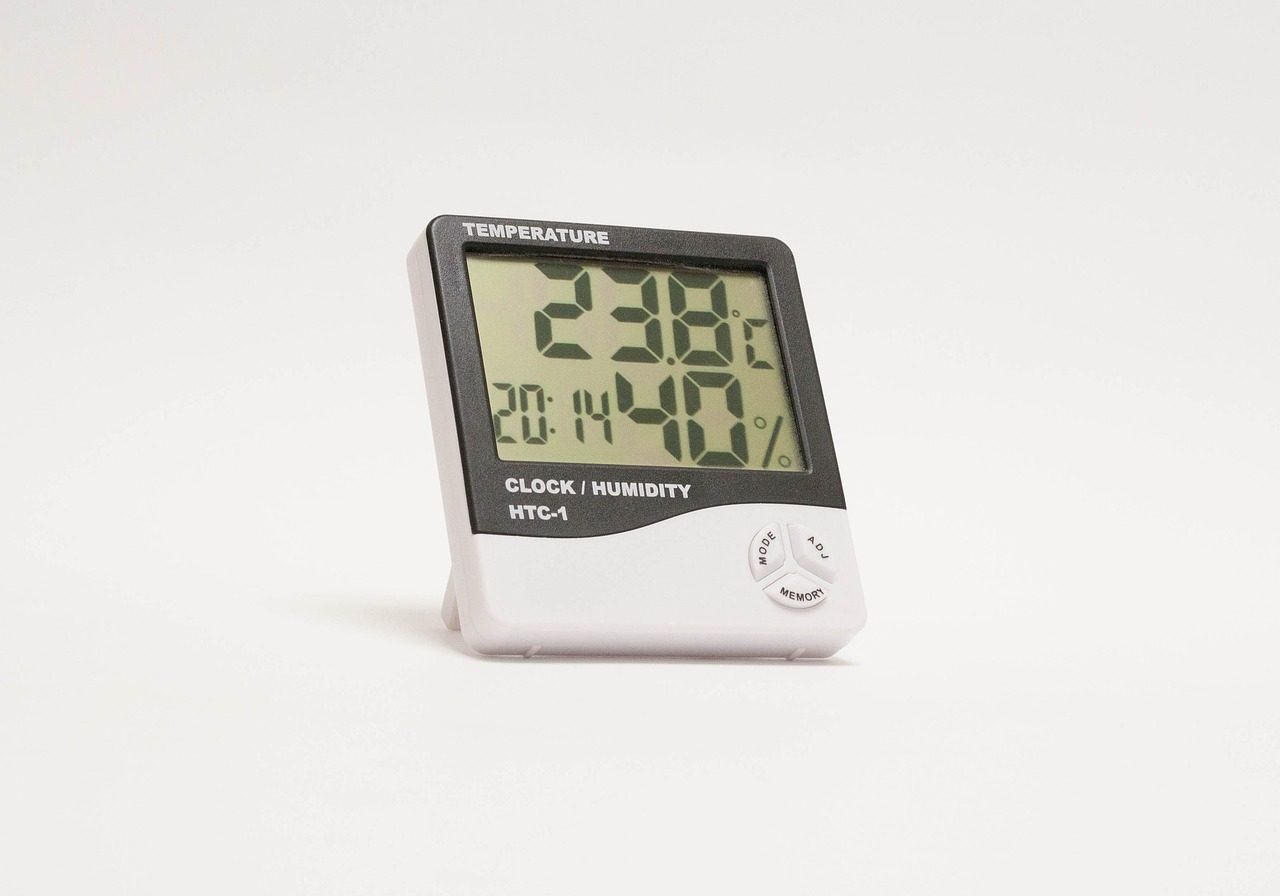
Your storage space is as important as your shelving. The ideal temperature range for vinyl is 65â70°F (18â21°C). Temperatures above 80°F soften the vinyl, making it prone to warping. Below 50°F, the vinyl becomes brittle and can crack during handling. Humidity should stay between 40% and 50%. High humidity causes paper sleeves and jackets to warp, stick together, and grow mold. Low humidity can cause static buildup, attracting dust and making records harder to handle.
Signs your environment is wrong: mold spots on jacket corners, a musty smell inside the sleeve, or records that feel sticky or greasy. If you live in a humid area, invest in a dehumidifier for the storage room. If your home is dry and dusty, a small humidifier and frequent dusting help. Avoid basements and attics unless theyâre fully climate-controlled. Your ears will thank you in a decade.
How to Organize Your Records for Easy Access and Preservation
Organization is about balancing convenience with preservation. The most common systems are by genre, alphabetically, or by label. Genre sorting works well when you want to browse a specific style quickly, but it can be inconsistent if a band crosses genres. Alphabetical by artist is the most intuitive for most collections and reduces the need to move records around when you add new ones. Sorting by label has niche appeal for collectors who focus on specific presses.
The trade-off is that any organizational system you use will get disrupted as you add records. To minimize excessive lean and jacket damage, use dividers. Simple cardboard or plastic dividers between letter changes or genre sections prevent large gaps from forming. They also make it easier to pull a record without disturbing its neighbors. If you have a large collection, dividers are worth their weight in convenience.
Affordable Storage Upgrades That Make a Big Difference
You donât need to spend a fortune to protect your records. A few low-cost upgrades can dramatically improve safety.
Corner braces for shelves are cheap and effective. If you have a modular or standard bookshelf, corner braces at the back of each compartment prevent the unit from racking (tilting sideways) under the weight of the records. A set of four braces costs less than a single new record and can prevent a catastrophic collapse.
Anti-slip shelf liners stop records from sliding forward when you pull one out. A roll of rubberized liner is inexpensive and keeps the stack stable, reducing jacket wear.
Record dividers are essential for any collection over 200 records. You can buy purpose-made dividers or use sturdy cardboard with a tab. They keep sections organized and reduce leaning.
Moisture absorbers are critical if you live in a humid climate. Silica gel packs or a small dehumidifier unit in the room cost very little and prevent mold and jacket damage over years of storage.
If you want to spend a bit more, consider a record brush and anti-static gun for handling records. But for storage improvements, start with the basics above.
Final Checklist: Five Steps to Store Vinyl Records Safely
- Choose a solid shelf designed for records, with proper depth and weight capacity.
- Use proper inner sleevesâpolyethylene for everyday, rice paper for valuable records.
- Maintain 70% fill in each compartment to prevent leaning and over-cramming.
- Control the environmentâkeep temperature 65â70°F and humidity 40â50%.
- Avoid leaning and horizontal stacking at all costs.
Follow these five steps and your collection will outlast you.
Frequently Asked Questions About Vertical Vinyl Storage
Can I use a standard bookshelf?
Yes, but only if itâs deep enough (at least 12 inches for most jackets) and made of solid material. Most standard bookshelves are too shallow (10â11 inches) for albums to sit flush, causing them to stick out and get damaged.
Do I need to remove shrink wrap?
Yes. Shrink wrap shrinks over time, putting pressure on the jacket and causing warping. Remove it immediately when you get a new record.
How many records per cube for a 13-inch shelf?
At 70% fill, about 60â75 single LPs per cube, depending on jacket thickness. Fill less for double albums or thick gatefolds.
Should I store records in original packaging?
The original packaging (cardboard boxes or plastic sleeves from the manufacturer) often doesnât provide adequate protection. Replace inner sleeves immediately. Keep the original box only if youâre storing a complete box set, and still use quality inner sleeves for the records.
How do I fix already-warped records?
Mild warps can sometimes be flattened by placing the record between two heavy books for a few weeks, but this is risky and often damages grooves. For valuable records, consult a professional. Prevention is the only reliable solution.