Introduction
If youâve got a prized sports jersey hanging in your closet or, worse, pinned to the wall with thumbtacks, you already know it deserves better. A jersey isnât just a piece of clothing. Itâs a piece of history, a memory from a game you attended, or a signed gem from a player youâve followed for years. But displaying it properly takes more than a standard picture frame. Thatâs where sports jersey display cases come in. This article is for collectors and fans who are ready to upgrade from a basic frame. Weâll cover the different types of cases, key features to look for, sizing mistakes you donât want to make, and why UV protection matters more than you might think. Whether youâre preserving a jerseyâs value or just want it to look sharp on the wall, getting the right case makes all the difference.
Why a Standard Frame Isnât Enough for a Jersey
You might consider grabbing a deep poster frame from the local craft store. Donât. Standard frames are designed for flat items like photos, prints, and certificates. A jersey is three-dimensional. It has bulk from stitching, thickness from fabric, and weight from patches or embroidered lettering. When you try to squeeze a jersey into a shallow frame, you get problems. The fabric sags. The sleeves bunch up. The glass presses against the jersey, flattening details and causing creases. Over time, that pressure can damage stitching or crack the glass if the jersey shifts. You also lose the ability to properly mount the jerseyâpins stick too far out, or Velcro doesnât lay flat. Dedicated sports jersey display cases account for all of this. They offer extra depth (usually 2 inches or more), better mounting options, and sturdier construction. They keep the jersey in its natural shape without unnecessary wear. If youâre serious about preserving the jerseyâs appearance and value, skip the standard frames entirely. A proper case is the only way to go.
Shadow Box vs. Floating Frame vs. Museum Case: Whatâs the Difference?
Not all display cases are built the same. Youâll see three main styles: shadow boxes, floating frames, and museum cases. Understanding the differences helps you pick the right one for your space and jersey type.
Shadow boxes are the most common option. They have a deep wooden or composite frame with a front glass or acrylic panel. You can mount the jersey directly to the backing board inside. Shadow boxes typically run 2 to 3 inches deep, which is plenty for most jerseys. They look traditional and work well in a home office, man cave, or living room. The downside is that the frame can be bulky, and some lower-end models use cheap backing boards that arenât archival-safe.
Floating frames are sleeker. The jersey appears to hover inside the case with a small gap between the jersey and the frame edges. This style tends to be more modern and minimalist. Floating frames usually have thinner profiles and sometimes use acrylic instead of glass. They work well for jerseys that are already flat or lightly padded. The tradeoff is that they often have less depth, so bulkier jerseys with heavy patches or thick fabric might not fit without pressing against the front panel.
Museum cases are the premium option. These use thicker acrylic or special UV-blocking glass and have deeper interiorsâsometimes up to 4 inches. The construction is more robust, and the materials are chosen for long-term preservation. Museum cases are ideal for high-value autographed jerseys or rare game-worn gear. Theyâre heavier and more expensive, but if youâre protecting a jersey worth hundreds or thousands, the investment makes sense.
Your choice depends on your jersey, your wall space, and your budget. For a single signed jersey on a home office wall, a shadow box is fine. For a modern display in a casual space, a floating frame works. For serious collector pieces, go for a museum case.
Key Features to Look for in a Sports Jersey Display Case
When you start shopping, keep an eye on these features. They separate a decent case from one that will damage your jersey over time.
- UV protection: Look for UV-coated acrylic or glass. Without it, sunlight and even indoor artificial light will fade your jersey. Weâll cover this more later, but itâs non-negotiable for long-term displays.
- Acid-free backing: The board your jersey sits on should be acid-free. Backing boards made from regular cardboard or foam core can leach acids that yellow and weaken fabric. Museum-quality backing is a must for anything you care about.
- Depth: Standard jerseys need at least 2 inches of interior depth. Hockey jerseys and thick mesh football jerseys may need 3 inches or more. Always check the interior measurements, not the overall frame size.
- Hanging hardware: Look for cases with heavy-duty hanging brackets or a sawtooth hanger (for lighter cases). Many cheap frames use a simple wire that canât handle the weight of a jersey. If the case feels flimsy, it probably is.
- Easy loading: Some cases have a removable front panel, others open from the back. Back-loading cases are easier to mount the jersey without grappling with the glass. Front-loading cases can be fine, but they require more care during setup.
Avoid cases that feel lightweight or have painted cardboard backing. They arenât meant for long-term display.
Sizing Mistakes That Ruin a Jersey Display (and How to Avoid Them)
Getting the wrong size is the most common mistake I see. People buy a case thatâs too short for the sleeves or too narrow for the shoulders. The result is a jersey that looks cramped or has sleeves folded awkwardly.
Hereâs a simple method. Lay your jersey flat and measure the width from fingertip to fingertip across the sleeves, the height from the bottom hem to the top of the shoulders, and the depth of the thickest part (usually where the number or logo is). Add at least 2 inches to both width and height. That gives you a minimum interior dimension for the case.
For example, a standard adult basketball jersey measures roughly 28 inches wide by 32 inches tall. Youâd want a case with interior dimensions of at least 30 by 34 inches. If youâre displaying a jersey with folded pants or a nameplate, account for that vertical space.
Donât guess just from the jersey size tag. Tags vary wildly by brand and era. Always lay the jersey flat and measure yourself. Also, check the caseâs interior depth. A jersey thatâs too thick for the case will distort the glass or acrylic over time.
One more thing: check the caseâs interior dimensions, not the frameâs outer dimensions. Manufacturers often advertise the outer size, making the case seem bigger than it is. Look for the âinterior viewing areaâ in the product details.
UV Protection: Why It Matters More Than You Think
UV light is a silent killer for sports memorabilia. Over time, ultraviolet rays break down fabric dyes, cause stitching to weaken, and yellow the fabric itself. The damage creeps in slowly, but after a year or two, a jersey displayed near a window will look washed out and tired.
There are two main types of UV protection: coated glass and coated acrylic. Coated glass is heavier but clearer. Coated acrylic is lighter and more impact-resistant, but it can scratch easier. Both block 99% of UV rays or more. Museum-grade options go beyond that, with special laminates that block almost all UV light.
Even with UV-protected cases, avoid placing the display in direct sunlight. UV protection reduces damage, but it doesnât eliminate it entirely. A case on a wall with bright indirect light is fine. A case on a south-facing wall with direct afternoon sun is asking for trouble.
If youâre buying a case specifically for an autographed jersey, UV protection isnât optional. Autographs are especially vulnerable to fading. You want the best protection you can get, even if it costs a bit more. For those who need to check options, UV protective acrylic panels are a good place to start.
Best Materials for the Frame and Backing Board
The frame material affects both appearance and durability. Wood frames are classic and warm. They work well in traditional rooms and can be painted or stained to match decor. The downside is that wood can warp slightly with humidity changes. Look for kiln-dried hardwood or engineered wood that resists movement.
Aluminum frames are lighter and more modern. They donât warp and are great for larger cases because they keep weight down. They can feel less premium, but theyâre practical for floating frames or contemporary spaces.
Black composite frames are common in mid-range shadow boxes. Theyâre essentially MDF with a black finish. Theyâre fine for casual displays, but they can chip over time and the finish might fade. Theyâre a budget-friendly option that looks decent when new.
For the backing board, stick with acid-free foam core or museum-grade board. Acid-free backing prevents yellowing and chemical damage. Itâs inexpensive insurance for a jersey you care about. Some cases come with this standard, but always confirm. If the product description doesnât mention âacid-freeâ or âarchival-safe,â assume itâs not.
Iâve seen people use cheap cardboard or even plywood as backing. Donât do it. The acids will seep into the jersey over time, leaving stains that canât be removed.
Mounting Your Jersey: Pins, Velcro, or Stitching?
Mounting is where many collectors struggle. You want the jersey to stay in place, but you donât want to damage it. Hereâs how these methods stack up.
Pins: Straight pins are the most common method. Theyâre easy to adjust and reposition. But they leave small holes in the fabric. For replica jerseys or cheap jerseys, that might not matter. For authentic game-worn or autographed jerseys, those holes can reduce value. If you use pins, use stainless steel or nickel-plated pins that wonât rust. Place them in seams or hidden spots when possible. For those looking, stainless steel straight pins are worth considering.
Velcro strips: Velcro is gentler than pins but still has risks. The hook side can snag fabric, especially mesh or knit jerseys. Over time, repeated removal can create fuzz or pulls. Velcro works best if you mount the jersey loosely, pinning it in place first and using Velcro just for extra hold. Avoid pressing the hook side directly against visible areas.
Stitching: Some collectors mount jerseys by stitching them to the backing board using a needle and thread. This is more permanent. It supports the jersey evenly and doesnât leave surface damage. The tradeoff is you canât easily remove the jersey without cutting the threads. Use this for jerseys you donât plan to move often. Cotton or nylon thread works fine. Avoid polyester thread that can heat up and stain.
For most collectors, a combination works best. Use a few pins in hidden areas to position the jersey, then add small stitches for stability. Match your method to the jersey material. Replica jerseys can handle pins. Authentic jerseys deserve stitching or careful pin placement.
Where to Place Your Display Case in a Room
Location matters as much as the case itself. Donât hang your case on a wall that gets direct sunlight at any point during the day. Even with UV glass, long-term exposure accelerates fading. Pick a wall with north or east exposure, or one that gets indirect light.
Avoid areas with high humidity or temperature swings. Bathrooms, kitchens, damp basements, and uninsulated garages are bad choices. Humidity can warp the frame, fog the glass, and cause mold on the backing board. The ideal spot has stable temperature and humidity, just like where youâd store a valuable photograph.
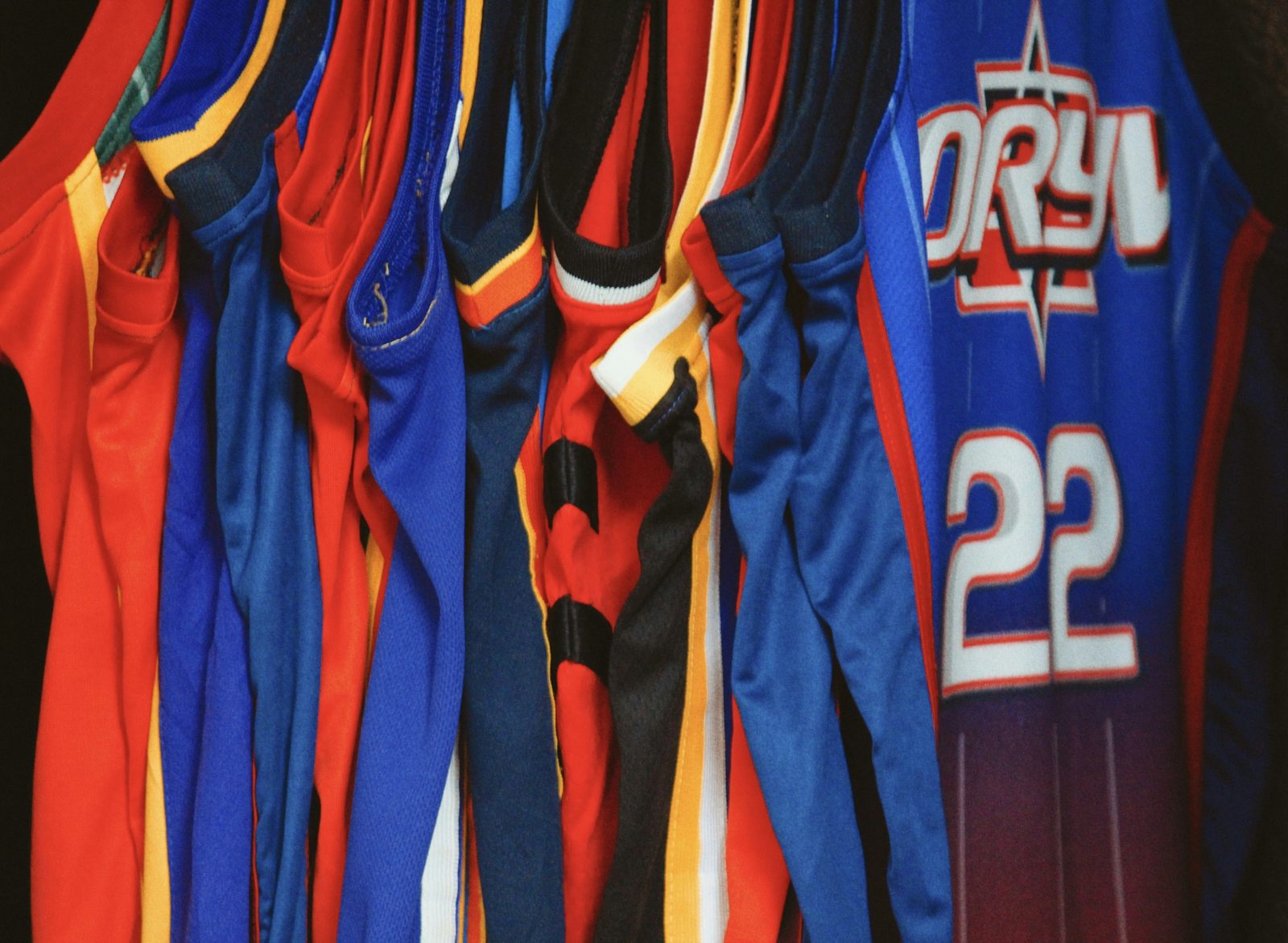
Place the case at eye level for the best visual impact. A jersey hung too high or too low loses its presence. Measure the center of the case at about 57 to 60 inches from the floor, which is standard gallery height. If youâre hanging multiple cases, keep them spaced evenly.
If you have a home theater or a game room, thatâs a great place. The low light in those rooms is actually beneficial for preservation. But even in a home theater, avoid spots directly above heating vents or radiators.
Cleaning and Maintaining Your Display Case Over Time
Once the case is up, itâs not entirely hands-off. Dust will accumulate on the glass or acrylic. Moisture can get inside. Over time, the backing board may need replacing.
To clean the front panel, use a soft microfiber cloth. For glass, a diluted vinegar solution works fine. For acrylic, use a cleaner specifically designed for plastics. Avoid ammonia-based glass cleaners on acrylicâthey cause clouding and micro-cracks. Spray the cleaner on the cloth, not directly on the case, to prevent moisture from seeping inside.
Check the case every six months for signs of moisture or dust inside. If you see fogging on the inside of the glass, the seal is compromised. Open the case, let it air out, and reseal it. If the fabric sticks to the glass, the case is too shallow.
Replace the backing board if you notice discoloration, warping, or mold. Acid-free board is inexpensive and gives you peace of mind. Also check the hanging hardware periodically. Over time, screws can loosen or hangers can bend. A fallen case is a catastrophe for the jersey and the frame.
Recommended Sports Jersey Display Cases for Different Budgets
Here are three cases that cover common needs and budgets. These are real products you can find from major retailers. Prices vary, but the quality is consistent within each category.
Budget pick: The Simple Shadow
This is a basic black shadow box with a 2-inch depth. It has a clear glass front, acid-free foam core backing, and a sawtooth hanger. Itâs fine for replica jerseys or casual displays. The glass isnât UV-coated, so keep it away from windows. At around $40, it gives you solid entry into proper jersey display without a big investment. Best for: a player jersey in a dorm room or man cave.
Mid-range pick: Pro Line Shadow Box
This case uses UV-coated acrylic, which is lighter and safer for the jersey. It has a 2.5-inch depth, which fits most standard jerseys, including NHL and NFL replicas. The backing is acid-free, and it includes heavy-duty hanging hardware. The frame is matte black composite. Expect to pay around $80 to $100. This is the sweet spot for most collectors. Best for: autographed jerseys or team jerseys you want to preserve for years.
Premium pick: Museum Grade Acrylic Case
This is a high-end case made from thick, clear acrylic with no visible frame. It offers 99% UV protection and a 3.5-inch depth for bulky jerseys. The mounting system is fully customizable, with no visible hardware. These cases are significantly heavier and cost $200 or more. They work for game-worn jerseys, rare autographed pieces, or any display where you want maximum protection and a clean, floating look. Best for: serious collectors with high-value items.
Consider your jersey and how long you want to display it. A budget case is fine for a few years. For long-term preservation, spend more on UV protection and proper materials. For those ready to compare options, sports jersey shadow box display cases are a good category to browse.
Common Questions When Buying a Jersey Display Case
Can I display an autographed jersey safely?
Yes, but you need a case with UV protection, acid-free backing, and a gentle mounting method. Avoid pins near the signature. Use small stitches or hidden pins in the seams. Keep the case out of direct light.
Can I use a case for a hockey or football jersey?
Yes, but be careful with depth. Hockey jerseys are thicker, especially ones with sewn patches. Football jerseys have wider shoulders. Measure your specific jersey and find a case with at least 3 inches of interior depth if your jersey is padded or bulky.
How do I confirm the case is deep enough?
Check the product specifications for âinterior depthâ or âinside depth.â Donât rely on the frame thickness. If the jersey touches the front panel when closed, itâs too shallow. You want at least half an inch of space between the jersey and the glass.
What if the case doesnât have UV protection?
You can still use it, but only in a room with no windows or with UV-filtering film on the windows. Itâs not ideal, and you should inspect the jersey annually for signs of fading. If you can afford a case with built-in UV protection, itâs worth it.
Final Thoughts on Choosing the Right Display Case
Getting a sports jersey display case right comes down to a few key decisions. Prioritize UV protection to prevent fading. Measure your jersey carefully to avoid sizing mistakes. Pick a mounting method that protects the fabric, especially for autographed or authentic pieces. And donât skimp on the backing boardâacid-free is non-negotiable. Once youâve got those basics, the rest is about personal taste and budget. The right case turns a jersey from a piece of clothing into a focal point of your space. Browse the options above based on what matters most to youâbudget, protection, or aestheticsâand youâll end up with a display that does justice to the jersey it holds.