Introduction
A shadow box is more than just a frameâit’s a dedicated stage for objects that deserve more than a drawer or a shelf. For collectors of coins, pins, patches, military memorabilia, or sports items, a good shadow box preserves and presents those pieces without them feeling crowded or lost. Choosing the right one for your collection can be the difference between a display you’re proud of and one that looks cluttered or causes damage over time.
This guide covers what the best shadow boxes for collectibles need, which features really matter, and how to match a box to your items without guessing. We’ll break down materials, depths, and common mistakes so you can make a choice that protects your collection and looks good doing it.
What to Look for in a Shadow Box for Collectibles
Not all shadow boxes are built the same. A few key features determine how well a box will work for your specific collectibles. Here’s what to look for:
- Depth: Single-layer boxes (1â1.5 inches) work for flat items like patches, pins, or cards. Multi-layer or deep boxes (2â3 inches) are necessary for 3D objects like medals, coins in capsules, or action figures. Measure your thickest item before buyingâthis is where most beginners go wrong.
- Size: Common sizes include 8×10, 11×14, 16×20, and 24×36 inches. An 8×10 can fit around 15â20 pins with some spacing, while a 16×20 handles larger items like a baseball cap or a framed jersey.
- Backing Material: Velvet gives a premium, soft look and works well for pins and jewelry. Foam is better for arranging objects with pins or stands, and cork allows easy pin insertion but may not look as polished. Choose based on how you plan to mount items.
- Glass vs. Acrylic Front: Glass is clearer and harder to scratch but heavy and fragile. Acrylic is lighter and shatter-resistant but scratches more easily. UV protection is a must if sunlight hits the displayâit prevents fading over years.
- Frame Material: Wood frames (often black, walnut, or oak) look classic and sturdy. Metal frames are lighter and modern but can dent. Plastic frames are cheap but feel less durable.
- Hanging Hardware: Look for sawtooth hangers or D-rings with wire. Some boxes include a stand for tabletop display. Check that the hardware is rated for the weight of a fully loaded box.
These aren’t just specsâthey determine whether your shadow box lasts or becomes a headache. Prioritize depth and UV protection first, then choose the rest based on how you want the display to feel. For collectors needing reliable mounting solutions, sturdy hanging hardware options are worth reviewing.
Best Overall Shadow Box: The DisplayPro Deep Shadow Box
For most collectors, the DisplayPro Deep Shadow Box is the best all-around option. It hits the sweet spot between quality, depth, and protection without being overly expensive.
Key specs: 2.5-inch depth, black wood frame, UV-protected acrylic front, and a velvet backing. That depth makes it versatileâit handles coins in capsules, stacked medals, pins, patches, and even smaller 3D pieces like keychains or mini figurines. The UV protection is genuine, not just a sticker claim, which matters if your display gets indirect sunlight.
The frame feels solid and the acrylic is thick enough not to bow under weight. It comes in multiple sizes from 8×10 to 24×36, though the 11×14 and 16×20 sizes are the most popular for collections.
Trade-offs: It’s heavier than a basic shadow box because of the wood frame and deep construction. Shipping can add cost if you buy from smaller retailers. It’s also pricier than economy optionsâexpect to pay around $40â$70 depending on size. But for a primary display that protects your best pieces, it’s worth the investment.
If you want a box you can trust with valuable or sentimental collectibles, this is it. Check current prices on Amazon.
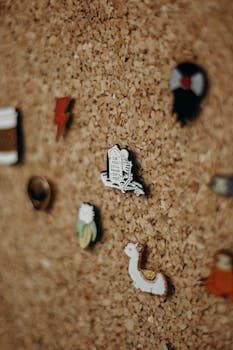
Best Budget Shadow Box for Beginners: Collect-All Economy Series
If you’re new to collecting or just need a temporary display for a small collection, the Collect-All Economy Series offers a functional solution at a lower price point. These boxes cost roughly $15â$25 and come in similar sizes to higher-end options, but there are compromises.
The frame is a lightweight composite rather than solid wood. The front is thin glassâeasier to break and doesn’t include UV protection. Depth is limited to about 1.5 inches, so most 3D items won’t fit. The backing is a basic felt that works for flat items but shows wear over time.
Comparison with DisplayPro: The DisplayPro is heavier, more durable, offers UV protection, and uses acrylic instead of glass. The Collect-All is lighter, cheaper, and fine for starter collections but won’t provide the same long-term protection. If you plan to upgrade later, the Collect-All works as a stopgap. If you want to display valuable items right away, skip the budget option.
When cheap is fine: For temporary displays, trade shows, or children’s collections that will change often, a budget shadow box does the job. Just know that upgrading later costs more if you need to rebuy.
When it’s a mistake: Avoid budget boxes for items with sentimental value, autographs, or fragile pieces. Thin glass can break easily, and lack of UV protection fades ink and fabric within a year or two in direct light.
Shadow Box Size Guide: Matching Dimensions to Your Collection
Buying the wrong size is one of the most common mistakes. Here’s a quick guide to match common shadow box sizes with typical collectibles:
| Size (inches) | Best For |
|---|---|
| 8×10 | 15â20 pins, a few patches, small coins (15â20 capsules), a single medal |
| 11×14 | 30â40 pins, a baseball cap, a small jersey, a belt buckle, 20â30 coins |
| 16×20 | 50â60 pins, a folded T-shirt, large patches, multiple medals, a small helmet |
| 24×36 | Full uniforms, large helmets, multiple large items, shadow box collages |
These numbers assume items aren’t stacked. If you plan to layer items or use foam risers, you’ll need a larger size or deeper box.
Rule of thumb for measuring: Lay your items out on a flat surface in the arrangement you want. Measure the total width and height, then add 2â3 inches for spacing around the edges. That’s your minimum interior size. Also measure the thickest item and add 0.5 inch for clearanceâthat’s your minimum depth.
Custom sizes are available from retailers like ArtToFrames or Etsy shops. Expect to pay $60â$150 for custom dimensions, but it avoids the frustration of items that don’t fit.
Deep vs. Shallow Shadow Boxes: When Depth Matters
Depth is the most underrated feature. Collectors either ignore it or guess, and both lead to issues.
Shallow shadow boxes (1â1.5 inches): These are fine for flat items. Patches, pins, trading cards, coins in flips, autographed photos, and flat medals sit well without pressing against the glass. They’re lighter and usually cheaper. But if you place something slightly thickerâlike a pin with a long butterfly clutch or a stack of coinsânothing will fit or the items get crushed.
Deep shadow boxes (2â3 inches): Necessary for 3D items. Action figures, helmets, trophies, large medals, stacked coins, or any object that stands upright need at least 2 inches. A box with 2.5-inch depth fits most average items. For very large objects (a full football helmet or a display with risers), 3 inches is safer.
Hidden downside of deep boxes: If the box is deeper than 2.5 inches and you don’t have enough lighting, shadows can make items look flat or hidden. Adding a small LED strip inside or using a well-lit wall helps. Also, deep boxes with heavy items need stronger hanging hardwareâalways check weight limits.
If you’re debating, default to deep. A shallow box limits what you can display later. A deep box handles flat items too, though the extra air gap might make flat items feel less snug.
Framed vs. Unframed Shadow Boxes: A Quick Trade-Off
You have two basic options: ready-framed shadow boxes or frame-your-own kits.
Ready-framed: These come fully assembled with a frame, backing, and glass or acrylic. The DisplayPro is a good example. Pros: instant setup, tested quality, consistent look. Cons: limited to standard sizes, higher cost per box, less flexibility for odd items.
Frame-your-own: These are essentially empty deep frames where you supply the backing and arrange items yourself. Often sold as shadow box frame kits or by custom frame shops. Pros: you can use any material as backing (cork, foam, velvet), customize the depth, and choose the size. Cons: more work, risk of cutting the wrong size, extra cost for materials.
Recommendation: For most collectors, framed boxes are the way to go. They save time and avoid alignment issues. Only go the DIY route if you have very specific sizing needs or want a unique backing material (like corkboard for pin swapping).
3 Common Mistakes When Choosing a Shadow Box for Collectibles
Even experienced collectors make these errors. Avoid them and your display will last longer.
1. Underestimating Depth
You measure a pin and it looks flat. But once you add a butterfly clutch on the back, it sticks out further. You buy a 1-inch deep box, and the glass presses on the pinâor worse, the pin scratches the glass. Solution: Measure the total thickness of your item including any mounting hardware, and add at least 0.5 inch. A 2-inch deep box covers 95% of common collectibles.
2. Ignoring UV Protection
UV fade is slow enough that you don’t notice until it’s too late. Autographs on baseballs, fabric in patches, and ink on trading cards fade in a matter of months if they get direct sunlight. Even indirect light weakens them over a couple of years. Stick with UV-coated glass or acrylicâor at least don’t hang the box on a window wall. The extra cost is small compared to losing a signed item.
3. Cheap Backing That Warps or Discolors
Bargain shadow boxes often use cardboard or thin fiberboard as backing. Over time, humidity causes warping, and the dark color bleeds into light fabrics. Velvet or foam backing avoids this, but it costs a bit more. If you see a box with a paper-thin backing, skip it. It will look bad within a year, especially if you live in a humid area.

How to Display Multiple Collectibles in One Shadow Box Layout
Displaying many items in one box takes planning. Here are practical methods that work:
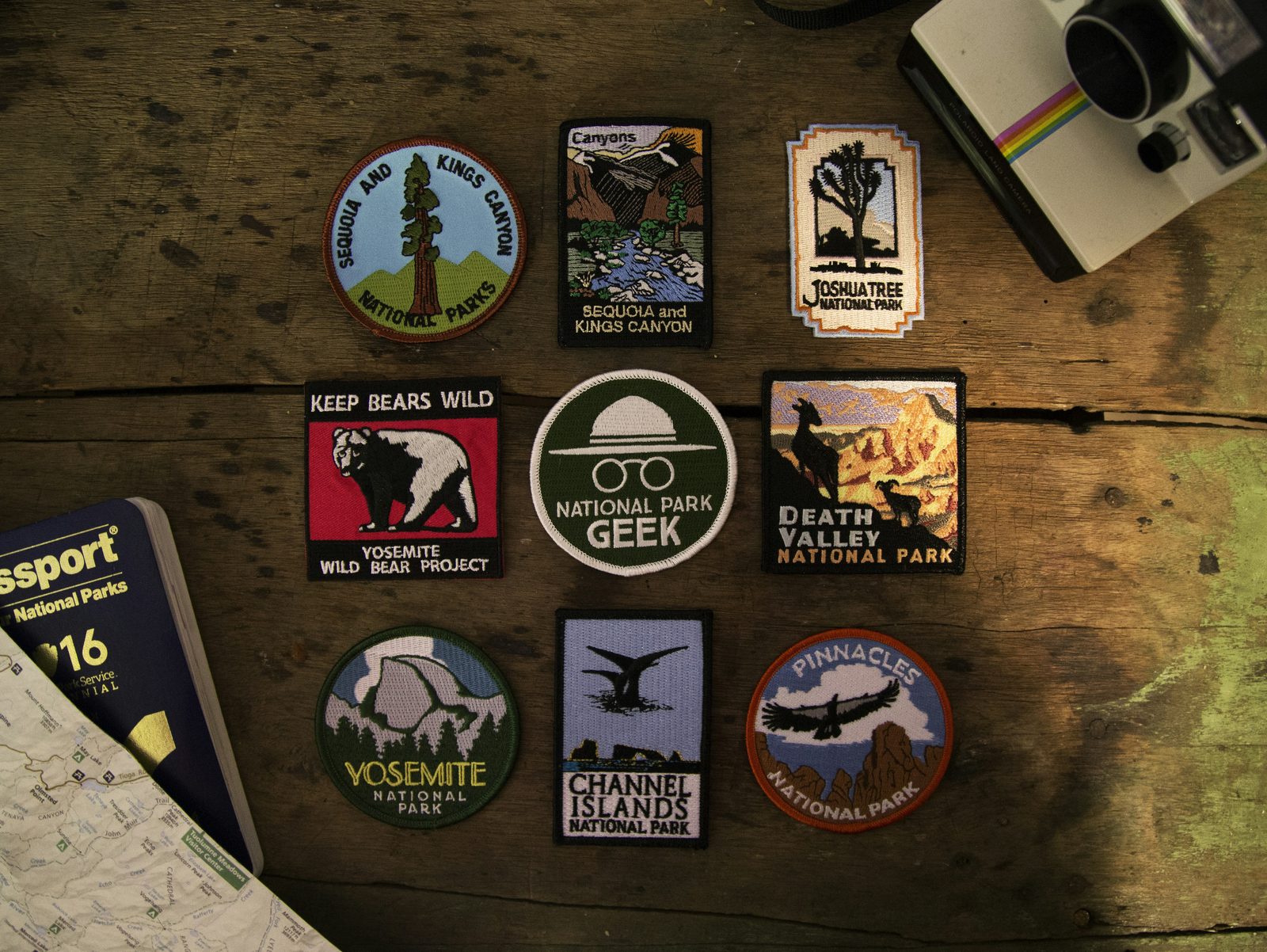
- Grid layouts for pins: Use a foam board or cork backing with a template. Place pins in neat rows, spacing them evenly. Pin spacers (small plastic discs) help maintain uniform gaps.
- Layered arrangements for coins and medals: Place larger medals in back on small risers (clear acrylic risers work), and smaller coins in front. This adds depth without the items touching.
- Foam inserts for fragile items: Trace the item shape into a foam board, cut it out, and nest the item snugly. This works for figurines, glass pieces, or electronics.
- Magnetic or repositionable strips: For items you want to rearrange often (like pins or patches), use magnetic backings or velcro strips. This avoids damage from repeated pinning.
Accessories like pin spacers, foam risers, and display stands are cheap and available in packs. Check out pin spacers and display stands on Amazon.
Shadow Box Clarity: Glass vs. Acrylic Fronts
The front material affects clarity, safety, and longevity.
Glass: Heavier but clearerâespecially if you use museum-grade glass (anti-reflective and UV-protected). It’s also harder to scratch. Downside: fragile. A drop can shatter it, which is dangerous if the box is hung high or near kids. Glass also is a little more difficult to clean because fingerprints show easily.
Acrylic (sometimes called plexiglass): Lighter, shatter-resistant, and easier to ship. It’s safer for high-traffic areas or if you move your display often. Downside: scratches faster than glass. Even microfiber cloths can leave fine scratches over years. Acrylic also can yellow slightly over time, though good quality acrylic resists this better than cheap versions.
Anti-reflective coatings: A premium upgrade that reduces glare significantly. Worth it for rooms with bright overhead lights or windows. Glass with anti-reflective coating is the gold standard, but acrylic versions exist too. Expect to pay $20â$40 more for coated options.
Recommendation: For permanent displays where you rarely touch the front, use glass with UV protection. For shipping, kid-filled rooms, or rotating collections, use acrylic. Both work wellâjust choose based on your environment.
Where to Buy Custom Shadow Boxes for Unique Collectibles
Standard sizes work for most, but sometimes you need something differentâmaybe a long, narrow box for a group of coins, or a deep box for a trophy.
Online retailers:
- Amazon: Huge selection with Prime shipping. Search by dimensions, depth, and material. Downside: hard to verify quality from images alone. Read reviews and look for ones with real customer photos.
- Etsy: Great for custom sizes and handmade frames. Many sellers will build to your exact dimensions. Expect longer lead times (1â2 weeks). Price: $40â$150 depending on size.
- ArtToFrames: Specializes in custom frames and shadow boxes. You can choose frame material, depth, and glass type. Good for orders where size matters.
Local frame shops: Best for high-end displays or very unique items. They can match existing decor and use archival materials. Price: $80â$200+ for custom work. Worth it for family heirlooms.
Before you buy: Measure the interior space, not the outer frame. Check return policiesâmany custom items aren’t returnable. If buying online, measure twice and order once. A poorly sized box wastes money and time.
Final Recommendations: Picking the Right Shadow Box for Your Collection
To wrap it up, here’s how to choose based on your situation:
- New collector with a small, flat collection (pins, patches, coins): A budget shadow box like the Collect-All works to get started. Just don’t expect it to last forever.
- Serious collector with mixed or 3D items (medals, helmets, autographs): Go with the DisplayPro Deep Shadow Box. The UV protection, solid frame, and depth make it a long-term investment.
- Multi-item collections or large pieces (uniforms, helmets, large pin sets): Choose a larger size (16×20 or 24×36) with at least 2.5-inch depth. Plan your layout using foam risers or grid templates before mounting.
The right shadow box for collectibles protects your items, shows them off, and lasts for years. It’s worth picking one that fits your collectionânot just any box off a shelf.
Browse top-rated shadow boxes for collectibles on Amazon now.