Introduction
If you collect anythingâcomics, trading cards, coins, autographed memorabilia, or action figuresâyou eventually realize how fragile that collection really is. It only takes one house fire, one burst water pipe, or one unlucky afternoon to turn years of hunting, trading, and budgeting into a pile of ashes or a soggy mess. That is where fireproof safes for collectibles come in. But here is the problem: not all fireproof safes are built to protect the things you actually care about. A basic document safe might keep your passport legible, but it will destroy a graded comic book or a stack of vintage baseball cards. This article walks through exactly what to look for, which models actually deliver, and what mistakes to avoid so your collection stays protected for the long haul.
Why a Standard Fireproof Safe Isn’t Enough for Collectibles
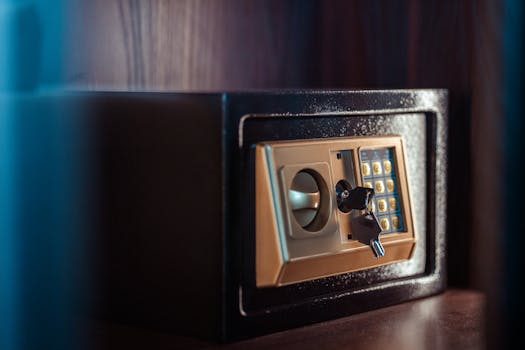
Most people assume a fireproof safe is a fireproof safe. They grab one at the big box store, lock up their valuables, and feel good about it. But collectiblesâpaper, cardboard, acrylic slabs, and coin capsulesâare far more sensitive than a stack of documents. The number one hidden killer is humidity. Even if the fire never reaches your safe, the heat from the surrounding fire can drive the internal temperature and moisture levels up sharply. Paper, photographs, and trading cards are hygroscopic. They absorb moisture from the air. If the safe interior gets hot and humid, those comics will warp, those cards will curl, and those photos will stick together.
Standard document safes often have a fire rating that targets 350°F internal temperature. But collectibles start degrading well before that. Grading slabs can fog up. Comic pages can become brittle. Coins can tone or spot from trapped moisture. This is why a media or data safeâdesigned to keep internal temperatures and humidity lowerâis usually a better choice for serious collectors. Some purpose-built safes also include gaskets or ventilation ports that help regulate the interior environment. Do not skip this distinction. If you are storing graded slabs, mint-condition cards, or vintage currency, go with a safe rated for media protection. It will buy you more time and better conditions.
Understanding Fire Ratings: What the Numbers Actually Mean
Fire ratings can feel like marketing jargon. But once you know what the numbers stand for, you can spot a good safe from a weak one in seconds. The most important rating systems are UL (Underwriters Laboratories) and ETL (Intertek). Both test fire endurance, explosion hazard, and impact resistance.
- UL 350 (Class 350): This is the standard for paper. The safe must keep the interior below 350°F during a fire. Good for birth certificates, deeds, and insurance policies. Not ideal for collectibles.
- UL 175 (Class 125): Tougher standard. The interior must stay below 125°F. This is what you want for magnetic media, film, and collectibles. A UL 175-rated safe will keep graded cards, comic boxes, and photos safe from heat warping and melting.
- UL 1275 (Media/Data Rating): This is the gold standard for sensitive items. It tests for a longer duration and includes a drop test after the fire. Some units also include humidity control during the fire simulation.
- Explosion Hazard Test: The safe is rapidly heated to see if internal pressure causes it to burst. A good safe will seal tight even under extreme thermal shock.
A 1-hour rating at 1700°F external temperature with a 125°F internal threshold is far superior to a 30-minute rating at 1550°F with a 350°F cap. Do not just look at the hour count. Look at the internal temperature limit. If a safe claims 1-hour protection but the internal limit is 350°F, it is fine for paper but will destroy a slabbed comic or a stack of mint cards. For collectibles, aim for 125°F internal and at least 60 minutes of fire endurance.
Key Considerations Before Buying a Fireproof Safe for Collectibles
Before you pull the trigger on a safe, run through these factors. They will save you from a bad purchase.
- Size: Measure your largest items. Graded slabs need about 7.5 x 5.5 inches per slot. Standard comic boxes are 13 x 8 x 7 inches. Coin tubes take up less width but need depth. Never buy a safe that is exactly as tall as your collection. You need room for dividers, silica packs, and access.
- Weight and Bolting Down: A 300-pound safe is a deterrent. A 60-pound safe can be carried out by one thief. Most residential safes come with pre-drilled bolt-down holes. Use them. Bolt the safe to a concrete floor or a structural wall stud. Otherwise, the fire rating is irrelevant if the safe gets removed from the building.
- Lock Type: Electronic keypads are convenient but depend on batteries. Mechanical dials are bulletproof but slower. Biometric locks are flashy but have higher failure rates, especially with humidity or low batteries. For a collectible safe that you access occasionally, a mechanical dial or a high-quality electronic lock with a backup key is the sweet spot.
- Waterproofing: Fires often lead to water damage from sprinklers or fire hoses. Look for a safe with a waterproof seal or gasket. Some models advertise ‘waterproof up to 24 hours.’ That is a smart feature if you live in a fire-prone area or a multi-story building.
Best for: Collectors with graded slabs, coin collections, or vintage cards. Avoid if: You are storing only documents and do not care about humidity control. But for most collectors, a media-rated safe that can be bolted down and fits your largest items is the right choice.
Mistakes to Avoid When Choosing a Safe for Your Collection
Even experienced collectors make these errors. Here is what to watch out for.
- Buying too small: You will always add to the collection. Buy a safe that is 30 to 50 percent larger than your current needs. Otherwise you will end up stacking items on top of each other, which defeats the purpose of organized storage.
- Underestimating value: A few graded comics, a handful of rare cards, and a modest coin collection can easily exceed $20,000. Do not buy a $100 safe for a $20,000 collection. Match the safe’s security and fire protection to the actual replacement cost.
- Ignoring humidity: Even a safe with a good fire rating can trap moisture. Use rechargeable silica gel packs and monitor with a small hygrometer. Do not assume the safe is dry inside.
- Forgetting about shelf height: Some safes have fixed shelves that are too short for graded slabs or comic boxes. Measure your items and compare against the safe’s interior specs. If the shelf height is adjustable, even better.
- Assuming all fireproof safes are equal: A $150 safe from a home improvement store is not the same as a UL-rated media safe. The difference in protection can be the difference between a perfect collection and a total loss.
The 5 Best Fireproof Safes for Collectibles in 2025
These recommendations focus on real-world protection for different types of collectibles. Prices and availability shift, so check current listings for the latest deals.
Best Overall: SentrySafe X055 Defender
The SentrySafe X055 Defender is the most popular option for a reason. It has a UL 1-hour fire rating at 1700°F with an internal temperature below 350°F. For most collectors, that is enough to protect comics, cards, and coins from fire and heat. It also has a waterproof seal rated for 24 hours of submersion. The interior is large enough for a few graded slabs, a box of coins, and some card binders. It is not the highest-end safe, but it balances price, protection, and accessibility.
Best for Graded Cards/Slabs: Honeywell 2114 Steel Security Safe
If your collection is mostly PSA, BGS, or CGC slabs, the Honeywell 2114 is a strong pick. It has a media-safe fire rating that keeps internal temperatures lower, and the interior height accommodates graded cases without curling them over. The electronic lock is easy to use, and the safe includes pre-drilled bolt-down holes. The main limitation is that it is not massiveâideal for 50 to 100 slabs, but not a full room of boxes.
Best for Coin Collections: First Alert 2092DF FIRE
Coins are dense and heavy, so you need a safe that can hold the weight without sagging shelves. The First Alert 2092DF FIRE has a fire rating of 1 hour at 1700°F and a waterproof seal. The interior shelves are sturdy enough for coin tubes and albums. It is also one of the more budget-friendly options, making it a good entry point for a mid-sized coin collection. Just be aware that the fire rating is 350°F internal, so if you have paper currency alongside coins, consider upgrading to a media-rated model.
Best Budget Option: SentrySafe QAP1BE
If you are starting out or have a smaller collection, the SentrySafe QAP1BE offers basic fire protection at a very low price point. It is small, light enough to carry, and has a 30-minute fire rating at 1550°F. It is not UL-rated, and the internal temperature will climb higher than ideal for sensitive items. Use it for low-value collectibles or as a temporary solution. Do not trust it with a high-value collection.
Best Large Capacity: Steelwater Heavy Duty 20 Long Gun Safe
This is overkill for most collectors, but if you have a massive collectionâthousands of cards, several hundred slabs, or a room full of comicsâthis is the answer. The Steelwater Heavy Duty safe offers 60-minute fire protection at 1400°F with a 125°F interior limit. It is massive, weighs over 500 pounds empty, and can be bolted down. It also has an internal humidity control port. Yes, it is expensive, but it will protect a six-figure collection with room to grow.
How to Properly Store Different Types of Collectibles Inside a Fireproof Safe
Getting the safe is step one. Organizing the interior is step two. Here is how to set it up for different items.
- Comics: Use Mylar bags and acid-free backing boards. Place them upright in BCW comic boxes. Do not stack loose comics on top of each other. Lay the boxes flat if space allows, or use shelf dividers to keep them vertical.
- Graded Slabs: Slabs are bulky and slippery. Use slab storage boxes or individual slab sleeves to prevent scratching. Do not stack slabs more than three high without a flat separator. Gravity will shift them over time.
- Cards: Penny sleeves and top loaders are fine, but for long-term storage, use card storage boxes made for grading cases. Keep heavy items like binders and boxes on the bottom shelf to lower the center of gravity.
- Coins: Store coins in individual flips, tubes, or archival coin albums. Avoid PVC-based flipsâthey cause green spotting over time. Keep silver and gold separate from copper to avoid chemical reactions if the humidity rises.
- Humidity Control: Place rechargeable silica gel packs inside the safe. Use a small digital hygrometer to monitor. Replace or recharge silica packs every 2 to 3 months depending on your local climate. Aim for 40 to 50 percent relative humidity.
Organization is not just about ease of access. It ensures that in a fire, the heat and smoke do not have additional points of failure from loose items shifting around. A neat safe is a safer safe.
Fireproof Safe vs. Safety Deposit Box vs. Home Insurance: What’s the Real Protection?
Many collectors wonder if a safe is even necessary when they have insurance or could just rent a safety deposit box. Here is a realistic breakdown.
Safety Deposit Box: Good for documents and high-value, non-collectible items like jewelry. But for collectibles, it is often impractical. You cannot get to your collection on a weekend or late at night. The bank controls access. And safety deposit boxes are not insured by the bank. You would need a separate rider. Plus, humidity control inside bank vaults varies widely. Some are dry, some are not.
Home Insurance: Standard homeowners policies usually cap collectible coverage at $1,500 to $5,000. You would need a scheduled personal property floater or a separate collectibles policy. Good policies cover theft, fire, and water damage. But they require a recent appraisal, and you must keep receipts and photos. Insurance covers replacement cost, but it does not cover the sentimental value or the time you spent finding those items.
Home Fireproof Safe: The safe is your primary line of defense. It keeps your collection safe from the actual fire, reduces the risk of theft, and gives you immediate access. It also reduces the likelihood that you will need to file an insurance claim at all. The combination of a good safe and a specialized collectibles policy is the power move for serious collectors. Do not pick one. Use both.
If you have a small collection under $2,000, insurance and a basic safe might be enough. For anyone with a collection worth over $5,000, a UL-rated media safe bolted to the structure is the minimum standard.
Final Verdict: Is a Fireproof Safe Worth the Investment for Your Collection?
A fireproof safe for collectibles is not a luxury purchase. It is an essential piece of collection security that pays for itself the moment it prevents a disaster. Whether you own a hundred graded slabs or a single trunk of vintage coins, the right safe will keep your collection intact through fire, flood, and theft. Do not cut corners on the fire rating. Do not skip bolting it down. And do not leave humidity unmanaged. If you are ready to buy right now, start with the SentrySafe X055 Defender for most collections, or jump up to the Steelwater Heavy Duty if you need serious capacity. Your collection deserves the same level of care you put into building it.