Introduction
If you collect anythingâvintage watches, rare coins, first-edition comics, or mid-century glasswareâyou already know the thrill of the hunt. Craigslist can feel like a goldmine for collectors, and sometimes it really is. I’ve found pieces on there that I never could have tracked down through eBay or estate sales. But here’s what nobody tells you when you start: Craigslist also attracts people who know exactly what collectors want, and not all of them are honest. Craigslist collector safety isn’t about being paranoid. It’s about being prepared. This article covers the real risks, the common scams, and the practical steps you can take so every deal leaves you with a great piece and zero regrets.
Why Craigslist Is a Double-Edged Sword for Collectors
On the surface, Craigslist is great for collectors. You deal locally, you see the item in person before paying, and you often find prices well below market value. That’s the good part. The risk side is quieter but real. There’s no buyer protection. No dispute resolution. Once you hand over cash, it’s final. Unlike eBay or a specialty auction site, Craigslist has no system for returning a fake or damaged item. That means every deal relies on your ability to spot problems before money changes hands. It’s one of the few marketplaces where you can find an absolute steal on a 1960s Rolex, but also where you can lose several hundred dollars on a fake that looked convincing in photos. The advantage is local access and lower prices. The tradeoff is that nobody is looking out for you except yourself. Approach Craigslist with a clear safety planânot because every seller is shady, but because the consequences of a bad deal are entirely yours.
Common Craigslist Scams Targeting Collectors
Scammers know collectors are motivated and often chase specific items. They exploit that enthusiasm. Here are the most common plays I’ve seen.
The Overpayment Trick
This one targets sellers but can trap buyers too. A seller insists on payment via a digital app, then claims they accidentally overpaid and ask for a refund before the original payment clears. By the time the fake payment bounces, your money is gone. If any seller asks you to accept overpayment and send money back, it’s a hard no.
Fake High-End Items
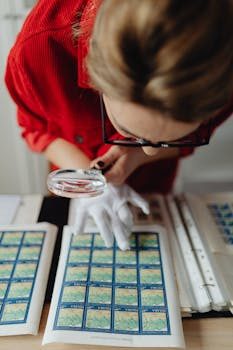
This is the biggest threat for collectors. A listing shows a pristine vintage coin or a rare baseball card with a low price. The photos are blurry or low resolution intentionally. When you show up, the item is either a reproduction, a cleaned coin with no original luster, or a completely different item than pictured. The seller may claim they âmade a mistakeâ with the listing. Don’t fall for it. For collectors dealing with coins or currency, a reliable jeweler’s loupe or magnifier can help spot alterations that are invisible to the naked eye.
Bait-and-Switch
You arrange to meet for a specific collectible, and when you arrive, the seller says that item already sold but offers you another piece that’s similar but lower quality. This is a pressure tactic. They hope you’ll buy the lesser item because you already made the trip. Always be willing to walk away.
Phishing Through Email
Some scammers never intend to sell. They place a listing and wait for replies. They’ll ask you to click a link to âverify your identityâ or send personal information. That link installs malware or captures login credentials. Never click links from a Craigslist reply, and never give out your email address beyond the anonymized Craigslist relay.
The common thread with all these scams is urgency. The seller wants you to act fast, pay in an unusual way, or skip inspection. That pressure is your biggest red flag.
How to Vet a Seller Before Reaching Out
You can learn a lot before you ever send a message. Here’s what I do before I even reply to a listing.
- Check the seller’s other posts. Click their username and see what else they’ve listed. A seller with a wide range of unrelated items is often a flipper. That’s not necessarily bad, but it means they may know less about the item’s history. A seller with only a few listings all in one niche is often a collector thinning their collectionâgenerally more trustworthy.
- Run a reverse image search on the photos. Right-click the image and search Google Images or use TinEye. If the same photo appears on eBay or stock image sites, the listing is fake.
- Read the description carefully. Vague descriptions like âvintage coin, great conditionâ without specifics are a warning sign. A real collector or honest seller usually describes the item’s grade, year, and known flaws. Descriptions that are too short or generic suggest the seller doesn’t know what they’re sellingâor doesn’t want you to know the real condition.
- Look at the price. If it’s significantly below market value for no clear reason, assume it’s a scam or a damaged item. Remember that collectors rarely sell in-demand pieces for far less than they’re worth.
Setting Up a Safe Meeting Location
Never meet at a seller’s home. Never have a seller come to your home. Period. The usual advice is to meet at a busy coffee shop, but for collectible transactions, I prefer police station lobbies. Many police stations have designated internet exchange zones with cameras running 24/7. They’re safe, well-lit, and discourage anyone who intends to cause trouble. If a police station is too far, choose a busy grocery store or a bank lobby during business hours. Avoid parking lots after dark, even if they seem busy. The key is visibility and neutral ground. You want a place where the seller feels equally exposedâmeaning neither side has the advantage. If a seller insists on meeting at their house or a remote location, that’s a deal-breaker. Don’t negotiate on this point. A legitimate seller will understand why you’d want a public meeting spot.
What to Bring to the Transaction
Going prepared changes the dynamic. It shows you know what you’re doing and makes it harder for a seller to brush off an inspection. Here’s my standard kit.
- A bright flashlight or headlamp. In coffee shops or lobby lighting, you won’t see fine scratches or hairline cracks. A flashlight reveals them immediately.
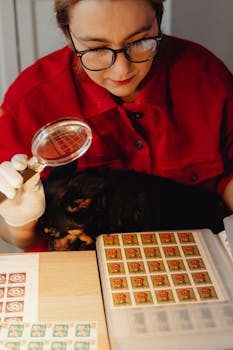
- A jeweler’s loupe or magnifier. If you’re buying coins, stamps, comics, or anything with fine details, you need magnification. A 10x loupe is standard for coin grading and detecting alterations.
- Cotton gloves. Handle items with gloves to avoid leaving fingerprints or oils. It also shows the seller you respect the item.
- Cash in exact amount. Don’t flash a wad of bills. Count out the agreed price discreetly. This avoids negotiation pressure after inspection.
- Your phone. Take photos of the item before paying. If the deal goes wrong, you have documentation. If it goes well, you have photos for your insurance records.
- A friend. Two people are always safer than one. Ask a friend to come and wait nearby. Even if they aren’t part of the negotiation, their presence changes the situation.
Inspecting Collectibles in Person: A Quick Checklist
The inspection is where you separate a good deal from a costly mistake. Here’s a practical checklist broken down by common collectible types. A bright LED flashlight for inspection is invaluable for revealing hidden flaws on any collectible surface.
Coins and Currency
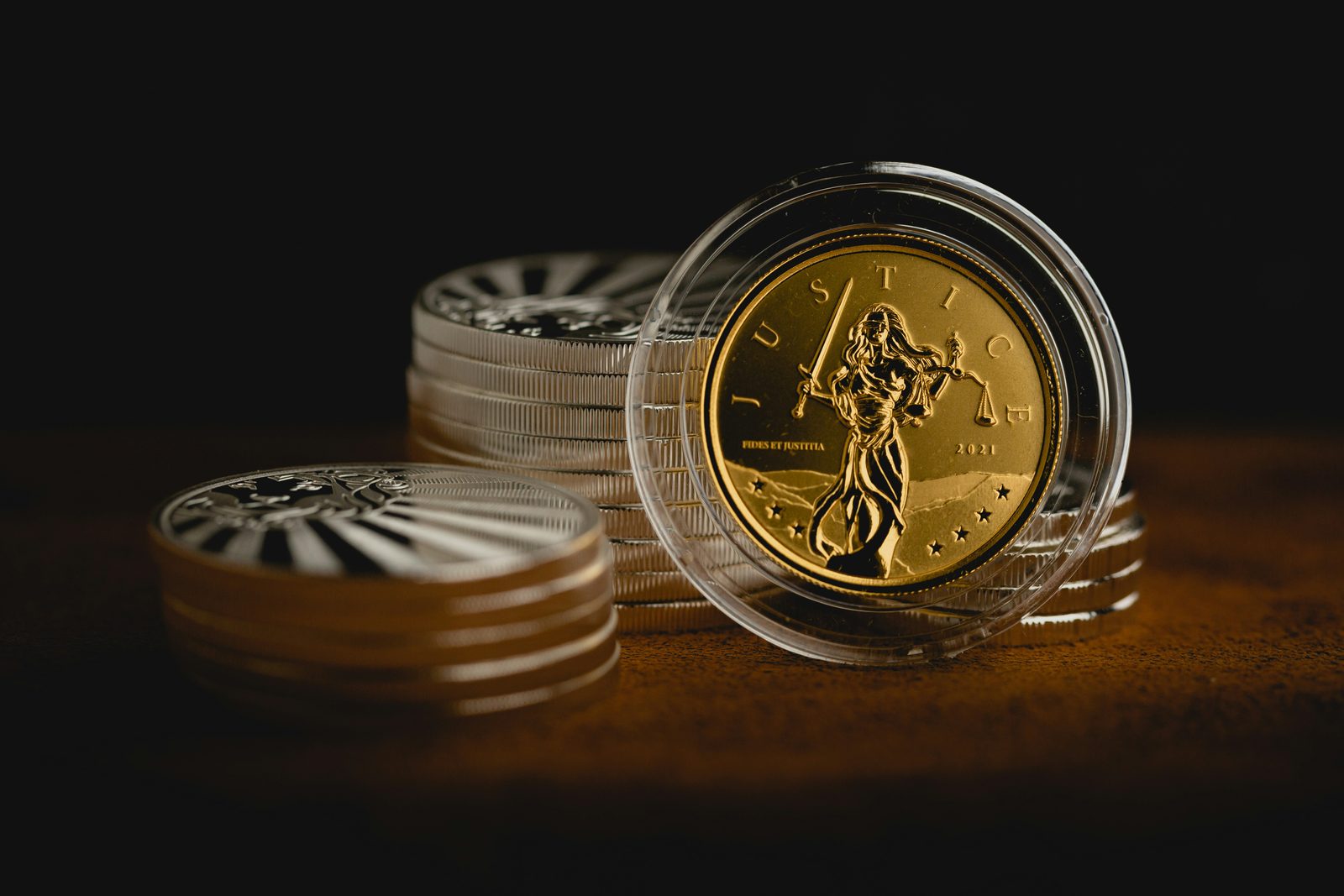
Look for consistent luster. Worn surfaces that have been polished will look unnaturally shiny. Check edgesâaltered coins often show tool marks. Weigh the coin if you can; counterfeits often have incorrect weight. For paper currency, examine the paper texture and look for raised ink from intaglio printing.
Comics and Paper Ephemera
Check the spine for color breaks. Look at the corners for wear. Hold the comic up to light to see if pages are brittle or browned. Verify the cover is not a photocopy glued onto a different issue. If the price seems too good for a key issue, check the indicia on the first pageâsometimes the listing photos show a high-value issue but the actual comic is a different one.
Vintage Toys and Action Figures
Examine paint apps and factory stamps. Repaints are common and hard to spot in photos. Look for mold lines on plastic that suggest reproduction pieces. Check joints for stress marks. If the item is still in its original packaging, inspect the tape and seals for signs of resealing.
Glassware and Ceramics
Shine your flashlight along the surface at an angle. This reveals hairline cracks and restoration work. Check the bottom for maker’s marks. Reproductions often have marks that are slightly different sizes or fonts. Run your finger over the rimâchips are easier to feel than see.
Take your time. A legitimate seller who knows their item won’t rush you. If the seller keeps trying to hurry you through the inspection, that’s a red flag.
Payment Methods: Cash, Apps, and When to Walk Away
Cash is still king for Craigslist collectible transactions. It’s immediate, traceable only by serial number, and doesn’t require sharing personal financial information. For most deals under a few hundred dollars, cash is the simplest and safest option.
Payment apps like Venmo, PayPal, or Zelle are sometimes convenient, but they come with risks. Once you send money via these apps, it’s difficult to reverse. Zelle offers no purchase protection at all. PayPal Goods and Services offers some buyer protection, but it’s limited for in-person transactions and the seller has to agree to that payment method. If a seller insists on a payment app and refuses cash, ask yourself why. Cash is universally accepted and has no fees. A seller who pushes digital payment may be trying to avoid a paper trail or run a scam where they claim the payment never arrived.
Never prepay. Never send a deposit to hold an item. Never pay before you’ve inspected the piece in person. If a seller asks for any of these, the deal is over. Walk away.
Negotiation Tactics That Keep You Safe and Fair
Negotiation on Craigslist is expected. What matters is how you do it without creating conflict. Here are a few approaches that work.
- Start with a compliment. âThis is a really clean copyâI’m glad I came to see it.â That builds rapport and shows you’re serious.
- Use flaws you found during inspection as leverage. âI noticed the spine has a color break here and the corner is bumped. Could you do $X?â This feels fair, not greedy.
- Offer a round number slightly below asking and let them counter. âI was hoping to stay around $80. Would that work for you?â
- Know when to stop. If the seller won’t budge and the price is still fair, pay it. If the seller gets defensive or angry at your inspection observations, that’s a red flag. Don’t negotiate with someone who’s hostile.
- Be ready to walk. The best negotiation move is the willingness to say, âI think I’ll pass on this one. Thank you for your time.â Once you walk away, the seller might call you back with a better offer, but if they don’t, you haven’t lost anything.
Red Flags That Should Send You Packing
Some situations are not worth negotiating. These are deal-breakers.
- The seller refuses to meet in a public place. If they push back on a safe location, the transaction is suspect.
- The seller asks for a deposit or prepayment. No legitimate seller needs your money before you see the item.
- The photos in the listing don’t match the item in person. If the condition is worse, the color is different, or the model is not the same, the deal is off.
- The price is too good to be true. That $500 watch listed for $150 is not a mistake. It’s either a fake or stolen.
- The seller pressures you to decide quickly. âI have three other people coming to see it today.â This creates false urgency. Let them sell it to someone else.
- The seller gives inconsistent answers about the item’s history. If they can’t tell you how they acquired it or where it came from, they’re likely not the owner.
After the Purchase: Documenting and Protecting Your Collection
The transaction doesn’t end when you hand over cash. What you do afterward protects your collection’s value and provenance. As soon as you get home, photograph the item in good lighting from multiple angles. Include a photo of any receipts or proof of purchase. Save the Craigslist listing if it’s still active. Record the date, location, seller’s username (if you have it), and price paid in a dedicated log. This documentation is essential for insurance claims and if you ever want to sell the item later. For high-value pieces, consider sending the item to a third-party authentication service. For coins, that means PCGS or NGC grading. For comics, CGC certification. For vintage toys, get a letter of authenticity if possible. These services add cost but dramatically increase the item’s resale value and eliminate buyer doubt when you eventually sell.
The Role of Insurance and Storage for High-Value Finds
Once you’ve made a successful Craigslist purchase, especially a high-value one, don’t leave it unprotected. Standard homeowners or renters insurance rarely covers collectibles fully. Check your policy limits. Many policies cap coverage for coins, stamps, or art at $1,000 or less. You may need a separate collectibles insurance policy. Companies like Collectibles Insurance Services or American Collectors Insurance specialize in this. For storage, keep items in appropriate conditions. Coins need PVC-free flips or slabs. Comics need mylar bags and acid-free backing boards. Vintage toys need stable temperatures and low humidity. UV-protected display cases prevent fading for items you want to show. You can find acid-free backing boards for comics to help preserve them properly. Proper storage preserves both the physical condition and the value of what you found.
Final Checklist for Stress-Free Craigslist Collectible Buys
Here’s your quick reference for every Craigslist collectible transaction.
- Vet the seller by checking their other listings and running a reverse image search.
- Read the description carefully for vague language or missing specifics.
- Arrange a safe, public meeting location like a police station lobby.
- Bring your inspection kit: flashlight, loupe, gloves, exact cash, phone, and a friend.
- Inspect the item thoroughly using your checklist for the specific collectible type.
- Negotiate politely based on real flaws you found, but be ready to walk.
- Pay with cash and get a receipt or proof of purchase.
- Document the purchase immediately with photos and a written record.
- Store the item properly and consider insurance for high-value pieces.
Craigslist remains one of the best places to find rare collectibles at fair prices. The key is going in with a plan, not just enthusiasm. Craigslist collector safety is about building habits that protect your wallet and your collection. When you follow these steps, you can focus on the best partâthe discoveryâwithout worrying about what might go wrong.