Introduction
If you’re hunting for a specific first edition or trying to offload a dusty find from a garage sale, the marketplace you choose makes all the difference. The best online marketplaces for rare books aren’t all created equal. Some are excellent for browsing and finding deals, while others are better suited for serious, high-stakes acquisitions. This article breaks down the major platforms, what they do well, where they fall short, and how to avoid losing money or getting scammed. Whether you’re a seasoned collector or a beginner, knowing these tradeoffs will save you time, frustration, and cash.

What Makes a Marketplace Good for Rare Books?
Not every platform that lists a book is a safe bet. Before we dive into specific sites, it’s worth understanding what separates a reliable marketplace from a risky one. These are the criteria I use when evaluating any platform:
- Authenticity guarantees: Does the site offer any protection against fakes or misrepresented items? For signed copies, this is non-negotiable.
- Seller vetting: Are sellers vetted or can anyone list? Marketplaces with low barriers to entry often have more inventory but also more scams.
- Condition grading standards: You need to trust that “Very Good” means the same thing across sellers. Some sites enforce stricter grading than others.
- Shipping costs and speed: Rare books are heavy and fragile. High shipping costs can eat into your budget, and slow shipping risks damage.
- Return policies: Can you return a book if it arrives damaged or not as described? This is a must for any high-value purchase.
- Payment protection: Buyer protection programs (like PayPal’s) are your safety net. Marketplaces that handle their own payments are generally safer.
- Search filters: The ability to narrow by edition, year, condition, binding, and subject is invaluable. A site with poor search tools is a waste of time.
Keep these factors in mind as we go through each marketplace. The best platform for one scenario might be a bad fit for another.
eBay: The Double-Edged Sword for Rare Book Collectors
eBay has the largest inventory of used and rare books you’ll find anywhere. That’s both its strength and its biggest weakness. The sheer volume means you can find almost anything, but the inconsistency in condition grading is a real problem. One seller’s “Excellent” might be another’s “Fair.” For common collectibles or older books you just want a reading copy of, eBay is fine. For high-value first editions or signed copies, the risk of fakes or grossly misrepresented condition is simply too high.
If you do use eBay, here’s how to tilt the odds in your favor:
- Use the advanced search filters to narrow by “Collectible” condition and “Books & Magazines.”
- Only buy from sellers with over 99% positive feedback and at least 100 recent ratings.
- Message the seller directly and ask for specific photos of the hinges, spine, and copyright page. A serious seller will send them; a scammer won’t.
- Consider buying a magnifying loupe to inspect photos closely for dust jackets, foxing, and edge wear. An illuminated jeweler’s loupe can be a helpful tool for detailed inspections.
eBay is best for browsing and finding unexpected deals, but it’s not a safe space for your most valuable purchases. Use it wisely.
AbeBooks: The Specialist You Should Know
AbeBooks is owned by Amazon but operates as a dedicated rare book marketplace. It’s the go-to for most serious collectors for a few key reasons. First, its search filters are exceptionalâyou can search by publisher, illustrator, binding type, or even specific book dimensions. Second, the sellers are almost entirely professional dealers who specialize in rare books. They know their inventory and are usually responsive to questions.
The tradeoff is price. Because sellers are professionals, you’ll often pay a premium compared to eBay. Shipping costs are also a mixed bagâsome sellers offer free shipping, but others charge rates that add up quickly, especially for international orders. AbeBooks does offer a 30-day return policy, but read the fine print: it typically requires you to return the book in the same condition, and you may cover return shipping.
Practical recommendation: AbeBooks is best when you’re looking for a specific edition or author. If you want a 1920s copy of a specific novel, use AbeBooks. If you’re just browsing for something interesting, it’s less fun than eBay. Also, consider a book care kitâa soft brush, archival-safe gloves, and a dust jacket protectorâto maintain your AbeBooks purchases once they arrive. A complete archival book care kit is a worthwhile investment for long-term preservation.

Biblio: The Ethical Alternative for Book Lovers
Biblio is often described as the alternative to AbeBooks for buyers who want to avoid Amazon. Its inventory overlaps significantly, but the experience is different. Biblio charges lower fees to sellers, which can sometimes mean lower prices for you, though that’s not guaranteed. What is guaranteed is a more community-oriented feel. The site donates to literacy causes, which is a nice touch.
In terms of condition grading, Biblio uses a standardized system that’s fairly consistent. They also have a buyback guarantee on most items, which is a solid safety net. Customer service is also more responsive than you’ll find on the bigger platforms. The downside is that the inventory is smaller, especially for very niche or high-end items. For most general rare book needs, you’ll find what you want. For Pulitzer winners or early 20th-century fiction, Biblio is a strong choice.
Best for: value-conscious buyers who appreciate a platform with a conscience. If you’re not targeting a specific must-have book, start here.
Amazon: Convenience vs. Scams â A Risky Mix
Amazon is a terrible place to buy a rare book. The platform has no dedicated rare book grading standards. Third-party sellers can list almost anything, and the “New” condition tag is frequently misused. You might find a listing for a first edition at a great price, only to receive a modern reprint. Returns are possible, but they’re a hassle, and Amazon’s customer service isn’t trained to handle rare book disputes.
The one safe use of Amazon is for mass-market collectibles. If you want a signed paperback of a recent bestseller or a special edition of a popular series, Amazon is fine. For anything truly rare, avoid it. The only exception is if the item is “Fulfilled by Amazon” (FBA) and you’re comfortable with the return window. But even then, the grading is unreliable.
Stick to eBay for browsing, AbeBooks for specific editions, and leave Amazon for everything else.
Etsy: Hidden Gems for Vintage and Antique Books
Etsy is underappreciated by serious rare book collectors, but it’s a fantastic place to find vintage and antique books that are more decorative than investment-grade. The seller base is smaller and more curated than eBay. Many sellers focus on books with beautiful bindings, illustrations, or historical significance. You’ll find signed copies of lesser-known authors, old illustrated children’s books, and unique ephemera like photograph albums and travel guides.
The downside is that Etsy is not built for precise searching. You can’t filter by edition or condition grade beyond basic categories. Pricing is also less standardizedâsome sellers price high because the book is “cute,” not because it’s truly rare. For specific investment-grade rarities, Etsy is a waste of time. But for browsing and finding something unexpected, it’s a pleasure.
Best for casual collectors, home decor, or gifts. If you want a visually interesting book for a coffee table, start on Etsy.
Specialist Auction Sites: Heritage Auctions and PBA Galleries
For serious collectors, specialist auction sites are where the high-value transactions happen. Heritage Auctions and PBA Galleries are the two big names. These platforms handle first editions, manuscripts, autographs, and other high-end material. The process is different: you register, bid live, and pay a buyer’s premium (usually 20-25%) on top of the hammer price. Authenticity is guaranteed, and condition is graded by professional catalogers.
These are not for casual shoppers. The fees are significant, and you’re competing against institutional buyers and wealthy collectors. But if you’re after a specific monument of literatureâlike a signed Hemingway or a First Folioâthis is where you go. The detail in the lot descriptions (including photos of defects) is unmatched. Consider investing in a high-quality book display stand or archival storage box before you buy. These books are investments, and you need to protect them. A high-quality archival storage box can provide the protection these investments require.
Best for: dedicated, informed collectors. Beginners should stick to lower-stakes platforms until they understand the pricing and bidding.
Comparing Fees: What Each Marketplace Charges Sellers
If you’re selling rare books, fees are a major consideration. Here’s a quick side-by-side:
- eBay: Listing fees are free for most categories, but final value fees are 13.25-15% of the sale price (including shipping). Payment processing is extra.
- AbeBooks: Subscription fees vary, but final value fees are around 8-15%. They also charge a small transaction fee per order.
- Biblio: Lower than AbeBooks, with final value fees around 6-12%. No subscription for basic storefronts.
- Amazon: For third-party sellers, closing fees and referral fees can total 15-25%. Highly competitive pricing, but high fees eat into margins.
- Etsy: Listing fee of $0.20 per item, plus a 5% transaction fee. Reasonable for low-volume sellers.
- Auction houses: Seller’s commissions vary but can be 10-20%. You also have to ship the item to the auction house, adding logistics.
For most sellers, Biblio offers the best balance of low fees and decent traffic. eBay is good for volume, but you’ll lose a chunk to fees. AbeBooks is reliable but expensive for sellers. Auction houses are best for high-value items where the premium is worth the exposure.
Common Mistakes When Buying Rare Books Online
Even experienced collectors make these mistakes. Avoid them to save money and headaches:
- Ignoring condition grades: A “Good” condition book will have obvious wear. Don’t assume it’s fine because the price is low.
- Not asking for photos: Never rely on stock photos or a single image. Ask for photos of the spine, hinges, and dust jacket.
- Overpaying for common editions: Many books are called “rare” but are just old. Check number of copies printed and availability before buying.
- Not checking return policies: Some sellers have no returns. That’s a red flag for high-value purchases.
- Assuming reproductions: Signed copies should be authenticated. Many signed “first editions” online are modern reprints or facsimile signatures.
- Skipping authentication for signatures: If it’s a high-value signature, get a letter of authenticity from a recognized expert.
- Poor shipping methods: A rare book sent in a paper envelope is a disaster. Insist on proper packaging or use a seller who knows books.
How to Assess a Book’s Condition Remotely
You can’t touch the book, but you can still assess it. Here’s a practical workflow:
- Learn the grades: As-Is, Fair, Good, Very Good, Fine, Near Fine. Most sellers use these. Understand what each meansâ”Near Fine” should have no major defects. “Good” means acceptable for reading but not collecting.
- Request photos: Ask for clear images of the dust jacket, spine ends, corners, and the copyright page (for edition and printing number). If the seller says “book is as described,” ask again.
- Look for digital touch-ups: If the images are heavily cropped or filtered, the book might have damage the seller is hiding.
- Trust your gut: If the price is too good for a known rare book, it’s likely a reprint or a facsimile. Compare prices across marketplaces before committing.
- Check seller photos: Experienced rare book sellers use consistent lighting and take detailed photos. If the photos are blurry or poorly lit, move on.
This process takes five minutes and can save you from a costly mistake.
Shipping Rare Books Safely: What You Need to Know
Shipping is where many rare books get damaged. Whether you’re buying or selling, here’s what works:
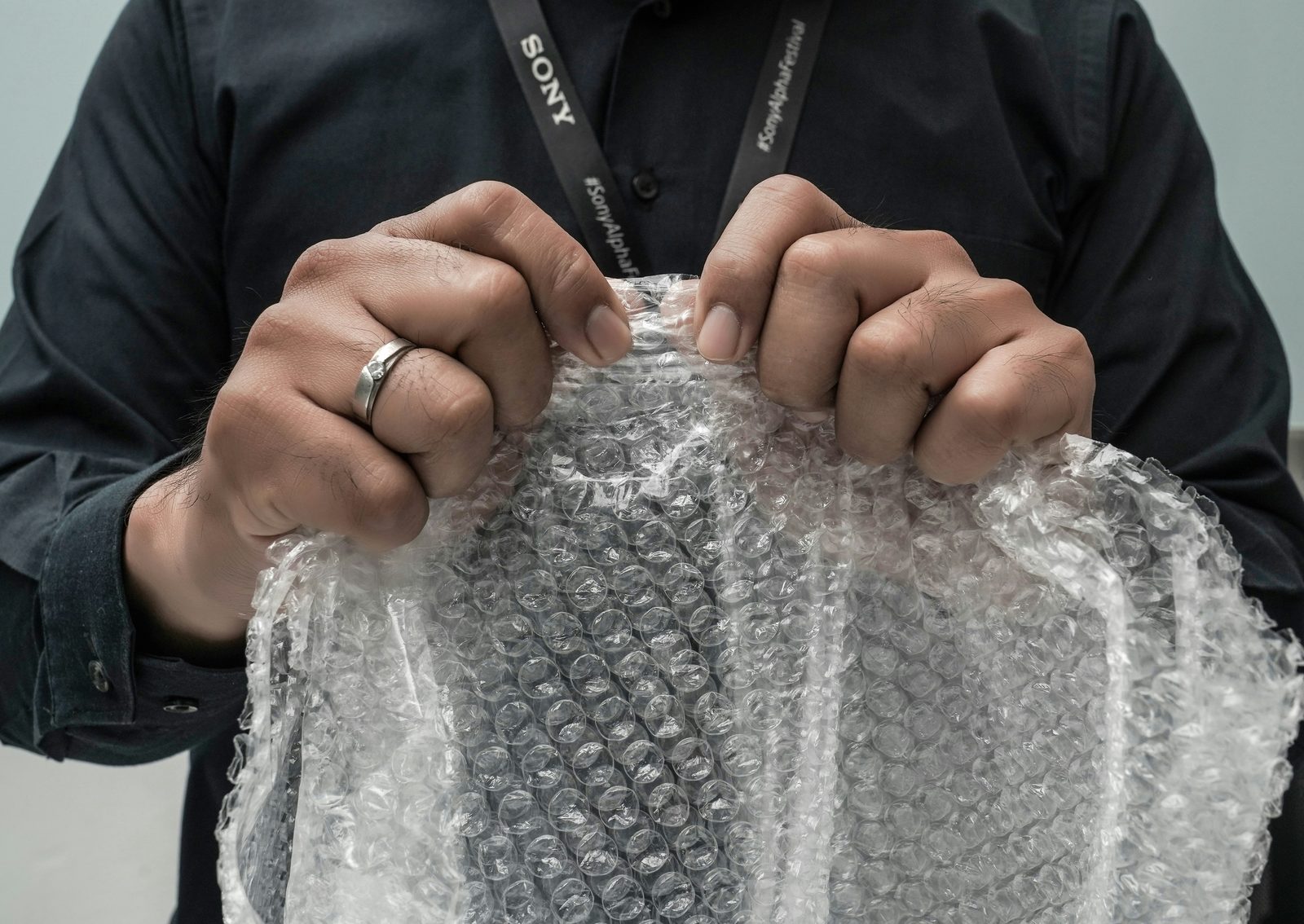
- Use sturdy cardboard: A corrugated box that doesn’t flex is non-negotiable. Bubble wrap around the book, with padding on all sides.
- Moisture protection: Wrap the book in a plastic bag before packing it inside the box. Even if the box gets wet, the book stays dry.
- Insurance: Always insure the package for the full value. It’s a small extra cost that means you won’t lose your money if it’s lost or damaged.
- Tracking: Use a service with tracking. Don’t rely on basic media mail for valuable booksâuse priority or express.
- Avoid tape on the book itself: Never tape directly to the dust jacket or cover. Use a clear plastic sleeve or paper wrap if needed.
If you’re a seller, consider investing in a book shipping starter kit: a roll of bubble wrap, various sizes of cardboard mailers, a roll of packing tape, a small scale, and a label printer. It speeds up the process and reduces errors. Sellers who ship frequently may want to explore a comprehensive book shipping supplies kit for convenience.
Final Verdict: Which Marketplace Is Best for You?
There’s no single “best” marketplaceâit depends on what you’re doing. Here’s a quick guide:
- Serious buying (specific editions, investment-grade): Start with AbeBooks. Use the search filters effectively.
- Value-conscious buying: Use Biblio. Good inventory, ethical platform, lower prices.
- Browsing and deals: eBay. Be careful and verify before buying.
- High-end auctions: Heritage Auctions or PBA Galleries. Expect to pay for expertise and guarantee.
- Decorative or vintage finds: Etsy. Great for fun browsing and unique items.
- Seller with low prices: Avoid Amazon for rare books. Use Biblio or eBay for volume.
Start with a small purchase on a site that feels right. See how the process works, how the book arrives, and whether the customer service is responsive. Then use that experience to guide your next steps. A book care kitâa soft brush, gloves, and a dust jacket protectorâis a smart investment for any collection. Happy hunting.