Introduction
Estate sales are one of the last places where you can still find genuine value. Unlike flea markets or thrift stores, an estate sale gives you a complete slice of someone’s lifeâtheir books, furniture, tools, and yes, their grandmother’s china. That’s why the potential for uncovering estate sale hidden treasures is so high.
This isn’t about luck. It’s about having a plan. Whether you’re a seasoned reseller, a hobbyist collector, or just getting started, knowing how to work these sales makes the difference between walking away with a signed Vasarely print for twenty bucks or a box of old Tupperware. I’ve been to a lot of sales, made plenty of mistakes, and figured out what actually works. Here’s the practical approach I wish someone had shared with me from the start.
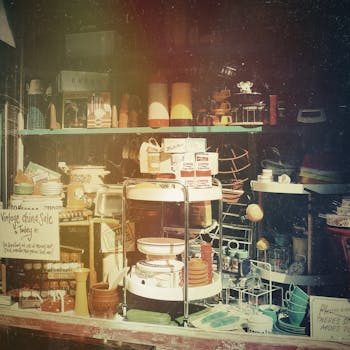
What Makes an Estate Sale Different from Other Sales
To find hidden treasures, you need to understand what makes an estate sale unique. A garage sale is someone clearing out their garageâusually the leftovers. A thrift store is a business with professional pickers. An auction pits you against bidders with deep pockets.
An estate sale is different. It’s a household being liquidated, often after a death or a move to assisted living. The family typically wants everything gone in a weekend. They don’t have the time or expertise to research every item’s value. That’s your opportunity.
The inventory is vast and candid. You’ll see a lifetime of purchases: 1950s furniture, vintage kitchen tools, tins of old coins, costume jewelry, art, books, and tools. The variety means you can almost always find something interesting. Because the goal is liquidation, prices are often negotiable, especially late in the sale. This isn’t like a curated antique shop where a dealer knows every mark and maker. At an estate sale, undervalued items slip through the cracks constantly. That’s the treasure you’re after.
How to Research and Prepare Before the Sale
The best estate sale finds are made before you ever walk through the door. Preparation isn’t optional. Here’s what I do before I arrive at any sale.
Start by finding the sales. Estatesales.net and EstateSales.org are the two main databases. I check them daily, focusing on sales in older neighborhoods where long-term residents lived. A home owned by one person for forty years is a goldmine compared to a flipper property.
Scrutinize the photos carefully. I’m not looking for the obvious furniture shots. I zoom in on bookcases, kitchen cabinets, and tool sheds. If I see old camera boxes, stacks of leather-bound books, or a set of mid-century dining chairs, I make that sale a priority. If all I see is modern IKEA furniture and plastic bins, I pass. My time is valuable.
Create a mental hit list. For example: “I’m looking for vintage Pyrex in one specific pattern. I’ll buy any complete set.” Or: “I want a working vintage record player under fifty dollars.” Being specific prevents you from buying random junk because it looked interesting.
Then assemble your day-of kit. This is critical:
- Cash in small denominations. Twenty-dollar bills go fast. Tens, fives, and ones are better. Often, there’s no card reader.
- A small flashlight with a focused beam. Basements and closets can be dim.
- A 10x jeweler’s loupe or magnifying glass. Essential for reading hallmarks, signatures, and fine details.
- A strong magnet on a keychain. Instant test for base metals vs. silver.
- A UV light. Excellent for detecting repairs or restorations on porcelain and glass.
- Measuring tape. You never want to buy a piece of furniture that doesn’t fit through your door.
- Bags. Small tote bags for carrying delicate finds. A backpack works well too.
Arrive at least fifteen minutes before the posted start time. Get in line early but don’t be rude about it. The first hour is when the best pieces go, especially if there’s something truly rare. Know your budget before you walk in and commit to it. I’ve seen people blow their rent money on a collection of vintage fountain pens they didn’t want. Don’t be that person.
Navigating the Sale: Room-by-Room Strategy
When you walk in, everyone else heads for the living room and master bedroom. The best strategy is contrarian. Go where the crowd isn’t. That’s where the overlooked items hide.
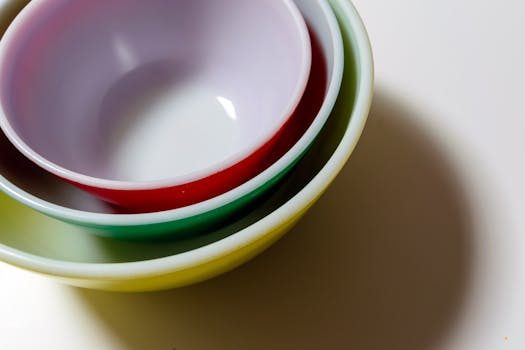
Kitchen: Start here if possible. The kitchen is a graveyard for generational kitchenware. Check every drawer for silverplate flatware, vintage Pyrex bowls, and cast iron cookware. Lift up stacks of serving dishes to find hand-painted pieces. Bring your UV light to check for chips and cracks under hidden glaze. Look inside ovens and cabinets. That Lodge cast iron skillet sitting dusty in the corner is worth more than the shiny new one at Target. Vintage Pyrex patterns like ‘Gooseberry’ or ‘Butterprint’ can fetch fifty to two hundred dollars per piece depending on condition. Pay attention to the underside of lidsâthat’s where chips often hide. If you need to identify valuable kitchenware on the go, a compact 10x jeweler’s loupe is helpful for inspecting maker’s marks and tiny details.
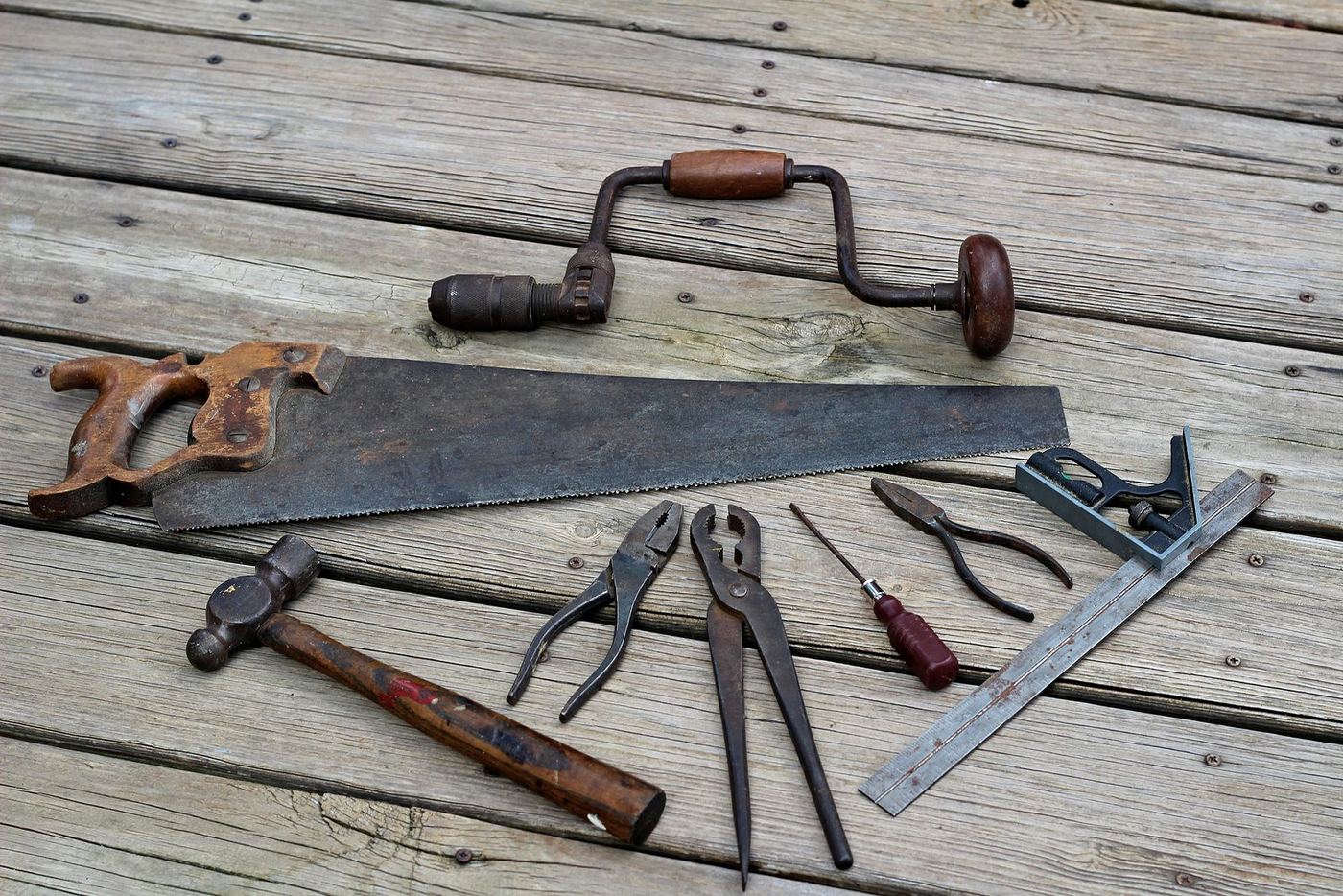
Basement or Garage: This is often the most productive room. Tools, sporting goods, old fishing tackle, and lawn care equipment are commonly undervalued. Vintage hand tools from brands like Stanley, Disston, or Craftsman (pre-1960) have a dedicated collector base. A #7 Stanley plane in decent shape is easily worth $150. Vintage camera boxes gather dust here. Don’t ignore a dusty Kodak Retina or a leather case holding a Leica. I found a complete set of vintage fishing lures in an old tackle box once. Researched them laterâworth $400. Paid ten bucks.
Bedrooms: Look at the nightstands and dresser drawers. Jewelry boxes are the obvious target, but don’t just grab the flashy costume necklace. Check the bottom drawers of dressers for old linens with hand-embroidered details. Check closet shelves for unopened boxes. I’ve found vintage Christmas ornaments in the back of a closetâthose MCM Shiny Brite sets go for fifty dollars a box. Inspect artworkâlook behind the bathroom door or inside closets for weird amateur art. Sometimes that ‘amateur’ painting is a regional artist with real value.
Living Room: This room is where most casual shoppers focus, so you need to be faster and more discerning. Bookshelves: look for first editions, authors you recognize, or old leather-bound sets. A first edition of ‘The Great Gatsby’ with a dust jacket sells for six figures. But even a beat-up signed copy of a mid-list author might be worth a few hundred. Check the spines for tightness. Check the copyright page for ‘First Edition’ and the year. Condition matters. Lamps: vintage glass shades and mid-century designs are highly collectible. A George Nelson bubble lamp is worth real money. Art: look for signatures on the lower right or verso. Don’t just buy because it’s ‘colorful.’ Know what you’re looking for or pass.
Dining Room: China cabinets are the main event. But don’t just look at the good china. Look at the serving piecesâsilverplate, crystal, and stemware. Set aside any piece with a maker’s mark. Weight is a clue: heavy silverplate is still silverplate, not silver. But a heavy, cold piece could be solid sterling. Weigh it in your hand. Tap a crystal glassâit should ring like a bell, not thud. Check for chips on rims. China patterns are fickleâdo your research at home on which patterns are hot.
Key Categories of Hidden Treasures to Watch For
Not every estate has a masterpiece. But certain categories are chronically undervalued by both sellers and casual shoppers.
- Vintage cameras and lenses. The Leica M series, Canon rangefinders, and medium format cameras (Hasselblad, Rolleiflex) are highly desirable. Even if the camera body is damaged, the lens might be worth hundreds. Check the glass carefully for fungus or haze. Bring a small flashlight to shine through the lens.
- First editions and signed books. Look for small publishers, small print runs, or first books by now-famous authors. A copy of ‘Harry Potter and the Philosopher’s Stone’ in good condition has a book club edition value lower than a true first. Learn the difference between a book club edition (no price on dust jacket flap) and a trade edition. Condition is everything.
- Costume jewelry. Especially signed pieces from brands like Trifari, Coro, Eisenberg, and Haskell. These pieces can sell for $50 to $500 depending on design and condition. Don’t just look for diamonds and goldâlook for enamel, paste stones, and distinctive metalwork. A Trifari crown clasp is a good indicator.
- Mid-century modern furniture. Danish teak, rosewood, and walnut from designers like Hans Wegner, Finn Juhl, or Paul McCobb. Even generic MCM furniture in good condition sells for $200 to $1,000+. Look for dovetail joints, solid wood, and original fabric.
- Kitchen gadgets and collectibles. Vintage Pyrex, Fire-King ovenware, mid-century canisters, and old copper pots. A complete set of Pyrex primary colors from the 1950s can fetch $300. Vintage copper-bottom Revere Ware is also highly collectible.
- Ephemera. Postcards (especially with real photo images), old maps, advertising signs, and vintage magazine covers. A collection of 1950s magazine covers by Norman Rockwell can be worth real money. Even old baseball cards or stamps can be valuable if you know what you’re looking at.
The key to all these categories is doing your homework before the sale. Spend even ten minutes researching what ‘valuable’ looks like in a category you want to buy. I missed a $2000 camera once because I assumed it was junk. Never again.
How to Authenticate and Grade Items on the Spot
You can’t verify everything while standing in someone’s dining room. But you can quickly filter out obvious fakes and damaged goods with a few reliable techniques.
Jewelry: Use the weight test. Solid silver is heavy and cold to the touch. Silverplate is lighter and warmer. The magnet test is simple: a magnet won’t stick to silver (or gold). If it sticks, it’s base metal with plating at best. Look for hallmarks on clasps, backings, and inside rings. A 925 mark means sterling. A 750 mark means 18k gold. Wear your loupe. Check for repairsâresoldered clasps, glued stones, replaced pinsâthese all kill value.
Porcelain and China: Use your UV light. Many cracks and repairs are visible under UV as a bright white or yellow glow. Check the bottom for maker’s marks. Royal Copenhagen, Meissen, Wedgwood all have distinctive marks. Even then, condition is paramount. A chipped rim on a valuable plate drops its value to near zero. A cracked vase is worthless unless you’re a restorer.
Art: Look for a signature on the lower right or back. Check the back for gallery labels. A label from a historic gallery is a positive sign. Edition numbers on prints: 25/100 is better than 250/500. Small runs are more valuable. Use your loupe to look at the brush strokesâoriginal paintings have impasto, texture. Prints are flat. Don’t trust everything ‘signed’âsome people sign art that isn’t theirs.
Books: Look at the copyright page. Find the ‘First Edition’ statement. Check the date. Historical dates (1950s or earlier) are a green flag. Condition: dust jackets matter hugely. A book without a dust jacket is usually worth a fraction of one with it. Check for book club editionsâthey often have a small circle or no price on the dust jacket flap. Check for water damage, cracked spines, or missing pages. A book with serious damage is essentially a shelf decoration.
These quick checks won’t make you an expert, but they’ll save you from buying a box of broken junk. Over time, you’ll start to recognize patterns and builds.
Common Mistakes Beginners Make (and How to Avoid Them)
I’ve made every mistake on this list at least once. Learn from me.
- Mistake: Buying on impulse. You walk into a sale, see a shiny thing, buy it, and later realize it’s a reproduction. Instead, stick to your pre-sale research. If you don’t know the item’s value, don’t buy it unless the price is trivial and you genuinely like it for your home.
- Mistake: Overpaying for common items. ‘Silverplate’ is not silver. ‘Mid-century style’ is not mid-century. ‘Original art’ might be a mass-produced print from Target. Learn to spot the difference. A heavy, cold piece marked ‘Sterling’ is valuable. Silverplate marked ‘1847 Rogers Bros’ is collectible but not worth more than $30 for a full set.
- Mistake: Ignoring damage. A chip in a piece of Noritake china is not a small flawâit’s a death sentence for value. Wood rot, rust, missing knobs, missing parts on electronicsâall count as major damage. Be brutally honest about condition.
- Mistake: Not negotiating. Estate sales are designed for negotiation, especially on the last day. If you don’t ask, you won’t get the discount. But be polite. A lowball offer on the first day is offensive. A fair offer on the last day is reasonable.
- Mistake: Focusing only on the obvious. Everyone heads for jewelry and designer clothes. The real hidden value is in the basement, the garage, the kitchen, and the closets. That old hand plane, that dusty camera, that stack of cookbooks from 1960. Be contrarian.
The best way to avoid these mistakes is to start slow, buy cheap, and learn. Take photos of items you’re unsure about and research later. Don’t commit to expensive purchases until you know the game.
How to Negotiate Prices Effectively at Estate Sales
Negotiation at an estate sale is not the same as haggling at a flea market. The dynamics are different because the goal is to empty the house, not to maximize profit. Here’s how to do it right.
When to negotiate: The best time is on the final day of a multi-day sale. Many companies offer 25% to 50% off everything. Even if the price is firm, a polite offer is often accepted. For high-ticket items, you can negotiate earlier. A friendly ‘Would you consider $75 on this $100 table?’ can work. But don’t lowball early. It alienates the seller.
How to negotiate: Be polite and respectful. Say something like, ‘I’m interested in this lamp and that chair. Could you do $120 for both?’ Bundling works well. It shows you’re serious and reduces the seller’s work. Avoid aggressive bargaining. The people running the sale are professionals or grieving family. Empathy goes a long way.
What to expect: Typical discounts are 10%â30% on the first day, rising to 30%â50% on the final day. Some companies have a firm ‘no negotiation’ policy. If they do, respect it and decide based on the asking price. If they don’t, a small discount is often offered freely if you’re buying multiple items.
Building rapport: Introduce yourself to the sale manager. Ask a few genuine questions about the house or items. People are more likely to cut a deal with someone they like. A simple ‘I’m a collector of vintage Pyrex’ can open doors to them pointing you toward items in the back room.
Remember: negotiation is not about winning. It’s about reaching a fair price that benefits both parties. A good deal is one where both sides feel okay about it.
Tools and Gear Every Estate Sale Hunter Needs
Having the right tools on hand can mean the difference between a great find and a miss. Here’s my standard kit.
- High-lumen flashlight. I use a Streamlight Microstream USB. It’s small, bright, and reliable. I use it to check under furniture, inside drawers, and in dark corners. Many items hide in shadows. Without a good light, you’ll miss them.
- 10x jeweler’s loupe. The BelOMO 10x triplet is excellent. It lets me read hallmarks on silver and jewelry, see signatures on art, and inspect books for condition issues. I keep it on a lanyard around my neck for quick access.
- UV light. A small UV LED flashlight from Amazon works fine. I use it to check porcelain and glass for invisible repairs. It also helps identify uranium glass, which is collectible and glows brightly under UV.
- Strong magnet. A neodymium disc magnet on a keychain. Quick test for silver vs. base metal. No sticking means it’s likely silver (or gold). Sticking means it’s something else.
- Measuring tape. A compact 25-foot tape measure. Essential for furnitureâdoes it fit through your door, into your car, and into your house? Don’t assume.
- Gloves. Cotton gloves for handling delicate items like books and photographs. Nitrile gloves for dirty tools and garage finds. Your hands stay clean, and you don’t leave skin oils on valuables.
- Cash in small denominations. I carry a wallet with $100 in singles, fives, and tens. Cards aren’t always accepted. Cash talks. You can also use cash to negotiateâpulling out exact change makes an offer more appealing psychologically.
A 10x jeweler’s loupe is the single most useful tool for an estate sale hunterâgood ones are available for under $20. For those dealing with dimly lit basements and closets, a compact LED flashlight makes a significant difference in spotting hidden details.
Valuable Items vs. Common Junk: How to Tell the Difference
This is the core skill to develop. Here’s a quick cheat sheet of what separates real value from common junk.
- Real silver: Cold, heavy, marked ‘Sterling’ or ‘925.’ Silverplate: Lighter, warmer, marked ‘EPNS’ or ‘Plate.’ A full set of weighted silverplate candlesticks is worth maybe $20. Solid sterling candlesticks, even one, can be $100+.
- Vintage Pyrex: Clean patterns, no fading, no chips, no scratches. Modern fakes: Often have a slightly different shape, cheap prints, or lightweight feel. The ‘Gooseberry’ pattern is commonly counterfeitedâreal ones have a raised design.
- Mid-century furniture: Solid wood with dovetail joints, original finish, and dust panels. Modern low-grade: Particleboard, veneer wrapping, cam-lock fasteners. Even ‘mid-century style’ new furniture is cheap junk. Real MCM is heavy and well-made.
- Costume jewelry: Signed pieces from known brands (Trifari, Coro, Haskell) with good enamel and stones. Generic junk: Unsigned, loose stones, flimsy metal, visible glue. A signed Trifari brooch in good condition is $30â$100+. A generic brooch from the same era is $2.
- Books: First editions with dust jackets, small print runs, authors you know. Book club editions: No price on jacket, often smaller, cheaper paper. A first edition of ‘To Kill a Mockingbird’ in decent condition is $10,000+. A book club edition is $10.
- Lunchboxes: A rare 1950s character lunchbox (like Roy Rogers, Superman) with a matching thermos can be worth $500â$1,000+. A generic metal lunchbox from the 1970s is $20. Condition is everythingâdents kill value.
The rule is simple: learn one or two categories deep. Don’t try to know everything. Pick something you enjoyâcameras, cookware, furnitureâand become an expert in that niche. You’ll make smarter buys and fewer mistakes.
What to Do with Your Finds: Appraisal, Resale, and Collection
After the sale, you have some decisions to make. Not every find needs to be flipped immediately.
Appraisal: If you suspect you’ve bought something valuable, especially a piece of art, a piece of jewelry, or a rare book, get a formal appraisal. This is necessary for insurance or if you plan to sell through a high-end platform like 1stDibs. Online appraisal services exist and are affordableâsome offer a photo-based review for $20â$50. Learn to appraise common items yourself using eBay sold listings and completed auction results. Books and cameras are easy to research. Art requires more expertise.
Resale: The easiest way to flip items is on Facebook Marketplace or Craigslist for furniture, local collector groups for niche items, and eBay for everything else. For high-value items, consider specialist online platforms like Etsy (vintage), Chairish (furniture), or even live auctions through local auctioneers. Photography takes patience. Good photos of your items against a clean background sell better. Describe conditions honestlyâit builds trust and avoids returns.
Collection: Not everything needs to be sold. If you find something you genuinely enjoyâa set of vintage Pyrex, a signed first edition, a beautiful piece of artâkeep it. Your collection is your reward for the hunt. The best part of estate sale hunting isn’t always the money. It’s the stuff you get to live with for a while.
Final Tips for Building Long-Term Success
Estate sale hunting is a skill you develop over time, not a talent you’re born with. Here are the lessons that have stuck with me.
- Do your research before every sale. The ten minutes spent browsing photos and looking up basic values saves you hours of regret later.
- Start slow. Buy cheap items in categories you’re learning. Don’t blow your budget on a single item you can’t authenticate.
- Be patient. The best finds come with time. I’ve gone to twenty sales in a row without buying anything, then hit three sales in one weekend with incredible hauls. Stay persistent.
- Learn from your mistakes. Every bad purchase is a lesson. Write down what you paid and why you thought it was valuable. Next time, you’ll know better.
- Focus on what you know. Becoming an expert in one categoryâsay, vintage Pyrex or mid-century furnitureâmakes you a better buyer than spreading yourself thin across everything. Niche down.
- Stay polite and professional. Estate sale managers remember you. A reputation as a respectful, knowledgeable buyer opens doors. They’ll start giving you tips and offering first looks at upcoming sales.
The thrill of finding an estate sale hidden treasure never gets old. But the real reward is the process itselfâthe research, the hunt, the negotiation, and the story behind every item. With practice, you’ll develop an eye for quality that most people don’t have. And that’s the greatest tool you can bring to any sale.