Introduction
If you’re a collector who has a box of this, a shelf of that, and a few pieces you’re not sure why you bought, you’re not alone. Most collectors start that way. The shift from random accumulation to intentional curation is what separates a casual stack of stuff from a real collection. That shift starts with a theme.
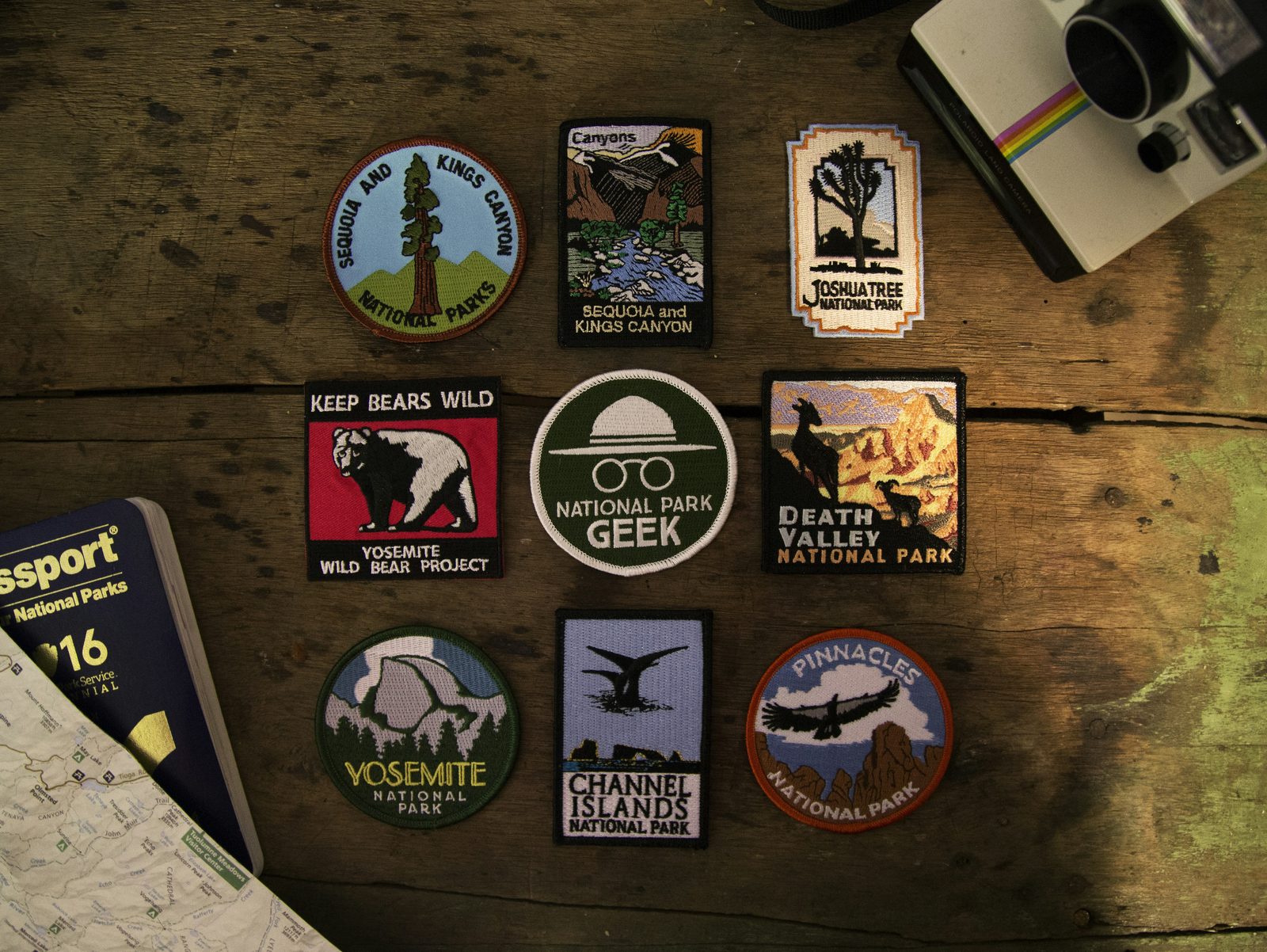
A theme collection is exactly what it sounds like: a group of items united by a specific focus. It could be a particular artist, a historical era, a single color, a manufacturer, or a narrow range of production years. The key is that every piece earns its place based on a clear, consistent criterion. Building a theme collection transforms collecting from a passive hobby into an active, deeply satisfying pursuit. This guide walks you through everythingâfrom choosing your focus to sourcing, authenticating, grading, and finally displaying pieces that tell a coherent story.
If you want a collection that’s easier to research, more impressive to show, and likely to hold its value better than a random assortment, this is for you. A focused approach really does work better.
Why a Theme Collection Matters More Than a Random Stack
There’s a real difference between having a lot of stuff and having a collection. A theme gives your collection purpose. It turns hunting for pieces into a targeted mission rather than aimless browsing. That shift changes everything.
First, depth of knowledge. When you focus on one theme, you become an expert in that niche. You learn which pieces are rare, which are commonly faked, what condition issues matter, and what fair pricing looks like. That expertise protects you from bad purchases and makes you more confident when buying or trading. A scattered collector has to learn a dozen different markets. A themed collector masters one.
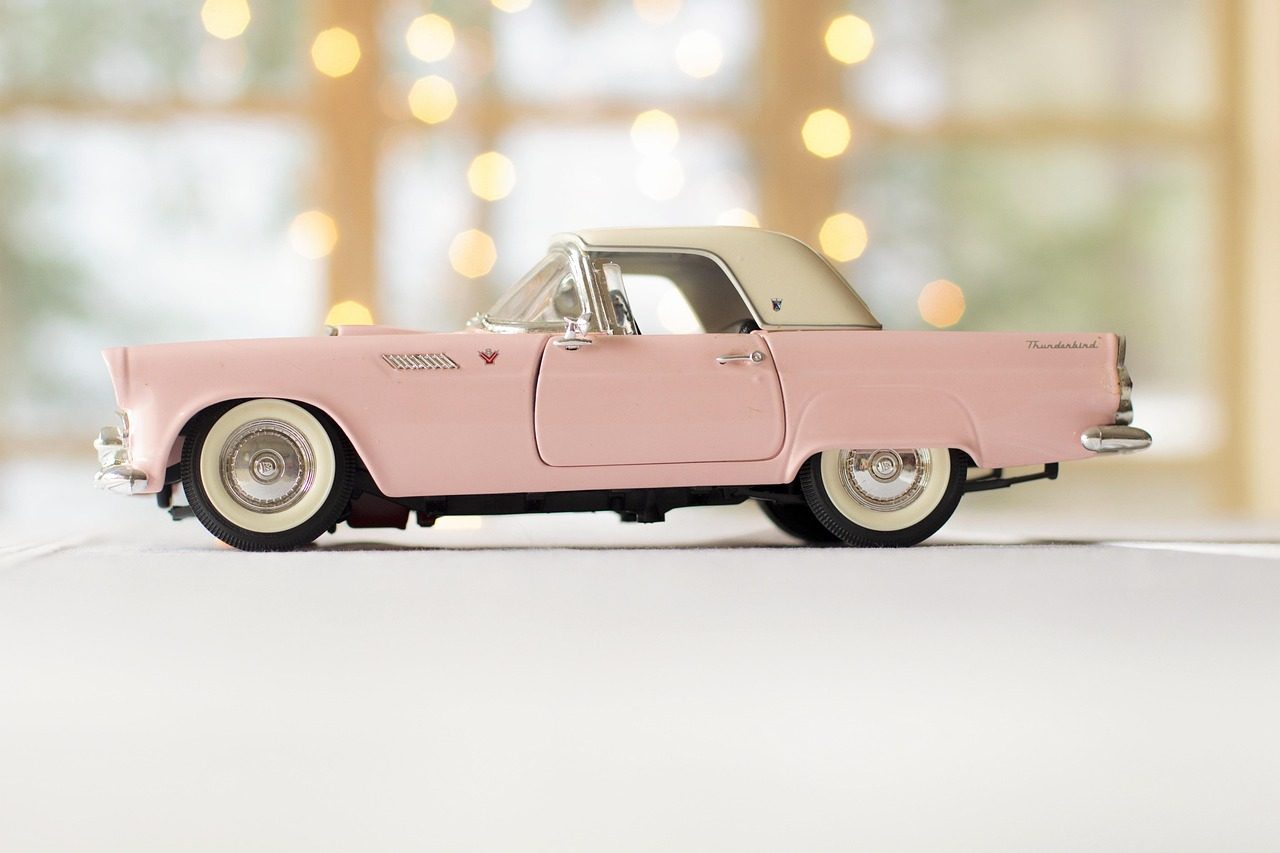
Second, display and presentation. A random stack of unrelated items rarely looks impressive. A theme collection, on the other hand, can be arranged to tell a story. It creates visual cohesion. Whether it’s a row of vintage cameras from the same decade or a shelf of mid-century ceramic vases in the same glaze, the unity itself becomes part of the appeal.
Third, resale potential. A well-documented, coherent theme collection is more attractive to buyers if you ever decide to sell. Serious collectors pay a premium for curated sets. A random mix of items is harder to appraise and harder to move. Thematic collections also tend to hold value better because they appeal to a dedicated audience, not just casual shoppers.
Finally, personal satisfaction. There’s a real sense of accomplishment in completing a set or deepening a focused area of interest. It’s more engaging than just buying what catches your eye. The hunt becomes smarter, more rewarding, and less wasteful.
Choosing Your Niche: The Foundation of a Strong Theme Collection
Your theme is the single most important decision you’ll make. Get it right, and the rest of the process flows naturally. Get it wrong, and you end up with a collection that’s too broad to manage, too expensive to sustain, or simply not interesting enough to keep your attention.
Start by auditing what you already own. Look at the items you’re most proud of. Is there a pattern? Maybe three of your favorite pieces are all from the same artist, or they’re all produced in the same decade, or they all share a distinct color palette. That recurring interest is your starting point.
Next, consider the trade-off between broad and narrow themes. A broad theme like ‘Star Wars toys’ gives you a massive pool of items to draw from. But it’s also overwhelming. You could spend a lifetime and still not have a complete set. A narrow theme like ‘Star Wars action figures from 1978 to 1983’ is far more manageable. You can research it thoroughly, know exactly what exists, and set realistic goals for completing it.
Narrow themes also tend to have stronger communities. People who collect a very specific subset of items are more engaged, more knowledgeable, and more willing to help. They’re also more likely to pay a premium for rare pieces within that niche.
Before committing to a theme, run it through a quick checklist:
- Is it sustainable? Are there enough pieces available to keep you engaged for years?
- Is there enough depth? Can you find variations, rare editions, or different conditions that add layers to the collection?
- Does it fit your storage and budget? Some themes require significant space or capital. Be honest about your limits.
- Does it have an active community? Check forums, Facebook groups, and auction histories. An active community makes sourcing, authentication, and appreciation easier.
Take your time here. A week of research before committing can save you years of frustration.
Sourcing with Purpose: Where to Find Key Pieces for Your Theme
Once your theme is set, the hunt begins. But the goal isn’t just to find any pieceâit’s to find the right piece at the right price. That requires knowing where to look and how to search efficiently.
Online marketplaces like eBay and Etsy are the most obvious starting points. They offer massive inventory, but the signal-to-noise ratio can be brutal. Use saved searches and alerts to get notified when new items match your criteria. Be specific with your search terms. A broad search for ‘vintage camera’ will drown you in results; ‘1950s Kodak Retina II’ is much more useful. Always check seller ratings and read descriptions carefully. Reproductions are common on these platforms.
Auction houses are excellent for higher-value pieces. LiveAuctioneers and Invaluable aggregate auctions from around the world. You can bid remotely, and prices often come in below retail. The downside is buyer’s premiums (typically 20-30%) and shipping costs. But for rare items, this is often the best channel.
Estate sales and flea markets reward patience and physical presence. You can inspect items in hand, negotiate in person, and sometimes find genuine bargains that online sellers missed. The trade-off is time and luck. You can spend a dozen weekends and find nothing noteworthy. But when you do find something, it’s deeply satisfying.
Collector forums and Facebook groups are underrated sourcing channels. Serious collectors often sell or trade directly within these communities. Prices can be fairer, and the risk of fakes is lower because the community polices itself. Build a reputation as a serious collector, and you’ll often get first access to new listings.
A few tools make sourcing easier and safer. A UV flashlight (around $15 on Amazon) helps detect modern reproductions that use fluorescent materials. A magnifying loupe with 10x to 30x magnification lets you inspect fine details and imperfections. A digital shipping scale is useful if you sell duplicates or trades online. These are small investments that prevent costly mistakes.
Authentication Essentials for Your Theme Collection
Authentication is where many collectors get burned. It’s also where building a theme collection gives you a real advantage. Because you focus on one niche, you learn the authentication markers specific to that category. That knowledge is more valuable than any third-party service.
Still, third-party authentication is essential for high-value pieces, especially if you plan to resell. The major services vary by category:
- PSA (Professional Sports Authenticator) is the gold standard for trading cards and autographs.
- CGC (Certified Guaranty Company) leads for comics, magazines, and trading cards.
- JSA (James Spence Authentication) and Beckett handle autographs and memorabilia.
- ACG (Authenticated Coin Grading) covers coins and currency.
When should you pay for authentication? If the item is worth more than $200 and the market demands a graded piece, it’s worth it. For lower-value items, self-authentication is often sufficient. You can learn to spot red flags: inconsistent fonts on signatures, incorrect logos, wrong materials for the period, or signs of artificial aging.
Common fakes vary by category. In sports memorabilia, modern autographs on vintage items are a frequent scam. In vintage toys, reproduction parts are swapped in. In coins, counterfeits from China flood online marketplaces. Knowing the specific fakes in your niche is part of the research you should do upfront.
Always document authentication. Keep certificates, receipts, and photos. This provenance adds value and protects you if you ever sell.
Grading and Condition: Separating the Keepers from the Fillers
Not every piece in your theme collection needs to be museum-grade. But understanding conditionâand how it affects valueâis critical. Grading systems vary widely, but the logic is consistent: better condition equals higher value, and the difference between grades can be enormous.
For trading cards, the 1-10 scale is standard. A 9 is worth several times more than an 8. For coins, the Sheldon scale (1-70) is used. For antiques, descriptive grades like ‘excellent,’ ‘good,’ and ‘fair’ dominate. Learn the system for your specific category. Buy a grading guide if one exists.
Here’s the practical question: when should you accept a lower-grade piece? If you’re filling a set and the item is genuinely rare, a lower grade may be the only option. But if a common item comes along in poor condition, pass. You’ll find a better one. The danger is buying ‘fillers’ that you later regret because they drag down the visual quality of the collection.
Think of your collection in terms of centerpieces and fillers. Centerpieces are your best specimensâthe ones that grab attention. Fillers are placeholders until you upgrade. Be honest about which is which. Set a standard for your collection and stick to it. If you decide not to buy anything below VG (very good) condition, enforce that rule. It saves money and space.
Storage is part of this conversation. A perfectly graded item loses value if it’s stored poorly. For cards, use penny sleeves and top loaders. For coins, use Mylar flips or airtight capsules. For paper items, use archival-safe sleeves. A few dollars in storage supplies can preserve hundreds in value.
The Setup: Displaying Your Theme Collection Effectively
Display is where your theme collection comes to life. A thoughtful setup turns a pile of objects into a curated exhibit. It also protects your pieces from damage, dust, and UV light.
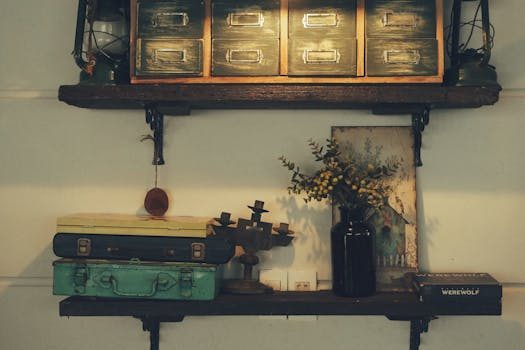
Open shelving is the most accessible option. It’s easy to set up, items are easy to access, and it works well for larger pieces. The downside is dust accumulation and exposure to sunlight. If you go this route, use glass doors or install UV-filtering window film nearby.
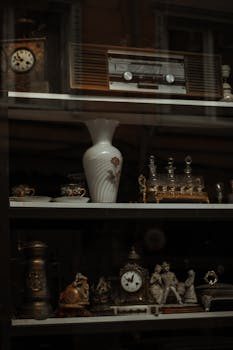
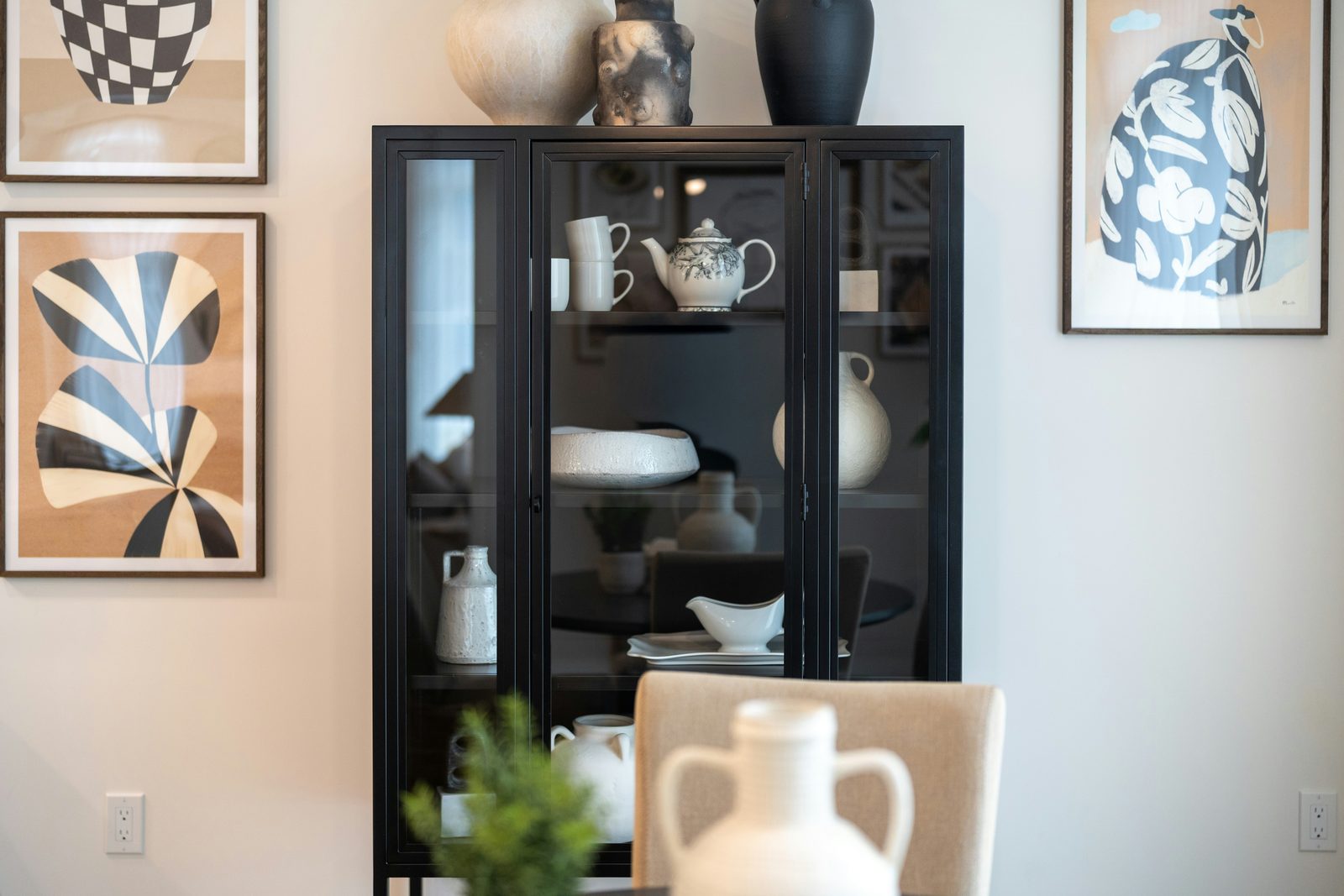
Glass display cases are the gold standard for smaller, valuable items. They protect from dust and UV, and they make the collection look professional. IKEA’s Detolf cabinet is a popular budget option. For higher-end setups, consider custom acrylic cases or wall-mounted shadow boxes.
Arrangement matters. Group items by sub-theme or chronology to tell a story. Use acrylic risers to create layered displays so every piece is visible. A small LED spotlight ($20-30) aimed at your centerpieces can dramatically improve the visual impact. A label maker for clean, consistent identification adds a finishing touch that serious collectors notice.
Don’t overcrowd. A common mistake is trying to display everything at once. Rotate pieces instead. This keeps the display fresh and gives each item its moment. It also reduces dust and handling damage.
Common Mistakes When Building a Theme Collection
Every collector makes mistakes. The trick is making them early and learning fast. Here are the most common ones I seeâand how to avoid them.
1. Buying too broad a theme. You pick ‘vintage guitars’ and quickly realize there are thousands of models, and you don’t know where to start. Narrow it down. ‘Pre-1960s Gibson acoustics’ is a theme you can actually master.
2. Overpaying for a piece in poor condition just to have it. Patience pays. If you buy a damaged piece because it’s the only one you’ve seen, you’ll later find a better one and regret the first purchase. Wait for the right condition.
3. Neglecting proper storage. Improper storage is the number one cause of value loss. Heat, humidity, sunlight, and dust all degrade items. Invest in proper storage before you invest in expensive pieces.
4. Focusing only on monetary value. If you chase investment returns, you’ll end up with a collection that doesn’t reflect your interests. The market changes. Collect what you love, and the financial upside becomes a bonus, not the goal.
5. Failing to document provenance. Receipts, authentication certificates, and photographs of pieces in their original packaging all add to resale value. Without documentation, even a genuine piece can be hard to sell. Keep a simple digital folder for each item.
Avoid these traps, and your collection will be stronger, more enjoyable, and more valuable.
Tracking Value and Investment Potential: Realistic Expectations
Let’s be honest: most collectibles are not great investments. They’re illiquid, carry holding costs, and their value depends on shifting tastes. A small percentage of items appreciate significantly. Most plateau or decline after an initial spike. That’s fine. The point of a theme collection is rarely pure financial return.
That said, some categories have better long-term track records. Rare vintage comics, limited-edition prints by established artists, and certain categories of coins and stamps have historically appreciated. Mass-produced action figures from the 1980s? Not so much. Research the market history for your specific theme before spending large sums.
Track your purchases. A simple spreadsheet with columns for item, purchase date, price, condition, and estimated current value is all you need. Several collector-focused apps (like Collectorz.com or My Collection) streamline this process. Tracking helps you spot trends and make informed decisions about buying or holding.
When should you sell? If your theme becomes increasingly popular and prices spike, it might be time to cash out some pieces. But only if you’re willing to part with them. If the market drops, don’t panic. If you bought because you love the pieces, a temporary price dip doesn’t matter. The real value is the enjoyment you get from the collection.
Connecting with the Collector Community for Your Theme
No one builds a great collection alone. The collector community is one of your most valuable resourcesâfor sourcing, authentication, advice, and encouragement.
Find your niche community early. For most themes, there are dedicated Facebook groups, Reddit communities (r/ActionFigures, r/coins, r/vintage), and specialized forums (like the National Association of Watch and Clock Collectors or the American Philatelic Society). These groups are where serious collectors gather to trade, discuss, and authenticate.
The etiquette is simple: be respectful, ask informed questions (do basic research first), and contribute value when you can. Share photos of recent finds. Offer your opinion on authenticity if you have expertise. People remember helpful members, and that reputation opens doors.
Buying and trading within these communities is often safer than eBay. Sellers have reputations to protect, and the community itself acts as a check. Prices can be fairer because there’s no platform fee. But always pay via goods and services to protect yourself.
Local collector clubs are rarer but even more valuable. In-person meetings let you inspect items hands-on and build real relationships. A single local contact can become your best sourcing channel for years.
A Simple Workflow for Building Your Theme Collection
Here’s the process distilled into seven steps. Bookmark thisâit works.
- Define the theme narrowly. Be specific about what you collect and what you don’t.
- Research and create a wishlist. Know every piece in your theme. Rank them by rarity and importance.
- Set a budget. Separate ‘filler’ funds from ‘centerpiece’ funds. Stick to both.
- Source and authenticate. Use multiple channels. Always verify before buying.
- Grade and store. Assess condition honestly. Store properly from day one.
- Display and enjoy. Arrange thoughtfully. Rotate pieces. Share with the community.
- Periodically review and adjust. Are you still enjoying the theme? Does the collection need editing? Refine as you go.
This workflow keeps you organized, reduces impulse buys, and ensures every piece has a purpose. Start with step one, and don’t rush.
Final Thoughts: The Real Reward of a Theme Collection
The real satisfaction of building a theme collection isn’t in owning a bunch of things. It’s in the processâthe research, the hunt, the authentication, the display, and finally the knowledge that every piece earned its place. A focused collection reflects your taste, your patience, and your expertise. A random stack just reflects your spending.
Start small. Pick one narrow theme. Set a reasonable goal. And give yourself permission to enjoy the journey. If you run into questions, the collector community is waiting. If you’ve already built a theme collection, share your story in the comments or a community forum. Your experience is exactly what the next collector needs to hear.