“`html
Introduction
You walk through a market, see fifty identical keychains, and wonder: why am I even looking at this? Thatâs the problem with most souvenirs. Theyâre generic, mass-produced, and end up collecting dust on a shelf or in a drawer. You paid for them, carried them home, and now they feel like clutter. Thatâs a waste of money and luggage space.
This guide is about finding the best souvenirs by destination. Not the shot glasses or the snow globes, but the items that actually represent where youâve been. The kind of souvenirs that have a story, that are well-made, and that youâll actually want to keep or give as gifts. This is for the practical traveler, the collector who wants authenticity, and the gift-buyer who wants something that wonât be regifted next year.
The common mistake is buying on impulse without a plan. You see a trinket, feel the pressure of the moment, and buy it. Then you realize itâs fragile, too heavy, or just plain ugly. This article changes that. Weâll cover what to look for, where to find it, and how to get it home without a headache. Consider this your curated playbook for shopping smarter on the road.
Why Destination-Specific Souvenirs Matter (and What Most Travelers Get Wrong)
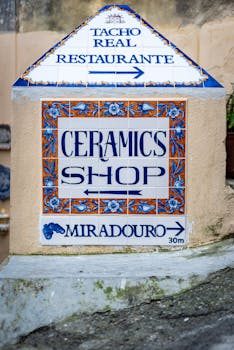
The whole point of a souvenir is to trigger a memory. A mass-produced magnet from a gift shop doesnât do that well because it looks like every other magnet from every other city. A hand-painted ceramic tile from a local workshop in Portugal? Thatâs different. Every time you see it, you remember the smell of the studio, the conversation with the artist, and the feel of the cobblestone streets outside.
Generic souvenirs are often overpriced for what they are. A cheap plastic Eiffel Tower costs a few cents to make but sells for several euros. Meanwhile, a small, artisan-made item from a local co-op can cost the same or less and offers far more value in terms of craftsmanship and meaning.
There are tradeoffs, though. Artisan items are often more fragile. A ceramic bowl from Morocco needs careful packing. A heavy wool blanket from Scotland might push your suitcase over the weight limit. Not every handmade item is practical for every trip. You have to weigh the value of the item against the logistics of getting it home. Thatâs the real skill of souvenir shopping.
Another mistake is ignoring import laws. Wood carvings, animal products, and certain foods can be confiscated at customs. A beautiful piece of driftwood from a beach might seem like a free souvenir, but it could harbor insects or be illegal to export. Do your homework before you buy. A little research on what is and isnât allowed saves you money and disappointment. This is why destination-specific research matters. You need to know whatâs worth the effort and whatâs not.
Best Souvenirs in Europe: Classic, Compact, and Culture-Rich
Europe is dense with history and craftsmanship. Every region has a traditional product that has been made the same way for centuries. These are the souvenirs that are worth your time.
Italy
Murano glass from Venice is iconic, but itâs fragile and expensive. If you buy a small paperweight or a set of beads, you can pack it safely in your carry-on. Olive wood items from Tuscany (cutting boards, salad servers) are beautiful and durable. Cameos from Naples are classic jewelry pieces that are easy to pack.
Best for: Collectors who want a true art piece. Best for casual shoppers: A small bottle of high-quality balsamic vinegar or a bar of olive oil soap from a local farm. These are compact, legal to fly with, and genuinely useful.
France
Skip the miniature Eiffel Towers. Instead, look for Laguiole knives from the Auvergne region. They are functional, elegant, and last a lifetime. Provençal fabrics make great tablecloths or napkins. French linen kitchen towels are lightweight and practical.
Best for: Home cooks. A quality knife or a set of linen towels is a gift that gets used and appreciated.
Spain
Espadrilles from the Basque Country are casual, packable shoes. Ceramics from Talavera de la Reina are colorful and distinctive. Saffron from La Mancha is a premium spice that takes up no space.
Portugal
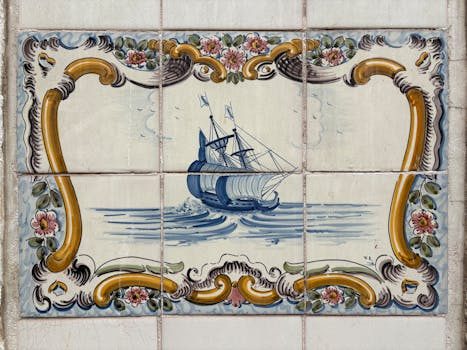
Azulejos (hand-painted tiles) are iconic. Buy a single tile instead of a whole panel for easy packing. Cork products (wallets, bags, coasters) are lightweight, durable, and unique to Portugal.
Greece
Olive wood is the standout here. Small trinket boxes, spatulas, or honey spoons are affordable and easy to pack. Worry beads (komboloi) are a traditional item that makes a unique gift.
Belgium
Lace from Bruges is delicate but lightweight. A small doily or handkerchief is a classic souvenir. Chocolate is obvious but worth buying from a local chocolatier, not a tourist shop.
Practical tip: For fragile items like glass or ceramics, investing in a protective travel case for your checked luggage can save a lot of heartache. A hard case with foam inserts works well. For smaller items, a roll of bubble wrap in your suitcase is a smart move.
Best Souvenirs in Asia: Lightweight, Unique, and Easy to Pack
Asia offers some of the best lightweight souvenirs in the world. With a little care, you can fill your bag with meaningful items that donât weigh you down.
Japan
Ceramics are a top pick. A simple rice bowl or a set of chopsticks from a local pottery town like Arita or Mashiko is a piece of art you use daily. Tenugui (thin cotton hand towels) are printed with traditional designs and are incredibly versatile and lightweight. Matcha sets (bowl, whisk, and tea) are a great choice for tea lovers, but make sure the whisk is well-packaged as the bamboo is delicate.
Best for: Minimalist travelers who appreciate design.
Thailand
Silk scarves and ties from Jim Thompson or local weavers are beautiful and pack flat. Thai spices and curry pastes in vacuum-sealed packs are great for home cooks. Batik fabrics from the north can be used as wall hangings or table runners.
Common mistake: Buying âsilkâ at a tourist market. Itâs often synthetic. If you want real silk, buy from a reputable shop or a cooperative.
India
Spices are a fantastic lightweight souvenir. Saffron, cardamom, and garam masala from a reputable spice shop are far superior to anything you can buy at home. Pashmina shawls from Kashmir are warm and packable, but be aware of knock-offs. Real pashmina is soft and expensive. Block-printed textiles from Rajasthan make great gifts.
Trade-off: Spices are perishable and have a strong smell. Seal them in multiple plastic bags to avoid scenting your entire wardrobe.
Vietnam
Ceramics from Bat Trang village are affordable and well-made. Lacquerware boxes and bowls are a classic choice. Vietnamese coffee and a traditional drip filter is a compact souvenir that gives you a daily reminder of your trip.
Indonesia
Batik from Java is a UNESCO-recognized art form. A simple sarong or a piece of fabric is easy to pack. Wood carvings from Bali are intricate but can be heavy. Stick to smaller masks or statues.
Monetization note: A set of packing cubes is invaluable for organizing multiple textile purchases. A digital luggage scale helps you avoid overweight fees when your bag fills with silk and spices.
Best Souvenirs in the Americas (North & South): Whatâs Worth the Weight
The Americas offer a mix of food items, textiles, and crafts. Some items are heavy, so plan your packing list accordingly.
North America (USA & Canada)
Local hot sauces from small producers are a favorite. Theyâre compact, unique, and make great gifts. Maple syrup from Canada or Vermont is a classic, but buy it in a plastic bottle or a tin to avoid glass breakage. Native American crafts like pottery from the Southwest or beadwork from the Plains are authentic and meaningful. Buy from tribal-owned shops or museums to ensure authenticity.
State-specific items:
- Texas: BBQ rubs and pecan pralines
- Vermont: Sharp cheddar cheese (check customs) and maple candy
- California: Artisan olive oil from small producers
Best for: Foodies and collectors of regional Americana.
South America
Alpaca wool sweaters and scarves from Peru are warm, soft, and lightweight. Look for baby alpaca for the highest quality. Mate gourds and bombillas from Argentina are a unique cultural item. Silver jewelry from Taxco, Mexico is high quality and reasonably priced.
Heavy items: A leather hammock from Mexico is beautiful but heavy. Consider shipping it home instead of carrying it. Airport shops often charge a premium, so buying from a local market is usually better, but be prepared to haggle.
Best for: Textile lovers and anyone who values warmth.
Affiliate opportunity: A collapsible duffel bag is perfect for overflow items. A set of food-safe containers helps protect any edible souvenirs from crushing.
Best Souvenirs in Africa: Ethical, One-of-a-Kind, and Conversation-Starting
Africa offers some of the most unique and high-quality crafts in the world, but ethical sourcing is paramount. You need to know what to buy and what to avoid.
Maasai beadwork from Kenya and Tanzania is colorful and meaningful. Buy from a cooperative or a direct-trade shop to ensure the artisans are paid fairly. Moroccan ceramics and zellige tiles are beautiful but fragile. A small tagine pot is a functional souvenir that will last for years. Ethiopian coffee beans are some of the best in the world. Buy whole beans from a reputable roaster.
Important checkpoints:
- Avoid endangered animal products: Do not buy ivory, rhino horn, or any product made from endangered species. It is illegal in most countries and harmful to conservation.
- Check customs regulations: Some wood products and animal products (like bone carvings) may be restricted. Always check before buying.
- Support cooperatives: Fair-trade shops and artisan cooperatives ensure your money goes to the right people.
Best for: Ethical shoppers who want a story behind every item.
Monetization note: Travel insurance that covers theft is a smart investment when buying high-value crafts. An ethical travel guide for the region youâre visiting can also help you find the best artisan markets.
Australia and Oceania: Natural Materials and Indigenous Art
This region is known for natural materials and Indigenous art. The key concern here is quarantine restrictions on organic materials.
New Zealand: Wool products like merino wool sweaters and possum fur blend scarves are warm and lightweight. Greenstone (pounamu) carvings are a traditional Maori art form. They are small, decorative, and culturally significant.
Australia: Opals from Coober Pedy or Lightning Ridge are the classic souvenir. A small opal pendant or earrings are easy to pack and high value. Aboriginal art dot paintings on canvas are unique, but be wary of mass-produced copies. Buy from a gallery that authenticates the work and ensures the artist is compensated.
Pacific Islands: Tiki carvings from Polynesia are distinctive. Look for smaller pieces made from bone or wood.
Important note: Many countries in this region have strict biosecurity laws. Wood, shells, and certain foods must be declared or are prohibited. Check your countryâs customs website before buying anything organic.
Best for: Jewelry collectors and art enthusiasts.
Affiliate opportunity: A jewelry display box for opals or a protective storage pouch for carvings.
Souvenir Buying Mistakes That Wreck Your Budget and Luggage
Even with the best intentions, mistakes happen. Here are the most common ones and how to avoid them.
1. Buying oversized items without a plan. That life-size wooden giraffe from Kenya might look great in the marketplace, but it will not fit in your suitcase. Youâll either have to pay ridiculously high shipping costs or leave it behind. Measure your luggage space before you buy large items.
2. Falling for tourist-trap pricing. Prices at major tourist attractions are often double or triple what youâd pay a few blocks away. Walk away from the main square and browse the side streets. Youâll find better quality and fairer prices.
3. Ignoring import limits. Many countries have limits on how much alcohol, tobacco, or food you can bring back without paying duty. A bottle of expensive whiskey from Scotland might cost you more in taxes than the bottle itself. Check your countryâs customs limits before you shop.
4. Not checking return policies for fragile goods. If you buy a ceramic vase and it breaks during packing, some shops wonât take it back once youâve left. Ask about their policy before you pay. When in doubt, pack it yourself with extra bubble wrap.
5. Forgetting about weight limits. A heavy wool blanket might push your suitcase over the limit, costing you a fee that could have paid for the blanket. Weigh your bag before you leave the hotel and plan for the weight of souvenirs.
Practical solutions: Use a luggage scale before heading to the airport. Pack compression cubes to make room for textiles. Buy travel insurance that covers damage or theft for high-value items.

How to Choose Between Handmade, Vintage, and Mass-Produced Souvenirs
Not every souvenir needs to be a masterpiece. The key is to match the type of item to your needs and budget. Hereâs a simple framework.
Handmade: These are unique, involve real skill, and support local artisans. They are often more expensive and fragile. Best for: Collectors, art lovers, and those looking for a meaningful keepsake. Tradeoff: You need to invest time in finding the right shop and often pay a premium.
Vintage: Second-hand items from flea markets or antique shops have history and character. A vintage enamel sign or a piece of old jewelry is a conversation starter. Best for: History buffs and budget-conscious shoppers who want something unique. Tradeoff: It can be hard to authenticate vintage items, and they may show wear.
Mass-produced: Factory-made items are cheap, consistent, and easy to find. A mass-produced map or a book about the destination is fine for casual shoppers. Best for: Gift buyers on a budget or kids who just want something fun. Tradeoff: They lack personality and often feel generic.
Quick checklist:
- Ask about provenance. Where was it made? Who made it?
- Consider durability. Will it survive the trip home?
- Consider personal value. Will you actually use it or display it?
For collectors, handmade is almost always the right choice. For gift buyers, donât overlook high-quality mass-produced items like local cookbooks or art prints. They can still be meaningful without the fragility and cost of handmade goods.
Practical Packing Tips for Bringing Souvenirs Home Safely
Getting the souvenir is only half the battle. Getting it home intact is the other half.
Use bubble wrap and tape. Bring a small roll of bubble wrap with you. It takes up almost no space and can protect fragile items. Wrap items individually and tape them securely.
Pack heavy items in checked luggage. Cast iron, ceramics, and stone items should go in your checked bag, not your carry-on. The weight limit isnât the only concern; the carry-on bin can be rough on heavy objects.
Wear bulky items on the plane. If you bought a heavy wool sweater, wear it. If you bought a leather jacket, wear it. This frees up space in your bag and avoids weight fees.
Distribute weight across bags. Donât put all your fragile items in one bag. Spread them across your carry-on and checked luggage. If one bag gets tossed, you donât lose everything.
Consider shipping. If you buy a large or heavy item, it might be cheaper to ship it home than to pay baggage fees. Look for local shipping services that specialize in packing and sending items. This is common for things like wine, large art, or furniture.
Affiliate recommendations: Inflatable wine protectors for glass bottles. Compression packing cubes for textiles. A hard-shell suitcase provides better protection for fragile items than a soft-sided one.
Final Checklist: Matching Souvenir Type to Destination Type
Here is a quick reference to help you decide what to look for based on your trip.
- Beach destinations (Caribbean, Thailand, Mexico): Focus on lightweight textiles (sarongs, towels), local spices or sauces, and small shells (check legality). Avoid large shells or heavy wood carvings.
- City breaks (Paris, Rome, Tokyo): Look for small art prints, designer stationery, artisan jewelry, or local cookbooks. These are easy to pack and represent the culture well.
- Outdoor trips (Patagonia, Nepal, New Zealand): Think practical: hand-tools, wool socks, dried foods, or small carvings. Avoid fragile ceramics or heavy sculptures that donât fit your active travel style.
- Cultural tours (Morocco, Peru, India): Focus on handmade textiles, pottery, and metalwork. These are rich in tradition and often high quality. Have cash on hand for markets.
Your best bet is to research what the region is known for before you go. This avoids the last-minute scramble and ensures you buy something authentic. For storage and protection, consider a dedicated souvenir display box to keep your treasures organized at home.
Frequently Asked Questions About Souvenir Shopping Abroad
What souvenirs should you avoid buying abroad?
Avoid anything made from endangered species (ivory, certain sea shells), overly fragile items you canât protect, and obvious tourist traps like generic keychains. Also avoid liquids if you have a carry-on only.
How much should you spend on souvenirs?
Set a budget before you go. A good rule is 10% of your total trip budget. For a high-value item, itâs okay to spend more if youâll truly use it. For casual gifts, keep it under $20 per person.
Can you bring food souvenirs home?
Yes, but with restrictions. Check your countryâs customs website. In general, processed foods (chocolate, spices, coffee) are fine. Fresh fruits, meats, and dairy are often restricted.
What are the best souvenirs to collect for display?
Small art prints, handmade tiles, miniature pottery, and textiles (like scarves or small rugs) are easy to display and donât take up much space. They also travel well.
How do you pack fragile souvenirs to avoid breakage?
Wrap each item individually in clothing or bubble wrap. Place them in the center of your luggage, surrounded by soft items. For very fragile items, buy a small protective case or consider shipping. A hard shell suitcase offers the best protection.
“`