Why Collecting on a Budget Is Not Only Possible but Smart
When people hear âcollection,â they often think rare coins locked in vaults or comic books with five-figure price tags. The truth is, most serious collectors started with very little money. They built their collections slowly, learned from cheap mistakes, and developed an eye for value over time. Starting on a budget forces you into better habits. You cannot buy everything that catches your eye, so you learn to evaluate condition, research pricing, and wait for the right opportunity.
There is a trade-off here. Building a collection on a budget means your growth will be slower. You might miss a few deals because you hesitate. But that same hesitation protects you from overpaying on common items. A lot of beginners burn out after three months because they spent too much too fast. A budget approach keeps the hobby enjoyable and prevents financial regret. It also builds discipline. Over time, you develop a sharper sense for what is actually rare and what is just repackaged nostalgia. That skill alone is worth more than any single item in a collection.
Step 1: Define Your Niche and Budget Before You Buy Anything
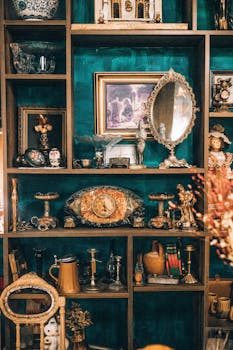
The biggest mistake new collectors make is buying random items that look interesting. A shelf of unrelated objects does not make a collection. It makes clutter. Before you spend a single dollar, decide what you want to collect. Some niches are naturally low-cost. Vintage postcards, stamp sets from the 1970s, and common coins from your own country can often be found for under a dollar each. Other niches like silver coins, first edition modern novels, or vintage video games require more upfront money. Neither is wrong. It just depends on your budget and your interest.
Once you pick a niche, set a hard monthly limit. I recommend starting with $30 to $50 per month. That number might seem low, but it adds up. Over twelve months, you have spent between $360 and $600. That is enough to build a respectable starter collection if you buy smart. Write down your limit and treat it like a bill. Do not go over it just because you found something exciting at a flea market. The item will likely still be there next month. If it is not, that is okay. There will always be another piece. Impulse buying is the fastest way to blow your budget and end up with items you do not really want. Take it from someone who has been there.
Where to Find Affordable Collectibles: 10 Reliable Sources
You do not need a specialty dealer to start collecting. In fact, for budget collectors, specialty dealers are often the last place you want to shop. Here are ten sources where you can consistently find affordable items without paying retail markups.
- Thrift stores and charity shops: These are gold mines for common items. Vintage books, postcards, small toys, and glassware show up regularly. The downside is condition. Many items have wear or damage. Bring a small flashlight and examine everything closely.
- Estate sales: These are often better than thrift stores because whole collections are sold at once. You can sometimes buy entire box lots for very little money. Arrive early on the last day of the sale for the best discounts.
- Flea markets: Pricing at flea markets is inconsistent. Some sellers overprice common items. Others just want to clear space. Negotiate. If a seller asks $5 for a stamped envelope, offer $2. Many will accept.
- eBay auction listings: Fixed-price listings on eBay are usually overpriced. Auctions are where the deals are. Filter your search to show only auction-style listings ending soonest. Bid only once and set a maximum you will not exceed.
- Facebook Marketplace: Local sellers often list collections for quick cash. Search for keywords like âcollection,â âestate find,â or âold items.â Check listings daily. Good deals go fast.
- Garage sales: Early Saturday morning garage sales still produce results. Bring small bills and ask if they have any old coins, stamps, or postcards tucked away.
- Antique malls: These are not always budget-friendly, but some booths sell cheaper items to move inventory. Look for booths that have been in the same spot for years. The owner may be ready to discount.
- Coin and stamp shows: Many dealers at shows have bargain bins. These bins are often ignored by serious collectors but can contain good material for a beginner. Just know what you are looking at before you buy.
- Online forums and subreddits: Communities like r/coins, r/stamps, r/gamecollecting, and r/Flipping have buy-and-sell threads. Prices are usually fair because the community enforces honesty.
- Library discard sales: Public libraries occasionally sell withdrawn books and magazines. If your niche includes printed material, this is a cheap source.
When you inspect items at any of these sources, a jeweler’s loupe helps you spot flaws that affect value. A simple 10x loupe, like those found in jewelers loupe kits, costs around $10 and pays for itself the first time it stops you from buying a damaged coin or stamp at full price. A storage box or acid-free sleeves also keeps your early finds safe. Those small purchases are worth making early.
Common Mistakes Beginners Make When Starting a Collection on a Budget
Even experienced collectors made mistakes when they started. Here are four you should avoid.
Buying without research. The easiest way to overpay is to assume something is valuable because it looks old. Ordinary items from the 1950s are not automatically collectible. Always check recent sold prices before you hand over cash. A quick search on eBay sold listings takes thirty seconds and can save you $20 or more.
Overpaying for common items. Some dealers price everyday items as if they are rare. A 1970 United States quarter is worth face value, not five dollars. A modern postage stamp collection from the 1980s is scrapbook material, not an investment. Learn to recognize what is truly scarce in your niche. Most budget-friendly collections are built from items with high supply and low demand. That is fine, as long as you pay the right price.
Ignoring condition. A collectible in poor condition is worth a fraction of one in good condition. Beginners often overlook small tears, stains, or creases because they are excited to own the item. Over time, those flaws compound and you end up with a collection no one else wants. Always prioritize condition over rarity for your first year of collecting.
Not negotiating. Many sellers expect to be bargained down. If you never ask for a lower price, you are leaving money on the table. A simple âIs that your best price?â often works. At flea markets and garage sales, bundling multiple items for a single price almost always saves you money. It feels awkward at first, but you get used to it.

Budget-Friendly vs. Collectible Investments: Whatâs Worth Your Money?
Not every collectible is an investment. Understanding the difference helps you decide where to put your limited budget. Low-cost collectibles like modern stamps, mass-produced toys, and common coins offer good value for beginners because they are cheap and easy to find. The downside is that they rarely appreciate. You collect them for enjoyment, not for future profit.
Investment-grade collectibles like silver coins, first edition books by major authors, and early video games can appreciate over time. But they also require more upfront money and better storage. Silver coins, for example, need safe storage away from humidity. First editions need climate-controlled conditions and acid-free covers. If you are on a tight budget, focus on enjoyment first. If you have a little more flexibility, consider putting 20% of your monthly budget toward one higher-value item every few months. That way, you build a treasury piece without neglecting your affordable finds.
The trade-off is liquidity. Low-cost items can be sold quickly in bulk. High-value items take longer to sell and often require third-party grading or authentication. For a beginner, the best approach is to enjoy the low-cost items while learning enough to eventually identify a good investment when you see one. There is no rush.
Essential Gear for the Budget Collector (What You Actually Need)
You do not need expensive display cabinets or archival-grade everything to start. But a few basic tools protect your collection and help you buy smarter. Here is what I recommend for someone starting on a budget.
- A 10x jeweler’s loupe. This is the single most useful tool for a collector. It helps you examine condition, detect repairs, and spot counterfeits. A good loupe costs under $15.
- Acid-free storage sleeves or pages. For stamps, postcards, paper items, and photos, acid-free materials prevent yellowing and damage. A pack of 50 pages costs around $10.
- A small notebook or digital spreadsheet. Track where you bought each item, what you paid, and any notes on condition. This stops you from buying duplicates and helps you see your spending patterns. It is easy to forget what you already have.
- A basic display box or binder. For small collectibles like coins or pins, a simple binder with pocket pages keeps everything organized. You do not need a lockbox unless you are storing silver or gold.
- A price guide app or website. Free resources like Numista, StampWorld, or eBay sold listings give you instant pricing data. Use them before every purchase. It becomes a habit quickly.
How to Build a Collection Without Emptying Your Wallet: 3 Realistic Strategies
If you want to grow your collection faster than your budget allows, you need to be strategic. Here are three methods that work well for budget collectors.
Buy in bulk and sell duplicates. Estate sales and online auctions often sell lots of 50 or 100 items for very little money. You keep the best ones and sell the rest. Even if you only sell half the lot for a dollar each, you have effectively gotten your keepers for free. This method works especially well for stamps, coins, and postcards where individual items are cheap but volume discounts exist. It takes a little extra effort, but the payoff is real.
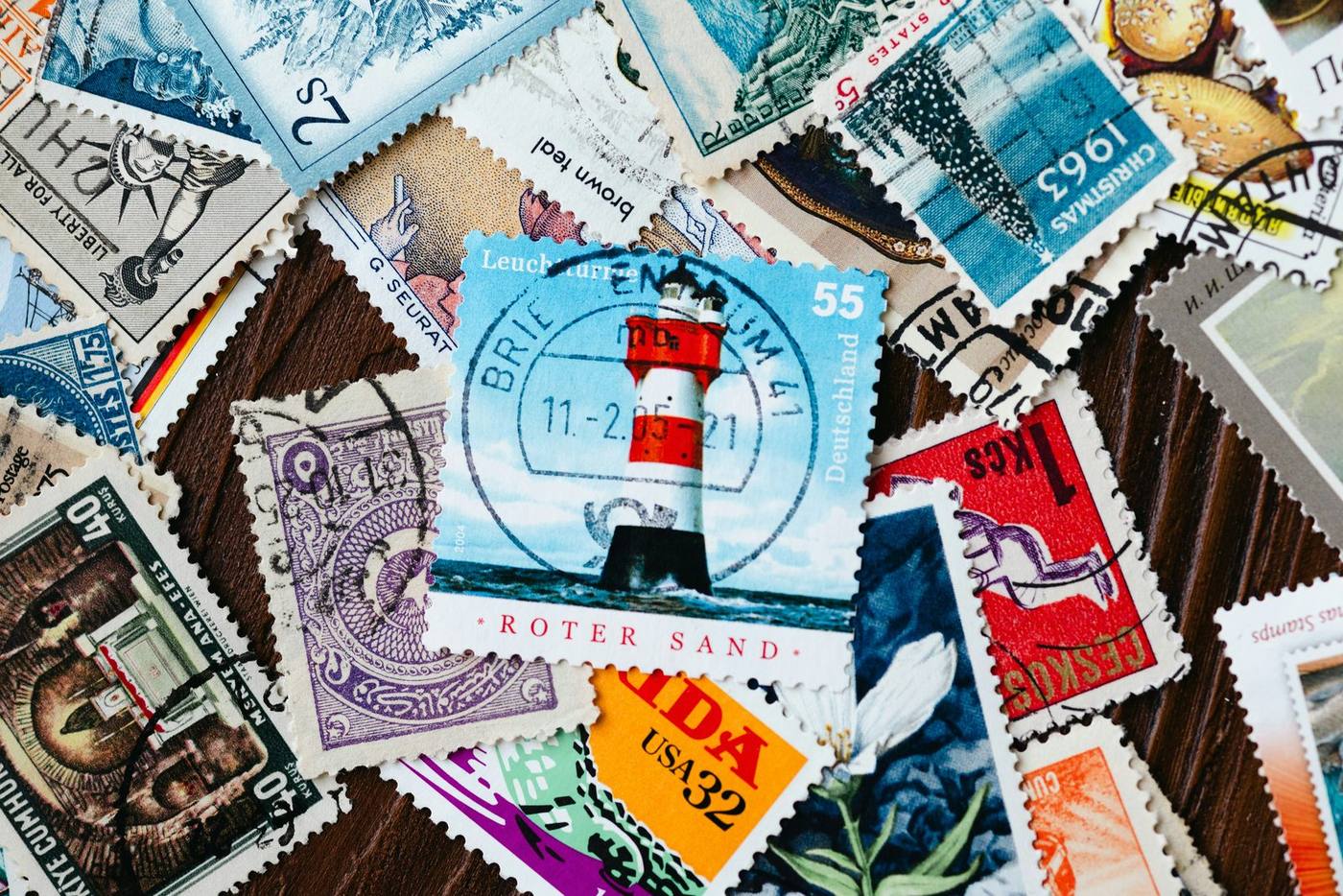
Focus on imperfections or oddities. Collectibles with flaws, misprints, or unusual production errors are often priced lower than perfect examples. A coin with a slight misalignment or a stamp with a color shift can be affordable and genuinely interesting. These items are still collectible, just not as desirable to perfectionists. You can build a unique collection around them without competing with deep-pocketed buyers.
Trade with other collectors. Once you have accumulated some duplicates, you can trade them for items you want. Trading avoids cash outlay entirely. Online forums and local club meetings are great places to arrange trades. Be honest about condition and shipping costs. A successful trade builds goodwill and opens doors to future deals. It is a nice way to connect with people who share your interest.
Using Free and Low-Cost Resources to Research Your Collection
Good research saves you money. Before you buy any item, you should know what it typically sells for and what red flags to look for. Fortunately, you do not need to pay for guides or subscriptions to do this. Public library archives often have reference sections with collector price guides. Online forums like Reddit and Facebook groups dedicated to your niche are filled with knowledgeable collectors who will answer questions for free. Price databases like Numista for coins, StampWorld for stamps, and Discogs for vinyl records are free to use. You can get a lot of information without spending a dime.
Another overlooked resource is public museum collections. Many museums have digitized their holdings. Browsing these curated collections helps you understand what high-quality examples look like. The more you see authentic pieces in good condition, the easier it becomes to spot fakes or damaged items at a flea market. Spend at least thirty minutes a week just browsing reference material. It costs nothing and pays off immediately.
When to Upgrade: Signs You Can Invest a Little More
After a few months of collecting on a tight budget, you will start to notice patterns. You find items consistently priced below market value. You recognize condition grades instantly. You build a network of sellers who give you first access to new stock. These are signs that you are ready to invest a little more. Not a huge leap, just a bump from $50 a month to $75 or $100. It is a natural progression.
Another sign is when your storage solution starts feeling cramped. If you have filled a binder or display box, you are past the experimental phase. It is reasonable to buy a better storage case or splurge on a single higher-value piece. The key is to upgrade slowly. Do not double your budget overnight. Increase it by 25% and see how it feels. If you still maintain discipline after two months, you can go higher. If you start impulse buying, step back to the original limit. There is no rush to spend more.
How to Connect with Other Budget Collectors (and Why It Helps)
Collecting alone is fine, but collecting with a community is cheaper and more rewarding. Local coin clubs, stamp clubs, and hobbyist groups often have monthly meetings with raffles, auctions, and swap tables. Membership fees are usually under $20 a year. Online groups on platforms like Reddit, Discord, or specialized forums are even cheaper. You can trade, ask for price opinions, and get condition assessments from people who have no financial stake in your purchases. It helps to have a second set of eyes.
Connecting with other budget collectors specifically is helpful because they understand the financial constraints. They will not pressure you to buy expensive items. They will share their own bargain finds and tips. Some groups organize bulk buys, where several members pool money to purchase a large lot and divide it up. That is one of the fastest ways to acquire items at wholesale prices without spending much yourself. It is worth finding a group that fits your style.
Final Thoughts: Start Small, Stay Focused, Enjoy the Hunt
Starting a collection on a budget is not a limitation. It is a strategy. It forces you to be deliberate, to learn deeply, and to appreciate each piece you acquire. Some of the best collections I have seen began with pocket change and a single shelf. Yours can too. The most important thing is to start. Pick a niche that genuinely interests you. Set a small monthly budget. Visit a thrift store or browse an online auction tonight. The first item you buy will feel small, but it is the beginning of something that can grow into a meaningful hobby over years. Stay focused, spend smart, and enjoy the process. That is what it is really about.