Introduction
If you’re a collector, you already know that keeping your items in good condition is most of the work. Whether you collect vinyl records, comic books, trading cards, coins, vintage action figures, or fine art prints, the environment you store them in matters as much as how you pack them. Heat, cold, and moisture can quietly damage what you’ve spent years building. That’s where climate controlled storage collectibles comes into the picture. This guide covers what climate controlled storage actually means, why collectibles need specific conditions, and what tradeoffs you should think about before renting a unit. No fluff, just practical information based on real storage scenarios.
What Climate Controlled Storage Actually Means
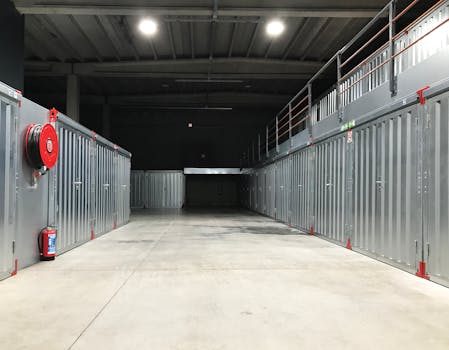
When a storage facility says “climate controlled,” it sounds simple enough. But it’s not always as straightforward as it seems. Generally, a climate controlled storage unit keeps the temperature between 55°F and 80°F year-round. That’s the typical range. “Climate controlled” isn’t a regulated term, though. One facility might maintain a steady 65-75°F with humidity management, while another might just keep things above freezing and call it good.
The real difference is between temperature-only units and units that also handle humidity. Many climate controlled facilities only regulate temperature. That helps, but it’s only half the equation for collectibles. Humidity is often the bigger problem, and not all facilities address it. Before you rent, ask specific questions: Do they monitor relative humidity? Is there a dehumidifier or humidifier system? What’s the actual temperature range throughout the year? Get these answers in writing if you can. Don’t assume the word “climate controlled” covers everything your collection needs. A unit that stays at 75°F but lets humidity hit 80% in the summer is still risky for paper and plastic collectibles.
Why Collectibles Are Especially Sensitive to Environment
Different collectible materials react differently to heat, cold, and moisture. Understanding the basics helps you see why climate control isn’t optional for many collections. Paper is one of the most vulnerable materials. Comic books, posters, trading cards, and prints are made from cellulose fibers that expand and contract with humidity changes. Too much moisture leads to warping, mold growth, and that musty smell that kills value. Too little moisture makes paper brittle and easy to crack.
Vinyl records warp under sustained heat above 85°F. Even a slightly warped record can have playback problems. Cold itself isn’t as bad, but condensation forms when a cold record meets warmer air, and moisture on the grooves is a problem. Plastic collectibles like action figures and Funko Pops aren’t indestructible either. High heat can soften or melt certain plastics, especially vintage items made from less stable materials. Low humidity can make plastic brittle over time.
Metal items like coins, die-cast cars, and metal signs are prone to rust and corrosion if humidity is too high. Even silver coins can tarnish faster in moist air. Textile collectibles, such as vintage clothing or signed sports jerseys, absorb moisture and can develop mildew. Each material has its own sensitivities, but the common factor is that extremes of temperature or humidity speed up degradation. A stable environment slows down the aging process and keeps your collection in the condition you paid for.
Temperature: The Ideal Range and What Happens Outside It
The ideal temperature range for most collectibles is between 65°F and 75°F. That’s the sweet spot where paper, plastic, metal, and fabric all stay stable. If you find a facility that stays within that range, you’re in good shape. Temperatures sustained above 85°F get risky. Paper becomes brittle and yellowed faster. Vinyl records soften enough that stacking them can leave permanent impressions. Plastic figures can warp or develop sticky residues.
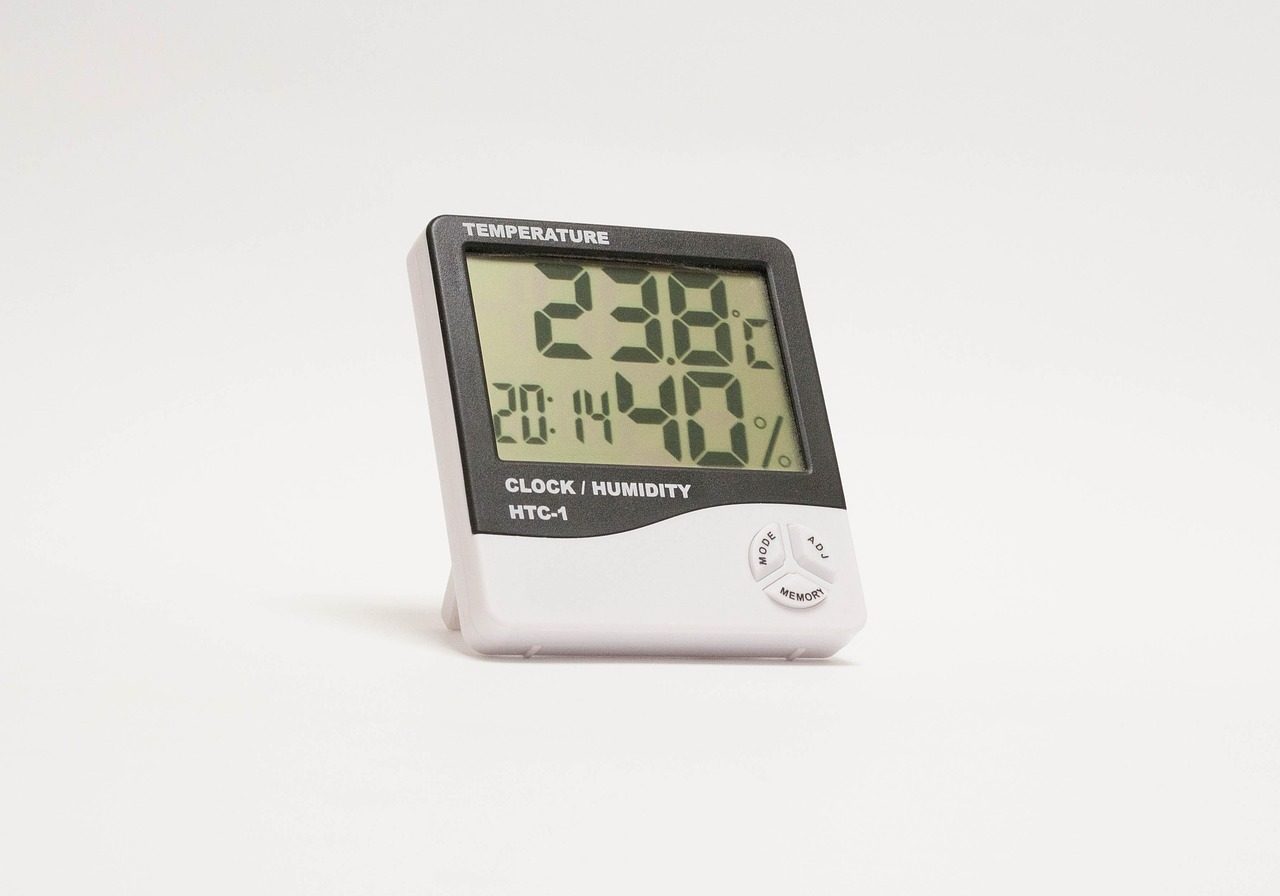
Sustained temperatures below 50°F aren’t great either. The cold itself isn’t directly damaging to most collectibles, but condensation becomes the problem. When a cold item is brought into a warmer space, or when the unit warms up quickly in spring, moisture forms on surfaces. That moisture causes rust on metal, mold on paper, and peeling on stickers or labels. Brief temperature fluctuations that happen over hours are usually less harmful than weeks of sustained heat or cold. A good climate controlled unit prevents those long-term extremes. If you’re storing vinyl records, the seasonal storage test is simple: if you’ve ever opened a box in the fall and found warped records from a hot summer, you already know why climate control matters. For collectors dealing with temperature-sensitive items, a digital hygrometer thermometer is a practical tool to verify conditions in your unit.
Humidity: The Silent Threat to Your Collection
Temperature gets most of the attention, but humidity is often the more destructive factor. Relative humidity (RH) is the percentage of moisture in the air relative to the maximum it can hold at that temperature. For collectibles, you want to target 40-50% RH. High humidityâanything above 60%âencourages mold growth on paper and fabric. It also speeds up rust on metal and causes paper to ripple or stick together. Even the glue on stickers and trading card packs can break down in high moisture environments.
Low humidityâbelow 30%âdries out paper, making it brittle and prone to tearing. Plastic and vinyl can become more brittle too. The challenge is that many climate controlled storage units only manage temperature. They don’t actively control humidity. You need to ask the facility directly how they handle humidity. Some rely on the building’s air conditioning, which naturally removes some moisture, but that isn’t always enough in humid climates. A good idea is to place a small digital hygrometer inside your unit. These devices cost around $10 and give you a real-time reading of humidity levels. Check it during different seasons to see if the conditions stay in the safe zone. If you see humidity consistently above 55%, you may need to bring silica gel desiccant packs or reconsider the facility.
Common Mistakes Collectors Make With Storage Units
Even with a climate controlled unit, collectors make mistakes that undermine their protection. Knowing these common errors can save you from expensive losses. First, relying entirely on the facility’s “climate controlled” label without verifying conditions. Always check the unit yourself, ideally during the hottest and most humid part of the year. Bring that hygrometer. Second, placing boxes directly on concrete floors. Concrete absorbs moisture from the ground, and even a small amount can wick into cardboard boxes. Use wooden pallets or plastic shelving to keep everything elevated at least a few inches.
Third, using cardboard boxes for long-term storage. Cardboard is absorbent and can hold moisture against your collectibles. Plastic bins with tight-sealing lids are a much better choice. Fourth, overpacking the unit to the point where there’s minimal air circulation around boxes. Stagnant air can lead to microclimates with higher humidity inside tightly packed stacks. Leave some space between items. Fifth, not insuring your collection. Most basic storage insurance caps out at low amounts and doesn’t cover collectibles by category. Ask about separate collectible insurance or add a rider to your homeowners or renters policy. These mistakes are easy to fix once you know they matter.
Climate Controlled vs. Non-Climate Controlled: A Practical Comparison
The biggest difference is cost. Climate controlled units typically cost 20% to 50% more than standard units. For a 5×5 or 5×10 unit, that might mean an extra $30 to $80 per month depending on your area. Is it worth it? That depends on what you’re storing. If your collection consists of paper-based items, plastics, vinyl records, or any metal, the answer is almost always yes. The damage from one bad summer or a humid winter can exceed years of monthly premium payments.
Geography also plays a role. If you live in a dry climate like Arizona, temperature control might be your main concern, and humidity might stay naturally low. In Florida or the Gulf Coast, humidity is a year-round battle, and a unit without active moisture management is a risk even if the temperature is comfortable. In colder northern states, the risk comes from dramatic temperature swings and condensation during spring thaw.
As a general rule, if your collection has a total value exceeding $500 and includes anything made of paper, plastic, or metal, paying for climate control is a straightforward recommendation. Below that threshold, you might manage with careful packing and monitoring in a standard unit, but it’s still riskier. Think of the climate control premium as insurance for the condition of your items, not just the space.
How to Choose a Climate Controlled Storage Facility
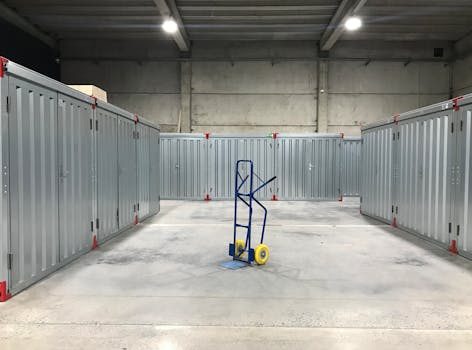
Not all climate controlled facilities are created equal. You need to do some digging beyond the advertising. Start by visiting in person. Don’t rely on photos or online reviews. Walk into the building and feel the air. Is it comfortable? Does it feel damp or musty? Check the temperature and humidity with your own meter. Ask how old the HVAC system is and whether the building is insulated. A facility with a new, well-maintained system is a better bet than an older one that might struggle during extreme weather.
Security is another factor. Look for individual unit alarms, good lighting, and secure access systems. Collectibles are attractive targets. Ask about pest control. Even in a climate controlled building, insects can find their way in if the facility doesn’t have regular pest management. Also check the facility’s policy on unit access. Can you come anytime, or are there restricted hours? Being able to do a quick check every few months is important. Finally, ask if the facility has temperature alarms that alert management if conditions drift outside the set range. Some higher-end facilities offer remote monitoring. If they don’t, at least confirm that they check the climate systems regularly. These details separate a truly secure facility from one that just puts up a sign.
Preparing Your Collectibles for Long-Term Storage
Even with a perfect climate controlled unit, how you pack matters. Use acid-free boxes for paper items like comics and trading cards. For vinyl records, store them upright like books, never flat. Place records in poly-lined inner sleeves and sturdy outer sleeves before boxing them. For plastic bins, choose clear or opaque containers that seal tightly to keep out dust and moisture. Avoid cardboard boxes for anything you care about long term.
Wrap individual items in archival paper or bubble wrap if they’re fragile. Action figures should be stored away from direct light, which can fade packaging and figures over time. Use silica gel desiccant packs inside sealed bins if you live in a humid climate. These absorb excess moisture and can be easily replaced every six months. Elevate everything off the floor, even if the floor is concrete. Plastic pallets or wire shelving work well. Leave some space between bins for airflow. Don’t stack heavy items on top of fragile collectibles. A good system is to put heavier bins on bottom shelves and lighter, more delicate items on top. This practical packing effort pays off the first time you open a bin after two years and find everything exactly as you left it.
Monitoring and Maintenance: Don’t Set and Forget
Climate controlled storage isn’t a “set it and forget it” solution. You should check on your unit every two to three months. Visit during different seasons to see how the environment holds up. Look for signs of trouble: a musty smell, sticky feeling floors, or visible condensation on the inside of bins or metal shelving. These are red flags that humidity is too high or the HVAC system isn’t keeping up.
A remote temperature and humidity monitor can give you peace of mind. These devices send readings to your phone via WiFi or cellular and alert you if conditions go out of range. They cost between $30 and $100 and are worth it for high-value collections. If you notice humidity creeping above 55%, bring in additional silica gel packs or talk to the facility management about adjusting the system. If the temperature swings beyond the safe range, it might be time to move your items to a different facility or unit. Regular monitoring turns a good storage setup into a reliable long-term solution. Your collection deserves that attention.
When a Climate Controlled Unit Might Not Be Enough
For most collectors, a well-maintained climate controlled unit works well. But there are situations where even that isn’t enough. If you own extremely valuable or unique items, like original comic book art or first edition books worth thousands of dollars, you might want something more specialized. Archival storage services exist that maintain tighter control over both temperature and humidity, often with added security and fire protection. These services cost more, but for irreplaceable items, it’s an option worth considering.
For small, high-value items like rare coins or graded trading cards, a home safe or safety deposit box within a climate controlled environment might be a better choice. A storage unit is a shared environment, and even the best facility is not the same as a curated archival storage room. The point is to avoid false confidence. Know the limitations of what a standard climate controlled unit can provide. For routine collections it’s excellent. For museum-grade pieces, explore the next tier of preservation. Thinking critically about the level of protection your collection needs shows real expertise.
Final Recommendations for Getting It Right
Getting climate controlled storage right for your collectibles comes down to a few key actions. Prioritize a facility that manages both temperature and humidity. Verify conditions yourself with a hygrometer, especially during extreme seasons. Pack your items using archival materials and plastic bins, and keep everything off the floor. Check on your unit every few months and address any warning signs quickly. If your collection has significant monetary or sentimental value, the investment in a good climate controlled unit is simply part of the cost of ownership.
Take a few minutes to evaluate your current storage situation. If you’ve been relying on a non-climate controlled garage or basement, consider upgrading. Your collection’s condition and long-term value depend on it. When you’re ready, look for a facility that ticks all the boxes we covered. And if you need packing supplies like plastic storage bins with lids, archival boxes, or hygrometers, those are small purchases that make a big difference. A little planning now protects the collection you’ve worked hard to build.