Introduction
Perfume bottle collecting is one of those hobbies that pulls you in quietly. You see one pieceâan old Lalique with frosty glass, maybe a Deco-era atomizerâand suddenly you’re noticing them everywhere. A friend has one on their vanity. An antique shop has a whole case. Before long you’re looking up Baccarat marks at 11 PM.
The appeal is real. These bottles are small sculptures with history baked in. But if you’re just starting out, the market can feel confusing. This guide is for people interested specifically in vintage designsâpre-1980s, with a focus on perfumery’s golden age. I’ve been collecting for a while now, and I’ve definitely made my share of mistakes. This should help you skip the worst of them.
Why Collect Vintage Perfume Bottles?
Modern perfume bottles are mostly functional packaging. They hold liquid, look decent on a shelf, and that’s about it. Vintage bottles were different. They were designed as part of the experience. The bottle had to sell the perfume before you ever smelled it.
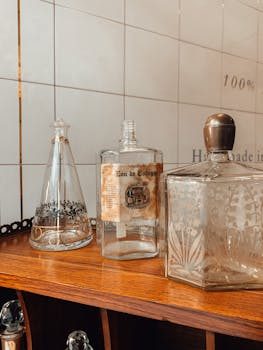
Craftsmanship is the main draw. You get blown glass, hand-cut crystal, porcelain stoppers. The designs reflect whatever was happening culturally at the time. Art Nouveau bottles (roughly 1890-1910) have flowing, organic lines. Art Deco (1920s-1930s) is all geometry and bold colors. Mid-century (1940s-1960s) gets cleaner, more modern.
The materials themselves are worth noting. Heavy lead crystal from Baccarat. Richly colored enameled glass from Lalique. Detailed cut glass from smaller European makers. These aren’t just containersâthey’re small sculptures. And here’s the thing: you can often pick up a piece of design history for less than a modern designer handbag costs. If you want to appreciate the detail work up close, a jeweler’s loupe helps catch the fine glasswork the naked eye misses.
What Defines a Vintage Perfume Bottle?
For collection purposes, “vintage” usually means pre-1980. “Antique” typically means pre-1920s. This guide covers both, since the evaluation principles are similar.
Each era has its own look. A 1920s Lalique feels completely different from a 1950s DeVilbiss atomizer. The maker matters most. French houses like Lalique and Baccarat sit at the top of the market. Below them are American and Czech makers like Coty, Caron, and various Czechoslovakian glass companies. Condition affects collectibilityâthe glass, stopper, and label all matter. A well-known maker in good condition almost always beats a rare shape from an unknown maker with damage.
Key Features to Examine Before Buying
Before you spend money, have a mental checklist. I’ve ignored this and ended up with a beautiful bottle that leaks, or a “rare” find that turned out to be damaged. Here’s what to check:
- Stopper Fit: This is the most important functional thing. The stopper should fit snugly. A loose stopper means the bottle will evaporate if you display it with scent. Look for ground glass necksâthat’s a good sign. Poor fit usually means damage or a replacement.
- Atomizer Condition: If it has an atomizer, test it. Does the bulb puff air? Is the metal intact? Atomizers fail first. A working original atomizer adds real value. A broken one can sometimes be replaced, but it’s a hassle.
- Label Integrity: Original labels are a big plus. They add authenticity and often show the brand and fragrance. Look for labels that are intact and readable. Faded or peeling is common but less desirable. Some collectors prefer no label at all if the engraving is clear.
- Gilding and Enamel: Many vintage bottles have hand-applied gold or enamel. This is fragile. Check for chips, flaking, or wear. Flawless gilding is worth a premium. Heavy wear hurts value.
- Chips and Cracks: Inspect the rim, base, and stopper carefully. A chip on the stopper is minor. A chip on the rim is majorâit affects the seal. A crack is almost always fatal for value and function.
- Original Box: A bonus, not a necessity. But an original box can add 20-50% to the value for higher-end makers. If you see a box, ask to see the bottle out of it.
Where to Find Vintage Perfume Bottles for Your Collection
Hunting is part of the fun. But each source has different risk and reward. Here are the main ones.
- Estate Sales and Tag Sales: Best for beginners. You can inspect the bottle in person, and prices are usually fair. You never know what you’ll find. Go early for selection, late for deals. Bring a flashlight and a magnifying loupe.
- Online Auctions (eBay, LiveAuctioneers): The biggest marketplace. Thousands of bottles, but you can’t inspect them. Rely on high-resolution photos and detailed descriptions. Look for established sellers. “As-is” or “untested” usually means a problem. eBay is good for deals. LiveAuctioneers is better for authenticated high-end pieces from reputable houses.
- Specialty Antique Shops and Malls: Curated, so you pay more, but the bottles are typically vetted. A good shop owner can tell you the maker and era. Low-risk place to learn. Build a relationship with a dealer.
- Flea Markets and Antique Shows: High-risk, high-reward. You can find incredible bargains if you know what to look for. You’ll also see reproductions and damaged goods. Never buy a bottle you can’t inspect from every angle.
- Facebook Marketplace and Local Groups: Mixed bag. Sometimes you find a collection at a fraction of market value. Be skeptical of edited photos. Meet in public and inspect before paying.
For serious collecting, a good magnifying loupe pays for itself the first time you spot a hairline crack. A padded display case is smart for protecting your collection from dust and bumps. Beginners may find a padded display case helpful for keeping delicate finds safe.
Common Mistakes New Collectors Make
I’ve made all of these. Here’s how to avoid them.
- Overpaying for Common Bottles: Old doesn’t mean rare. A common 1950s atomizer from a mass-market brand isn’t a collector’s item. Learn the big makers and condition markers first. Don’t pay a premium for something you see at every other stall.
- Neglecting to Check for Damage: A chipped rim or cracked stopper is a dealbreaker. I once bought a cheap bottle that looked perfect in photos. Two days later I noticed a hairline crack from the neck. Now it’s a decoration, not functional. Always inspect under good light.
- Buying Without Knowing the Maker: Value is tied to maker. A signed Lalique is worth hundreds. An unsigned pretty bottle might be $20. If you’re spending over $50, identify the maker. Ask the seller or research the shape online first.
- Ignoring Residue or Smell: Dried, crystallized old perfume inside is a pain to clean and can damage glass. Check for sticky residue, discoloration, or a foul smell. Clean bottles are more valuable. Don’t pour alcohol or acetone into a bottle without researchâit can ruin the finish.
- Not Verifying Stopper Authenticity: Replacement stoppers get sold as originals. A mismatched stopper is a red flag. Glass color, weight, and fit should be uniform. A loose stopper or one that feels different in weight is probably not original.
How to Authenticate Vintage Perfume Bottles
Authenticity matters. You don’t want to pay a premium for a reproduction. Here’s what to look for.
Signatures and maker’s marks are most reliable. Lalique bottles are usually signed “Lalique France” on the base or stopper. Baccarat pieces often have a molded mark. Look for mold linesâgenuine vintage bottles have them, neat and consistent. A bottle that looks perfectly cast with no mold lines might be a modern reproduction.
Check for pontil marks on the baseâthat rough spot where the glassblower’s punt was attached. It’s a good sign of age and handwork. Glass weight is another clue. High-quality crystal feels heavy and solid. Cheap glass feels hollow and light. Patina is normalâslight wear on gilding or a gentle haze is age. New bottles look too perfect.
Budgeting for Your Collection: What Should You Expect to Pay?
Let’s talk numbers. You can collect on a modest budget, but know the tiers.
- Under $50: Common mid-century bottles from brands like Coty, or anonymous cut glass atomizers. Condition is everything. A perfect example at this price is a great deal.
- $100 â $500: The sweet spot. Good examples from desirable makers like DeVilbiss, Caron, some early Lalique or Baccarat. Requires homework on the specific model.
- $500 â $1,000+: Rare, documented pieces. Original Lalique and Baccarat from the 1920s-1940s in excellent condition. A bottle with documented history, original box, perfect stopper fit commands this price.
- $1,000+ (and often much more): Museum-quality rarities. Signed and documented Lalique “Biches” or “Muguet” bottles. Investment-grade.
Price comes from rarity, condition, maker, and demand. A signed, perfect Lalique almost always beats an unsigned, damaged one from a lesser maker. Start under $50 to learn, then build up.
Caring for and Displaying Vintage Perfume Bottles
Once you own them, protect them. These are delicate. Here’s practical care.
- Keep Them Out of Direct Sunlight: Sunlight bleaches colors, fades labels, can make glass brittle over time. Display away from windows.
- Clean Gently: Soft, lint-free cloth. For dust, just wipe. For light residue, a tiny drop of mild dish soap in warm water on a cotton swab. Never soak a bottle with a paper label. Dry immediately. No harsh chemicals or abrasives.
- Handle with Gloves: Finger oils can damage labels and gilding. I keep white cotton gloves next to my display case. Worth the habit.
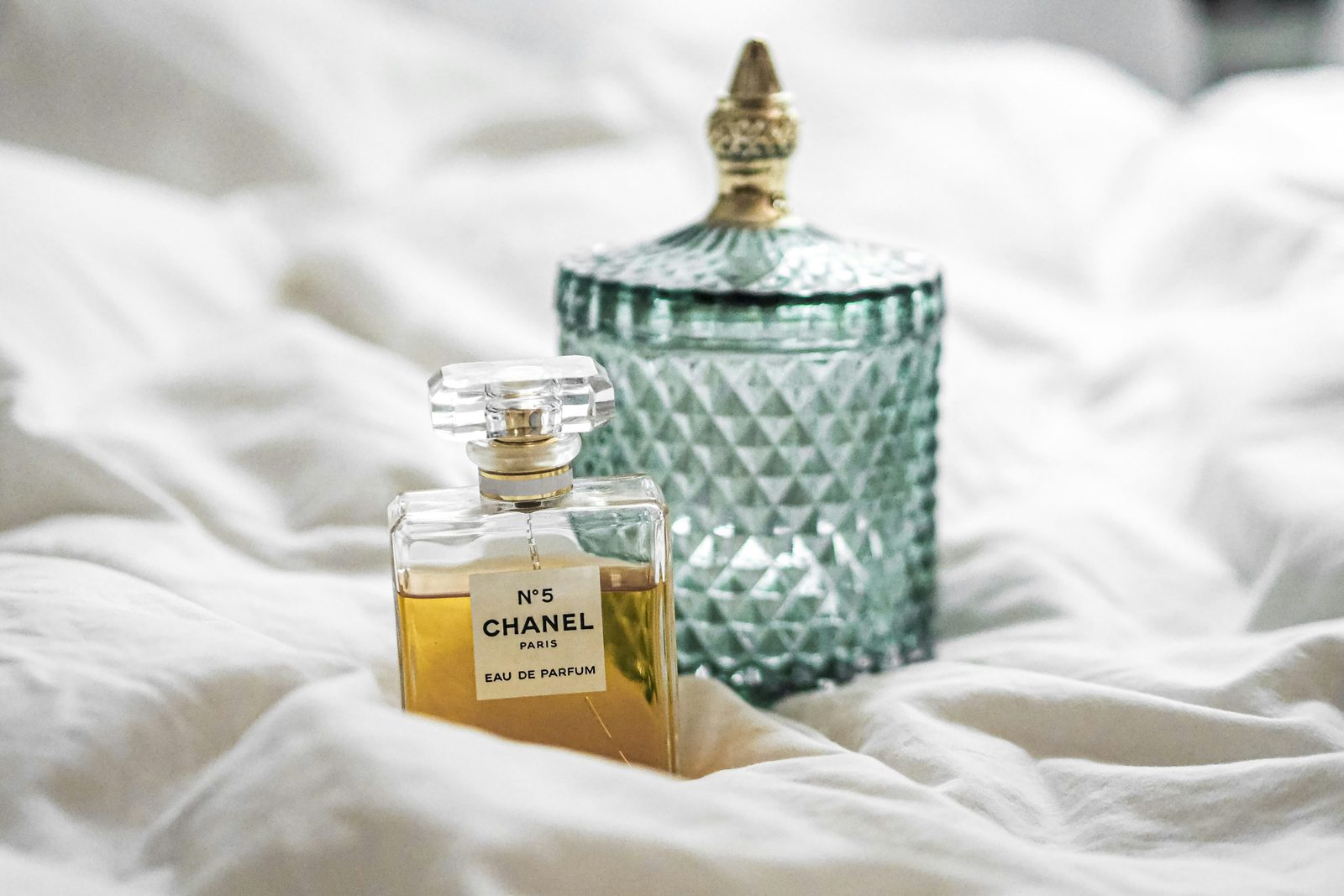
- Use a Case: Glass-front display case keeps dust off and prevents knocks. The IKEA Detolf works for smaller collections. For larger ones, a curio cabinet with adjustable shelves. A padded, non-slip shelf liner stops bottles from sliding. Travelers moving bottles to shows might want a padded travel case.
Deciding What to Focus On: Designers vs. Anonymous Bottles
This is a strategic choice. You can focus on known makers or anonymous bottles grouped by style or era. Both work, but tradeoffs exist.
Focusing on known makers is safer for long-term value. A signed Lalique will always be desirable and relatively liquid. Research is easierâbooks and databases exist for specific models. The downside is cost. You’re paying a premium for the name.
Focusing on design style or era lets you build a unique collection without breaking the bank. Collect only Art Deco shapes, or blue glass, or 1930s French bottles. The tradeoff: anonymous bottles are harder to research and sell. Value is more subjective, driven by condition and aesthetics.
I’d recommend starting with a mix. Buy a few affordable anonymous pieces you love. Then save for one or two signature pieces from a known maker. Gives you a broader education.
Where to Sell or Trade Bottles as Your Collection Grows
Collecting isn’t static. Taste evolves. You upgrade. Good news: a curated collection can be financially sustainable.
eBay is easiest for selling duplicates or pieces you’ve outgrown. Price based on recently sold listings, not asking prices. Good photos are mandatory. Be honest about condition.
Online collector groups and forums are great for trading. Swap something you’re done with for something that fits your current focus. The audience knows the market, so pricing is fair. Low-fee way to upgrade.
Consignment through an antiques dealer is best for high-value pieces. They handle listing and customer interaction, taking a cut. Path of least resistance for a rare Lalique you want to part with.
Final Thoughts: Building a Collection That Reflects Your Taste
Most important rule: collect what you enjoy. A collection full of pieces with personal meaningâdesign, history, how you found themâwill bring more satisfaction than one assembled purely for investment.
Start slow. Focus on condition over rarity. Buy from sources where you can inspect. Use the authentication markers you’ve learned. Don’t be afraid to pass on a bottle that doesn’t feel right. The best collections are built one excellent piece at a time.
If this guide was useful, grab a magnifying loupe and a notebook. Hit your local estate sale or antique mall. Hands-on experience is the only real way to learn. Happy hunting.