“`html
Introduction
If you collect paper itemsâstamps, comics, vintage photographs, autographs, or old lettersâyou already know the challenge: paper is fragile. It yellows, gets brittle, and soaks up moisture and pollutants like a sponge. The wrong storage solution can ruin a valuable collection in a few years, sometimes even months. This article covers what you need to know about archival storage for paper collectibles, from the science behind the jargon to the practical products you should actually buy. I have made plenty of mistakes over the yearsâthrowing valuable stamps in PVC sleeves, stacking comics in a damp basement, storing photos in old shoeboxes. Each of those mistakes cost me. I wrote this to save you the same trouble. We will break down what archival quality really means, how to match storage to your specific collectible type, the mistakes to avoid, and where you can save money without sacrificing safety.
What Does Archival Quality Actually Mean for Paper Collectibles?
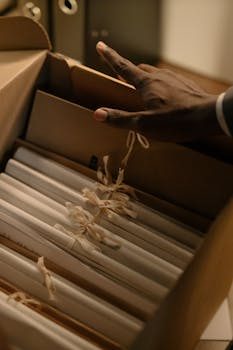
The term “archival” gets thrown around a lot, but in practical terms it refers to materials that won’t chemically damage paper over time. The most important properties are acid-free, lignin-free, and pH neutral (or buffered). Acid causes paper to yellow and become brittleâthe same process that happens to newspaper left in the sun. Lignin, a natural component of wood pulp, accelerates that breakdown. Archival materials are made from purified wood pulp or cotton, with no lignin and a neutral pH (around 7). You will also see “buffered” materials, which have an alkaline reserve (usually calcium carbonate) to neutralize future acid migration from the paper itself.
The choice between buffered and unbuffered matters more for photographs. Most modern papers and documents are safe with buffered storage, but certain color photographs and some vintage albumen prints can react negatively to alkalinity. For those, you want unbuffered sleeves or interleaving paper. Materials also matter: Mylar (polyester) is the gold standard for sleeves because it is crystal clear, strong, and chemically inert. Polypropylene is a good budget alternative that is also archival-safe. PVC is the enemyâit off-gasses plasticizers that cling to paper and cause irreversible damage. In real-world terms, using archival storage means your 1950s comic book will still be readable in 30 years, not crumbled into yellow dust. Without it, you are gambling.
Matching Storage to Your Collectible Type: Photos, Documents, Comics, and More
Photographs
Photographs are the most sensitive. Use unbuffered, acid-free sleeves or interleaving paper. Avoid “magnetic” albums with sticky pagesâthey cause irreversible damage. Top-loading polypropylene sleeves work well for individual prints. For negatives, use specific negative sleeves made of archival polypropylene or Mylar. Never store photos in contact with rubber bands, paper clips, or adhesive tape. Each item should have its own sleeve or be separated by acid-free tissue. For those starting out, a pack of unbuffered archival photo sleeves offers a solid foundation.
Documents and Letters
Letters and documents benefit from individual folders or sleeves made of acid-free paper or clear polypropylene. For more valuable items, consider Mylar sleeves. Store documents flat in a box, never folded. If you must store folded items, unfold them occasionally to reduce stress on the crease, or better yet, flatten them under weight between acid-free boards.
Comics
Comics need the classic combo: an acid-free backing board and a polypropylene bag. Standard bags are made from polyethylene or polypropyleneâboth are safe. Avoid PVC bags entirely. Backing boards should be acid-free and buffered. Replace bags and boards every 5 to 10 years because even archival plastics can degrade over time. Store comics vertically (spine down) in a box. Do not stack them horizontally. A simple way to standardize is to look for acid-free comic backing boards that fit your collection.
Stamps
Stamps are small and easily damaged by humidity and adhesives. Use glassine envelopes for individual stampsâthey are breathable and acid-free. Archival mounts (hingeless) are also safe. Avoid stamp albums with PVC pages or adhesive strips. For mint stamps, the less handling the better.
Maps and Posters
These should be stored flat in large archival boxes or rolled around an acid-free tube. Never fold valuable maps or posters. If rolled, wrap them in acid-free tissue paper first.
The Top 5 Mistakes Collectors Make When Storing Paper Items
- Using PVC sleeves or pages. PVC off-gasses plasticizers that bond to paper and cause yellowing and brittleness. This is the fastest way to ruin a collection. Always check the labelâif it doesn’t say archival, assume it’s PVC.
- Storing in basements, attics, or garages. These environments have wild temperature and humidity swings. Basements flood, attics get scorching hot, and garages have car exhaust and fumes. Paper likes stable conditions. Your bedroom closet or a climate-controlled office is a much better spot.
- Stacking items without support. Piling heavy books or boxes on top of paper collectibles crushes them, bends corners, and can cause permanent creases. Use flat boxes that support the full surface, and stack items of similar size together.
- Using regular cardboard boxes. Cardboard contains acid and lignin that leach into paper over time. If you must use cardboard (e.g., for comics in long boxes), line the inside with archival paper or use boxes specifically made for the purpose. Frequent users may benefit from investing in acid-free archival storage boxes to avoid this issue.
- Neglecting light exposure. Direct sunlight and even bright indoor light fades inks and accelerates paper aging. Store items in opaque boxes or sleeves with UV protection. If you display a piece, rotate it out every few months.
Archival Storage Boxes: What to Look For and What to Avoid
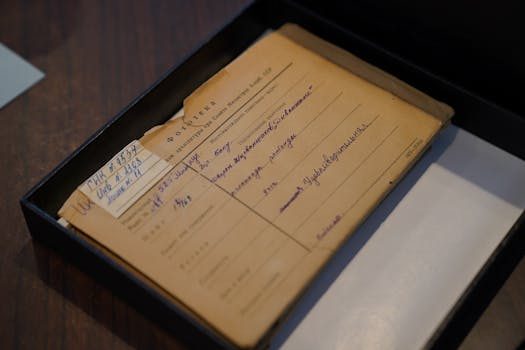
Storage boxes are the backbone of any paper collection. The right box protects against dust, light, and physical damage. The wrong box introduces acid and moisture. For serious collectors, the choice often comes down to three major brands: Gaylord Archival, Lineco, and Itoya. Each has strengths depending on your needs.
Gaylord Archival boxes are the industry standard for museums and archives. They are made from buffered, acid-free corrugated boards and come in every size you can imagine. They are expensive but built to last decades. If you have heirloom pieces or a large collection, these are your best bet. Look for drop-front boxes for documents and flat storage boxes for oversized items like maps.
Lineco offers similar quality at a slightly lower price point. Their flip-top boxes are excellent for letters and photographs. They also make a good range of sizes for comic books and postcards. For budget-conscious collectors, Lineco is a solid middle-ground.
Itoya makes presentation binders and boxes that are more consumer-oriented. They are acid-free and affordable, but the construction is less robust than Gaylord. They are fine for items you handle frequently or for less valuable pieces. Avoid Itoya boxes for long-term, high-value storage if you can spend a bit more.
What to avoid: any box that smells acidic or has a printed label glued to the outside (glue can migrate). Regular cardboard boxes from moving stores are a hard no. Also avoid plastic bins with tight lids that trap moisture. If you must use plastic, choose a bin with ventilation and line it with archival paper.
Sleeves, Binders, and Albums: Which Options Are Safe?
The world of sleeves and binders is confusing because every product claims to be archival-safe. Here is how to sort them out. The safest sleeves are made from Mylar (polyester). They are optically clear, strong, and chemically inert. The downside is costâMylar sleeves can cost twice as much as polypropylene. For most collectors, polypropylene is perfectly fine. It is archival-safe, flexible, and affordable. The key is to make sure it is true polypropylene, not polyethylene or PVC. Check the product label or the manufacturer’s website.
For page protectors in binders, polypropylene is the standard. Brands like UltraPro and BCW make good ones for sports cards, comics, and photographs. Avoid the soft, flimsy protectors that feel greasyâthey are PVC. A simple test: if the plastic has a strong chemical smell, it is not safe. Also avoid protectors that have a pebbled texture; these can scratch the surface of photographs.
For binders, avoid metal D-rings that can dent paper items. Post-bound albums (like those from Print File or Kolo) allow you to add pages without bending the spine. They are ideal for photographs and documents. For stamp albums, choose archival-quality mounts from brands like Hawid or Showgard.
I have personally used BCW bags for comics for years without issue. For photographs, Print File polypropylene pages have been reliable across multiple climates. If you have a single irreplaceable item, spend the extra on Mylar. Otherwise, polypropylene will do the job. For anyone building a comprehensive setup, a set of archival polypropylene sleeves is a practical starting point.
How to Store Paper Collectibles Long-Term: Environmental Considerations
Even the best archival storage materials can’t protect your collection if the room is wrong. Paper is sensitive to temperature, humidity, and light. The ideal ranges are 65â70°F (18â21°C) and 40â50% relative humidity. These conditions slow chemical degradation and discourage mold and insects. Fluctuations are worse than stable, slightly imperfect conditions. A room that stays at 75°F and 55% humidity year-round is better than one that swings between 60°F/30% and 80°F/70%.
Most homes don’t have perfectly controlled conditions, but you can get close. Silica gel packs (rechargeable) help manage humidity inside storage boxes. Dehumidifiers are essential in basements and humid climates. UV filtering sleeves protect items that you display. For long-term storage inside boxes, add a humidity indicator card so you know if moisture is building up.
The biggest dangers: basements (damp, flood risk), attics (hot, dry, bugs), and garages (fumes, temperature swings, dirt). If you have to store items in a basement, use a waterproof plastic tote with a tight seal and add desiccant packs. But honestly, try to store paper collectibles in a living area or climate-controlled space. Your collection will thank you.
Affordable vs. Premium Archival Storage: Where to Spend and Where to Save?
Not everything needs to be museum-grade. Here is a practical breakdown of when to spend and when you can save.
Where to spend:
- Unbuffered sleeves for photographs (especially color and vintage prints).
- Mylar sleeves for irreplaceable, high-value single items.
- Gaylord or Lineco boxes for long-term storage of your most valuable collection.
- Acid-free backing boards for comic books.
Where you can save:
- Polypropylene sleeves for general use (comics, documents, stamps).
- Buffered acid-free paper interleaving for most documents and prints.
- Itoya or BCW binders for less valuable or frequently accessed items.
- Rechargeable silica gel packs instead of expensive dehumidifiers.
The cost difference can be substantial. A box of 100 Mylar sleeves might cost $40, while 100 polypropylene sleeves cost $10. For a collection of 200 comic books, that difference adds up. My advice: use Mylar for the top 10% of your collectionâthe pieces that would hurt to lose. Use polypropylene for the rest. Replace sleeves every 10 years as a precaution.
Organizing Your Collection: Practical Workflow Tips
Having the right storage is useless if you can’t find anything. Organize your collection by type, value, or frequency of access. For a small collection (under 500 items), a simple spreadsheet works fine. List the item, storage location, condition, and estimated value. For larger collections, consider dedicated cataloging software like eCollector or even a simple database in Notion.
Physically, label every box on the outside and the spine. Use archival-safe labels or write directly on acid-free paper taped to the box. Avoid sticky labels directly on the boxâthe adhesive can degrade over time. Stack boxes of similar size together to avoid bowing. If you have a mix of sizes, place smaller boxes on top of larger ones. Leave a small gap between stacks to allow air circulation.
Rotating items is less critical for paper than for other collectibles, but if you store items in sleeves, open the box annually to check for any off-gassing or moisture. This also helps prevent items from sticking together over decades.
Common Myths About Archival Storage for Paper Collectibles
- Myth: Plastic bins are fine for paper storage. Reality: Plastic bins trap moisture and can create a humid microclimate. If you use them, add desiccant packs and don’t seal them completely airtight.
- Myth: Keeping everything in a box is enough. Reality: The box itself needs to be acid-free. Regular cardboard leaches acid into your items. Never use old moving boxes for valuable paper.
- Myth: Heirloom quality means expensive. Reality: Some of the best storage is surprisingly affordable. Polypropylene sleeves from BCW cost pennies each and are perfectly archival. Premium brands like Gaylord are better for heavy use or museum-grade storage, but for most collectors, mid-range products work fine.
- Myth: You never need to replace archival materials. Reality: Plastics degrade over time, especially in fluctuating environments. Replace bags, sleeves, and interleaving paper every 10â15 years as a precaution.
Putting It All Together: A Simple Storage Plan for Your Paper Collectibles
Here is a step-by-step plan you can implement this weekend.
- Assess your collection. Sort items by type (photos, comics, documents, stamps) and value. Identify your most vulnerable pieces.
- Choose appropriate sleeves and boxes. For photographs, get unbuffered polypropylene or Mylar sleeves. For comics, get acid-free bags and backing boards. For documents, get acid-free folders or sleeves. Buy boxes that fit your items snugly but not too tight.
- Control your environment. Move your collection out of basements, attics, and garages. If that’s not possible, use desiccant packs and consider a small dehumidifier.
- Organize and label. Use archival-safe labels. Create a simple catalogâspreadsheet or paper list works.
- Maintain. Check your collection once a year. Replace sleeves and bags every 10â15 years. Watch for signs of moisture, insects, or light damage.
Ready to protect your collection? Start with the right storage box and sleeves for your most valuable items. Choosing quality materials now is the cheapest insurance your collectibles will ever have.
“`