Introduction
Walk through any major tourist market and you’ll see the same wooden masks from Indonesia stamped “Made in Thailand,” the same silver jewelry sold from Marrakech to Mexico City, and the same painted plates with generic floral patterns that belong to no culture at all. That’s the reality of the souvenir industryâa global machine churning out lookalike trinkets that fool most travelers but rarely fool a serious collector. The difference between authentic vs mass produced souvenirs isn’t just about price or looks. It’s about whether the item in your hands has a real story, a real maker, and genuine cultural value. This guide is for collectors who care about craftsmanship, provenance, and keeping their money safe from factory fakes. You’ll learn how to spot the difference before you hand over your cash.
Why Authenticity Matters for Collectors
When you buy a mass produced souvenir, you’re buying a piece of plastic that someone in a factory copied from a photo. No soul, no history, no resale value. Authentic handcrafted items carry the hands of their maker. Every uneven glaze, slightly crooked stitch, and variation in color tells you a human being spent time creating something unique. For collectors, that matters on several levels. First, authentic items hold their value or even appreciate over time. Second, they carry cultural meaning that mass produced junk can’t touch. Third, they make your collection worth talking about. When someone asks about the handwoven textile on your wall, you want to say who wove it and where. With a mass produced knockoff, your story is “I bought it at the airport.” That’s not much of a story. Learning to distinguish authentic vs mass produced souvenirs protects your wallet and the integrity of what you collect.
The Most Common Tell-Tale Signs of Mass Produced Souvenirs
Once you know what to look for, spotting a fake gets easier. Here are the most reliable red flags:
- Uniformity â Every item looks the same. Same size, same weight, same pattern. Real handmade goods show natural variation.
- Machine-stamped finishing â Look for sharp, perfectly symmetrical edges. Hand-carved items have softer, slightly irregular lines.
- Synthetic materials â If it feels like plastic, looks like plastic, or smells like plastic, it’s probably factory-made.
- Cheap stickers â Authentic items have marks carved into the material. Mass produced items rely on peelable stickers that say “Handmade” or “Genuine.” That sticker is a giveaway.
- Same item, different country â That “African” mask being sold in a Vietnamese market? Run. Genuine items stick close to their origin.
- Too light â Hand-carved wood has weight. Hand-thrown pottery has heft. Mass produced items often use hollow cores or lightweight synthetic fillers.
Memorize these signs. They’ll save you from a lot of bad purchases.
Material Clues: What Authentic Items Are Usually Made From
Authentic souvenirs are almost always made from materials native to the region. In Mexico, real pottery uses local terracotta clay. In Bali, authentic carvings use albesia or suar wood. In Morocco, genuine textiles are handwoven from locally sourced wool or silk. In Peru, real alpaca wool has a distinct softness that factory acrylic can’t imitate. The key is understanding the weight and texture. Authentic wood feels dense and warm. Hand-blown glass has tiny bubbles and slight asymmetry. Natural fibers like cotton, wool, and hemp feel different from polyester blends. Mass produced items typically use polyresin, machine-cut MDF, printed synthetic fabrics, or injection-molded plastics. If you hold something that feels too smooth, too light, or too uniform, that’s a strong sign it’s fake. Learn to trust your hands. Your fingers can spot a fake faster than your eyes can.
Construction and Finish: Handmade Details vs Machine Precision
The difference between a hand-carved statue and a CNC-routed copy is dramatic once you know what to look for. Handmade items carry the fingerprints of their maker in ways machines can’t replicate. On pottery, look for uneven glaze application, visible brush strokes, and slight asymmetry. On textiles, examine the stitchingâmachine stitching is perfectly uniform and invisible from the back, while hand-stitching shows slight irregularity and visible thread tails. On wood carvings, look for tool marks, slight variations in depth, and natural grain that follows the shape of the carving. Machine-made items have sharp, clean edges that feel almost surgical. They lack the human touch. The bottom of a hand-thrown bowl will show a trimmed foot with subtle tool marks. The bottom of a slip-cast bowl will be perfectly smooth and hollow. These details aren’t imperfectionsâthey’re proof of authenticity. Collectors learn to appreciate them.
Markings, Signatures, and Provenance Documents
Authentic handcrafted souvenirs almost always carry the signature of their maker. This might be a painted name on the bottom of a ceramic piece, a carved initial into a wooden figure, a woven label stitched into a textile, or a stamped mark from a recognized cooperative. These marks are embedded into the piece, not stuck on with adhesive. Mass produced items sometimes come with a generic “Genuine Handmade” sticker or a paper tag that falls off. That’s a clear warning sign. Some high-end pieces come with certificates of authenticity, but be carefulâthese can be printed cheaply and don’t guarantee the real thing. The certificate only matters if it comes from a known artist, a reputable gallery, or a recognized cultural organization. The best provenance is a direct connection to the maker. If the seller can tell you the artist’s name, their workshop location, and the techniques used, that’s real provenance. If they just point to a sticker, walk away.
Pricing Red Flags: When Cheap Is Too Cheap
Authentic handmade souvenirs cost money. They have toâmaterials are sourced locally, artists spend hours or days on each piece, and fair trade cooperatives pay workers properly. A hand-carved wooden mask from West Africa might cost $60 to $150 depending on size and detail. The resin copy sold down the street for $8 isn’t a bargainâit’s a toy. A handwoven Guatemalan textile might run $40 to $100. The printed version for $5 is a rag with a pattern. Here’s a rough pricing guide: small hand-carved pieces start around $30 and go up. Hand-thrown pottery bowls range $25 to $80 for mid-sized. Original paintings on canvas by local artists start at $50 and climb quickly. Genuine handmade silver jewelry is priced per gram of silver plus labor. If the price feels suspiciously low, the item is almost certainly mass produced. That said, high price doesn’t guarantee authenticity either. Some sellers inflate prices on fakes to trick tourists. Always pair price with physical inspection and provenance verification.
Where to Buy Authentic Souvenirs (and Where to Avoid)
The smartest way to buy authentic souvenirs is to go directly to where they’re made. That means visiting artist workshops, village cooperatives, farmers’ markets, museum gift shops, and reputable galleries. In Oaxaca, go to the pottery villages outside the city. In Morocco, visit the artisan cooperatives in the medina rather than the main tourist souks. In Thailand, find the hill tribe markets or direct-from-weaver shops. Ask locals where real artists sell their work. The places to avoid are predictable: tourist-only streets near major attractions, airport souvenir shops, cruise port markets, and large chain stores selling “world imports.” These locations know their customers are in a hurry and unlikely to inspect items closely. They survive on volume and low quality. If a shop sells the same style of “native art” from multiple continents, everything there is imported from a factory in China. Trust the experience of local guides, homestay hosts, and serious collectors you meet along the way. They know where the real artisans are.
Common Souvenir Categories and How They Are Faked
Each category of souvenir has specific ways it gets counterfeited. Understanding these helps you spot fakes faster.
Textiles
Authentic handwoven textiles have irregular thread density, slight color variations where natural dyes were used, and visible hand-knotted fringes. Fakes use machine looms, synthetic dyes, and printed patterns. Test by rubbing the fabricâhandwoven wool feels warmer and has a slight unevenness. Printed patterns are flat and repetitive.
Pottery and Ceramics
Hand-thrown pottery shows throwing lines inside the piece, uneven glaze thickness, and a textured foot rim. Slip-cast fakes are perfectly smooth inside and out, feel lightweight, and have no throwing marks. Tap the pieceâauthentic pottery has a clear ring. Slip-cast pieces sound dull.
Wood Carvings
Authentic carvings follow the natural grain of the wood. CNC-routed copies have no grain continuity, sharp squared-off details, and a sanded-to-smooth finish that feels fake. Look at the undersideâhand carving leaves tool marks while machine carving leaves a uniform surface.
Paintings
Original paintings show brush strokes on close inspection, pigment variation, and often a rough canvas edge. Prints have completely flat surfaces, dot patterns under magnification, and perfect clean edges. Signatures on prints are often forged. Buy from artists directly whenever possible.
Jewelry
Real artisan jewelry uses local stones, hand-stamped hallmarks, and thicker metal than cheap alloys. Fakes use resin stones, printed markings, and lightweight hollow construction. Check the clasp and linksâhandmade chains have irregular link size and visible solder points.
Use these category-specific tests before you hand over money.
The Role of Display and Storage in Protecting Your Collection
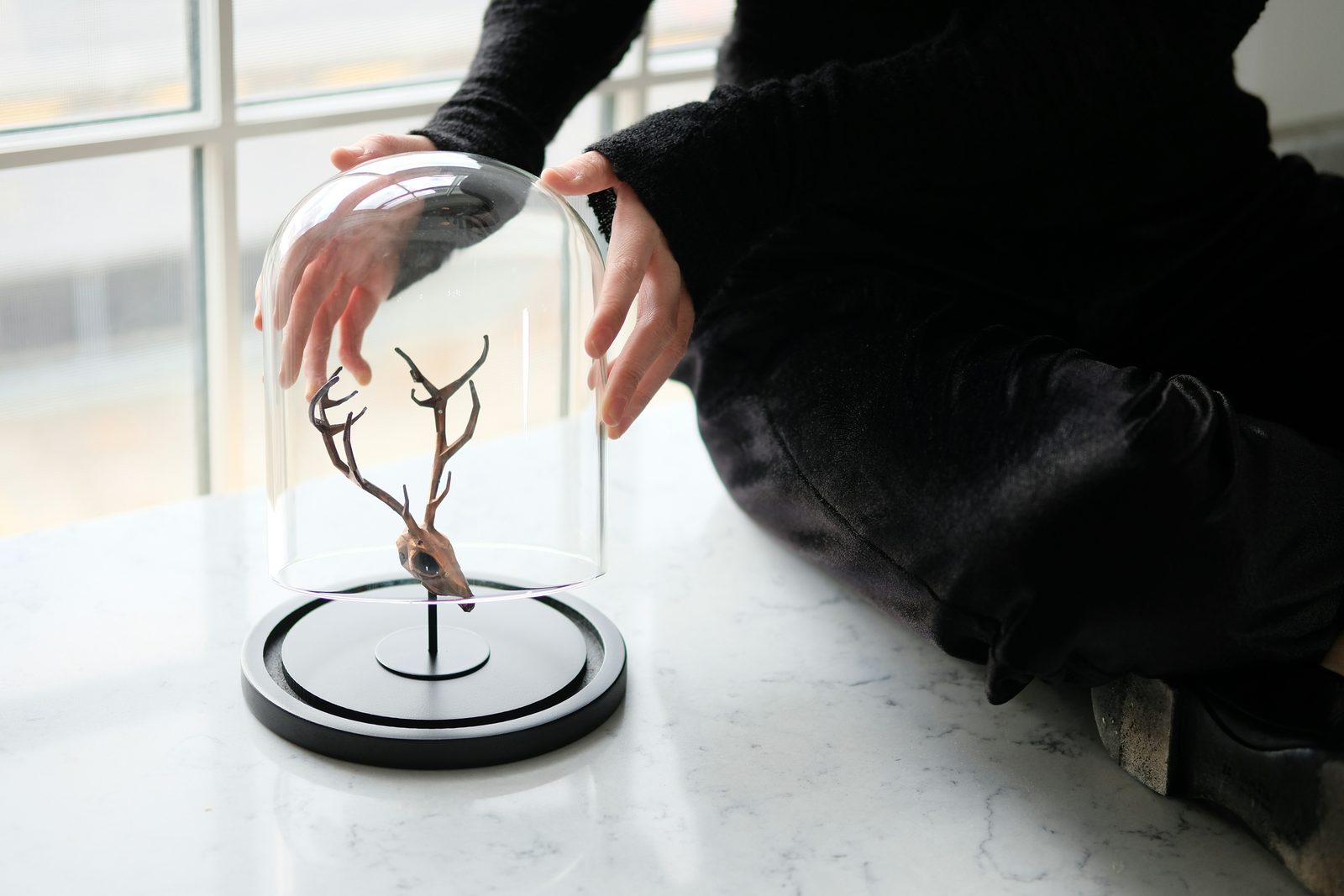
Once you’ve invested in authentic pieces, you need to protect them properly. Poor storage can ruin both the item and its value. Textiles should be stored in acid-free tissue paper or archival boxes to prevent fiber degradation from acidic materials. Wood carvings need stable humidity to prevent crackingâkeep them away from direct sunlight and radiators. Pottery and ceramics benefit from display cases with UV-filtering glass to prevent glaze discoloration. Collectors who need to display small delicate items like hand-carved miniatures or ceramic figurines may want to look for glass display domes with acrylic bases that provide dust-free visibility while protecting from accidental damage. For tiered displays, acrylic risers offer a practical way to showcase multiple pieces without crowding. These purchases protect the value of your collection and make your pieces look professional on display. Don’t cheap out on storageâyour authentic souvenirs deserve the same care you put into finding them.
When It’s Okay to Buy a Mass Produced Souvenir
Let’s be honestânot every souvenir needs to be a museum piece. There are times when mass produced items are perfectly fine. If you’re buying a gift for a child who will lose it, mass produced is okay. If you just want a refrigerator magnet to trigger a memory of a great trip, a machine-made piece serves that purpose. If you’re on a tight budget and want something small to remember a place, a factory-made trinket is better than nothing. The key is knowing your intent. For your personal collection, for items you want to display, for pieces with cultural or investment valueâalways choose authentic. But for casual gifts and memory triggers, don’t beat yourself up. The collector’s rule is simple: know what you’re buying and why. If you buy a mass produced item, buy it consciously. Don’t let a seller convince you it’s handmade when it’s not. That’s the line between an informed traveler and someone being misled.
Quick Comparison Table: Authentic vs Mass Produced Souvenirs
| Feature | Authentic Handmade | Mass Produced Fake |
|---|---|---|
| Materials | Natural, local raw materials | Resin, plastic, MDF, synthetics |
| Price | $30â200+ based on labor | $2â15 |
| Markings | Carved, stamped, or inked marks | Stickers or paper tags |
| Finish | Uneven, textured, tool marks visible | Smooth, uniform, sharp edges |
| Imperfections | Presentânatural variation | Noneâidentical to next piece |
| Provenance | Can be traced to artist/workshop | Unknown origin, often multiple countries |
| Weight | Substantial for material type | Often hollow or lightweight |
| Story | Real maker, real technique | Factory produced, no story |
Print this table or save it to your phone before your next trip. It’s a quick reference for making confident buying decisions.
Final Tips for the Traveling Collector
Building a meaningful collection of authentic souvenirs takes patience and knowledge. Travelers who want to evaluate authenticity more closely may find a portable jeweler’s loupe useful for inspecting fine details like brush strokes and tool marks. Before you travel, research the traditional crafts of your destination. Learn what materials are native and what techniques are famous. When you arrive, spend your first day in markets without buying anythingâuse that time to train your eye on authenticity. Ask vendors about their pieces. Real artisans love talking about their process and can answer detailed questions. Sellers of fakes will give vague answers or try to rush you. Trust your physical senses. Feel the weight, the texture, the temperature of materials. Look for imperfection as proof of human hands. And most importantly, buy fewer pieces that are real rather than many pieces that are junk. A collection of ten authentic treasures from your travels is infinitely more valuable than a suitcase full of mass produced souvenirs. Build your collection with care, support real artisans, and take home pieces with real stories. That’s what being a traveling collector is about.