Introduction
There’s something about a snowy city skyline trapped under glass that turns a trip into a tangible keepsake. Collectible snow globes from cities combine travel memories, local craftsmanship, and that almost childish joy of watching flakes settle over a miniature landmark.
For serious collectors and thoughtful travelers, the hunt for quality requires more than impulse buys at airport shops. This guide covers how to find authentic globes, evaluate their condition, avoid common pitfalls, and build a collection that actually means something. Whether you’re a first-time buyer or have shelves full, the focus here is practical.
Why Snow Globes From Famous Cities Make a Unique Collectible
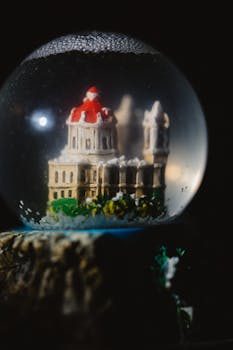
Unlike mass-produced magnets or keychains, these globes are genuinely portable souvenirs that capture both a landmark and a sense of place. The best examples feature hand-painted interiors, layered detailâa streetlamp, a tiny bus, a recognizable bridgeâand a base that often reflects local materials: wood from the Black Forest, ceramic from Italy, metal from Japan. They take up minimal shelf space but offer plenty of display value.
There are distinct eras and materials worth understanding. Vintage globes (pre-1990) were typically glass with cork or wooden bases, hand-painted scenes, and water that moved slowly because of higher glycerin content. Modern globes are more often plastic or resin, sometimes with LED lights or music, and are significantly cheaper. Each era attracts different collectors, but city-specific globesâwhether from New York, Paris, or Bangkokâtend to hold demand better than generic holiday or animal scenes.
Collector communities exist online and at antique fairs. Each globe represents a specific trip, landmark, and the skill of whoever assembled that tiny world. You don’t need a massive display budget to start, but knowing what to look for helps. Travelers starting their collection may find it useful to browse collectible snow globes to see different styles and eras.
What to Look for in a High-Quality City Snow Globe
If you’re serious about collecting, learn to quickly assess quality. These indicators separate a worthwhile piece from a shelf filler.
Clarity of Glass or Plastic
Glass is preferable for vintage globesâit scratches less and looks crisper. Modern globes use acrylic or resin, which are lighter and less fragile but prone to clouding or yellowing over time. Check for bubbles in the glass, casting lines in plastic, and overall transparency. Cloudy liquid is a red flag: it suggests poor sealing or age-related degradation.
Inner Scene Detail
A good city globe shows clear, recognizable landmarks with accurate paintwork. Look at small detailsâwindows on a skyscraper, the shape of a bridge, distinct local elements like double-decker buses or canal boats. The more hand-painted the interior, the higher the value. Modern globes often use printed decals or molded plastic, which can still look fine for display but have less collectible value.
Base Material
Wood, ceramic, resin, or metal? Wooden bases are classic and age well, but check for warping or splits. Ceramic and resin bases can chip or lose paint. Metal bases (brass, chrome) generally hold up best if kept dry. The base should feel solid, not hollow or flimsy. A heavy globe with a substantial base usually signals better craftsmanship.
Snow Fall Pattern
The snow should fall slowly and naturallyânot clump or sink immediately. Glycerin-based liquid gives a slower, more graceful descent. Water-based globes often drop the snow in seconds, which looks less satisfying. Some use mylar or glitter-like flecks; these are fine but less traditional. Check that the snow doesn’t settle into an uneven lump at the bottom within minutes of shaking.
Common flaws to watch for: chips in the glass, fading or flaking paint, leaking seals, and visible mold or cloudiness inside. These directly affect display appeal and resale value. A damaged globe is rarely worth full price unless it’s exceptionally rare. For collectors needing to inspect fine details, a jeweler’s loupe can help spot subtle flaws.
Where to Find Authentic Snow Globes From Major Cities
Authenticity matters. You want a globe actually made in or for that city, not a generic import that only vaguely resembles the location.
Official Souvenir Shops
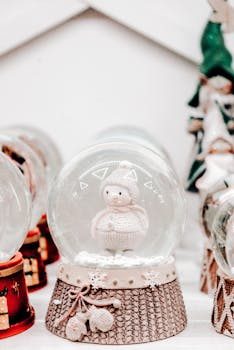
Museum gift shops, city tourism offices, and landmark-specific stores (like the Empire State Building shop in New York) are your safest bet. These typically carry licensed and regionally produced globes. Expect to pay $25â60 for a good-quality modern piece. For London, try the Tower of London gift shop or the London Transport Museum. For Paris, the Louvre and Musée d’Orsay shops have reliably curated souvenirs.
Airport Kiosks â With Caution
Airport shops are convenient but often stock lower-quality, mass-produced globes that are overpriced. If you see one, inspect it carefullyâcheck for cloudiness, poor paint, and flimsy bases. It’s rarely worth buying on impulse unless the design is unique to that airport’s selection.
Antique Stores and Flea Markets
For vintage city globes, antique stores in major cities (particularly Paris, London, and Tokyo) can yield gems. Prices range from $40â150 depending on rarity and condition. Ask the dealer directly about origin and age. Look for original packagingâa box with the manufacturer’s logo adds authenticity and value. Compare with online images of known pieces.
Online Marketplaces
eBay and Etsy are the primary online sources. Use specific search terms: ‘vintage Paris snow globe,’ ‘glass New York globe 1970s,’ ‘licensed London souvenir globe.’ Filter by condition and seller ratings. Request additional photos if the listing is sparse. Compare with listing photos from other sellers to spot inconsistencies.
For a curated selection, check dedicated online stores that specialize in vintage travel souvenirs. They often have better authentication and return policies.
Top 5 Cities for Snow Globe Collectors (and What to Get There)
Every city has its typical globe designs. Here’s what to target in five iconic locations.
1. New York City
Best for: classic skyline and landmark globes. Look for the Empire State Building, Statue of Liberty, and the iconic NYC skyline with Chrysler Building. Prices range from $20 (modern plastic) to $100+ (vintage glass with hand-painted skyline). Best finds are in the Empire State Building’s official shop and vintage stores in Manhattan. Avoid cheap globes with generic skyscraper shapesâthe real NYC skyline is distinctive.
2. Paris
Best for: artistic and romantic scenes. Eiffel Tower globes are the most common, but better ones include the Sacré-CÅur or Notre-Dame. Vintage Paris globes often have beautiful hand-painted details and wooden bases. Prices: $25â80 modern, $75â200 vintage. Look in antique stores along the Left Bank or at the Musée d’Orsay gift shop. Skip globes with only the Eiffel Tower silhouetteâthey’re too generic.
3. London
Best for: landmarks with recognizable architecture. Big Ben (Elizabeth Tower), Tower Bridge, and the London Eye are typical. Good quality globes include accurate red double-decker buses and the Thames. Prices: $20â50 modern, $60â150 vintage. The Tower of London gift shop and Portobello Road Market are reliable. Avoid globes with ‘London’ text but no specific landmarkâthe scene should be immediately identifiable.
4. Tokyo
Best for: modern and traditional contrasts. Tokyo globes often feature Shibuya Crossing, Tokyo Tower, or a traditional pagoda. Collectors value the fusion of contemporary and classic Japanese elements. Prices: $30â60 modern, higher for limited editions. Look in stores at Shibuya or Shinjuku station kiosks. Vintage Tokyo globes are rare but worth seeking at antique markets like Oedo.
5. Rome
Best for: ancient landmarks. Colosseum, Trevi Fountain, and Vatican City are the most popular scenes. Good globes include accurate column details and fountains. Prices: $20â50 modern, $50â120 vintage. The Vatican gift shop and antique stores near Piazza Navona are good sources. Be wary of overly simplified Colosseum shapesâthe actual architecture has specific arches and levels.
How to Evaluate the Condition and Value of a Used Snow Globe
Buying used requires a systematic check. Don’t rely on photos alone.
- Check seals for leaks. Gently tilt the globeâany moisture around the base indicates a compromised seal. Professional resealing is possible but expensive and never looks original.
- Inspect for cracks or scratches. Run a clean finger over the glass or plastic. Even hairline cracks reduce both display appeal and resale value. Scratches on plastic can be polished, but only if the coating is intact.
- Test snow fall quality. Shake the globe gently. Does the snow fall smoothly? Does it clump? Does it leave residue on the glass after 30 seconds? Good globes have clear liquid and a graceful descent.
- Verify base integrity. Wooden bases shouldn’t be split or warped. Ceramic bases should have no chips. Check for loose parts or missing decorations. The base label or maker’s mark is important for verification.
Factors that increase value: limited edition markings, original manufacturer sticker, original packaging, and known collectible makers like L.E. Smith or T.Y. Company. A complete set can double the value. Common mistakes include overpaying for a damaged piece because you ‘love the scene.’ Be realistic about restoration costsâthey easily exceed the globe’s final value.
Common Mistakes to Avoid When Starting a City Snow Globe Collection
Learn from others’ shelf-cluttered regrets.
- Buying based on emotion without checking condition. The scene might remind you of your trip, but if the globe is cloudy, chipped, or leaking, it will only frustrate you. Always inspect before purchase.
- Overlooking the base. The base is a key indicator of quality. A cheap glued-on plastic base suggests a mass-produced piece. A well-carved wooden base with a maker’s mark signals value.
- Paying premium for common modern globes. A new, generic New York globe from a souvenir shop is not a collector’s item. Check the year or manufacturer before committing.
- Not considering storage needs. Glass globes are fragile. Without proper storage, you’ll break one eventually. Plan before you buy.
Tip: Focus on quality over quantity early on. A single excellent globe from Rome is worth more than five cheap, damaged ones. Build slowly.
How to Display and Store Your Collection Safely
A well-lit, stable display keeps your globes looking their best and prevents costly damage.
- Shelves: Use sturdy, level shelves away from direct sunlight. Avoid areas near radiators or windows with temperature swings. Glass or metal shelves look clean but need to be stable.
- Cleaning: Dust gently with a dry microfiber cloth. Never use water or solvents on the glass or plastic. For the base, use a slightly damp cloth and dry immediately.
- Storage: If you rotate your collection, store each globe individually. Wrap in acid-free tissue or bubble wrap, and place upright in a padded box. Avoid extremes of humidity and temperature. For secure storage, consider acid-free tissue paper to protect painted surfaces during long-term storage.
- Risks of water evaporation: Over decades, a small amount of water evaporation is normal in vintage globes sealed with cork or wax. If the liquid level is noticeably low, consider professional resealing rather than DIY fixes.
For serious collectors, a dedicated display case with UV protective glass is a smart investment.
A Quick Comparison: Vintage vs. Modern City Snow Globes
| Feature | Vintage (pre-1990) | Modern (1990+) |
|---|---|---|
| Materials | Glass, wooden bases, hand-painted scenes | Plastic, resin, printed decals, LED lights |
| Durability | More delicate, prone to cracks and leaks | Stronger, lighter, but can yellow |
| Snow fall | Slow, graceful (glycerin-based) | Faster, less elegant (water/fake snow) |
| Rarity | Rarer, limited production runs | Common, often mass-produced |
| Value | Higher, especially with original packaging | Lower, rarely a collector’s investment |
| Craftsmanship | Often hand-painted, more detail | Machine-made, less precise, but predictable |
| Best for | Collectors seeking investment and uniqueness | Travelers wanting affordable, durable souvenirs |
If you’re collecting for display and sentiment, modern globes are fine. If you’re after value and artistry, vintage is the way to go. Many collectors end up with a mix.
Essential Tools and Accessories for Collectors
These are practical items that make collecting easier, safer, and more enjoyable.
- Display case with lighting: A glass showcase with LED lights keeps globes dust-free and highlights interior detail. Choose one with adjustable shelves.
- Microfiber glass cleaning cloth: Avoid paper towels or regular cloths that scratch. A set of lint-free microfiber cloths is cheap and effective.
- Storage boxes with dividers: For travel or long-term storage, custom padded boxes prevent movement and breakage. Upright storage is critical.
- UV protective film: If your display shelf gets sunlight, UV-blocking window film protects against color fading.
- Acid-free tissue paper: Regular tissue paper can damage painted surfaces. Acid-free tissue rolls are standard in proper conservation.
These solve real collector problems: dust, fading, breakage, and damage. Buy once, use for years.
Final Thoughts on Building a Meaningful City Snow Globe Collection
A good collection starts with cities you care about, not a checklist of destinations. Prioritize quality. One excellent globe from London will always look better than a shelf of scratched, cloudy ones from everywhere you’ve visited. Learn to inspect condition, understand what makes a globe valuable, and don’t let impulse trips to airport shops derail your budget.
Join online collector forums or Facebook groupsâthey’re great for identifying makers, spotting deals, and avoiding scams. These communities have decades of combined knowledge. If you want to explore a curated selection without sorting through garbage on eBay, consider browsing authentic collectible snow globes from cities online.
Build something that reflects your travels, your eye for detail, and your willingness to hunt for that perfect piece. That’s the real satisfaction of this hobby.