Introduction
For many travelers, picking up a souvenir is an afterthoughtâsomething grabbed from a gift shop at the end of a trip. For collectors and enthusiasts, itâs a deliberate search for an object that holds genuine meaning, craftsmanship, or history. The best souvenir shops in major US cities arenât the ones with the biggest neon signs or the most prominent placement on a crowded street. Theyâre the shops where someone has curated with intention, where you can find items that will last in your collection and your memory. This guide focuses on finding those shops and avoiding the traps that waste your time and money. This is about building a collection, not just filling a suitcase.
What Makes a Souvenir Shop Worth Your Time
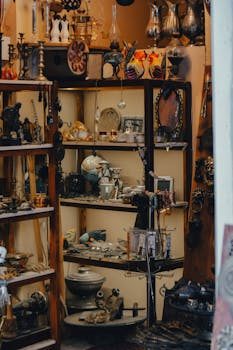
Not every souvenir shop is created equal, and from a collectorâs perspective, the differences are significant. A shop worth your time has several key attributes. First, authenticity. Does the shop sell items that are actually from the city youâre visiting, or are they generic products with a city name printed on them? Second, condition. For vintage or secondhand items, check for cracks, stains, or significant wear. A good shop will have a clear policy on damage and will often point out flaws themselves. Third, rarity. A shop that carries limited-edition prints, locally made crafts, or out-of-print books is far more valuable than one selling mass-produced keychains. Finally, pricing transparency. A reputable shop will have clear prices and can justify them based on material, labor, or rarity.
When you walk into a shop, start by looking at the materials. Cheap plastic, flimsy metal, and poor stitching are red flags. For handmade items, ask the seller about the maker. For vintage finds, look for signatures, stamps, or production dates. A shop that canât tell you anything about an itemâs origin is one to be wary of. A good shop will often have a story to tell, and that story is part of what makes the item worth acquiring. Travelers who want a closer look at small details may find a jeweler’s loupe helpful for inspecting craftsmanship.
Common Pitfalls When Shopping for Souvenirs
Even seasoned collectors make mistakes. The most common is buying a mass-produced item that looks authentic at first glance. Many shops sell âlocal artâ that is actually imported and printed in bulk. Always check the label or ask directly. Another frequent mistake is overpaying for items with a famous city logo. A simple baseball cap with âNew Yorkâ embroidered on it can be marked up three times its actual value. Do a quick mental comparison with what youâd pay online or in a generic store.
Return policies are another overlooked detail. Many small shops have final-sale policies, especially on vintage or fragile items. If youâre unsure, ask. Shipping logistics also trip people up. Buying a large, fragile item without a plan to get it home often leads to damage or high shipping costs. Ask the shop if they offer packing and shipping services, and get a quote before you buy. A trusted shop will help you figure this out. Avoid shops that try to push you into buying without giving you time to check the itemâs condition or ask questions.
Best Souvenir Shops in New York City
New York City is a treasure trove for collectors, but you have to know where to look. For vintage postcards and subway memorabilia, head to The Evolution Store in SoHo. They specialize in scientific curiosities and vintage transit items. The selection is quirky, and the prices are reasonable for the quality. Go early in the day for the best pick of their rotating stock. For local art prints, check out The Whitney Museum Shop (for modern art prints) or The MoMA Design Store (for high-quality design objects). Both offer limited-edition items that will appreciate in value.
For something more offbeat, explore Strand Bookstore in the East Village. They have a massive collection of vintage maps, rare books, and ephemera related to New York history. Itâs easy to spend an hour just browsing. Avoid the shops in Times Squareâtheyâre almost entirely mass-produced and overpriced. A better bet is to wander through the neighborhoods in Lower Manhattan or Brooklyn for smaller, independently owned shops.
Best Souvenir Shops in San Francisco
San Franciscoâs souvenir scene is heavily influenced by its maritime and counterculture history. For cable car memorabilia and vintage San Francisco maps, Adobe Books in the Mission District is a solid choice. They have a curated section of local history items. Another great spot is San Francisco Museum of Modern Art (SFMOMA) Shop, which carries artist-made objects and limited prints that feel far more refined than anything youâll find on Fishermanâs Wharf.
For handcrafted items, head to the Ferry Building Marketplace. The shops here are curated and often feature local artisans. Youâll find pottery, textiles, and food items that are genuinely made in the Bay Area. A mistake many people make is focusing only on Fishermanâs Wharf. The prices there are inflated, and the quality is low for the price. Compare the same type of itemâlike a souvenir magnet or t-shirtâand youâll see a significant difference. Stick to the smaller districts for better value and authenticity.
Best Souvenir Shops in Chicago
Chicago is a city where architecture and music dominate the souvenir landscape. For architectural prints, the Chicago Architecture Center shop is a must-visit. They carry high-quality prints, books, and building ornaments that are perfect for collectors. For blues music records, visit Jazz Record Mart, one of the best independent record stores in the country. They have a deep selection of Chicago blues and jazz records, many of which are hard to find elsewhere. For deep dish cookware, check out Eataly Chicago in the Prudential Building. They carry authentic Italian cookware and local food products that travel well.
A hidden gem is Wicker Park neighborhood, where youâll find vintage shops and indie boutiques like Kinobi, which sells vintage goods and handmade jewelry. The tradeoff here is that shops in high-traffic areas like the Magnificent Mile tend to be pricier. The collections are also more generic. If you can, plan your trip around a weekend to catch a local flea market or art fair for even more unique finds.
Best Souvenir Shops in New Orleans
New Orleans has a rich tradition of local art and craftsmanship. For authentic Mardi Gras trinkets and handmade masks, Mardi Gras Zone in the Marigny neighborhood is your best bet. They have a massive selection of beads, doubloons, and costumes that are genuinely used in parades. Avoid the cheap plastic versions sold on Bourbon Street. For preserved food items like pralines and hot sauce, Cajun Market in the French Quarter offers high-quality, locally made products that are sealed and easy to ship.
Secondhand shops are where youâll find real value. Places like Empire Antiques and Magazine Arcade Antiques carry vintage New Orleans postcards, glassware, and furniture. Prices can be negotiable, so donât be afraid to ask. For fragile items like ceramic masks or pottery, ask the shop to pack them carefully. Many will offer shipping directly, which is often safer than shoving them in your suitcase. Stick to small, lightweight items if youâre planning to carry them home.
Best Souvenir Shops in Los Angeles
Los Angeles is vast, and the souvenir landscape reflects that. For film memorabilia, skip the tourist shops on Hollywood Boulevard and head to Hollywood Book and Poster Company. They have an extensive collection of original movie posters, scripts, and photographs. For vintage clothing, Wasteland in Silver Lake is a curated shop with high-quality pieces. The prices are market-rate, but the curation is much better than typical thrift stores. For indie art, explore the Arts District in downtown L.A. Shops like M+B Galleryâs store carry limited-edition prints from emerging artists.
Parking is a real issue, especially in Hollywood and Silver Lake. Plan to either take rideshares or park in paid lots. Store hours can be inconsistent, so check before you go. Many smaller shops close early or are closed on Mondays. The best finds in L.A. often require a bit of digging, but the payoff is a souvenir that feels truly personal to the city.
How to Evaluate Souvenir Quality Before Buying
Before you hand over your credit card, run a quick mental checklist. Check the materials. Is it metal, wood, ceramic, or plastic? Handmade items often have slight irregularities that mass-produced items donât. Look for signatures or makerâs marks. A signed print or a piece of pottery with the artistâs stamp is a better investment than an unsigned one. If youâre buying vintage, check for production dates or stamps that verify the itemâs age. Signs of wear are part of the charm in vintage items, but excessive damage is a no-go.
A good way to compare is to hold the item next to a comparable mass-produced version. The difference in weight, finish, and detail is often obvious. If youâre unsure, pass. Itâs better to leave empty-handed than to buy something that will disappoint you later. For serious collectors, a small jewelerâs loupe can help you inspect fine details. Itâs a cheap tool that pays for itself quickly. Beginners may want a collector’s display case to protect and showcase finds at home.
Shipping and Handling for Delicate Souvenirs
Getting a fragile souvenir home requires planning. For small, lightweight items, consider using USPS flat-rate boxes if you need to ship several items together. Theyâre affordable and predictable in price. For larger or more delicate objects, ask the shop about their shipping services. Many shops will pack and ship for you, often with insurance. The cost is usually worth the peace of mind. If youâre carrying items in your luggage, invest in bubble wrap or padded sleeves. Portable luggage scales can help you avoid overweight fees. Pack the heaviest items at the bottom of your bag and surround fragile objects with soft clothing. For customs, any item over a certain value (usually a few hundred dollars) may require a receipt for border checks. Keep receipts for high-value purchases.
What to Skip: Souvenirs That Lose Value Fast
Some souvenirs are almost guaranteed to lose their appeal quickly. Perfumed candles are a common trapâthey often degrade in scent within months and take up significant suitcase space. Celebrity-themed junk, unless itâs a rare collectible item, is usually a poor investment. Oversized plastic items like giant shot glasses or inflatable toys are impractical and break easily. Pre-packaged food that expires within a year is also a poor choice for a collection, as itâs meant to be consumed, not kept. If you want something edible, buy shelf-stable items like local honey or coffee beans instead. Lower-cost but better-value alternatives include vintage ticket stubs, enamel pins, or postcardsâall of which are easy to store and often grow in meaning over time.
Final Recommendations for the Savvy Collector
If youâre looking for the best overall city for variety and authenticity, New York City probably takes the lead, but New Orleans offers unmatched depth in local craft and secondhand finds. Every city has hidden gems if youâre willing to step off the main tourist drag. Before you travel, spend an hour researching shops online. Read reviews, check their social media, and make a list. Set a budget for your souvenir spendingâitâs easy to get carried away. Bring a small notebook to jot down notes about the items you see, especially if youâre comparing multiple shops. Prioritize items that tell a story about the city or the maker. A well-chosen souvenir will give you joy for years, not just the few weeks after you get home. A simple way to keep your collection organized is to use an archival storage box for storage and display.