Introduction
If you collect coins, you’ve faced the question: how do you store them? It seems simple enough, but the choice between coin albums and storage folders is one of the first real decisions a collector makes. It affects everything from how you view your collection to how well your coins hold up over the next few decades. This comparison of coin albums storage folders is meant to help you cut through the noise. We’ll break down how each option works, what they protect against, what they cost, and, most importantly, which one fits your specific collecting style. There’s no single right answer, but there is a clear right answer for you based on your goals.

What Are Coin Albums?
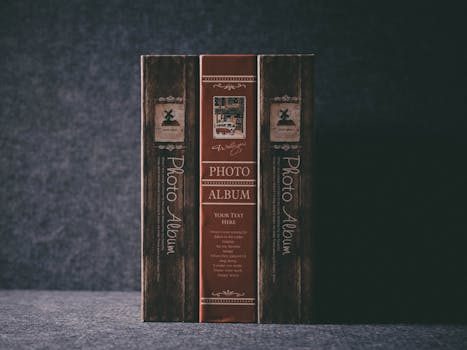
A coin album is typically a binder-style system with clear plastic pages. Each page has pockets designed to hold coins, often letting you see both the obverse and reverse without removing the coin. That’s a major plus for display and quick reference. Albums come in two general formats: pre-printed pages for specific sets (like Lincoln cents by year) and universal pages with interchangeable pocket sizes. Popular brands you’ll see a lot are Dansco, which makes some of the most respected albums for U.S. coin series, and Whitman, which uses a similar binder-and-page model. Albums are built around organization and visual access. They sit nicely on a bookshelf and make it easy to flip through your collection. The tradeoff is that they can be more expensive per coin stored, and not all albums use archival-safe materialsâyou need to pay attention to that. Collectors who want to see both sides of their coins without extra handling often find that a coin album is a great fit.
What Are Storage Folders?
Storage folders are the more basic option, though basic doesn’t mean bad. In its simplest form, a storage folder might be a cardboard or paper folder with die-cut slots that hold coins by their edges. You slide the coin into the slot, and it stays in place. Many collectors start with something like a Whitman Classic Coin Folder, which has pre-printed spaces for a complete series. The other common type is a plain cardboard box or binder that holds 2×2 cardboard holders. These holders are inexpensive and widely available. The big advantages of folders are cost and density. You can store a huge number of coins in a very small space for very little money. They’re also lighter and easier to move around. The downside is that you usually can’t see both sides of the coin without removing it, and the cardboard construction offers less physical protection against bending or crushing. Beginners on a budget may find that a coin storage folder is a practical starting point.
Coin Albums vs. Storage Folders: Side-by-Side Comparison
Let’s get into the real tradeoffs. Here’s a practical look at the key factors side by side.
Protection from elements. Albums that use archival-safe, PVC-free plastic pages offer solid protection against humidity and handling oils. The coin is sealed in a pocket. Storage folders hold coins in direct contact with cardboard. Cardboard can be slightly acidic and provides no barrier against humidity. Over decades, this matters. If you live in a humid climate, folders are riskier unless you store them in a dry place.
Ease of viewing. Albums win this category hands down. You flip a page and see both sides of every coin without touching them. Folders require you to remove the coin from its slot or take it out of a 2×2 holder. That’s more handling, more potential for drops, and more fingerprints.
Cost per coin. Folders are cheaper. A typical pre-printed folder costs between $5 and $15 and can hold 30 to 100 coins. An album with archival pages might cost $30 to $80 just for the binder and the first page set. If you have a large collection and a limited budget, folders make more sense upfront.
Capacity and portability. Folders are thinner and stack flat. You can fit twenty folders in the same space as three albums. If you move frequently or attend coin shows, folders are easier to transport. Albums are heavier and bulkier but look better on a shelf.
Archival quality. Not all albums are created equal here, but higher-end ones from brands like Dansco or Guardhouse use inert materials designed for long-term storage. Most budget folders are not archival. Some use recycled cardboard that can tarnish coins or cause discoloration. If you plan to pass your collection down, albums give you more peace of mind on this front.
How Much Protection Do You Really Need?
This is where a lot of collectors get tripped up. Do you need archival protection? It depends on the coins. A common date Lincoln cent that’s worth ten cents doesn’t need museum-grade storage. A key-date Morgan dollar probably does. The real concern is PVC. Some plastic album pages, especially cheaper ones, contain PVC plasticizers that can leach out over time, leaving a green, sticky residue on your coins. It’s irreversible damage. Always check that the album pages are marked PVC-free or archival-safe. On the folder side, the two main risks are acidic cardboard and physical abrasion. When you slide a coin into a tight cardboard slot, you can scratch the surface. Repeated insertion and removal makes it worse. My advice: for any coin with numismatic value beyond melt, use an album with archival pages. For common bullion or circulated coins in average condition, a well-made folder is perfectly fine. Don’t over-engineer your storage, but don’t cheap out on something that matters either.
Best for Display vs. Best for Storage
If you enjoy flipping through your collection and showing it to friends, albums are the better choice. They present coins cleanly, like a book of stamps. You can open to a page, talk about the 1909-S VDB, and your guest can see it clearly without the coin ever being handled. Albums are designed for the visual experience. They make a collection feel curated. Storage folders are not for display. They are for stacking in a drawer or a boxâutilitarian. If your primary goal is to safely house as many coins as possible in a small footprint, folders do that job well. But if you get real enjoyment out of looking at your coins, the cost and bulk of an album is worth it. There’s also a middle path: use albums for your favorite sets and folders for everything else.
Budget Considerations: What Will It Cost You?
Let’s talk real numbers. A basic Whitman Classic Coin Folder runs about $10 to $15. That covers an entire series, like Lincoln Memorial cents from 1959 to 2008. A high-quality album system, like a Dansco binder plus a matching set of archival pages, can run $60 to $100 or more. You may also need to buy additional pages as your collection grows. Over the long term, the cost difference adds up. If you plan to store hundreds of common coins, folders are the economical choice. If you’re collecting just one or two series that you value highly, spending the extra money on an album is a smart investment. You can find a good selection of coin albums and folders from major brands online, which makes price comparison painless. Just remember to look for archival-safe materials regardless of the price point.
Common Mistakes When Choosing Storage
Here are the frequent errors I see, along with simple fixes.
Buying the cheapest plastic folders. Cheap pages often contain PVC. Within a few years, coins can develop that green residue. Solution: buy from a reputable brand like Dansco, Whitman, or Guardhouse. Assuming all cardboard folders are safe. They are not. Some use high-acid paper that accelerates toning and corrosion. Solution: look for acid-free or archival designation on the packaging. Overstuffing folders. Coins should slide in easily. If you force them, you scratch them. Solution: use the correct size folder or holder for each coin. Ignoring humidity. Albums and folders both fail if stored in a damp basement or attic. The cardboard will warp, and plastic pages can fog. Solution: store everything in a stable environment, ideally with a silica gel pack in the box. Not planning for growth. You buy a folder that fits a specific set, then get a duplicate and have nowhere to put it. Solution: buy storage that allows some room for expansion, especially if you’re an active collector.

Which Is Best for Different Types of Collectors?
Not every collector needs the same thing. Here’s how the choice breaks down by profile.
Beginners. Start with storage folders. They’re affordable, simple, and teach you about organizing by date and mint mark. The low cost per folder means you can experiment without a big investment. You can always upgrade later. Casual collectors. If you pick up coins here and there but don’t obsess over condition, folders work well. They keep things tidy without the overhead of a heavy binder. Serious date-and-mint collectors. Go with albums. You’ll want the ability to see every detail, and the organizational structure of a pre-printed album helps you track what you’re missing. Dansco albums are the gold standard here. Advanced collectors with high-value coins. Albums with archival pages are non-negotiable. Do not store a high-grade key date coin in a cardboard slot with other coins. Thematic collectors. If you collect by topic rather than date, universal album pages where you arrange coins however you like are a great fit. You get the display benefits of an album with the flexibility to be creative.
Alternatives Worth Considering
Albums and folders cover most storage needs, but not all. If you collect bullion coins, like silver eagles or gold buffaloes, coin tubes are the standard. They stack well, seal against air, and cost very little per coin. For individual high-value coins, capsules offer hard plastic protection that’s a step up from any album. Graded coins in slabs should stay in their slabs. Some collectors use storage boxes with trays that hold capsules or 2×2 holders. These offer good protection and modularity, though they take more space than folders. For very large or odd-sized coins, specialty holders exist. The point is, albums and folders are not the only options. If your collection has special requirements, don’t force them into a square hole.
Our Top Picks for Coin Albums and Storage Folders
If you’re looking for something specific, here are the options that consistently perform well for collectors.
For albums: The Dansco 7000 series remains a top recommendation. It covers major U.S. series well, uses archival-safe pages, and the binders hold up over time. Another solid choice is the Whitman Coin Albums line, which is more affordable but still uses quality materials. If you prefer a modular system, look for a three-ring binder with 20-pocket archival pages. This gives you full control over organization and expansion. For folders: The Whitman Classic Coin Folder is a classic for good reason. It’s inexpensive, widely available, and covers most common U.S. series. For loose coin storage, a cardboard box that holds 2×2 holders is efficient and cheap. Just make sure the 2×2 holders themselves are acid-free and PVC-free. Where to buy: Many local coin shops carry these items, and buying local can get you hands-on advice.
Final Verdict: Which Should You Choose?
Here’s the bottom line. If you display your collection, like flipping through pages, and care about long-term protection, invest in a quality coin album with archival pages. If you store a large volume of common coins on a tight budget, storage folders are the practical choice. Many collectors end up with a mix of both. That’s a smart approach. Start with one or the other based on your primary goal, and don’t be afraid to adjust as your collection grows. The best storage system is the one you actually use and maintain. Either way, get your coins into something safe today.