Introduction
The collector convention circuit is vast. Every weekend, somewhere in the country, a convention hall fills with tables of vintage toys, sports cards, coins, stamps, comic books, and memorabilia. Some of these events are genuinely worth your time and money. Others are overpriced flea markets with admission fees. If you collect seriously, you need to know which gatherings offer real value. This article covers the collector conventions worth attending and gives you a practical framework for deciding where to go based on your goals, budget, and collecting niche. We will skip the hype and focus on logistics, inventory quality, and the real-world experience of attending these events.

What Makes a Collector Convention Worth Your Time?
Not every big show is a good show. Size alone does not equal value. A convention is worth your time when it delivers high dealer density with diverse inventory spread across price ranges. The best events attract experienced dealers who bring fresh stock, not the same common items you see at every local swap meet. You want a show where you can negotiate, find surprises, and learn something from the people running the tables. Educational panels and networking opportunities add value, but the core measure is the quality of the buying experience. A convention with two hundred mediocre tables is less useful than one with fifty excellent dealers who specialize in your area. Avoid events that feel like tourist traps with high entry fees and little substance. Look for shows that publish dealer lists online beforehand. That is the first filter.
The Heavy Hitters: Largest Multi-Category Conventions
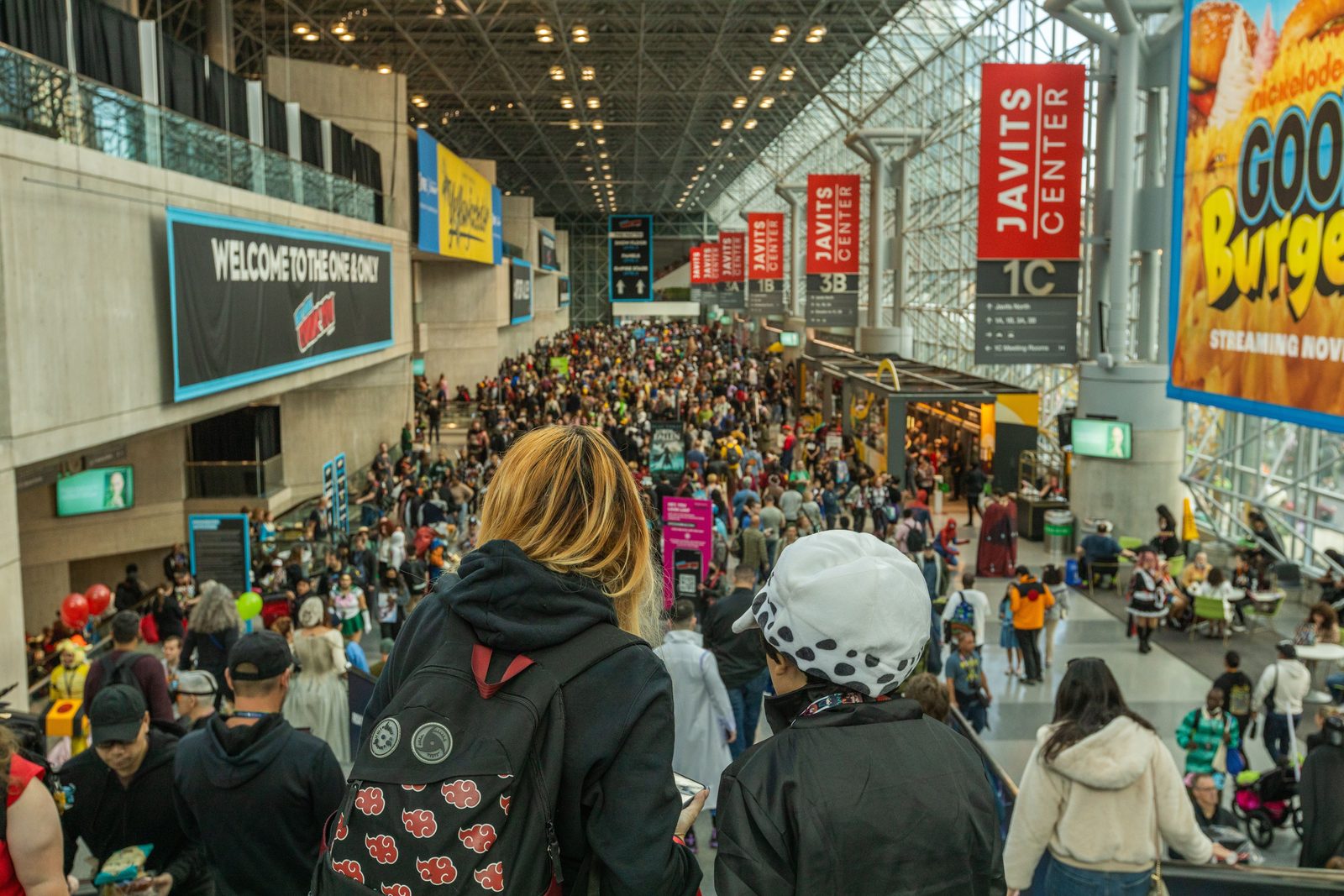
A few conventions dominate the calendar because of their sheer scale and geographic rotation. The Great American Collectors Show, for example, moves between major cities each year and pulls in hundreds of dealers covering everything from antique advertising to vintage jewelry. The International Collectors Expo operates on a similar model, with a heavy focus on sports memorabilia and pop culture collectibles. These large events are worth attending if you have the time and budget for travel. The inventory breadth is unmatched. You can see items from dozens of categories in one location, which is useful if you collect across multiple niches or want to compare prices across specialties. The downside is the crowds. Expect long lines at popular booths and higher prices on high-demand items. Dealer booth costs at these shows are steep, and that gets passed to you. Booking travel early is mandatory. Hotels near convention centers fill up fast, and last-minute flights are expensive. If you plan to attend a heavy hitter, treat it like a business trip. Book lodging and transportation at least two months out. Pack light and bring a rolling cart for purchases. These shows are physically demanding, and you do not want to carry heavy items through a crowded hall all day. For collectors who need a sturdy solution for hauling finds, a collapsible rolling wagon can make navigating large venues much easier on your back and arms.
Niche Conventions: When Specialization Pays Off
If you collect in a specific category, a niche convention often outperforms a general show. A vintage toy convention, for instance, will have dealers who know every production run, every variation, and every common defect. They price items accordingly, but you also find rare pieces that never appear at general shows. The same applies to stamps, coins, comic books, and sports memorabilia. At a niche event, the competition among dealers is higher, which can work in your favor on pricing. The networking is also more focused. You talk to people who understand your niche and can point you toward private collections or upcoming auctions. The tradeoff is narrower selection. If you collect multiple categories, a niche show will only satisfy part of your interests. But for serious collectors hunting specific items or seeking expert knowledge, niche conventions are often the better investment. Bring reference books or price guides relevant to your niche. You will need them to verify details before buying.

Regional Shows vs. National Events: Which Should You Choose?
The choice between regional and national conventions depends on your collecting goals and your budget. Regional shows are smaller, cheaper to attend, and require less travel. They are excellent for building relationships with local dealers who may hold items for you between shows. You can often find hidden gems at regional events because the dealers are less likely to have their inventory picked over by national buyers. The atmosphere is relaxed, and you can take your time examining items. National events offer vast inventory and the chance to find major pieces that simply do not appear at smaller shows. They also attract serious buyers who are liquidating collections, which means you can sometimes negotiate bulk deals. The downside is cost. Travel, lodging, food, and entry fees add up quickly. If you are on a tight budget, focus on one or two regional shows per year rather than one national event. Before committing to any show, check the dealer list online. A strong dealer list justifies the trip. A weak list means you are gambling on vendors who may not bring worthwhile inventory.
Money-Saving Strategies for Convention Travel
Convention travel can drain your collecting budget if you are not careful. Start by booking flights and hotels as early as possible. Prices increase the closer you get to the event date. Use hotel loyalty points or credit card rewards if you have them. Sharing a room with a fellow collector splits the cost and also gives you someone to watch your purchases while you browse. Avoid eating at convention center food courts. The prices are inflated, and the quality is mediocre. Find a grocery store or deli within walking distance and pack snacks. Parking near convention centers is another money trap. Check for public transit options or park in a lot a few blocks away. Over the course of a three-day show, parking fees alone can cost as much as a hotel night. Bring a reusable water bottle and a portable charger for your phone. Small expenses add up, and every dollar saved on logistics is a dollar you can spend on your collection.
What to Bring: A Practical Packing List for Collectors
Arriving unprepared at a convention is a common mistake that costs collectors money and opportunities. Here is a short list of items you should pack. Cash is essential. Many dealers prefer cash and will negotiate better prices when you have it in hand. Bring small bills. A handheld magnifier with a built-in light helps you inspect details on coins, stamps, comics, and jewelry. A reference guide for your niche, whether printed or saved on your phone, lets you verify authenticity and pricing on the spot. Sturdy bags or a rolling tote are non-negotiable. You will accumulate purchases, and flimsy shopping bags tear easily. A notepad and pen are useful for jotting down dealer names, booth numbers, and prices you want to revisit. Your smartphone should have price-check apps installed. You can look up sold listings on eBay or check price guides before making a decision. Pack a portable battery pack. Your phone will die from constant use. These small investments in preparation save you from costly impulse buys and missed opportunities.
Common Mistakes New Attendees Make (And How to Avoid Them)
Every experienced collector has made mistakes at conventions. The most common one is arriving late. The best inventory moves in the first hour on opening day. If you show up at noon, you are picking through leftovers. Another mistake is not setting a budget. It is easy to get caught up in the excitement and overspend. Decide how much you are willing to spend before you walk in, and stick to it. Do not buy on impulse on the first day. Walk the entire floor first, compare prices, and then make decisions. You will often find the same item cheaper at a different booth. Many new attendees forget to bring cash and rely on credit cards. Some dealers do not accept cards, and those who do may charge a fee. Always have cash available. Neglecting to check dealer feedback is another error. Stick with established dealers who have a reputation to protect. Skip the small tables with no online presence unless you know exactly what you are looking at. Finally, do not ignore the smaller tables in the back corners. Some of the best deals come from less flashy booths where dealers are not trying to project a polished image. Take your time and be methodical.

How to Use Online Marketplaces to Prepare for Conventions
Online marketplaces are not competitors to conventions. They are preparation tools. Before you attend any show, spend time on eBay, WorthPoint, or other price guide databases to research current market values for items in your niche. This is not about checking prices so you can argue with dealers. It is about training your eye to recognize fair deals. When you know the typical selling range for a vintage baseball card or a rare stamp, you can spot overpriced items instantly and recognize genuine bargains. Use sold listings, not active listings. Active listings are wishful thinking. Sold listings reflect real transactions. Also, use online forums and collector groups to get feedback on specific dealers who will be at the show. Collectors who have attended previous years can tell you which dealers are reliable and which ones inflate prices. This research takes an hour or two but saves you from making expensive mistakes at the show.
Is It Worth Exhibiting? A Seller’s Perspective
If you have been collecting for years and have built up a surplus inventory, exhibiting at a convention might make sense. The cost of a booth varies widely. Regional shows may charge a few hundred dollars for a weekend table. National events can cost thousands. You also need to factor in travel, lodging, and the cost of your inventory. The potential revenue depends on buyer traffic and your pricing strategy. Conventions with strong buyer traffic are better for moving volume at lower margins. Events with more serious collectors are better for selling higher-ticket items but require patience and negotiation skills. Insurance is worth considering if you are bringing valuable inventory. A simple table setup with tiered displays works better than trying to cram everything into a flat surface. If you are new to exhibiting, start with a regional show to test the waters. The networking alone can pay off through future private sales and trade connections. Do not expect to turn a profit on your first few shows. Treat it as an investment in your presence as a seller within the collecting community.
Conventions vs. Online Auctions: The Real Tradeoffs
Both conventions and online auctions have their place. Conventions give you the ability to inspect items in person. You can hold a coin, flip through a comic, or examine a vintage toy for wear and authenticity. You buy it and take it home immediately. That tactile certainty is valuable, especially for high-value items. Online auctions offer broader selection and often lower prices because you are competing with a global audience rather than a room full of collectors in one city. The downside is shipping costs, return hassles, and the risk of misrepresented condition. If you know exactly what you want and have the experience to judge condition from photos, online auctions are efficient. If you prefer to see and handle items before buying, conventions are better. The best approach is to use both. Research online to understand pricing, then attend conventions to buy the items you have identified. Do not treat them as either-or. Treat them as complementary tools in your collecting strategy.
Final Practical Tips Before You Go
Before you finalize your convention plans, double-check the event dates and any cancellation policies. Shows sometimes move or get rescheduled. Have a backup plan for meals near the venue. Convention center food is almost always overpriced and underwhelming. Bring a backup payment method. If you rely entirely on cash, you could miss a deal if you run out. If you rely on cards, you could be stuck if the dealer only takes cash. Have a plan for storage or shipping if you buy large items. Some conventions offer shipping services, but they are not always cheap. Know your limits. Choose conventions based on your collecting goals, not on the hype surrounding the event. A smaller show with the right dealers is better than a massive event where you waste time walking past tables that do not interest you. Visit the event’s official website for the most current information on vendors, schedules, and policies. Make a plan, stick to your budget, and enjoy the hunt.