Introduction
Diecast model car collecting is a fun hobby, but it’s one where not knowing what you’re doing can cost you. Whether you’re into it for the nostalgia, the precision of a 1:18 scale replica, or the chance it might hold value down the road, understanding brands and what makes a model rare is key. Not all diecast cars are created equal. Some are worth making room for; others just take up space. This article covers the main brands, what actually makes a model rare, common mistakes new collectors make, and a practical approach to building a collection youâll be happy with. Weâll stick to the core of diecast model car collecting without all the filler so you can make better decisions from the start.
Why Collecting Diecast Cars Still Matters
In a world full of screens and digital stuff, there’s still something about holding a well-made diecast car in your hands. There’s the nostalgia of a toy you loved as a kid, the appreciation for how a brand’s engineering looks at 1/64th scale, and the quiet strategy of building a set that could go up in value. But here’s the thing: not every model you buy will be a winner. Some brands make genuinely collectible pieces; others just churn out toys that’ll never be worth more than you paid. Knowing the difference, and understanding what drives rarity, separates a smart collector from someone who just buys boxes. This guide is meant to help you avoid wasting money and build a collection with some purpose.
The Core Brands Every Collector Should Know
You canât talk diecast collecting without talking about the brands. Here are the ones that matter most, from budget options to high-end showpieces.
Hot Wheels
The big name in 1:64 scale. Regular Hot Wheels mainlines are cheap, easy to find, and fine for kids or casual collecting. But thereâs more going on. Their premium linesâCar Culture, Boulevard, and RLC (Red Line Club)âhave metal bodies, real riders, and much better detail. RLC cars are members-only and usually go for $30â$50 at release, and they can appreciate quickly if theyâre limited. The Treasure Hunt and Super Treasure Hunt series are what a lot of people chase; theyâre mainline cars with special paint or rubber tires packed randomly in cases, and theyâre genuinely hard to find. A Super Treasure Hunt can go for hundreds. If you want to start hunting, having a set of known Treasure Hunt models can help you spot them in the wild.
Matchbox
Matchbox has always been about realistic, everyday vehicles with working parts. Theyâre also in the 1:64 space, but their focus on authenticity gives them a different feel. Vintage Matchbox from the 1950sâ1970s, especially the Lesney-era models, can be worth serious money these days. Modern Matchbox is a decent middle ground: more realistic castings than a lot of Hot Wheels, sometimes with moving doors or hoods, at a similar price. Theyâre not as hyped for flipping, but theyâre great if you want a collection that looks like real cars.
Maisto and Bburago
These are the budget options, especially in larger scales. A Maisto 1:18 scale car can often be found for $20â$40. The quality is okay for the priceâdecent paint, openable partsâbut donât expect super detailed interiors or perfectly aligned panels. These are good for letting kids handle them without stress, or for filling a big display case on a budget. They rarely hold much resale value. Beginners who want to start with larger models might find budget-friendly Maisto models a practical way to get into storage and display without spending too much.
Premium Brands (Autoart, Kyosho, Minichamps, CMC)
This is where it gets serious. Autoart (usually $100â$250 for 1:18 scale) is known for composite bodies and very high detail. Kyosho (similar price) is praised for clean lines and a wide variety of castings. Minichamps (often $80â$200) specializes in motorsport and European cars with solid accuracy. CMC (C.M.C. Modelcars) is the top tier, hand-assembled with hundreds of parts, priced at $400â$800+. These are not toys. Theyâre precision replicas meant for adult collectors, and they hold their value well if kept in perfect condition with the original box. For collectors making the jump to premium, an Autoart 1:18 scale model is a good place to start.
How Brand Tiers Affect Collecting Strategy
Letâs break it down into practical tiers. Your approach will change depending on which tier you focus on.
- Budget Tier (Maisto, Bburago, Jada Toys): Best for volume displays and play. Low entry cost, but basically no resale potential. If you just want to look at a lot of cars without spending much, this is your lane. Donât expect them to go up in value.
- Mass-Market Collectible Tier (Hot Wheels, Matchbox): Low entry cost ($1â$6), high volume, and the chase for rare variants (Treasure Hunts, Super Treasures). Resale can be significant on those rare pieces, but the common models are worth about what you paid or less. This tier rewards patience and hunting.
- High-End Tier (Autoart, Kyosho, Minichamps, CMC): High entry cost ($100â$800+), but the models are display-ready, accurate, and highly desirable among serious collectors. Resale potential is stronger because initial demand is lower and condition matters a lot. This tier rewards research and careful handling.
Your collecting strategy should match your budget and goals. If you have limited space and want heirloom-quality pieces, skip the budget tier. If you love the hunt and have room for hundreds of small cars, mass-market might be your game. Mixing tiers is fineâjust know the tradeoffs.
What Makes a Diecast Model Truly Rare?
âRareâ gets thrown around a lot in this hobby. Letâs define what actually makes a model worth more.
Production Run Size. This is the most honest measure. A limited edition of 500 units is genuinely rare. A âlimited editionâ of 10,000 units is less so, no matter what the box says.
Limited Edition Series. Hot Wheels Treasure Hunts came out in 1995. The first ones, randomly packed in mainline cases, had no special markings except a gold flame on the card. Finding one in a bin was like winning a small lottery. Super Treasure Hunts (with rubber tires and special paint) are even rarer. A 1995 Treasure Hunt in good condition can sell for $500â$1,000+ today. Thatâs genuine rarity.
Errors and Variations. A car with a misapplied decal, wrong wheels, or a missing part can sometimes be worth more than the correct versionâto a small group of error collectors. This is a niche area. Most error cars arenât rare; theyâre just defects. Do your homework.
Age and Condition. An old model isnât automatically rare. A 1970s Hot Wheels in mint condition on its original card is rare because most were played with and wrecked. Condition is everything. A loose, beat-up car from any era is worth far less than the same car in good, boxed condition.
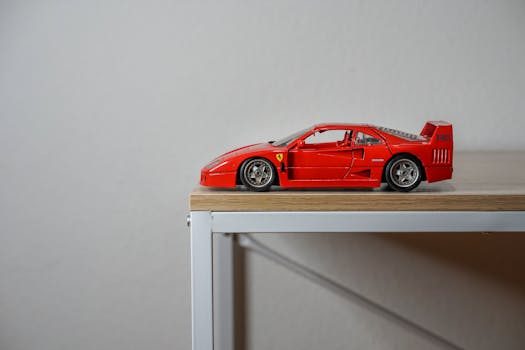
Market Demand. Some models are sought after because the real car is popular (like Skyline GT-R, Porsche 911, or Ferrari F40). High demand, even for a moderately produced model, can push prices up. But demand can be fickle. A model you pay a premium for today might be forgotten tomorrow.
The main point? Donât confuse âuncommonâ with ârare.â A model thatâs hard to find in your local store is uncommon. A model with a documented production run of 500 units is rare. Learn the difference before you spend.
The Five Most Common Mistakes New Diecast Collectors Make
Here are the pitfalls that trip up most beginners. Avoid these, and youâll save money and frustration.
- Buying Every Release Without Research. Itâs easy to get caught up in the excitement of a new series. But not every model is a keeper. Focus your budget on pieces that fit your collectionâs theme or have documented rarity. Impulse buys of mainline cars add up fast.
- Ignoring Condition. A damaged box or a chip in the paint can reduce a modelâs value by 50% or more. If you plan to resell, condition is non-negotiable. Even if youâre keeping it forever, a damaged model is less satisfying to display. Always inspect before buying.
- Overpaying for Hype. When a new premium model drops, eBay listings can spike. That doesnât mean the model is worth that price. Wait a few weeks. Often, the initial frenzy settles and prices normalize. The market rewards patience.
- Not Checking for Reproductions. In high-end collecting, fakes exist. A cheap Chinese replica of a rare Autoart model is a real risk, especially on platforms like eBay or AliExpress. Stick to trusted sellers and always compare photos to known authentic models.
- Neglecting Storage. Heat, direct sunlight, and humidity are the enemies of diecast. Paint fades, plastic degrades, and boxes warp. Store models in a cool, dry place away from windows. Donât stack heavy boxes on top of each other unless the bottom ones are empty. A little care goes a long way. For proper protection, storing your collection in a dedicated display case can help preserve condition and keep dust off.
Where to Buy Diecast Models: Auctions, Shows, and Online
Your buying strategy is as important as what you buy. Here are the main channels.
eBay. The biggest marketplace, with everything from common mainlines to rare finds. The trick is vetting sellers. Check their feedback percentage (99%+ is ideal) and look at photo quality. Blurry or stock photos are a red flag. Read the condition description carefullyâmany sellers grade harshly on purpose to avoid returns.
Diecast-Specific Forums and Facebook Groups. Communities like Diecast Garage or brand-specific Facebook groups are often better than eBay for accuracy and community pricing. Sellers here are usually collectors themselves, so you get honest descriptions. You can also ask for help identifying a model or its current value.
Local Toy Shows and Diecast Expos. This is where you can inspect a model before buying. Bring a small flashlight to check for paint chips and tampering. Cash is king at shows, and you can often negotiate. A show is also the best place to find older models that havenât been listed online.
Dedicated Diecast Shops. Real-world shops and larger online retailers often have accurate inventory and will ship carefully. Expect to pay a premium over eBay, but you get reliability and authenticity.
One more note: shipping damage is a real concern. Models are often shipped in flimsy boxes. Invest in quality packing materials if you sell or trade. A damaged package can ruin a rare modelâs value instantly.
How to Start or Expand Your Collection Without Overpaying
Hereâs a step-by-step approach that works, whether you have ten cars or a hundred.
- Set a Focus. Donât try to collect everything. Choose a brand (e.g., Hot Wheels), a scale (e.g., 1:43), or a theme (e.g., Italian sports cars, classic American muscle). A focused collection is easier to research, easier to track in terms of market value, and more impressive to display. A collector who focuses on only 1:64 scale from one brand will build a more coherent collection faster than someone grabbing random scales.
- Learn the Pricing History. Use eBayâs sold listings feature to see what a model actually sells for, not what itâs listed for. Check sold prices from the last 90 days to understand trends. This is the single most powerful tool to avoid overpaying.
- Attend Shows. You can often find undervalued models at shows from sellers who just want to clear inventory. Look for lots (multiple cars sold together) where you might get five good models for the price of three. The seller gets a quick sale, you get a deal.
- Consider âLot Buysâ on eBay. Many sellers list collections as one lot. You might end up with a few duplicates or models you donât want, but the per-car price is usually very low. Sell the extras to recoup your cost. This is a classic flipper strategy.
- Be Patient. The same model listed at $100 today might be available at $60 next month. Set alerts for your specific models. Wait for the seller who needs to move inventory. Patience is the cheapest tool in your arsenal.
Hot Wheels vs. Matchbox: Which Is Better for Your Collection?
This is a classic debate, and the answer depends entirely on your goals.
Hot Wheels dominates the market in terms of sheer volume and the hunt for rare variants. The RLC and Super Treasure Hunt series give Hot Wheels a clear edge for collectors looking at resale potential. The brand has a massive, active community, which helps drive demand for specific models. If you want to chase limited editions and have a chance at flipping for profit, Hot Wheels is the stronger play. The variety is enormousâfantasy castings, modern supercars, classic muscle, and pop culture tie-ins.
Matchbox takes a more grounded approach. Their castings are almost always based on real vehicles, often featuring working doors, hoods, or trailer hitches. For a collector who values automotive realism and enjoys the nostalgia of specific real-world cars, Matchbox is often the more satisfying brand. The collector community is smaller, which means less hype but also less volatility. Itâs a better choice if you buy for passion rather than speculation.
The Takeaway: If you want investment potential and the thrill of the hunt: go Hot Wheels. If you want realistic models that feel like miniature automotive art: go Matchbox. If you can manage both, they can complement each other perfectly in a broader collection.
Storing, Displaying, and Insuring Your Diecast Collection
Once you start accumulating valuable models, protecting them becomes a priority.
Storage: Keep models in a room with stable temperature (60â75°F / 15â24°C) and low humidity. Avoid basements and attics. UV rays from direct sunlight will fade paint and yellow plastic windows. Use UV-protective film on windows or keep models out of direct light entirely. Store loose models in individual boxes with foam padding. Avoid stacking heavy boxesâthe weight can crush the ones below.
Display: Glass display cases with LED lighting are the gold standard. They keep dust out and prevent accidental knocks. Adjustable shelving allows you to mix scales. If you use open shelving, plan on regular dusting. Displays should be in a low-traffic area to minimize risk of bumping.
Insurance: Standard renterâs or homeownerâs insurance often caps collectible coverage at very low amounts (e.g., $1,000â$2,000). For collections worth several thousand dollars, you need a scheduled personal property rider or a separate collectibles insurance policy. Companies like Collectibles Insurance Services (an example) specialize in this. Keep a detailed inventory with photos and receipts. This is not optional if your collection has significant value.
Real-World Example: A Collector Who Built a $10,000 Collection for $3,000
Hereâs a story that illustrates the strategy. A collector weâll call Mark started two years ago. Instead of buying everything new, he focused on premium 1:18 scale models from Autoart and Kyosho that had been released five or ten years earlier. He found them at local toy shows and estate sales, often paying $30â$50 each for models that originally retailed for $120â$200. He bought about sixty models this wayâa mix of Ferraris, Porsches, and vintage JDM cars. He stored them in their original boxes, kept his purchases documented, and watched as demand for those specific runs gradually rose.
After eighteen months, he sold a third of his collection at a show. The total sale covered his initial investment. He still owns about forty models, now conservatively valued at over $7,000. He spent $3,000 total. The key wasnât luckâit was research, patience, and buying undervalued premium pieces. Not overnight wealth, but a solid, enjoyable return on a hobby he loves.
Should You Collect for Passion or Profit?
This is a question every collector eventually faces. The honest answer is that most diecast models will not make you money. They are toys and collectibles, not stocks. Even premium models only appreciate if kept in mint condition, with original packaging, and if the market remains interested. Chasing profit in diecast is a risky game.
If you want a collection that might hold or increase in value, focus on limited-run models from premium brands (Autoart, CMC, and certain RLC releases) and keep everything flawless. If you want a collection that brings you joy, buy what you loveâwhether thatâs a cheap Maisto or a rare Super Treasure Hunt. The best approach combines both: collect for passion, but make informed decisions. If resale matters to you, be disciplined about condition and rarity. If it doesnât, buy what makes you smile. Thereâs no wrong answer, as long as you enjoy the process.
Ready to Build Your Collection?
You now have a solid foundation for making smarter decisions in diecast collecting. Start with one model that genuinely excites youâwhether itâs a classic Hot Wheels or a premium Autoart. Learn its pricing history. Focus on condition. Avoid the hype. The best collections are built one careful purchase at a time. Happy collecting.