Introduction
The collecting world has a fascinating split going on right now. On one side, you’ve got the physical stuff that’s been around foreverâtrading cards, action figures, comic books, vintage toys. On the other, there’s digital collecting NFTs, which brings blockchain-based ownership to the same instincts that make people dig through bins at flea markets.
If you already collect something or are thinking about starting, you’ve probably felt pulled in both directions. Maybe you have graded cards on a shelf but are curious about what a digital wallet actually does. Or maybe you’re deep in NFT projects but wonder if holding something physical would feel more real. This article compares the two sides practicallyâstorage, resale, community, cost, and long-term valueâso you can figure out which path works for you, or whether there’s room for both.
Storage and Maintenance: Digital vs. Physical Realities
The most obvious difference between physical and digital collecting is what you have to do to keep your stuff safe. Physical collectibles need physical space. A box of graded comic books takes up a closet. A row of statues on a shelf collects dust and can get knocked over. Climate control mattersâheat, humidity, and sunlight can ruin paper, plastic, and fabric over time. You also have to think about insurance, especially if your collection is worth a decent amount. One pipe leak in the wrong room can turn a thousand-dollar set of cards into a soggy mess.
Digital collections live in a blockchain wallet. They don’t take up any physical space, and they don’t degrade in the traditional sense. But that doesn’t mean they’re maintenance-free. Your wallet is only as secure as your seed phrase. Lose that phrase or get it stolen, and your collection is gone for good. There’s no insurance that will reimburse you for a lost seed phrase, and there’s no customer support number to call. Metadata can also changeâsome NFT projects have been known to update images or lose support, meaning the file you thought you owned might look different or disappear from your wallet interface over time.
The practical tradeoff comes down to this: physical collecting requires ongoing care, effort, and space, and the risk is mostly environmental. Digital collecting is more convenient day to day, but the risk is catastrophic in a single moment of carelessness. If you are the type of person who loses your phone or forgets passwords, digital requires a level of discipline that physical does not. For those looking to keep physical collections organized, reliable storage boxes are worth considering to minimize environmental risk. If you live in a small apartment or move frequently, digital is hard to beat for portability alone.
Liquidity and Resale: How Easy Is It to Sell Your Collection?
Selling a physical collectible takes patience and process. You have to decide whether to sell locally, through eBay, or through a specialized auction house. If you use eBay, you deal with listing fees, shipping costs, and the risk of returns or scams. Grading matters a lotâa card that looks mint to you might come back as a 7 from PSA, and that can drop its value by 50% or more. Auction houses like Heritage Auctions can get good prices, but they take a cut and the process takes weeks.
NFTs trade differently. You can list an NFT on OpenSea or Blur and sell it within minutes if the price is right. There are no shipping costs, no grading delays, and no lost packages. But that speed comes with its own problems. Floor prices on NFT projects can swing wildly based on rumors, market sentiment, or a single whale selling off a batch. Gas fees on Ethereum can eat into small sales, especially during network congestion. And liquidity through platform tokens can create tax complexity if you are not careful.
Which one works better depends on your timeline and your goals. If you need cash fast and hold something in high demand, digital is usually faster. If you hold rare physical items with established grading records, the resale process is slower but the price discovery is often more stable. A mint condition Pokémon card from 1999 is not going to lose half its value overnight based on a tweet. The same cannot be said for many NFT projects.
Community and Social Proof: Belonging in Both Worlds
Community is one of the strongest motivators for collecting, but it operates differently in each space.
In the physical world, community builds slowly. You meet people at conventions, local card shops, or collector meetups. Trust is built through repeated interactions. You might trade a card with someone you have known for years. The social proof is reputation-basedâpeople in the community know who knows their stuff and who does not. It is slower, but the connections are usually deeper and less transactional.
In digital collecting, community is always on. Discord servers run 24/7. Twitter threads move fast. Projects build hype through AMAs and exclusive roles. You can join a community at 2 AM on a Tuesday and find active discussions. That constant access is great for learning and staying informed, but it comes with downsides. Digital spaces can be toxic, full of hype merchants and pump-and-dump talk. Scams are common, and it can be hard to tell who has genuine insight and who is just trying to unload their bags. The speed of information also means you have to filter a lot of noise to find real value.
The practical takeaway is that physical communities reward patience and in-person presence. Digital communities reward active participation and fast information processing. Neither is better in every situation, but your personality matters a lot here. If you are introverted and prefer deep one-on-one connections, physical might feel more natural. If you are the type who enjoys being in the middle of fast-moving conversations, digital will feel like home.
Authenticity and Provenance: The Role of Verification
Verification is where the two worlds diverge most technically, and it is also where a lot of confusion lives.
In physical collecting, authenticity is established through third-party graders and certificates. Companies like PSA, CGC, and Beckett examine items, assign grades, and seal them in tamper-proof holders. This system has been around for decades and is widely trusted, but it is not perfect. Grading is subjectiveâtwo graders can differ on corners or centering. Counterfeit holders exist. There are also costs associated with grading, and turnaround times can take months for popular submission windows.
In digital collecting, authenticity is built into the blockchain. Every NFT is tied to a smart contract that records its origin and ownership history. You can trace a CryptoPunk all the way back to its minting transaction. That is powerfulâit is mathematically impossible to fake a blockchain record. But it does not mean every NFT you buy is safe. Scams still happen through phishing, fake mint sites, and social engineering. You can buy an NFT from a fake collection created by a copycat contract. The blockchain will tell you the transaction is valid, but it will not protect you from buying something worthless.
For practical purposes, verification in both spaces requires you to do your homework. In physical, you learn to spot fake seals and look up grader population reports. In digital, you learn to check contract addresses, verify collection names on official sites, and never click links from strangers in Discord DMs. The tools are different, but the vigilance required is the same.
Cost of Entry: Budgeting for Digital and Physical Collections
Budgeting for a collection often surprises beginners on both sides.
In physical collecting, your upfront costs include more than just the item. If you buy raw cards or comics, you may want to grade them later, which costs money and time. Shipping costs add up, especially if you buy from multiple sellers. Display cases, storage boxes, and climate control solutions can cost hundreds over time. A single low-tier action figure might run you $50 new, but by the time you buy a protective case, a shelf, and pay for shipping, you are at $80 easily.
Digital collecting can start cheap, sometimes free if you catch a mint that covers gas fees. But hidden costs appear quickly. Gas fees on Ethereum during peak hours can exceed $50 for a single transaction. Marketplace royalties varyâsome platforms take 2.5%, others 5% or more. If you move your NFTs between wallets or bridge across chains, those are more fees. And if you want to secure your wallet with a hardware device like a Ledger, that is another upfront cost.
The entry point for digital is lower in absolute dollarsâyou can start with $20 if you time it right. But the fees can balloon unexpectedly. Physical has higher upfront costs that are easier to predict. If you are working with a tight budget, digital might get you into the door, but know that your first few transactions could eat up a surprising percentage of that money in fees.
Long-Term Value: Preservation and Appreciation Risks
Long-term value is where both types of collectibles face real, different dangers.
Physical items degrade. Paper becomes brittle. Plastic can yellow or crack. Even items stored perfectly can lose value if the culture moves on. Remember when DVD collections were a big deal? Or when Beanie Babies promised million-dollar returns? Physical collectibles from the 90s boom, like many comic books and sports cards, were printed in massive quantities and are worth a fraction of purchase price today. The physical object might still exist, but its market value can crater without warning.
Digital collectibles face different risks. The biggest is project abandonment. If the team behind an NFT project stops developing, the value can drop to near zero. Marketplaces can delist collections. Smart contracts can become obsolete. And while the blockchain itself is permanent, the market that gives your NFT value is not. Early NFT projects from 2017 are mostly forgotten today. Even projects that had huge hype in 2021 have seen their floor prices drop by 90% or more.
Neither is a sure bet. Physical collecting at least gives you a tangible object that might hold some use or sentiment value even if the market crashes. Digital collecting gives you a pure speculative position that either holds community interest or it does not. If you are investing for long-term wealth, neither is safe on its own. If you are collecting because you enjoy it, you can accept the risk either way.
Portability and Display: Living with Your Collection
Display is one of the overlooked pleasures of collecting, and it works very differently in each space.
Physical collections are visible. They sit on shelves, in frames, or in display cabinets. They become part of your living space. That can be a good thing if you enjoy seeing your collection every day, or a bad thing if you have limited space or prefer a minimalist look. Moving becomes a challenge. Every figure, every graded card, every box adds to the weight and risk of relocation. Renters with small apartments often run out of space faster than they expect.
Digital collections are invisible until you choose to show them. You can display them on a digital picture frame, share screenshots online, or just keep them in a wallet that nobody else sees. They take up no physical room. You can travel with a full collection on a hardware wallet that fits in your pocket. That is a huge advantage for anyone who moves frequently, lives in a small space, or simply does not want their hobby to dominate their living area.
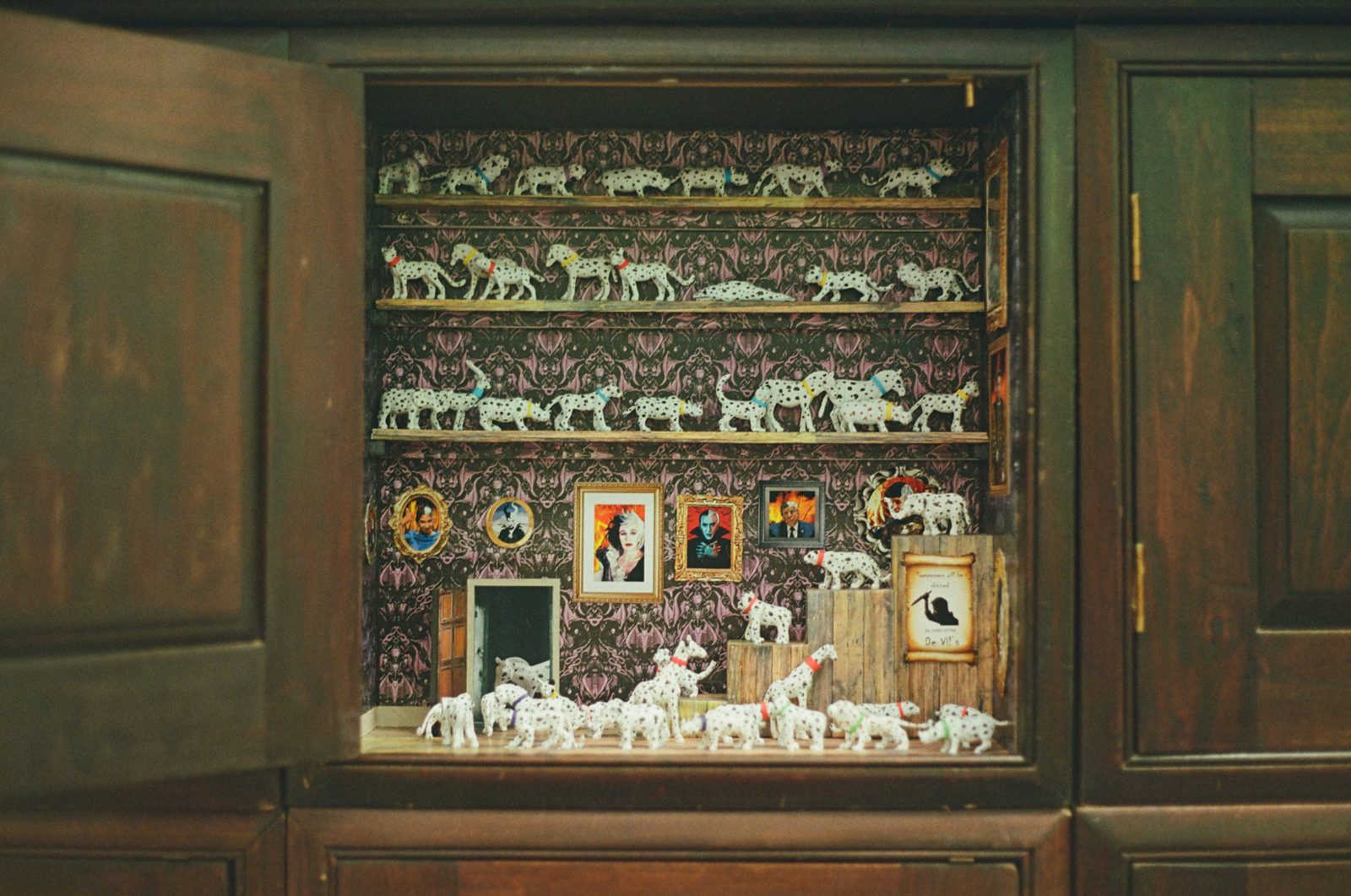
The tradeoff is that digital display feels less permanent. A digital frame is just a screen. It does not have the weight of a graded slab or the texture of a vintage toy. For many collectors, the physical presence matters. If you collect partly because you enjoy looking at the items themselves, physical is hard to replace. If you value flexibility and space efficiency, digital wins easily.
Common Mistakes New Collectors Make in Both Spaces
If you are trying to balance digital and physical collecting, a few mistakes seem to catch people every time.
Overpaying for hype. This happens in both spaces. In physical, it means buying a new release at inflated eBay prices before you check auction results. In digital, it means FOMOing into a project at mint price before researching the team or the community.
Neglecting wallet security. Digital collectors lose more value to poor security than to bad market timing. Never share your seed phrase. Use a hardware wallet for anything over a few hundred dollars. That single step avoids 90% of common theft scenarios. For those looking to secure their digital assets, hardware wallets are a practical investment for anyone holding value in a crypto wallet.
Ignoring grading costs. Physical collectors often buy raw items assuming they will grade high. PSA 10s are rare. That raw card you paid $200 for might come back a PSA 8 worth $80. Always factor grading costs and the probability of lower grades into your purchase price.
Buying without community research. Whether you are buying a vintage comic or an NFT collection, the community around the item matters. A dead forum or empty Discord server is a warning sign. Check the activity of subreddits, fan sites, and social channels before you buy.
Mixing wallets carelessly. New digital collectors sometimes spread NFTs across multiple wallets without tracking them. Then they forget which wallet holds which project or lose access entirely. Keep a single inventory list, digital or physical, for everything you own.
Who Should Collect Digital vs. Physical? A Decision Framework
There is no single right answer, but you can match your situation to the right type of collection pretty easily.
Digital is best for:
- Minimalists who do not want physical items taking up space.
- Frequent movers who cannot haul boxes of collectibles every year.
- People who value liquidity and want the ability to sell instantly.
- Tech-comfortable collectors who are fine managing wallets and understanding gas fees.
- Small-budget beginners who want to start with low upfront costs.
Physical is best for:
- Tactile collectors who enjoy handling and displaying items.
- Long-term holders who prefer stable price discovery and established grading.
- People with space who can dedicate a shelf or room to their collection.
- Collectors who value community trust built through repeated in-person interactions.
- Anyone who dislikes transaction fees and wants predictable costs.
If you are open to it, a hybrid approach works well. Keep a physical collection of items you enjoy displaying and handling. Maintain a separate digital wallet for projects that interest you. They do not have to compete. Many collectors find that each type satisfies a different itch, and running both keeps the hobby fresh.
Tools and Resources to Manage a Hybrid Collection
If you decide to explore both, a few tools make it easier to stay organized.
For digital assets, a hardware wallet like a Ledger Nano is a must-have if you hold more than a few hundred dollars in NFTs. It keeps your private keys offline and drastically reduces theft risk. For tracking your wallet across multiple projects, a portfolio app like Zapper or the NFT tracker within OpenSea helps you keep an eye on your holdings without manual spreadsheets.
For physical collections, storage boxes from BCW or Ultra Pro are reliable and affordable. If you display items, acrylic display cases keep figures and cards protected from dust without looking like a museum case. A label maker goes a long way if you organize by set or series.
If you want to display digital art physically, a digital picture frame that supports NFT display, like the Frame from Meural, works well. Just check that it supports the wallet integration you need before buying.
Final Thoughts: Building a Collection That Works for You
At the end of the day, your collection should fit your life, not the other way around. Digital and physical collectibles each have strengths and weaknesses. One is not inherently better. The right choice depends on your space, your habits, your budget, and what you actually enjoy about collecting.
Some people love handling a graded card and knowing its history. Others love the instant global market and community chatter that comes with a good NFT project. A growing number of collectors do both, and find that each side makes the other more interesting. If you are still deciding, start small in one area, learn the ropes, and see how it feels. You can always add the other later.
What is your collection strategy? Do you lean digital, physical, or somewhere in between? The comment section below is a good place to share what has worked for you, or to ask questions if you are just getting started.