Introduction
Finding a gift for a collector is harder than it looks. Most suggestions miss the mark entirely. This gift guide for collectors focuses on what they actually need and use, not just something to put on a shelf. You want to give something thoughtfulâsomething that shows you respect the time and energy they’ve put into their hobby. I’ve been around collectors for years. Stamp folks who sniff old paper for provenance. Toy collectors who can spot a reproduction from across a room. The best gifts solve a real problem: better display, safer storage, or an easier acquisition process. This isn’t about tossing money at something random. It’s about making a choice that lands. We’ll talk about understanding their niche first, then get into practical recommendations for storage, travel gear, research tools, and even experiences. By the end, you’ll have a clear direction.
Why Generic Gifts Fail for Collectors
The biggest mistake is buying a “collector” gift that has nothing to do with the actual collection. I watched a friend unwrap a beautiful snow globe once. Problem was, he collects vintage postcards. The snow globe sat in a box for a year before he donated it. That’s the reality: collectors are passionate about narrow, specific interests. A random memorabilia item or a display stand that’s the wrong size just adds clutter.
Collectors build their world piece by piece. Every item has a storyâwhere it was found, how much it cost, why it matters. A gift that ignores that story feels empty. Worse, it can feel insulting if it implies you don’t care enough to learn. The fix isn’t to guess; it’s to observe or ask. Pay attention to what they already own. Notice how they store things. Hear them talk about their latest find. That research is what separates a forgettable present from something they’ll actually use. This guide works on that principle: understand the person, then pick a gift that fits their world.
Before You Buy: Essential Questions to Ask (or Quietly Observe)
Before you buy anything, you need intel. The best gifts come from a few minutes of watching or a casual conversation. Here are four areas to explore:
- What is their primary collection niche? Coins, stamps, vintage toys, minerals, comic books, vinyl records, or something else? The gift has to match their main focus. A general antique book is useless to someone who only collects first-edition sci-fi paperbacks.
- What is their display or storage setup like? Look at their shelves, cases, or albums. Are things crammed together? Is there UV damage on exposed pieces? Do they have empty space or overflowing bins? That tells you what they need: better cases, archival sleeves, or organization tools. If shelves are crowded, a tiered acrylic display riser can create more visual order.
- Do they travel to acquire? Some collectors hunt locally, others go to flea markets, estate sales, or trade shows. If they’re on the road, gear like portable magnifiers, protective sleeves, or a sturdy tote bag becomes a thoughtful, practical gift.
- What is their realistic budget range? Don’t overstretch. A good magnifier or a set of archival binders is affordable and useful. A rare vintage item might be out of reach and risky if you’re not an expert. Stick to utility and support items they’ll use regularly.
These observations turn a guess into a targeted decision. It also shows you care about their hobby, which matters more than the price tag.
Best Display and Storage Solutions for Any Collection
This is where you can make a real impact. Most collectors struggle with two things: protecting items from damage and organizing them so they’re easy to see or access. Here are the most reliable options, grouped by what they solve best.
Shadow boxes and floating shelves are ideal for small, three-dimensional items like pins, medals, or small figurines. They keep dust off and look clean on a wall. For items that need to be rotated or frequently handled, a glass display case is better. It offers full visibility and protection from dust and UV light (if you choose one with UV-filtering glass).
Binders and archival sleeves are the standard for paper-based collections like stamps, postcards, or baseball cards. Look for acid-free, lignin-free materials. A good binder with refillable sleeves lets them add new finds without replacing the whole system.
Best for small items: A tiered acrylic display riser. It creates visual interest on a shelf and lets them see everything at a glance.
Best for wall mounting: Adjustable floating shelves. They work for most medium-sized collections and look more curated than standard shelving.
Common mistakes to avoid: Buying a display that isn’t UV-protected if objects are in direct sunlight. Using adhesive hooks on the back of framesâuse proper wall anchors. Ignoring weight limits on wall-mounted units. Make sure the storage solution matches the type of item they collect.
For most collectors, a quality display case or a set of archival binders is a safe, appreciated gift. They’re foundational tools that get used for years.
Travel-Friendly Tools and Gear for the Collecting Trip
If the collector in your life travels to find items, gear that makes hunting easier is gold. Here are problem-solving tools I’ve seen work well.
Portable magnifiers are essential for checking details, especially under dim light at flea markets. A compact one with an LED light fits in a pocket and beats squinting at a coin or stamp. Look for one with a solid lensâcheap plastic scratches quickly.
Protective sleeves are cheap and useful. Whether it’s plastic sleeves for vinyl records, soft pouches for small ceramics, or acid-free paper for ephemera, having them on hand prevents damage before items come home.
Sturdy tote bags matter more than you think. A flimsy bag can break, ruining a purchase. Look for one with reinforced stitching and a wide gusset so it stands open. Dark colors hide dirt from dusty venues.
RFID-blocking wallets are smart for cash-heavy transactions. Many collectors prefer cash at markets, and an RFID blocker adds security for backup cards.
Here’s a quick comparison of three common travel kits:
- Basic Kit: A portable magnifier, a pack of 10 acid-free sleeves, a compact bubble wrap roll. Best for one-off trips or budget gifting.
- Intermediate Kit: Everything above plus a sturdy canvas tote, a small notepad and pen, and a microfiber cloth for cleaning finds. Good for regular hunters.
- Advanced Kit: A digital caliper (for coin collectors), a portable UV light (for glass or ceramic identification), and an RFID-blocking wallet. Ideal for serious enthusiasts. A digital caliper is especially useful for measuring coins or other small items precisely.
If you’re unsure, a portable magnifier with a light is the most universally useful item. It works for nearly every collecting niche and doesn’t take up much space.
Books, Guides, and Research Tools Every Collector Needs
A well-chosen reference book shows you respect their depth of knowledge. The key is specificity. A “complete guide to antiques” is too broad. Instead, pick a book that focuses on their exact niche, like “Collecting Vintage Star Wars Toys” or “A Guide to Chinese Export Porcelain.”
Tradeoffs matter here. A general price guide is often outdated within a year. A specific, well-researched book on history or identification stays useful longer. For example, a coin collector gets more value from a guide on error coins than from a mass-market price list that’s already inaccurate. Look for books that are known in the collecting community as reliable. Auction catalogs from major houses can also be greatâthey show real prices and condition notes.
Digital tools are worth considering too. Apps like CatalogIt let collectors manage inventory, track values, and add photos. Online databases or subscription services for auction results help them research pricing before buying. A gift card to such a service is practical and avoids the risk of buying the wrong book.
If you want a physical gift, go with a well-regarded niche guide. Check reviews from other collectors online. A book praised for accuracy and photographs is a winner.
Subscription Boxes and Curated Finds: Good Idea or Gimmick?
Subscription boxes get mixed reactions from collectors. On one hand, the surprise element can be fun. A friend who loves reptiles once got a monthly box with fossils and mineral samplesâhe genuinely enjoyed the variety. On the other hand, many boxes contain low-quality reproductions or items that don’t fit a serious collection. A stamp club subscription might send random definitives that an advanced collector already has twice over.
Here’s the honest take: subscription boxes work best for newer collectors or as a casual fun gift. If the person has been collecting for more than a year, they’re likely too specific to enjoy a box of curated “general” items. The waste factor is real. I’ve seen boxes where half the contents go straight into a drawer.
If you’re determined, look for a box that lets you choose a category or level. Some offer a “vintage ephemera pack” that gives a mix of old papers, postcards, and advertisements. That can be interesting for a stamp or postcard collector, but you need to watch for duplication.
My recommendation: avoid subscription boxes unless you know exactly what they’re getting. A bad one can feel like a chore. Instead, put that money toward a single, high-quality piece of equipment or a reference book.
Gifts That Let Them Organize and Catalog Their Collection
Organization is a never-ending battle for collectors. You can help by giving tools that make the process cleaner and easier. Here’s the physical vs. digital breakdown.
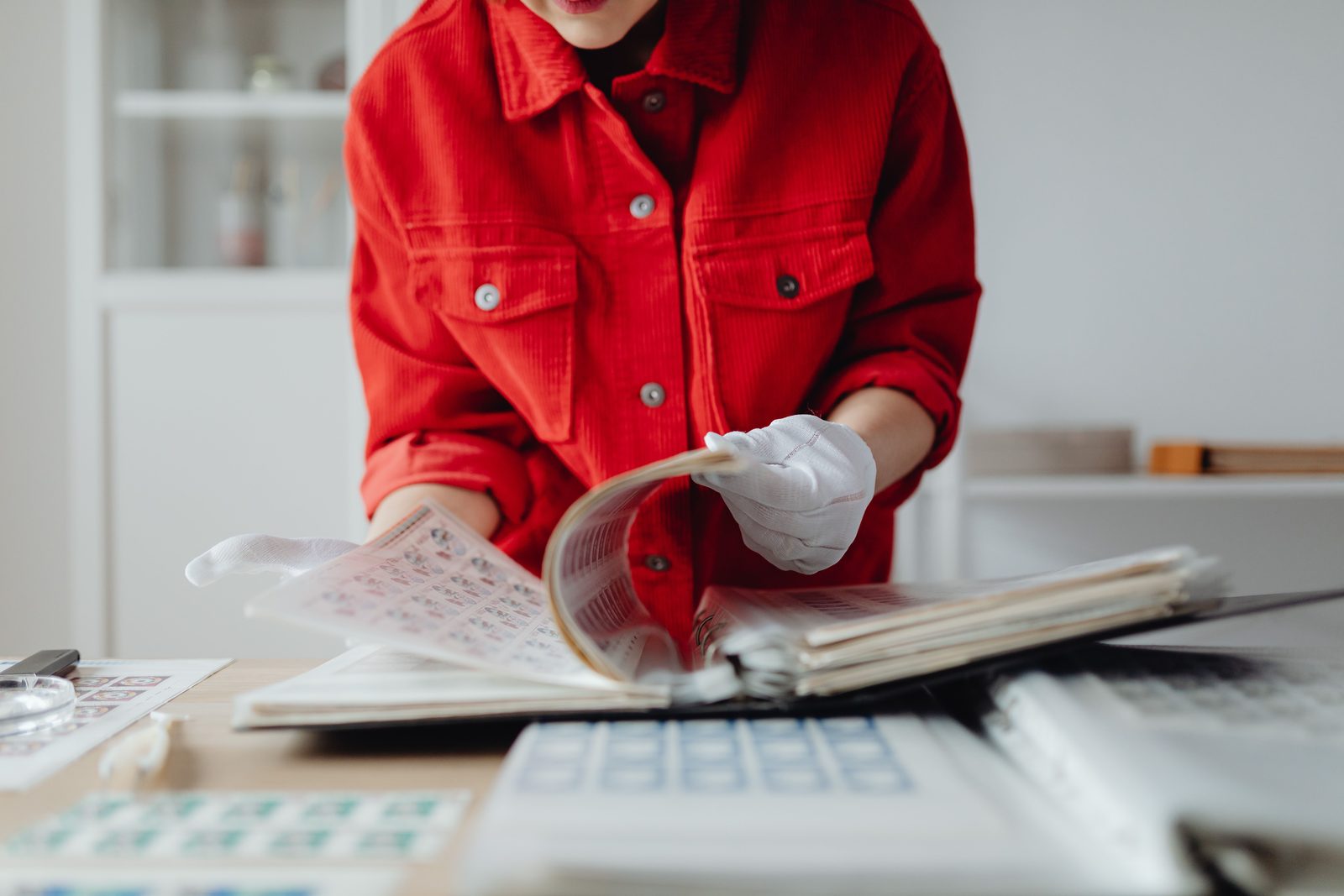
Physical organizers: Albums and binders are classics for a reason. Look for D-ring binders with strong covers. Add accessories like page dividers, label holders, and a label maker. A good label maker (like an entry-level Brother model) is surprisingly useful for labeling shelves, cases, or album backs. It’s not glamorous, but it gets used.
Digital solutions: CatalogIt is one of the best apps I’ve found for serious collectors. It lets them photograph, describe, and categorize items, with a cloud backup. For larger collections, a desktop-based database like Collectify or a custom spreadsheet works. The tradeoff: apps need regular input, but they’re searchable and portable. Physical binders are immediate and don’t need batteries.
Which is better depends on the collector. If they’re older or prefer tangibles, a quality binder and label maker are ideal. If they’re tech-savvy and have a large collection, an app subscription with a good tutorial is a better use of money.
A high-quality archival binder plus a set of acid-free sleeves is almost never wasted. It’s a tool they’ll reach for every time they add a new piece.
Experiences and Accessories for the Collector on the Go
Not all gifts are things. Experiences that feed their passion can be just as valuable. Consider a membership to a museum that aligns with their collectionâlike a coin collector getting access to a numismatic society, or a mineral collector to a museum’s Friends program. These often come with early entry to exhibitions or exclusive viewing days.
Trade shows and antique fairs are another option. A ticket to a major event, like the Long Beach Antique Market or the National Postage Stamp Show, gives them a full day of hunting. Pair that with a practical accessory: a travel backpack with a dedicated compartment for finds. Look for one with padded interior sections or removable dividers. A camera insert bag works well for small fragile items.
Guided tours of famous markets, like London’s Portobello Road or Paris’s Marché aux Puces, can be transformative for collectors who’ve never been. A private tour with an expert adds context and might lead to discoveries they’d miss alone. Some tours offer a “treasure hunt” element, which is both fun and educational.
These gifts work because they create memories and knowledge, not just stuff. They’re also safe from the “wrong item” problem. Just make sure the experience matches their travel style and budget.
Three Common Mistakes When Gifting to Collectors (And How to Avoid Them)
Even with good intentions, people make these three errors repeatedly. Here’s how to sidestep them.
1. Buying a replica or fake. This is the worst. A collector can spot a reproduction from a mile away, and it damages trust in their collection’s integrity. Never buy an item that claims to be vintage or rare unless you’re 100% certain of its authenticity. If in doubt, buy a utility item instead.
2. Ignoring storage space. They might love a massive display cabinet, but if their apartment is tight, it becomes a burden. Always consider their living space and current storage system. A small, well-chosen organizer is better than a huge, unused shelf.
3. Buying based on your taste, not theirs. You might think a vintage fishing lure is cool, but if they collect mid-century furniture, it’s irrelevant. This mistake comes from trying to be “creative.” Creativity is great, but only within their niche. Observation beats novelty every time.
The fix is simple: ask about space constraints, verify authenticity with a trusted dealer or guide, and if you’re unsure, go with a support item like storage or a magnifier. Keep the receipt in case you misjudge.
Final Strategy: How to Pick the Perfect Gift Every Time
Here’s a simple mental checklist you can use next time you’re shopping:
- Identify the niche: what do they collect exactly?
- Observe their needs: Do they need better display, safer storage, or tools for travel?
- Choose utility over novelty: A practical tool they’ll use weekly is better than a decorative item they’ll ignore.
- Match the “best for” scenario: Is this gift for a beginner or a veteran? A wall display or a field trip?
For most collectors, a high-quality display case or a portable magnifier is a safe, appreciated bet. These items solve real problems and show you’ve thought about their hobby. If you’re still unsure, go with an archival binder or a sturdy tote bag. They’re low-risk, universally useful, and don’t require deep niche knowledge.
Now that you have a plan, you can shop with confidence. The right gift will be used, appreciated, and rememberedânot because it’s expensive, but because it fits their world.