Introduction
If you’re serious about collectingâwhether it’s vintage watches, trading cards, coins, vinyl records, or action figuresâyou’ve probably spent hours scrolling through forums and Facebook groups. Online communities have their place, but nothing beats the real thing. That’s where learning how to join local collectors clubs changes the game.
In-person clubs offer something you simply can’t get behind a screen: the chance to inspect items hands-on, make trades without shipping costs, and build relationships with people who live in your area. You’ll hear about estate sales before they hit the public, get tips on local flea markets, and find people who actually understand why you’d spend a Saturday hunting for a specific error coin. This article covers how to find the right club, what to expect when you walk in the door, and how to get the most out of your membership without stepping on toes.
Why Bother with a Local Collectors Club?
The most obvious reason is access. Local collectors know the hidden spots in townâthe old pawn shop that doesn’t list online, the thrift store with a back room, the estate liquidator who calls them first. Join a club and that collective knowledge becomes yours. You’ll also avoid the markup and shipping costs that come with buying online.
But it’s not just about finding deals. Clubs are where expertise gets shared for free. Someone will show you how to spot a counterfeit. Another member will teach you how to grade cards without a service. The informal mentoring that happens at meetings is worth more than most paid guides. For members who want to be better prepared, a good grading reference guide can help you follow along with more experienced collectors.
Socially, local clubs offer something surprisingly rare: regular face-to-face interaction with people who share your specific interest. If you’ve ever felt like you’re the only person in your town who cares about 1970s lunchboxes, a club fixes that instantly. That said, be realistic. Not every meeting will be mind-blowing. Some months are slow. Some members are grumpy. The value builds over time, not overnight.
Where to Start Your Search for a Club
Finding a local collectors club takes a bit of detective work, but the methods are straightforward. Start with Facebook. Search for phrases like ‘vintage toy collectors [your city]’ or ‘coin club [your region].’ Many clubs maintain private groups where they announce meeting dates and locations. You don’t even need to join the group to find the meeting infoâjust check the public description.
Next, hit Meetup.com. It’s less active for niche hobbies than it used to be, but regional hobbyist groups still pop up there. I found a local camera collectors group through Meetup that meets at a library three towns over.
Local hobby shops are gold mines. Card shops, comic stores, and hobby boutiques often have bulletin boards with flyers for collector meetups. Ask the owner directlyâthey usually know the key people. Antique malls work the same way. Strike up a conversation with a dealer who sells what you collect and ask if they know of any clubs. More often than not, they’re members of one.
Libraries still host meeting spaces for community groups. Check their event calendars or ask at the reference desk. Search for national collector organizations with local chapters. The American Numismatic Association, for example, lists local coin clubs on their site. Same for the Cartophilic Society if you collect trading cards.
What to Look for in a Club (and What to Avoid)
Not every club is worth your time. Before committing to regular attendance, consider a few things. First, meeting frequency. Monthly is standard. If the club only meets quarterly or whenever someone feels like organizing, you’ll struggle to build momentum. Consistency matters.
Next, member expertise. Some clubs focus broadly on ‘collectibles,’ which is fine if you’re a generalist. But if you collect something specific like vintage fountain pens, you’ll get more from a niche group. The best clubs have a mix of beginners and seasoned collectors, so there’s room to learn and teach.
Meeting formality varies wildly. Some clubs follow a strict agenda with officers, minutes, and dues. Others are loose gatherings where people just show up and talk. Neither is better across the board, but if you prefer structure, avoid the latter. On cost, most clubs charge nominal duesâthink $10 to $30 a year. Red flags include anything over $100 annually without clear benefits, or dues that go into someone’s personal account. Transparency is a good sign.
Avoid clubs that gatekeep. If you show up as a new face and people ignore you, leave. Some groups develop cliques that shut out newcomers. Similarly, if the club seems to exist only to sell things to members rather than share knowledge, pass it up. You want a community, not a captive market.
The First Meeting: What to Expect and How to Prepare
Walking into a room of strangers is awkward for almost everyone. Don’t let that stop you. The vast majority of club members are happy to see new faces because it means their hobby stays alive. Here’s how to make that first meeting go smoothly.
Bring a small notebook and pen. You’ll want to jot down names, trade offers, and tips. Also bring one or two items from your collection that are easy to carry and show. A rare coin in a flip, a vintage baseball card in a top loader, a small figurineâsomething that gives others a window into what you like. This gives people a reason to start a conversation with you.
Prepare a few questions in advance. Ask about upcoming events, what the club’s typical meeting rhythm is, and whether there are any field trips planned. Questions like these signal that you’re serious about participating. Dress comfortably but casually. These are hobbyists, not a boardroom.
Observe etiquette before speaking too much. Watch how trades are conducted. Listen to how disagreements are handled. If the club does a show-and-tell segment, pay attention to how people present their items. It’s okay to be quiet your first time. Everyone remembers their first meeting nerves.
Essential Gear for Club Meetings and Events
You don’t need to show up with a suitcase of gear, but a few items will make every meeting more productive. A quality notebook, like a Rite in the Rain all-weather notebook, survives being stuffed in a jacket pocket and is great for jotting down auction notes or trade offers on the fly. Pair it with a reliable pen that won’t leak.
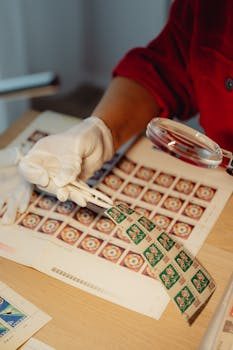
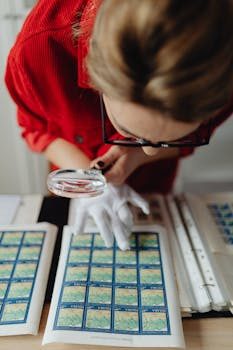
For authenticators, a magnifying loupe with at least 10x magnification is essential. You’ll use it constantly to check details on coins, stamps, cards, and small antiques. A UV flashlight is another handy tool for spotting restorations, repairs, or forgeries on everything from porcelain to comic books. The light reveals repairs and touch-ups invisible under normal light.
If you handle items directly, bring a pair of soft cotton gloves. Finger oils can damage paper, silver, and certain metals. Gloves show you respect the items and keep things clean. Finally, a padded carrying case for the items you bring. It protects your collection and makes you look prepared.
How to Get Involved Beyond Just Showing Up
Passive membership gets you some knowledge, but active participation unlocks the real value. Volunteering is the easiest way in. Most clubs have newsletter duties, social media updates, or meeting setup needs. Offer to handle one small thing. It immediately makes you part of the team, not just a face in the crowd.
Bring snacks or drinks to a meeting. It’s low effort but highly appreciated. People remember the person who brought coffee and cookies. Within a few meetings, you’ll know who shares your specific interests. Suggest a side meetupâcoffee before the meeting or a visit to a local antique fair. These informal gatherings often produce the best connections and trades.
Consider presenting on a topic you know well. It doesn’t have to be a lecture. A 15-minute show-and-tell with commentary on why something is collectible or how you spotted a good deal is plenty. Presenting positions you as someone who knows their stuff, and it usually prompts others to share their expertise back at you.
Common Mistakes New Members Make
The most common misstep is joining too many clubs at once. You get excited, find three groups, and try to attend all of them. Within a month you’re burnt out and dropping out of all of them. Pick one club that fits your schedule and interests. Attend three or four meetings before considering a second.
Another frequent mistake is treating the meeting like a free appraisal service. Yes, people will help you value items, but showing up with a box of grandma’s jewelry expecting someone to price everything is rude. Ask politely about one or two items. If someone offers to help with more, great. Don’t assume it’s part of the deal.
Bragging about finds immediately turns people off. If you got a deal on a rare item, mention it casually. Don’t lead with ‘I just bought a collection worth $20,000 for $500.’ It comes across as boastful and makes others less likely to share their own tips. Listen more than you talk in the first few meetings. The quickest way to earn trust is by showing genuine interest in what others collect.
Don’t expect instant value. You won’t walk away from your first meeting with a major score or a lifelong mentor. It takes time to build relationships. Be patient.
Club Etiquette: The Unwritten Rules of Collecting Communities
Experienced collectors judge you by how you handle items. If someone hands you a valuable piece, hold it properly. Support coins or medals by the edges. Handle paper items by the edges or from the back. Never lean on a display table. Respecting the items shows respect for the collector.

When it comes to trades, don’t lowball. If you know the value of what you’re offering and what you’re asking for, be fair. Repeat lowballers get a reputation quickly. If you’re unsure of value, say so and ask for help rather than trying to lowball. Most collectors appreciate honesty.
Don’t monopolize conversations. If a senior member is talking, listen. If a shy member is showing something, give them attention. Credit your sources when sharing information. If someone taught you a trick for spotting fakes, mention their name next time you share it. It builds goodwill and shows you’re part of the community, not just extracting value.
Disagreements happenâover authenticity, grading, or value. Be gracious about them. It’s okay to disagree without being disagreeable. If you’re proven wrong, accept it with good humor. Everyone respects someone who can admit a mistake.
Trade Nights, Auctions, and Show-and-Tell Events
Most clubs run at least one of these events, and they’re the highlight of the meeting calendar. Trade nights are open bartering sessions. Bring items you’re willing to part with, clearly priced or ready to negotiate. A good rule is to ask around what similar items have sold for in the club before setting your price. Overpricing makes you look out of touch.
Club auctions are more structured. Items are typically displayed in advance, and bidding follows an informal but orderly process. Don’t bid if you’re not serious. If you win something, pay promptly. Some clubs use a points system instead of cashâask how it works before participating.
Show-and-tell is your chance to share something from your collection that has a story. It doesn’t have to be rare or expensive. A piece with a good backstory or an interesting flaw is often more memorable. Prepare a short explanation of what it is, why you like it, and how you acquired it. Keep it under five minutes unless the group is really engaged.
Online Alternatives If No Local Club Exists
Sometimes there just isn’t a club nearby. If you live in a rural area or your niche is too obscure, the online world becomes your fallback. Facebook groups are still the most active for regional collecting. Search for state-level groups or national niche groups that do virtual meetups.
Reddit has active communities for nearly every collectible. Subreddits like r/coins, r/comicbookcollecting, r/gamecollecting, and r/vintage are worth joining. The trade and discussion quality is decent, but you’ll miss the hands-on inspection and immediate social connection.
Specialized forums (like the Vintage Fishing Tackle forums or the Watchuseek forums) host detailed discussions and classifieds. They’re less social than Reddit but deeper on technical knowledge. Virtual meetups via Zoom are also growing. Some online clubs hold monthly video calls where you can show items on camera and discuss finds. The format is better than nothing, but it’s not the same.
If you find yourself wishing there was a local group, consider starting one. You’re probably not the only one.
Starting Your Own Local Collectors Club
You don’t need permission. Just find three or four other collectors, pick a niche focus, and set a date. Libraries and coffee shops with back rooms are usually free or low-cost venues. Check with the venue about reservation policies for recurring meetings.
Set a regular scheduleâfirst Tuesday of the month at 7 PM works well. Once you have a time and place, create a free Facebook group and invite people from local Facebook collecting groups. Print a small flyer with the details and ask antique malls and hobby shops to display it. Within a month, you’ll usually have five to ten attendees.
Keep the first few meetings simple. Have everyone introduce themselves and show one thing. Ask the group what they want the club to focus onâtrades, guest speakers, field trips. Then follow through on the most popular ideas. Don’t try to do everything at once. A club that meets consistently and keeps things straightforward will outlast one with grand ambitions and no follow-through.
Starting a club takes effort. You’re the organizer until someone else volunteers. But the reward is building exactly the community you wantedâand being the person who made it happen.
Final Thoughts: Making the Most of Your Membership
Start with one club. Show up consistently. Be curious, not pushy. The best collectors aren’t the ones with the rarest itemsâthey’re the ones with the best networks. Local clubs give you that network in a way that no amount of screen time can match. Trade with people face to face. Learn from people who have been doing this for decades. And when you find something good, share the story in person. That’s what makes collecting more than just acquiring things. It makes it a community.