Introduction
If you travel much, you know the souvenir problem. You want something to remember a place by, but hauling a marble bust home in your carry-on or filling shelves with dusty trinkets isn’t appealing. That’s where keychain collecting world comes in. It’s practical, affordable, and a genuinely satisfying way to build a travel collection without clutter or baggage fees. I’ve been doing this for over a decade, and I’ve learned where to find the best pieces and what mistakes leave you with broken plastic. This guide is for travelers ready to start collecting keychains on their next trip and want to do it right from the start.
Why Keychain Collecting Is a Smart Souvenir Strategy
Let’s start with the logistics. A keychain is small, light, and tough. Buy one on a market street in Bangkok, clip it to your daypack, and it’ll survive the rest of your trip without taking up much suitcase space. Compare that to a ceramic mug or carved wooden bowl. Those break, weigh down your bag, and make you think about packing strategy every time you buy. A keychain doesn’t.
There’s also the cost. You can find quality keychains for a few dollars in nearly every country. That means you can collect from multiple places on one trip without blowing your budget. Over time, a small box of keychains becomes a dense archive of your travels. Each one triggers a specific memory â the smell of a market, the heat of the sun, the conversation with a vendor. No bulky snow globe does that efficiently.
And if you travel often, the consistency matters. Keychains are available everywhere. You’re never stuck with nothing to buy because the gift shop is closed or the local art scene isn’t your style. You can always find a keychain. That reliability makes collecting sustainable over years of travel.
Where to Find the Best Keychains While Traveling
Not all keychains are created equal, and where you buy matters more than what you buy. If you only shop at airport souvenir stores, you’ll get mass-produced metal plates that look identical from Istanbul to Tokyo. The real finds are elsewhere.
Local Markets
Flea markets, night markets, and weekend bazaars are the best hunting grounds. Vendors there source from local artisans or older stock, so you find unique designs and better materials. In Paris, the Marché aux Puces de Saint-Ouen has vintage enamel keychains from the 1960s that are far better than anything on the Rue de Rivoli. In Bangkok, the Chatuchak Weekend Market has dozens of stalls with hand-painted wooden keychains that cost less than coffee. Travelers who need an easy way to organize finds during market visits may find a travel organizer pouch useful for keeping small items together.
Museum and Cathedral Gift Shops
This is where you find quiet quality. Small museum shops and cathedral gift stores often sell keychains that reflect the actual architecture or art of the building. They tend to use enamel or metal rather than cheap plastic. They’re also less crowded than souvenir stands, so you can take your time choosing. In Florence, the gift shop at the Duomo sells a brass keychain shaped like the cathedral dome that has held up for years. That’s the kind of purchase you won’t regret.
Specialty Souvenir Shops
Some cities have stores dedicated to high-quality local crafts. These aren’t the trinket shops on the main square. They’re often a few blocks away, smaller, and more curated. Look for shops that carry woodwork, ceramics, or metalwork from local artisans. They’ll have keychains that feel like art rather than afterthoughts.
Airport Shops â Only as a Last Resort
If you completely forgot to buy something, airport shops will save you. But the quality is usually lower, the prices higher, and the selection identical globally. I only buy from airport shops if I have no other option. Even then, I look for items made from metal or enamel rather than printed plastic ones.
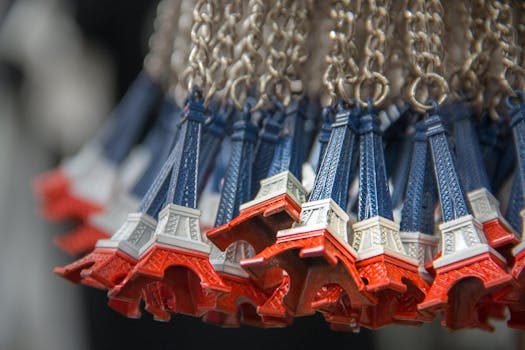
As a rule, steer clear of stalls that have the same keychains as every other tourist shop in that city. If you see the same Eiffel Tower keychain in three different shops, it’s a commodity. Hunt for the ones that look like they were made by someone local.
Common Mistakes New Keychain Collectors Make
I made all of these mistakes myself. You don’t have to.
Buying Too Many Cheap Plastic Keychains
Plastic keychains are tempting because they’re cheap and colorful. But they break. The paint chips. The clips snap off within a month. You end up with a pile of junk you don’t want to display. Instead, buy fewer items but choose ones made from metal, wood, or enamel. You’ll thank yourself later.
Not Checking for Local Authenticity
In many tourist-heavy cities, the keychain you buy might have been made in China rather than by a local artisan. That’s fine if you just want a memento, but if you’re building a genuine collection of items from around the world, check the back of the keychain. Look for a maker’s mark or ask the vendor. I’ve bought keychains in Mexico that were hand-painted and stamped with the artist’s name. Those are the ones I keep on display.
Ignoring Weight and Space Limits
Keychains are small, but if you buy twenty on a trip, they add up. Metal ones especially have weight. Think about your luggage allowance before you go. I use a small pouch and set a soft limit of three to five keychains per trip. That keeps collection growth steady without baggage problems.
Buying Items That Are Hard to Display
Some keychains are overly large or oddly shaped. They look cool in the shop but become a problem when you get home. A keychain shaped like a massive plastic mouse trap might be funny, but where do you put it? Stick to standard sizes. They’re easier to store, display, and carry.
How to Choose Quality Keychains Worth Collecting
Not all keychains are equal. Here’s how to tell the difference between something that will last a decade and something that will fall apart in a week.
Material Matters
Metal keychains are the most durable. Brass, steel, and aluminum hold up well over time. They don’t fade or crack. The only downside is weight, so be strategic if you’re packing many. Wooden keychains are lightweight and unique, but the finish matters. Look for sealed or lacquered wood, or it will dry out and split. Resin keychains can look beautiful if well-made, but cheap resin yellows and cracks quickly. Fabric or leather keychains are comfortable to touch but can get dirty and wear out. They’re best for keychains you actually use daily rather than display.
Craftsmanship Indicators
Pick the keychain up. Does it have heft? Cheap items feel hollow or light. Run your finger over the edges. Are they smooth or sharp? Bad finishing is a sign of low quality. Look at the attachment ring. A solid metal ring with a smooth mechanism is good. A thin wire ring that twists easily will break. If the keychain has a painted design, check for overspray or uneven coating. Good enamelwork has crisp lines and even color.
Best For Scenarios
- Metal keychains are best for everyday carry items you’ll actually use. For those who use their keys daily, a sturdy metal keychain collectible is worth seeking out.
- Wooden keychains are best for display or themed collections (like national parks).
- Enamel keychains are best for detailed designs like landmarks or flags.
- Leather keychains are best for minimalist collectors who prefer a rustic look.
If you buy from a reputable artisan, you can often find keychains that combine materials â like a brass base with a leather tag. Those hybrids are usually well-made and worth paying extra for.
Best Places to Buy Keychains by Region
Different regions have different strengths when it comes to keychain design and availability. Here’s where to focus your hunting.
Europe
Europe is strong on medieval-themed keychains and cathedral gift shops. In Prague, the shops near Old Town Square sell pewter keychains shaped like castle doors and astronomical clocks. In Rome, the metal keychains from the Vatican gift shop are heavy and well-made. In smaller French towns like Carcassonne, you can find keychains made from local stone or forged iron. European flea markets are also excellent. The best ones are in Paris, Rome, and Berlin. Arrive early and bring cash.
Asia
Japan is a keychain collector’s paradise. The capsule toy machines â gachapon â in every train station produce incredibly detailed miniature keychains of everything from food to historical figures. The quality is consistent and the variety is endless. In Tokyo, the Yodobashi Camera store in Akihabara has an entire floor of capsule machines. In Bangkok, the night markets have hand-painted wooden keychains for a couple of dollars. In Seoul, the Insadong neighborhood has artisan shops with brass keychains shaped like Korean masks. Department store basement floors in Asia, especially in Japan and South Korea, are also gold mines for affordable, well-designed keychains.
North America
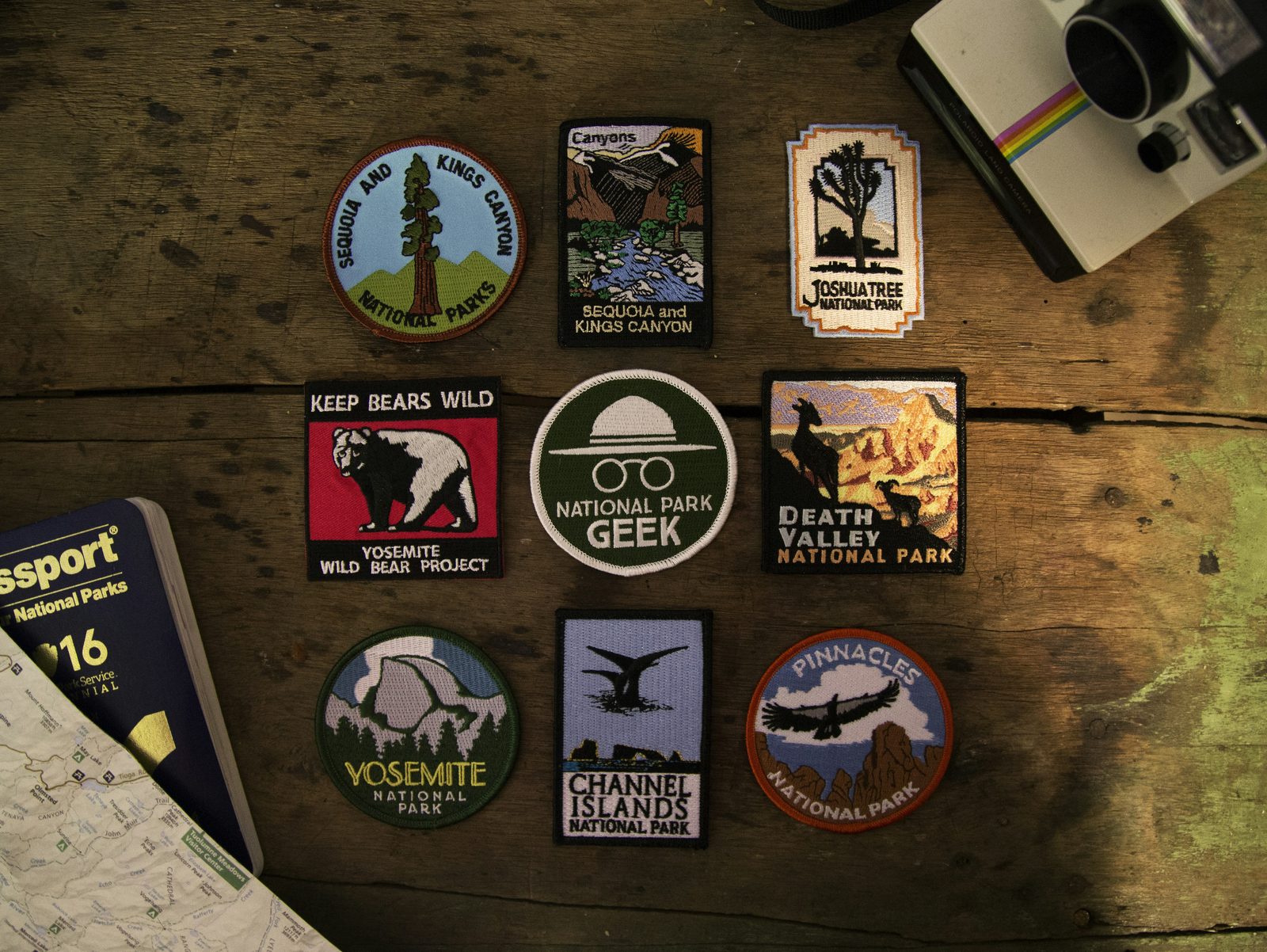
National park visitor centers are the best places to buy keychains in North America. They sell park-specific designs made from metal or wood. They’re not cheap, but they’re high quality and support the parks. State fairs are also good for keychains, especially enamel pins on keychains that feature state symbols or fair logos. Avoid the generic souvenir shops at tourist attractions. They tend to sell the same plastic keychains you can find anywhere.
South America
Artisan cooperatives in South America produce keychains from local materials that are hard to find elsewhere. In Peru, you can find keychains made from alpaca wool or carved gourds. In Colombia, there are hand-painted wooden keychains from the coffee region. In Argentina, leather keychains from small workshops are common. The key is to buy from cooperatives or markets that vouch for the artisans. The San Telmo market in Buenos Aires is a good place to start. Always ask about materials before buying, and avoid items that feel like mass imports.
Organizing and Displaying Your Keychain Collection
Once you’ve started collecting, you need a way to see and enjoy them. A collection that lives in a drawer isn’t a collection.
Corkboards are the simplest solution. Pin the keychains through the ring onto the board. You can see everything at a glance, and swapping items takes seconds. The downside is that corkboards can look messy if you pin too many. Limit yourself to one board per theme.
Shadow boxes are better if you want a polished display. A shallow frame with a glass front keeps the keychains visible but dust-free. Arrange them in rows by country or theme. The main cost is the frame, but it looks clean on a wall or shelf.
Carabiner racks are great for daily use keychains. Clip each keychain onto a large carabiner, hang the carabiner on a hook. For collectors who prefer a functional daily display, a keychain display carabiner can make rotation simple. It’s a quick way to rotate your keychains without committing to a permanent display. Works well for people who actually use their keychains every day.
Dedicated binders are a space-saving option for serious collectors. Use binder sheets with plastic pockets designed for coins or trading cards. Slide each keychain into a pocket. You can flip through the binder like a catalog. This method keeps the collection compact and portable, but you lose the tactile experience of picking up and handling the pieces.
Keychain Collecting vs. Other Souvenir Types
Here’s how keychains stack up against other common souvenirs.
| Souvenir Type | Durability | Cost | Display Ease | Carry Ease |
|---|---|---|---|---|
| Keychain | High | Low | Easy | Very easy |
| Magnet | Medium (chip) | Very low | Very easy | Very easy |
| Pin | Medium (bend) | Low | Moderate | Easy |
| Postcard | Low (tear) | Very low | Moderate | Very easy |
| Shot Glass | Low (break) | Low | Moderate | Heavy |
For frequent travelers, keychains win on durability and carry ease. They don’t chip like magnets, bend like pins, or break like glass. They also serve a dual purpose if you use them on your actual keys, which no other souvenir type can do.
How to Start a Themed Keychain Collection
A themed collection gives your keychains a story. Without a theme, you end up with a random assortment that has no visual coherence. With a theme, each new addition becomes part of a narrative.
Landmarks is the most common theme. Collect a keychain from a famous landmark in every city you visit. This forces you to visit those landmarks, which isn’t a bad thing. The keychains are usually easy to find at on-site gift shops.

Flags work well for country collectors. You can buy flag enamel keychains at airport shops or online, but the ones you find locally are often more detailed. The tradeoff is that flag keychains can look similar. To keep it interesting, opt for unusual flag designs like the Welsh dragon or the Nepalese pennant shape.
Animals are a great theme if you travel to nature-rich destinations. A koala from Australia, a panda from China, a kiwi from New Zealand. The challenge is that animal keychains vary wildly in quality. Stick to ones made from wood or metal.
Food is a fun and increasingly popular theme. Japanese gachapon machines excel at this. You can find keychains shaped like tempura shrimp, ramen bowls, or melon pan. The upside is the variety. The downside is that non-Japanese food keychains are often less detailed.
The cautionary note: don’t overcommit to a theme too early. Travel for a year first, then look at your keychains and see what natural pattern emerges. Forcing a theme from day one can lead to buying mediocre keychains just to fill a slot. Let the collection guide you.
Packing and Transporting Keychains Safely
Keychains are small and sturdy, but they can still get damaged or tangle if you pack them poorly.
Use zip pouches. A small pouch with a zipper keeps keychains from rubbing against each other. The metal ones can scratch. The wooden ones can chip. Separate materials if possible. A simple pencil case works well.
Separate metal from delicate items. If you buy a painted ceramic keychain, don’t throw it in the same pouch as a brass one. The brass will scratch the paint. Wrap delicate pieces in a soft cloth or a sandwich bag.
Avoid loose chains tangling. This is the most annoying packing problem. Keychain rings catch on each other and turn into a metal knot. The solution is to clip each keychain to a larger carabiner inside the pouch. Or use individual zip bags, one per keychain. It takes a few extra seconds, but saves you twenty minutes of untangling at home.
Weight is a consideration for luggage limits. Metal keychains weigh about 20â40 grams each. Twenty of them add nearly a kilo. Factor that into your packing decisions.
Connecting With Other Keychain Collectors
Collecting can be a solitary hobby, but it doesn’t have to be. There are active communities of keychain collectors online, and they’re generous with advice.
Reddit has a subreddit called r/keychaincollecting. It’s small but active with posts about new finds, trade requests, and display ideas. The tone is helpful and low-drama, which is rare online.
Instagram is useful for visual inspiration. Search hashtags like #keychaincollection or #keychaincollector. You’ll find accounts from Japan, Europe, and the US that post daily photos. Following these accounts helps you spot trends and discover new sources. Some collectors post about swap events or group buys.
Facebook has a few dedicated groups for keychain collectors, though the activity is less consistent. The most useful ones are regional, for example, “Keychain Collectors Japan” or “European Souvenir Keychains.” These groups often have pinned posts with market recommendations.
The main benefit of joining these communities is learning from other people’s mistakes. You avoid buying from known fakes, you learn which markets are overpriced, and you get tips on where to find specific themes. It builds confidence, especially when you’re just starting out.
My Personal Recommended Keychain Finds by Country
These are specific keychains I’ve bought and can vouch for. They’re not the only options, but they’re reliable starting points.
- France (Paris): Vintage enamel keychains from the Marché aux Puces de Saint-Ouen. Look for ones shaped like the Eiffel Tower or a Parisian street sign. They’re from the 1960s and the enamelwork is superior to modern versions. Prices range from â¬8 to â¬25 depending on rarity.
- Italy (any region): Ceramic keychains from small artisan shops. I bought one in Florence shaped like a ceramic lemon, hand-painted and signed. It hasn’t chipped in six years. The trick is to look for shops that sell tiles or dishes and ask if they have keychains. They often do, but keep them behind the counter.
- Mexico (Oaxaca): Hand-painted wooden keychains from the Mercado Benito Juárez. They feature alebrije animals â fantastical creatures with bright colors. Each one is unique. Cost is about $3 USD. You can’t find these outside of Mexico.
- Japan (Tokyo): Capsule toy keychains from Akihabara. The best ones are from the brand “Mamegoma” (seal characters) or “Kogure” (miniature food). Quality is consistent, and the detail is impressive. Each capsule costs about Â¥300âÂ¥500.
- Thailand (Chiang Mai): Keyshaped silver keychains from the night market near the Tha Phae Gate. The metal is real silver, and the designs are traditional Lanna patterns. Prices start around 200 THB. Haggle respectfully.
- United States (National Parks): Brass keychains from park visitor centers. The Grand Canyon one is shaped like the canyon rim with an enamel inlay. It’s heavy, durable, and costs about $12. The money supports the park.
Final Checklist for Your Next Keychain-Collecting Trip
Here’s your actionable plan before you book that flight.
- Plan: Research the markets and specialty shops in your destination before you go. Mark them on a map. Don’t rely on stumbling upon them.
- Pack: Bring a small zip pouch or a pencil case for storing keychains. Bring a carabiner if you plan to carry them on your bag.
- Budget: Carry small bills and coins for market vendors. Many don’t accept cards. Set a per-keychain price limit, for example, $10 for metal or â¬5 for plastic.
- Photo references: Take photos of keychains you already own before your trip. That way you avoid buying a duplicate.
- Enjoy the hunt: The best part of keychain collecting isn’t the object itself. It’s the hunt. The market strolls, the conversations with vendors, the unexpected discoveries. Don’t let the collection become a chore.
Book your next trip with intention. Start your collection, or add to the one you already have. Every keychain tells a story. Make sure yours are worth telling.