Introduction
If you’re getting into buying or selling military collectibles, knowing military memorabilia values is the most useful skill you can pick up. I’ve watched new collectors pay three times what something’s worth simply because they didn’t know how to check condition or provenance. And I’ve seen sellers leave good money on the table because they had no clue their grandfather’s old uniform was actually a rare pattern from a specific campaign. This guide covers the practical factors that determine what these items are worthâhistorical context, condition, rarity, and current market demand. Whether you’re going through an attic or building a focused collection, you should walk away with a clearer idea of how to make smarter calls.
Why Understanding Military Memorabilia Values Matters
It’s not just about knowing what a helmet or badge costs. Accurate valuation protects your wallet. If you’re buying, you avoid overpaying for something common that’s sold as ‘rare’ or for a reproduction that looks real to an untrained eye. If you’re selling, you don’t end up pricing too low and getting taken advantage of by a dealer who knows better. The hobby stays healthier when collectors are informed. Fair pricing keeps the market stable and builds trust between people buying and selling. Beyond the money part, understanding value makes you appreciate the history each piece carries. You start noticing the difference between a mass-produced service medal and a hand-embroidered flag from a specific unit. That kind of knowledge makes you a better collector and gives you more credibility in the community.
The Role of Historical Context in Value
History is what value sits on top of. An item’s worth is tied directly to the story it tells and what it witnessed. A standard M1 helmet from World War II might sell for $150 to $300. But if that same helmet is documented to a paratrooper who served at Bastogne, the value can jump to several thousand dollars. Provenanceâthe item’s documented historyâis the single biggest value multiplier. Unit markings, original photos, or paperwork linking the piece to a specific soldier or battle add a ton of weight. Era plays a big role too. Collectors generally favor items from major conflicts: World War II and the Civil War are the heavyweights that never fade. Items from Vietnam are gaining traction now, partly because the generation that served is downsizing collections. Cold War items, especially from the Berlin era, are seeing more interest as well. The main takeaway is simple: a helmet is a helmet, but a helmet with a story is a piece of history. The more you can verify and document that story, the higher the military memorabilia values will be. Common pieces from large-scale conflicts, like basic training uniforms or standard-issue medals, will always have a baseline value, but it’s the rare, documented, and battle-connected items that pull in premium prices.
Condition Grading: A Practical Breakdown
Condition is the second most important factor after provenance. Collectors use a standard scale, but here’s what it actually means for military gear. Mint means basically unused, with original packaging or factory finish. Think an unissued mess kit from 1944 still in its wrapping paper. Excellent means very light wear, maybe a small scuff or a bit of fading, but no structural issues. A uniform with all original buttons and only minor thread wear qualifies here. Good is the most common grade. The item shows honest useâdents, scratches, faded markings, maybe a small repair. A field gear piece with a broken buckle but otherwise intact is in good condition. Fair means significant wear, damage, or parts missing. A helmet with a cracked liner and rust pitting falls here. Poor is basically a parts piece or a wall hanger. The value difference between grades is dramatic. A mint-condition WWII fighting knife might bring $400, while the same knife in good condition sells for $150. A common mistake new collectors make is overgrading. They see a piece that looks clean and call it excellent when it’s really good. The easiest way to self-grade is to hold the item under direct light and examine every surface. Look for repairs, replaced parts, and any signs of amateur restoration. A good rule of thumb: assume a grade lower than you think, then adjust after checking sold listings. A 10x jeweler’s loupe is useful hereâit reveals finish wear, fabric condition, and repro stamps that aren’t visible to the naked eye. Consider adding a loupe and a UV light to your kit for checking for modern glues or paints. Those who want a reliable tool for this kind of inspection may find a jeweler’s loupe with built-in UV light particularly helpful for field checks.
Rarity, Demand, and Market Trends
Rarity and demand are two sides of the same coin. An item can be rare but not valuable if nobody wants it. A truly rare piece combined with high demand is where you see top-dollar military memorabilia values. For example, a Vietnam-era Navy SEAL insignia is genuinely scarce, and demand from both veterans and collectors of elite unit items keeps prices high. On the other hand, a common WWII infantryman’s dog tag is easy to find, so even a pristine example won’t break the bank. Market trends shift over time. Right now, there’s a noticeable uptick in interest for Cold War items, especially from the Berlin era and early NATO deployments. Vietnam militaria has also climbed steadily as collectors move beyond the standard WWII market. Anniversary years create spikesâexpect prices for D-Day-related items to surge during significant anniversaries. Categories like Civil War and WWII are stable, with less dramatic fluctuations but very broad, deep collector bases. For a new collector, I recommend starting with a category that has stable demand and accessible prices, like WWII service medals or field gear. Avoid jumping into the hottest trend unless you have expertise, because you’ll be competing with seasoned collectors and paying a premium.
Common Categories of Military Memorabilia â and Their Price Ranges
Here’s a breakdown of the main categories, what affects their values, and typical price ranges. Use this as a starting point for your own research.
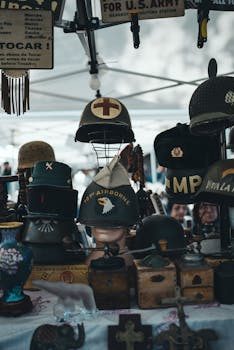
- Uniforms and Headgear: $50â$500+ for standard issue. Rare dress uniforms, airborne helmets, or items with unit insignia can hit $1,000+. Condition is criticalâstains, moth damage, and missing buttons hurt value.
- Medals and Badges: $10â$500+. Common service medals are cheap. High-end awards like the Medal of Honor or rare foreign badges command huge prices. Always verify documentation.
- Edged Weapons: $100â$2,000+. Bayonets, fighting knives, and swords. Maker marks, scabbard condition, and original finish drive value. Japanese officer swords can be particularly valuable but are frequently faked.
- Firearms (deactivated or legal): $500â$10,000+. Strictly regulated. Only deal with licensed dealers. Values depend on make, model, and historical documentation.
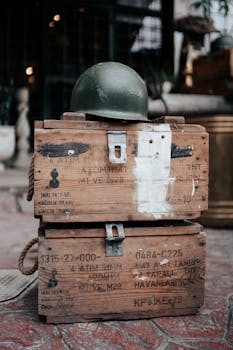
- Field Gear and Equipment: $20â$300+. Canteens, mess kits, packs, tents. Mostly collector-level value unless rare or unit-marked. Great for starting a collection on a budget.
- Documents, Maps, and Paper Ephemera: $10â$500+. Letters, discharge papers, maps. Provenance is everything here. Original wartime diaries from notable units can be worth thousands.
- Insignia and Patches: $5â$200+. Common patches are cheap. Rare unit patches, especially from special operations or defunct units, can be quite valuable. Reproduction patches are everywhereâlearn to spot them.
For a new collector, I suggest starting with field gear or common medals. They’re affordable, widely available, and you can learn to grade condition without risking much money. Use online marketplaces to study completed sales before buying. A good identification guide for your chosen category is worth every pennyâget one from a reputable publisher. Those just beginning their collection might benefit from a comprehensive collector’s field guide for military medals and gear to help with identification.
How to Spot Reproductions and Fakes
Counterfeits are the biggest threat to your collection’s value. Fakes are getting better every year. The worst part is that a fake piece has near-zero value, and if you sell it unknowingly, you damage your reputation. Here’s a practical checklist to help you avoid them. First, check the condition. An item that looks too perfectâno wear, no patina, crisp edges as if it were made yesterdayâis suspicious for a piece that’s 70 years old. Real military gear shows honest signs of age. Second, examine materials. Feel the fabric. Compare the stitching. Original WWII uniforms used specific thread colors and stitch density. For metal items, check for modern machining marks or casting seams. Original pieces were often stamped or forged, not cast. A UV light can reveal modern synthetic fibers or glues that fluoresce. A strong magnet helps identify aluminum vs. steel in items where it matters. Third, look for incorrect markings. German WWII items should have specific manufacturer codes, not generic letters. U.S. items often have dates or contract numbers. If the marking looks sloppy or uses a font that seems off, be suspicious. Fourth, research the specific piece online. Compare your item to known originals in collector forums or reference books. One helpful technique: look at the back side of badges or the interior of helmets. Most fakes ignore these details. For high-value purchases, especially for items over $500, I strongly recommend buying from a dealer who offers a lifetime authenticity guarantee. A loupe and a UV light are essential tools for any collectorâthey pay for themselves the first time you avoid a fake. For those who need a portable solution, a UV light and loupe set designed for militaria inspection is worth considering for quick authenticity checks at shows.
Mistakes That Cost You Money When Buying or Selling
Even experienced collectors make mistakes. Here are the most common ones that hurt military memorabilia values. Mistake 1: Buying without research. You see a cool helmet at a show, and you buy it on impulse. Later, you discover it’s a common repro worth $30. The fix: always check completed auctions on eBay or a specialized marketplace before buying. Mistake 2: Ignoring provenance. A medal set with no documentation is just a medal set. One with a certificate, a photo of the soldier, or a news clipping can be worth three to five times more. If you’re buying, insist on provenance where possible. If you’re selling, track down every piece of paper you can. Mistake 3: Over-cleaning items. This is a huge one. I’ve seen collectors scrub the patina off a perfectly good knife or wash a uniform so aggressively that the original markings fade. Value plummets. Never use harsh chemicals or abrasives. A gentle dusting or a soft brush is all most pieces need. Mistake 4: Pricing based on emotion. Your grandfather’s uniform is priceless to you, but the market only cares about condition and rarity. Be honest with yourself. Overpricing leads to a piece sitting unsold for years. Use comparable sold data to set realistic expectations. If you’re buying, don’t get caught up in a bidding warâknow your ceiling and stick to it.
Where to Research and Verify Current Market Values
You don’t need to guess at values. Reliable data is available if you know where to look. The most powerful free resource is eBay’s completed listings. Search for your item, then filter by ‘sold items.’ This shows you exactly what buyers paid in recent months. Ignore asking pricesâpeople can ask any amount. Only sold prices matter. Auction house archives, like those from Heritage Auctions or specialized militaria houses, are excellent for high-end items. They often have detailed condition reports and photos. For everyday pieces, collector forums like the US Militaria Forum or the WWII Collector Forum have dedicated price discussions and identification threads. There are also specialized price guides for specific categories like Civil War weapons or WWII German items. These guides get updated every few years and are invaluable for understanding baseline values. If you’re serious about a particular niche, buying a good reference book is worth the investment. Look for titles from established publishers like Schiffer or Osprey. A database subscription to a site like The Militaria Database is another option for those who research frequently. The key is to triangulate. Don’t rely on a single source. Cross-check sold listings, auction results, and collector opinions to get a realistic range.
Comparing Valuation Methods: Professional Appraisal Versus Self-Appraisal
When should you pay for a professional appraisal, and when can you rely on your own research? It depends on the item’s value and your goal. Self-appraisal works well for common items under $500. Use the methods aboveâcompleted eBay listings, forum discussions, and price guides. It’s free and builds your knowledge. The downside is accuracy. You might miss subtle details that affect condition or authenticity. Professional appraisal is the right choice for high-value itemsâthink over $1,000 per pieceâor for whole collections. A qualified appraiser from a group like the International Society of Appraisers (ISA) or the American Society of Appraisers (ASA) will examine the piece thoroughly, check provenance, and provide a written report. This is essential for insurance purposes. If you need to insure a collection worth $50,000 or more, a professional appraisal is non-negotiable. Costs range from $100 to $400 per hour, or sometimes a flat fee per item. For a single very valuable piece, it’s worth every penny. For a large collection of low-value items, it may not make economic sense. The practical decision criteria: if the cost of the appraisal is less than 5% of the item’s estimated value and you need a formal valuation for insurance or sale, hire a professional. Otherwise, self-appraisal with diligent research will serve you well.
Investing in Military Memorabilia: Realistic Expectations
Let’s be clear: military memorabilia is not a liquid asset. You cannot sell it quickly like stocks or gold. The market is small and specialized. If you need cash fast, you’ll likely have to accept a significant discount. ROI is driven by long-term holding, passion, and knowledge. A piece you buy today for $200 might be worth $300 in ten years if the category remains popular and you maintain its condition. That’s a respectable return, but not a rapid one. The biggest returns come from items that were undervalued at the time of purchase and later entered a collecting trend. Vietnam gear was cheap fifteen years ago; now it’s much more valuable. The key is to collect what you genuinely care about. If you love Civil War sutler tokens or WWII nose art photos, you’ll learn the nuances of that market. That knowledge helps you spot bargains and avoid overpaying. Collect for passion first, and financial appreciation will follow naturally. Avoid treating this as a speculative market. Rarely does buying items purely for profit work out unless you have deep expertise and patience. For most collectors, the real value is in the history you preserve and the stories you uncover.
Practical Tips for Preserving Your Collection’s Value
Proper storage and handling directly impact military memorabilia values. A poorly stored piece can lose 50% of its value in a few years. Here’s the short version. Use archival-quality boxes for storage. Avoid cardboard boxes, which are acidic and can damage fabric or paper. Acid-free boxes and tissue paper are worth the investment for uniforms, documents, and flags. For metal items, keep them in a dry environment. Humidity is the enemyâit causes rust and corrosion. A dehumidifier in your storage room or display area is a good idea. Use silica gel packets in sealed containers for extra protection. For display, avoid direct sunlight. UV rays fade fabric, destroy paper, and discolor metal. Use UV-filtering glass in display cases if possible. Handle items with clean, dry hands or wear cotton gloves for delicate pieces like medals or documents. Never force a button or buckle that’s stuck. Never use oil or wax on metal itemsâit attracts dust and can accelerate corrosion. A careful, low-touch approach is all you need. Consider investing in a display case with a UV-resistant cover for your best pieces, and use archival sleeves for documents. A simple storage upgrade can preserve your collection’s value for decades. For collectors with many small items, a set of archival storage boxes with acid-free tissue can make a big difference in long-term preservation.
Final Thoughts: Using Value Knowledge to Build a Better Collection
Understanding military memorabilia values isn’t about memorizing price lists. It’s about learning to see the details that matterâthe condition, the history, the rarity. Apply these lessons piece by piece. Start with affordable items where you can practice grading and research without risking much money. Join a collector forum and ask questions. Study sold listings. The more you learn, the better your decisions will be. Whether you’re buying for the history or the investment, this knowledge will serve you well. There’s always more to discover in this fascinating hobby. Happy collecting.