Introduction
Most visitors rush through museum gift shops on their way out, grabbing a keychain or a magnet as an afterthought. That’s a mistake. For serious collectors, these shops are curated treasure troves. They offer access to museum-quality replicas, exclusive art prints, and limited-edition items you simply cannot find anywhere else. This guide covers museum gift shop collectibles: what to look for, what to skip, and how to build a meaningful collection without wasting money. Whether you’re a seasoned collector or just starting out, these shops deserve more of your attention.
Why Museum Gift Shops Are Goldmines for Collectors
Museum gift shops operate differently than standard souvenir stores. Their inventory is selected by curators, or at least by staff who understand the museum’s collection. That means every item has a purpose. You are not buying a generic snow globe; you are buying a piece of the museum’s mission.
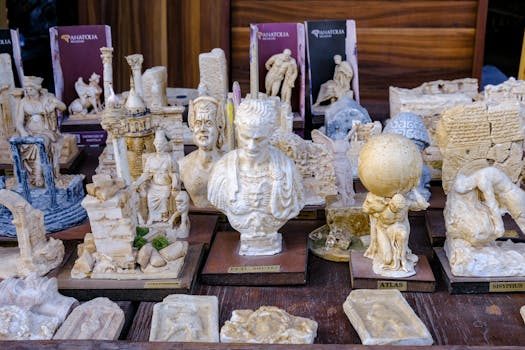
The real advantage is quality. Museums partner with reputable manufacturers to produce replicas, prints, and models that are accurate down to the smallest detail. A Roman coin replica from a museum shop, for example, will be cast from an actual artifact, made of the correct metal, and often come with a certificate of authenticity. That is a far cry from the painted resin copies found at flea markets.
There is also the educational component. Many items come with detailed labels, booklets, or QR codes linking to more information. This transforms your collectible into a learning tool. For a collector, that added context adds value. Finally, many museum shops carry exclusive itemsâproducts made only for that institution. That exclusivity is exactly what collectors crave.
Types of Collectibles You’ll Find in Museum Gift Shops
You will find a wider range than you might expect. Here are the main categories worth your time:
- Art Prints and Posters: High-quality reproductions of famous paintings, drawings, and photographs. Often printed on archival paper. Some are limited edition runs.
- Ancient Coin Replicas: Some of the most popular collectibles. Look for ones struck in actual bronze or silver, not cheap zinc alloy. Many come in protective capsules.
- Scientific Miniatures and Models: Dinosaur skeletons, human anatomy models, spacecraft replicas, and geological specimens. Great for natural history and science enthusiasts.
- Jewelry: Often inspired by artifactsâEgyptian scarab pendants, Viking brooches, Celtic torcs. Some are made by local artisans in collaboration with the museum.
- Limited-Edition Books and Catalogues: Exhibition catalogues are often beautifully printed and become collectible once the exhibition closes. Some are signed by curators.
- Postcards: The humble postcard is actually a serious collectible. Seek out high-quality, archival prints of lesser-known works.
Each category has its own collectors and its own price range. Prints and postcards are budget-friendly entry points, while limited-edition replicas and signed books can run into hundreds of dollars.
How to Spot High-Quality Replicas and Reproductions
Not every replica is worth buying. The difference between a good collectible and a cheap souvenir comes down to materials and craftsmanship. Here is what to check:
Materials. A high-quality Roman coin replica will be made of a proper metalâbronze, sometimes silver or gold plate. A cheap version will be die-cast zinc coated in a fake patina. You can tell by weight. Bronze is dense and feels solid. Zinc is lightweight and often hollow.
Detail. Good replicas capture the original’s fine lines, inscriptions, and wear patterns. Hold it up to the light. Look at the lettering. If the letters are blurry or smudged, skip it.
Packaging. A reputable replica will come in a sturdy box or capsule, often with a label stating what it is and which museum it came from. Some include a small booklet. Cheap replicas come in plastic bags or cardboard cards.
Certification. Not essential for every item, but for coin replicas, jewelry, or signed prints, a certificate of authenticity or a stamp from the museum is a strong trust signal.
A good example is the British Museum’s line of coin replicas. They are struck in the UK, use proper metals, and come with a history card. A cheap knockoff from a market stall might look similar at a glance, but its weight and detail give it away immediately. For a collector, the real question is whether you want a placeholder or a piece worth keeping.
What to Avoid: Common Museum Gift Shop Mistakes
The biggest mistake is impulse buying the first shiny thing you see. Here are the specific pitfalls:
- Overpriced generic merchandise. Some shops sell standard items with the museum’s logo slapped on them. A plain t-shirt or a basic mug has no collectible value. If it feels generic, skip it.
- Fragile items without packaging. A beautiful ceramic replica is worthless if it arrives home in pieces. Check if the shop offers proper packaging. If it does not, consider buying something else or carrying it with care.
- Novelty items. Things like glow-in-the-dark toys, pencil sharpeners, or bath bombs. They look fun in the shop but lose their appeal quickly. They are not collectibles.
- Items not truly representative of the museum. If you are at a natural history museum, buying a generic art print makes little sense. Go for items that reflect the museum’s unique collection. That is where the value lies.
Take your time. Walk the shop once to see everything, then circle back for the items that genuinely interest you. A smart buyer avoids the checkout line impulse trap.
Best Museum Gift Shop Collections to Start Looking For
Some museums have earned a reputation for exceptional gift shops. If you visit any of these, make their shop a priority:
- British Museum (London): Their replica coin and jewelry collection is legendary. The ‘Roman Coins’ series is a must for ancient history collectors. They also produce high-quality scarab and amulet replicas.
- Smithsonian Institution (Washington, DC): Multiple museums under one umbrella. The Air and Space Museum has fantastic spacecraft models. The Natural History Museum’s gem and mineral replicas are excellent.
- Louvre (Paris): Known for its art prints and sculpture replicas. The ‘Mona Lisa’ and ‘Winged Victory of Samothrace’ items are popular, but look for the lesser-known works for better value.
- Natural History Museum (London): Their ‘Great Animals’ series of miniature skeleton models is highly collectible. They cover everything from a simple mouse skeleton to a full Triceratops skull.
- Local and regional museums: Do not overlook smaller institutions. A local history museum might sell replica Native American arrowheads or colonial-era tokens that are hard to find elsewhere. These are often undervalued by mainstream collectors.
If you cannot visit in person, many of these museums have robust online stores. That is a viable way to access their collections.
Museum-Grade Replicas vs. Standard Souvenirs: A Practical Comparison
This is where your budget gets tested. Here is a direct comparison to help you decide:
- Quality: Museum-grade replicas use archival materials, proper metals, and precise manufacturing. Souvenirs use cheaper materials to keep costs low.
- Price: A museum-grade Roman coin replica might cost $30-$60. A standard souvenir coin charm costs $5-$10. The price difference reflects accuracy and materials.
- Collectibility: High-end replicas hold their value or appreciate over time, especially if they are from a closed exhibition or limited run. Souvenirs have near-zero resale value.
- When to buy the replica: If you are building a serious thematic collection, or if the item represents a specific piece of history you are passionate about, go for the replica. It will satisfy you for years.
- When to buy the souvenir: If you just want a small reminder of your visit, or if you are buying for a child, the souvenir is fine. Just do not confuse it with a collectible.
For example, a high-quality replica of the Rosetta Stone is a serious artifact in miniature form. A plastic Rosetta Stone magnet is a toy. Both have their place, but only one belongs in a collection.
The Best Times to Shop: Museum Discounts and Limited Editions
Smart timing can save you money and score you rare items. Here is the insider approach:
- Weekday mornings. Shops are emptier, and staff have time to answer questions. You can browse without feeling rushed.
- Membership discounts. If you are a museum member, you often get 10-20% off in the shop. It is worth joining if you visit frequently or plan a large purchase.
- Special exhibitions. When a museum hosts a major temporary exhibition, they often release a line of exclusive merchandise. These items are only available for the exhibition’s duration. Once it ends, they are gone. Grab what you like during the show.
- Online clearance sections. Many museum websites have a ‘sale’ or ‘clearance’ page. This is where past exhibition items end up. Sign up for newsletters to get notified.
Patience pays off. If you see an item you want but the price is high, check back in a few months. It might end up on clearance.
How to Care For and Display Your Museum Collectibles
Once you start collecting, you need to take care of your pieces. Here is basic guidance based on material:
- Prints and posters: Frame them using UV-protective glass. Direct sunlight will fade them within a year. Use acid-free backing to prevent yellowing.
- Ancient coin replicas: Store them in air-tight capsules or coin flips. Finger oils can tarnish them. Handle them by the edges. A simple coin album with transparent sleeves works well.
- Jewelry: Keep it in a lined box or a display case. Avoid exposing it to perfumes or lotions. Clean with a soft, dry cloth.
- Scientific models: Dust them regularly with a soft brush. Keep them away from humidity. A glass display cabinet is ideal but a simple shelf works fine.
- Books: Store them upright on a shelf away from direct light. Use bookends to keep them straight.
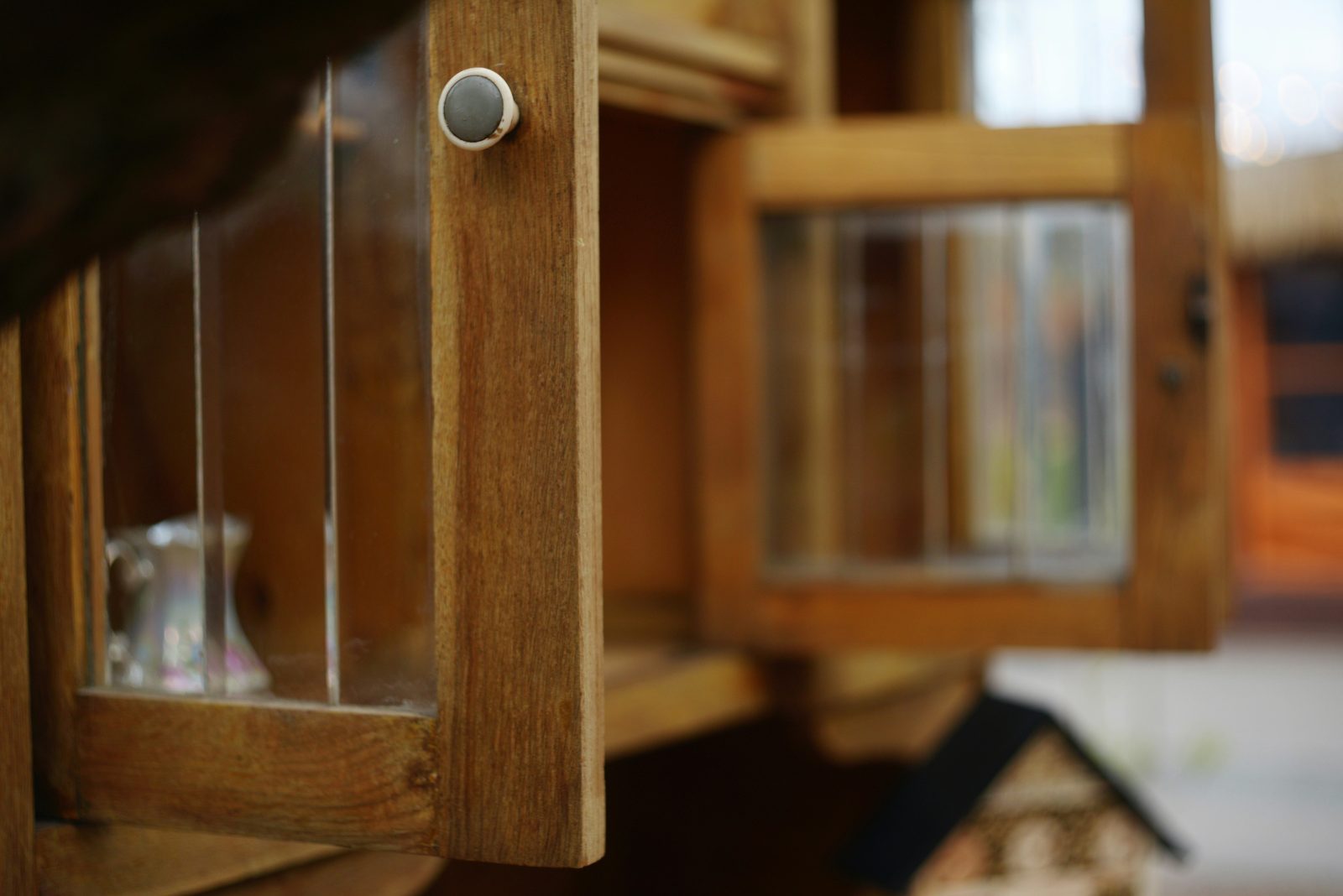
Displaying your collection adds to its enjoyment. A dedicated shelf or cabinet with good lighting makes your pieces look their best. Investing in basic display tools protects your collection and shows it off properly. For collectors looking to organize their replicas, coin display cases and coin albums are worth considering to keep your ancient coin replicas safe and visible.
Building a Themed Collection Across Multiple Museums
This is where collecting becomes truly satisfying. Instead of buying random items from different museums, pick a theme and hunt for items that fit it. Here are several workable themes:
- Ancient Civilizations: Collect Egyptian scarabs from the British Museum, Roman coins from the National Roman Museum, Greek pottery replica from the Louvre. Each piece from a different museum tells a story.
- Impressionist Art: Buy prints or postcards of Monet, Renoir, and Degas from the Musée d’Orsay, the National Gallery, and the Art Institute of Chicago. Frame them similarly for a cohesive wall display.
- Natural Wonders: Collect mineral specimens, fossil replicas, and skeleton models from natural history museums around the world. The variety is endless.
- Space Exploration: Focus on spacecraft models from the Smithsonian Air and Space Museum, the Kennedy Space Center, and the Museum of Flight.
To build a themed collection, start by identifying your interest. Then research which museums have strong collections in that area. Visit their shops (in person or online) and buy one or two carefully chosen items per museum. Over time, your collection becomes a curated museum in its own right.
Is It Worth Buying Museum Gift Shop Collectibles Online?
Yes, but with caveats. Online museum stores offer significant advantages: they often have a wider selection than the physical shop, you can browse at your own pace, and you can find items from exhibitions you missed. Many museums ship internationally.
However, there are downsides. You cannot inspect quality in person. The item might appear different in photos. Shipping costs can be high, especially for larger items. And some items are only available in-store, making the online selection incomplete.
To make safe online purchases: read reviews of the item if available, check the return policy, and look for detailed product photos. Stick to well-known museum stores with established online operations. If you are unsure, start with a small purchase to test the waters.
Overall, online shopping is a practical tool for accessing museum collectibles from around the world. Just be more careful with your selections than you would be in person.
Final Tips for New Collectors: Start Small, Think Long-Term
Museum gift shops are underrated sources for serious collectibles. The key is to approach them with intention. Do not buy everything that catches your eye. Instead, focus on quality.
Start with one or two well-chosen itemsâa high-quality ancient coin replica or a signed exhibition catalogue. Live with them for a while. See if the interest holds. If it does, expand your collection slowly, adding pieces that fit your theme.
Remember that the best museum gift shop collectibles are not necessarily the most expensive. They are the ones that connect you to history, art, or science in a meaningful way. A well-chosen print, a precise replica, or a limited-edition book can bring you years of enjoyment. Skip the cheap souvenirs. Invest in pieces that matter.