“`html
There’s something about owning a piece of literary history. A first edition isn’t just the same words printed later. It captures the original moment â the book as it first appeared. Signed copies add another layer: a direct connection to the author.
Collecting rare books first editions blends passion, patience, and a bit of strategy. Whether you hope to build a valuable collection or just want a few special books on your shelf, the early research phase is where things get interesting. This guide focuses on the practical side: how to identify first editions, where to find them, what mistakes to avoid, and how to start without overthinking it.

What Makes a Book Rare and Valuable?
Not every old book is valuable. Not even close. True rarity comes from a combination of factors, and understanding these is the foundation of smart collecting.
Scarcity is the obvious one. How many copies of this edition exist? Small print runs, books that were pulped, or titles that were suppressed are naturally scarce. But scarcity alone doesn’t create value.
Demand matters even more. A scarce book nobody wants isn’t worth much. First editions of major literary works by authors with enduring readership â think The Great Gatsby, To Kill a Mockingbird, or anything by Jane Austen â command high prices because people actively seek them out.
Condition is everything. A book in pristine dust jacket can be worth ten times the same book without one. Collectors are obsessive about condition, and the difference between ‘very good’ and ‘fine’ can mean thousands of dollars.
Provenance â the book’s ownership history â can also add value. A copy owned by a notable figure or with a famous inscription carries extra weight.
Signed copies sit in a special category. A signature confirms the book passed through the author’s hands and personalizes the artifact. But not all signatures are equal. Some are common; others are nearly impossible to find.
How to Identify a True First Edition
This is where beginners often get tripped up. Many books say ‘First Edition’ on the copyright page but aren’t actually first printings. It takes a little detective work.
The most reliable indicator is the number line. Publishers print a sequence of numbers on the copyright page. On a first printing, you’ll see something like ‘1 2 3 4 5 6 7 8 9 10’ â the ‘1’ confirms it’s a first printing. In later printings, the lowest number increases. For example, ‘2 3 4 5 6 7 8 9 10’ means it’s a second printing.
Some publishers don’t use a number line. They simply print ‘First Edition’ or ‘First Published in 1950.’ That’s where knowing your publishers helps. Random House and Scribner, for instance, have specific conventions. For older books, you’ll need to check the publication date matches the copyright page and look for any mention of later printings.
Be cautious with modern reprints by companies like Book Club Editions. They often lack a number line altogether. And never assume a book is a first edition just because it’s old. Many 19th-century novels went through multiple printings in their first year alone.
Grading condition is essential. The standard terms are: Fine (virtually perfect), Very Good (minor wear), Good (average wear, potentially some markings), Fair (heavy wear, possible loose pages), and Poor (damaged, incomplete). Dust jackets are graded separately. A book in ‘Fine’ condition with a ‘Very Good’ dust jacket is worth more than a ‘Very Good’ book with no jacket.
Use a magnifying glass to check the number line. It’s small. Collectors who want to examine books carefully may benefit from a magnifying loupe to read those tiny numbers. And always check the book’s condition before buying â don’t rely on seller descriptions alone.
Signed Copies: What to Look For and What to Avoid
A signed book can be a highlight of any collection. But there’s a difference between simply signed and inscribed.
Simply signed means the author wrote their name. Inscribed means the author wrote a message â ‘To Sarah, with warm regards.’ Inscriptions can sometimes reduce value if they’re personal and specific, or increase value if they connect the book to a notable recipient. Most collectors prefer a clean, uninscribed signature.
The biggest risk is forged signatures. Some sellers use facsimile signatures â printed reproductions that look real at a glance. Others use bookplates signed by the author but tipped into the book. Both are worth far less than a genuinely signed copy.
For high-value items, get professional authentication. Services like Beckett or the Professional Graders and Collectors Association (PGCA) can verify signatures. For less expensive books, compare your signature against known examples online. Look for hesitation in the pen strokes â forgeries often look shaky.
Trust your instincts. If a signed first edition of a major book seems priced too low, it probably is. And if a seller can’t provide provenance or allows returns only with restrictions, walk away.

Best Places to Find Rare Books and First Editions
You don’t need a secret network. The best sources are surprisingly accessible.
Local used bookstores are your first stop. Get to know the owners. Tell them what you collect. Many will call you when something interesting arrives. It takes time to build that relationship, but it’s worth it. Bring a small ledger notebook and a penlight â you’ll need both.
Estate sales can yield incredible finds, especially in older homes where books have sat untouched for decades. Go early. Look at the shelves carefully. Dust jackets often get thrown away by unknowing sellers, so check under beds and in boxes.
Online marketplaces like AbeBooks, Biblio.com, and eBay make browsing easy. AbeBooks is the most reliable for accuracy. eBay requires more caution â check seller feedback and ask for detailed photos. Set saved searches for your niche and check daily.
Book fairs are where serious collectors and dealers gather. You’ll see rare items you won’t find anywhere else. The prices reflect that, but the experience is invaluable. Talk to dealers. Ask questions. Most love sharing knowledge.
For handling, consider buying white cotton gloves â oils from fingers can damage pages over time. A small magnifying loupe helps read those tiny number lines. A sturdy book bag protects your finds on the way home. These are small investments that pay off.
Common Mistakes New Collectors Make
Every collector makes mistakes. But knowing what to avoid helps you skip the expensive ones.
Overpaying based on the first-edition label alone. Just because a book says ‘First Edition’ doesn’t mean it’s valuable. Condition, demand, and scarcity determine price. A beat-up first edition of a minor author is still a beat-up book.
Ignoring condition. A book without a dust jacket is worth a fraction of one with it. Ex-library copies have stamps, pockets, and wear that kill value. Avoid them unless the book is exceptionally rare.
Confusing reprints with first editions. Book club editions, international editions, and later printings fool new collectors. Always check the number line. If you’re not sure, look up the specific edition online before buying.
Not researching market demand. Some authors have dozens of first editions that nobody wants. Just because it’s a first edition doesn’t mean it’ll sell. Research recent sales on AbeBooks or eBay to see what prices are actually paid, not what sellers ask.
Buying damaged books for high prices. A book with a missing page, significant staining, or a torn dust jacket is nearly worthless to serious collectors. Unless you’re buying for personal reading, pass on damaged copies.
How to Start Your Collection on a Budget
You don’t need a fortune to begin. The key is focus.
Pick a niche. An author you love, a genre, a publisher, or a specific era. Collecting broadly is expensive. Collecting deeply in one area lets you build expertise and find bargains others overlook.
Modern classics are a great starting point. First editions of Stephen King, Toni Morrison, Cormac McCarthy, and Margaret Atwood are still findable at reasonable prices. King’s early novels, for example, had decent print runs. You can find good copies of Carrie or The Shining for under $100 if you’re patient.
Set a monthly budget. Even $50 a month builds a meaningful collection over a year. Spend time learning the market before spending real money.
Collect what you love. The books that mean something to you personally will always be worth owning, even if their resale value doesn’t skyrocket. That passion makes the hunt enjoyable, not just profitable.
Caring for Your Rare Books: Storage and Handling
Books are fragile. A few simple habits preserve their value and appearance.
Shelving matters. Keep books upright on sturdy shelves away from direct sunlight. Sun fades dust jackets and spines. Aim for stable temperature and humidity â avoid attics, basements, and bathrooms.
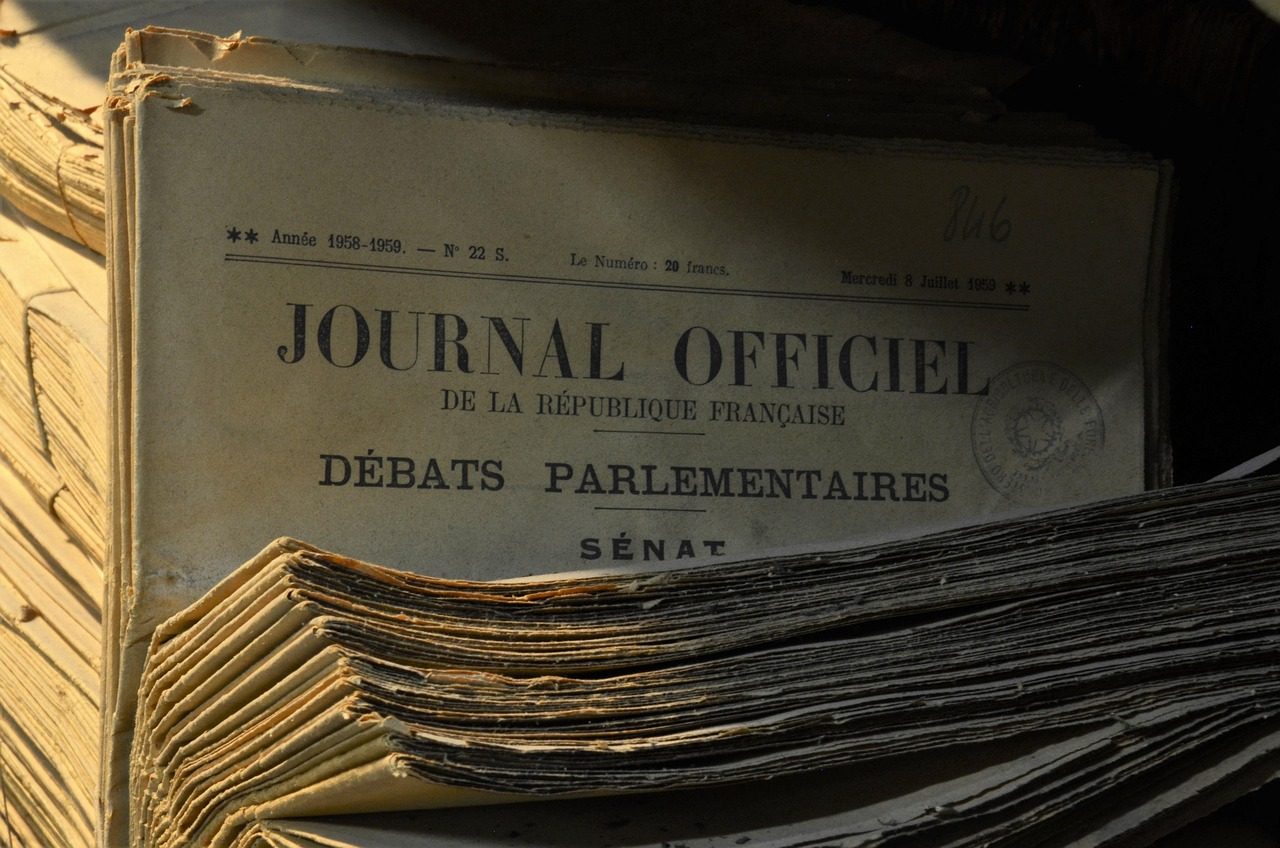
Handle with care. Wash and dry your hands before touching rare books. Oils and dirt transfer easily. Some collectors use white cotton gloves, but clean hands work fine for most handling. Never use sticky notes, paper clips, or dog-ears to mark pages.
Protect dust jackets. They’re fragile and often worth more than the book itself. Use clear, archival-quality mylar covers. They’re inexpensive and prevent tearing, fading, and scuffing.
Store flat when needed. Very large or thin books should lie flat to prevent spine stress. Use acid-free boxes for storage if shelf space is tight.
Consider protective book covers for your most valuable pieces. They’re a small investment that can add decades to a book’s life.
First Editions vs. Signed Copies: Which is a Better Investment?
This depends entirely on your goals.
First editions alone offer better liquidity. There’s a deep market for them. A clean first edition in a popular series or by a major author is relatively easy to sell. Prices are more predictable because condition and scarcity are well documented.
Signed copies carry added risk. Authenticity is always a question. The author’s popularity can also shift. A signed book by a currently hot author might sell for a premium today, but if their star fades, so does the value. That said, signed copies of enduring literary figures â Faulkner, Hemingway, McCarthy â hold value remarkably well.
Price ranges vary dramatically. A first edition of The Great Gatsby without a signature can sell for over $100,000 in fine condition. A signed Cormac McCarthy first edition might sell for $5,000 to $15,000 depending on the title and condition. For modern authors, signed copies are often more accessible than pristine first editions of older classics.
For personal enjoyment, buy what excites you. For investment, focus on condition and scarcity first. A beautiful first edition without a signature is often a safer bet than a signed copy in poor condition.
When to Get a Book Appraised or Authenticated
Professional help isn’t necessary for every book. But there are clear thresholds.
Appraisals are useful for insurance purposes. If your collection is worth $5,000 or more, get a professional appraisal. Costs range from $50 to $150 per hour. Many appraisers offer a flat fee for smaller collections.
Signature authentication is worth it for any signed book valued over $500. Services charge around $50 to $100 per signature. For rare or high-value items, use a specialized firm. For most signed books under $200, comparing against known examples is sufficient.
Grading services like Beckett or PGCA assess condition and authenticity. They assign a numerical grade that adds confidence for resale. Expect to pay $30 to $75 per book depending on the service and turnaround time.
Don’t waste money authenticating a $50 book. Do learn to assess condition and authenticity yourself through practice and research.
Selling Rare Books: What to Know Before You List
Even in early research, understanding the selling side helps you buy smarter.
Price using sold data, not listed prices. Recent sales on eBay or AbeBooks show what buyers actually pay. Listings that sit for months at inflated prices aren’t accurate guides.
Write accurate descriptions. Be honest about condition. Mention any flaws â missing dust jacket, foxing, previous owner’s name. Misleading descriptions lead to returns and bad reviews.
Know your buyer. Auction houses like Christie’s and Heritage Auctions handle high-value items. For books under a few thousand dollars, online marketplaces work better. Facebook groups and specialist forums can also connect you with motivated buyers.
Building a reputation takes time. Start small. Learn the platform’s rules. And always factor in fees, shipping costs, and return policies when pricing.
Conclusion: Start Small, Learn Constantly
Collecting rare books first editions is a journey, not a race. The best collectors never stop learning â about authors, publishers, condition, and the market.
Start with research. Visit local bookstores. Learn to read a number line. Handle books with care. Buy what you love, set a budget, and stick to it.
Whether you’re hunting for a first edition of your favorite novel or a signed copy for your shelf, the process is the reward. Share your finds or ask questions. The community is welcoming, and every book has a story to tell.
“`