Introduction
Most people who get into trading card collecting start with Pokémon. It makes sense. The Pokémon TCG has the biggest mainstream appeal, the most recognizable characters, and a massive nostalgia factor. But if you stop there, you’re missing a lot. The card market is much bigger than Charizard or Pikachu. There are games with deeper strategy, more volatile price swings, and dedicated communities that have been around longer than most collectors realize.
Over the years, I’ve collected everything from Magic and Yu-Gi-Oh! to obscure TCGs and sports cards. Each market has its own rhythm, rules, and opportunities. Some are better for investment, some are better for actual gameplay, and some are just more fun to crack open. This article covers the major categories you should consider if you want to build a balanced, valuable collection without putting all your eggs in one Pokémon basket.

Why Expand Your Trading Card Collection Beyond Pokémon?
Diversifying your collection isn’t just about having more stuff. It’s about reducing risk and finding different kinds of value. Pokémon has its own market cyclesâbooms and busts tied to new sets, hype, and media releases. If the Pokémon bubble ever deflates, having a collection spread across other TCGs and sports cards gives you a cushion.
There are also practical financial reasons. Some non-Pokémon cards have a much lower entry cost. You can pick up rare Magic cards or high-end Yu-Gi-Oh! cards for a fraction of what a mint condition first-edition Pokémon card costs. That doesn’t mean they’re less valuableâmany appreciate just as well, sometimes better, depending on the market.
Another big reason is community. Magic players are some of the most dedicated strategy enthusiasts in the world. Yu-Gi-Oh! has a competitive scene that rewards deep game knowledge. Sports card collectors have their own language around grading and player stats. Each community offers something different, and being part of multiple can teach you new ways to think about value and rarity.
Then there’s the gameplay factor. If you actually enjoy playing the games, collecting makes more sense. Pokémon is accessible, but Magic offers layer upon layer of strategic depth. Yu-Gi-Oh! is fast-paced and aggressive. Sports cards don’t even have a traditional gameâyou collect for player performance and historical significance. Expanding beyond Pokémon gives you more ways to engage with your cards beyond just looking at them.
Magic: The Gathering â The Veteran’s Choice for Strategy and Value
Magic: The Gathering is the grandfather of modern TCGs. It started in 1993 and has never slowed down. If you want a collection that holds long-term value and offers deep gameplay, this is where you should start.
The key thing to understand about Magic is the Reserved List. This is a promise Wizards of the Coast made years ago that certain powerful cards would never be reprinted. Cards like Black Lotus, Mox Sapphire, and Time Walk are on this list. Their scarcity drives their value, and they’ve been climbing steadily for decades. If you’re collecting for investment, Reserved List cards are the safest bet in Magic.
For newer collectors, the format matters. Commander is currently the most popular way to play. It’s a casual, multiplayer format that uses larger decks (99 cards plus a commander). Standard is more competitive and rotates every couple of years, meaning older cards leave play. If you’re just collecting, Commander staples are usually safer because they stay relevant longer.
Here’s my practical advice for anyone starting Magic collecting: buy singles, not packs. Booster packs are a lottery. You might pull a valuable card, but you’ll almost certainly spend more on packs than the cards inside are worth. If you want specific cards for a deck or collection, buy them directly from a reputable online seller or local game store.
If you get serious, you’ll need good equipment. Dragon Shield sleeves are industry standard for protecting cards during gameplay. A deck box with dividers keeps your collection organized, and a playmat protects cards from table grime. These are small investments that pay off when your cards stay in good condition. For those looking to start, a deck box with dividers and sleeves is a practical first step.
Who should collect Magic? People who enjoy strategic gameplay and want cards that hold value. Who should skip it? Anyone looking for quick flips. Magic is a long-term game, and the best returns come from holding high-quality cards for years.
Yu-Gi-Oh!: Navigating the Secondary Market and Reprints
Yu-Gi-Oh! is a different beast. The market here is faster, more volatile, and heavily influenced by reprints. If Magic is a steady ocean current, Yu-Gi-Oh! is a river with rapids.
The biggest factor affecting Yu-Gi-Oh! card values is the ban list. Konami updates this list regularly, restricting or banning cards that warp the competitive meta. A card worth $50 today might be worth $5 tomorrow if it gets hit by a ban. Conversely, a card that breaks open a new strategy can skyrocket overnight.
Rarity is also huge in Yu-Gi-Oh!. The game has multiple rarity tiers, from Common and Rare all the way up to Ghost Rare and Starlight Rare. Ghost Rare cards are particularly sought after because of their unique, almost ethereal appearance. Starlight Rares are the newest high-tier rarity and command top dollar. If you’re looking for cards that hold value better, focus on high-rarity versions of meta-relevant cards.
The biggest mistake I see beginners make is overpaying for hype. A new set drops, YouTubers start talking about a specific card, and suddenly it’s selling for three times its real value. Wait a few weeks. The hype always settles, and you can often pick up the same card for much less.
For storage, Yu-Gi-Oh! cards are smaller than standard trading cards, so buy the right size sleeves. Ultra Pro top loaders are perfect for protecting valuable singles. A three-ring binder with non-PVC pages is great for organizing bulk collections. Collectors dealing with bulk may find a binder with pages and top loaders helpful for keeping everything sorted.
Who should collect Yu-Gi-Oh!? Players who enjoy the competitive scene and don’t mind market volatility. It’s also good for collectors who like the thrill of finding high-rarity cards. Who should skip it? Anyone who wants stable, predictable value. This is a market you need to stay active in.
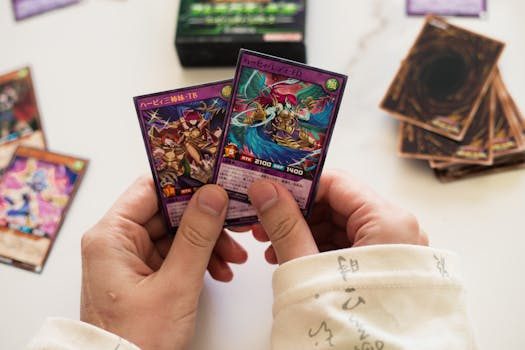
Sports Cards: A Physical Asset Class Worth Understanding
Sports cards are a completely different category. They’re not a TCGâthere’s no game to play. Instead, you’re collecting based on player performance, historical significance, and print run. That makes the market both simpler and more complex.
Grading is the single most important factor in sports card value. A raw card might be worth $50, but the same card graded a PSA 10 could sell for $500 or more. The difference comes down to centering, corners, edges, and surface. If you’re buying high-value sports cards, always buy graded. If you’re pulling modern cards from packs, learn how to assess condition before you consider sending them in.
PSA is the most recognized grading company for sports cards. BGS (Beckett) is also respected, and their 9.5 or 10 slabs command premium prices, especially for high-end cards. CGC is newer but gaining traction. For vintage cards from the 1950s through the 1980s, PSA is still king.
There’s a big difference between modern and vintage sports cards. Modern cards from the 2010s and 2020s are printed in huge numbers. Only the most desirable rookies (like Patrick Mahomes or Luka DonÄiÄ) hold significant value, and even then, condition is everything. Vintage cards from the 1950s are genuinely scarce. A 1952 Topps Mickey Mantle in high grade is one of the most valuable cards in the world.
If you’re new to sports cards, start with a specific sport or player you know well. Focus on rookies and limited parallels. Avoid chasing every new releaseâthat’s a fast way to lose money.
Storage for sports cards is straightforward. Penny sleeves and top loaders are essential for raw cards. One-touch magnetic cases offer premium protection for graded cards or your most valuable raw cards. A fireproof safe is worth considering if your collection surpasses a few thousand dollars. For those getting started, a penny sleeve and top loader pack provides basic protection at a low cost.
Niche and Lesser-Known TCGs Worth Watching
While Magic and Yu-Gi-Oh! dominate the conversation, there are smaller games that offer interesting opportunities. These are speculative but can pay off if you get in early.
Flesh and Blood is the most promising newcomer. It launched in 2019 and has developed a strong competitive scene. The game is designed with collectibility in mindârare cards are genuinely scarce, and the game has a modern-day Reserved List. For competitive play, Flesh and Blood is excellent. For collecting, the first edition cards from the earliest sets are already climbing.
Weiss Schwarz is a Japanese TCG that covers anime and video game franchises. Cards feature characters from shows like Attack on Titan, Re:Zero, and Fate/stay night. The market is niche but passionate. High-rarity signed cards (signature cards with voice actor autographs) can sell for hundreds of dollars. If you’re an anime fan, this is a natural crossover.
Older games like the World of Warcraft TCG or the Star Wars CCG are now out of print. That makes them true limited-edition collectibles. WoW cards from the early 2000s have cult value, especially rare loot cards that unlock in-game items for the MMO. Star Wars CCG cards from Decipher are still traded by a dedicated community. These are harder to find and price, but they offer a unique entry point for collectors who want something truly rare.
Who should explore these? Collectors who enjoy being ahead of the curve. The downside is lower liquidityâfewer buyers, smaller markets. The upside is that you can often find undervalued gems.
Grading: When and How to Get Cards Graded
Grading is the process of having a professional third party assess your card’s condition and assign it a numeric grade from 1 (poor) to 10 (gem mint). That grade has a massive impact on value.
When should you grade? High-value cardsâanything worth $50 or more rawâare worth considering. A PSA 9 might double the value, but a PSA 10 could multiply it by five or more. For cards under $20, grading costs more than the potential return, so skip them unless you’re building a fully graded set.
Which grading company should you use? PSA is the industry standard for most sports cards and TCGs. Their labels are widely recognized, and their grades carry the most weight at auction. BGS is better for sub-gradesâthey give separate scores for centering, corners, edges, and surface. CGC is the best value, with faster turnaround times and lower fees, though their resale value is slightly lower than PSA.
Common mistakes: Grading modern cards too soon. Print runs are high, and prices can drop heavily once the hype phase ends. Wait at least a year before sending modern cards for grading. Also, overgradingâsending a card with obvious damage hoping the grader misses it. They won’t, and you’ll waste the fee.
To prep a card for grading, clean your hands, use a soft cloth to remove surface dust, and place the card in a penny sleeve with the opening facing up. Then put it in a semi-rigid card saver for shipping. Card saver 1s are the standard. Avoid using top loadersâgrading companies prefer card savers because they protect the card better during shipping.
Storage and Protection: What Works for Different Card Types
How you store your cards directly affects their condition and long-term value. A poorly stored card degrades quickly. Here’s what works for different collection sizes and budgets.
For bulk collections (under 500 cards), a standard three-ring binder with side-loading pages is fine. Make sure the pages are PVC-free, or your cards will yellow over time. Ultra Pro Platinum pages are a solid choice.
For medium collections (500â2,000 cards), consider a modular storage system. BCW makes stackable cardboard boxes that hold up to 800 cards per box. They’re cheap, effective, and easy to label.
For high-value cards, you need individual protection. Penny sleeves plus top loaders are the baseline for any card worth over $5. For cards worth over $100, use a one-touch magnetic case. They’re expensive but offer rigid protection that keeps the card from getting bent or exposed to pressure.
Environmental factors matter too. Keep cards away from direct sunlight, which can fade edges. Humidity above 60% can cause paper warping. Store your collection in a cool, dry placeâa closet in a climate-controlled room works well. If you live in a humid area, silica gel packets inside the storage box help absorb moisture.
For a complete starter kit, look for a card storage box with dividers, a pack of penny sleeves, and a pack of top loaders. That will cover most of your needs for your first year of collecting.
Selling Your Collection: Platforms, Timing, and Strategy
Eventually, you’ll want to sell. Knowing where and when makes the difference between a good profit and a disappointing one.
eBay is the default. It has the largest audience, but fees are highâroughly 13% for most categories. It works best for high-value singles where you want maximum visibility. Use promoted listings if you need to sell fast, but that adds another layer of cost.
TCGPlayer is the best platform for TCG-specific selling, especially Magic and Yu-Gi-Oh! cards. Fees are lower than eBay, and the audience is more targeted. However, you need a seller account with a track record to compete with established sellers. It’s great for moving bulk or mid-value cards.
Facebook groups and local card shops are the best for avoiding fees entirely. Facebook groups are hit-or-missâsome are great for specific niches like sports cards or high-end Magic, but you need to verify buyers carefully. Local card shops pay the least (usually 30â40% of retail value) but offer instant cash with zero hassle.
Timing matters more than most people think. Sell during hype cycles. For sports cards, sell when a player wins a championship or sets a record. For Yu-Gi-Oh!, sell right after a new banlist settlesâthe meta is defined, and hot cards reach their peak. For Magic, sell when a new set is announcedâcards from upcoming sets are in demand.
Do not sell during a panic. When a market drops, everyone rushes to sell, which drives prices down further. If you can afford to hold, wait for the recovery.
Finally, factor in shipping costs. Buy bubble mailers and stiff cardboard for shipping single cards. For orders over $50, use tracked shipping. Losing a package can eat up your entire profit margin.
Avoiding Common Pitfalls in Trading Card Collecting
I’ve made most of these mistakes myself. Here’s what to watch out for.
Buying unverified high-value cards. Always check the back of the card, the print quality, and the weight for signs of counterfeiting. Buy from reputable sellers. If a deal seems too good to be true, it probably is.
Chasing fads. A new set drops, and everyone rushes to buy it. The hype almost never lasts. Wait until the dust settles before buying. Often, you can pick up the same cards for 20â30% less within a month.
Poor storage. Cards left in the sun, stacked crooked in a box, or stored in a damp basement degrade fast. A $5 card sleeve is worth more than a ruined $50 card.
Ignoring condition. Always inspect cards carefully before buying. Even a tiny scratch on the surface can drop a card from near-mint to played condition, cutting its value in half.
Not understanding the rule set. If you’re collecting a TCG, understand how the game works. Cards that see competitive play hold value better. Cards that are useless in the meta will drop to near zero.
The best way to avoid these mistakes is to slow down. Buy with intention, not impulse. Trust your knowledge over other people’s hype.
Building a Balanced Collecting Strategy Over Time
The goal is a collection that’s both enjoyable and financially sound. That means diversification, not just across categories but within them.
Start by picking one niche you’re genuinely interested inâMagic, Yu-Gi-Oh!, sports cards, or a smaller TCG. Learn the market before you start spending heavily. Read price charts, watch YouTube channels, talk to shop owners. The first three months should be about research, not spending.
Once you’re comfortable, set a budget. Don’t allocate more than you’re willing to lose. Cards can drop 50% in value overnight. Treat your collection as a hobby first and an investment second.
As you grow, add a second category. If you started with Magic, consider dipping into sports cards. If you’re all in on Yu-Gi-Oh!, look at Flesh and Blood. The goal is to have your eggs in multiple baskets.
Periodically reassess. Go through your collection every six months. Are there cards that have lost value? Sell them. Are there cards that have spiked? Consider cashing out some profit. A collection that sits untouched is a missed opportunity.
Finally, enjoy the process. Trading card collecting is about the stories, the communities, and the satisfaction of finding something rare. If you keep that perspective, the money will follow naturally.
If you’re ready to start, pick one category from this guide and buy your first high-value card or starter accessory. A top loader pack, a card binder, or a grading submission kit are all solid first steps. The rest is up to you.