Introduction
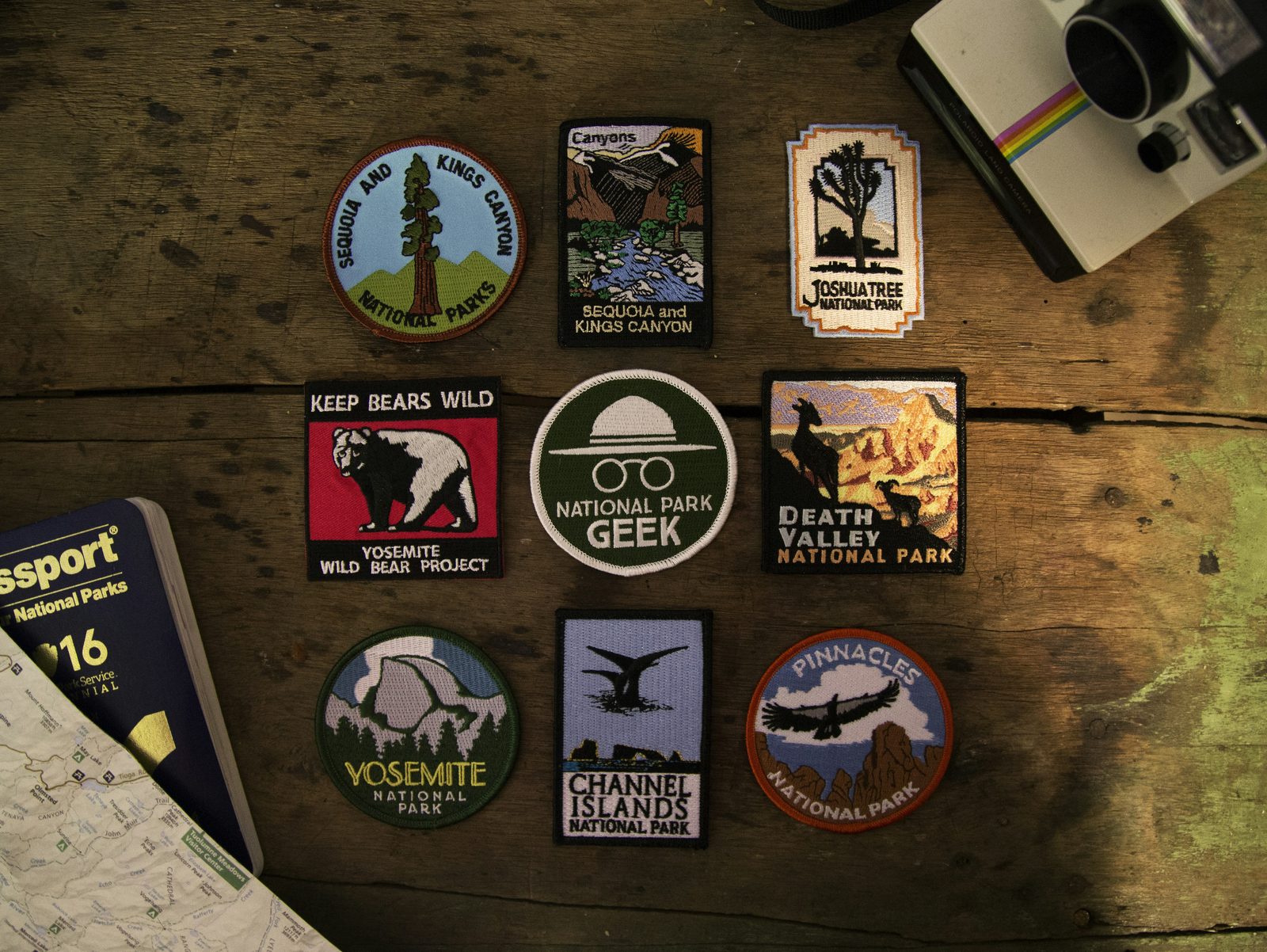
You know the scene. Youâre in a charming old town, and every other shop window has the exact same keychain, the same wooden magnet, the same âlocalâ olive oil soap that you saw in three different countries last year. Mass-produced souvenirs are a problem. Theyâre convenient, yes. But they donât capture anything real about the place you visited. They feel generic because they are generic.
This article is for travelers who want something better. Something that carries a sense of place. Something not sitting in a warehouse in bulk. Iâm talking about unique souvenir ideas that arenât mass producedâitems with a story, made by real hands, using local materials or traditional techniques. Iâve spent years hunting these down. Iâve learned what to look for, where to find it, and how to avoid the tourist traps. This guide will help you do the same. Youâre ready to book your trip. Letâs make sure you come back with something worth keeping.
Why Mass-Produced Souvenirs Fall Short
Letâs be blunt. Most souvenirs in high-traffic tourist zones are designed for shelf appeal, not lasting value. Craftsmanship is minimal. Materials are cheap. And the worst part? You can buy the exact same item in Tokyo, Barcelona, and Mexico City. Thereâs nothing local about them. They undermine the whole point of a personal keepsake.
From a collectorâs perspective, a souvenir should do two things: remind you of a specific place and time, and hold up to being looked at or used for years. Mass-produced items fail on both counts. Paint chips. Stitching unravels. The novelty wears off in a month. And because they have no local connection, they donât trigger any real memory. Youâll look at that identical magnet on your fridge and wonder which trip it was actually from.
Switching to non-mass-produced items changes things. It changes your relationship with what you bring home. It also changes how you travel. You stop browsing and start searching.
What Defines a Non-Mass-Produced Souvenir
There are clear markers that separate handcrafted items from factory lines. If you know what to look for, you can spot the difference in seconds.
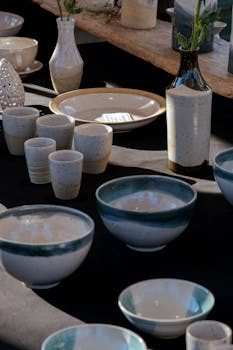
- Handmade construction. Look for slight asymmetry. A hand-thrown ceramic bowl wonât be perfectly round. A handwoven scarf will have a few irregular threads. These arenât flaws. They are proof that a person made it.
- Limited edition or one-of-a-kind. Numbered prints, signed pieces, or items labeled âartist proofâ or âstudio sampleâ indicate low production runs.
- Locally sourced materials. Ask what the item is made from. Is the clay from a local river? Is the wood a regional species? Is the fabric dyed with local plants? These details confirm authenticity.
- Functional or utilitarian design. Many traditional crafts serve a purpose. A hand-forged knife, a woven basket, a ceramic teapot. When an item is built to be used, itâs rarely mass-produced.
- Artist signature or studio stamp. Legitimate artisans mark their work. A signature, a stamp, or even a small logo pressed into the base tells you who made it and that they stand behind it.
If an item checks most of these boxes, itâs almost certainly not something youâll find in a generic souvenir shop.
Where to Look for Authentic Local Art and Crafts
Finding these items isnât hard once you know the right places to look. You just need to ignore the main pedestrian streets and head a few blocks off the beaten path.
- Local markets. Not the tourist markets with identical stalls. Look for farmerâs markets, weekend craft markets, or weekly artisan fairs. These are usually advertised on local event boards or community Facebook groups. Show up early for the best selection.
- Artist studios and workshops. Many cities have open studio days or gallery districts where artists work in front of customers. You can watch them throw pottery, weave fabric, or carve wood. Buying directly from the maker is the most reliable way to get something authentic.
- Independent galleries. Small galleries that represent local artists often have a retail section. They may charge more than a market stall, but the curation is higher quality and the items often come with documentation.
- Community cooperatives. In rural areas especially, cooperatives pool work from multiple local artisans. These are often run by the artisans themselves. The pricing is fair because thereâs no middleman.
- Social media. Instagram and Etsy are surprisingly effective for pre-trip research. Search for â[city name] artisanâ or â[region] handmadeâ and youâll find makers you can visit. Many will even hold an item for you until you arrive.
One practical tip: look for studio stamps or artist signatures on items before you buy. If thereâs no signature, ask. Many artisans are happy to sign or stamp their work on the spot. If they canât, itâs a red flag the item wasnât made by them.
Assessing Quality: What to Check Before You Buy
When youâre holding a potential souvenir, you want to be sure itâs worth the space in your luggage and the money in your wallet. Hereâs how to assess quality quickly.
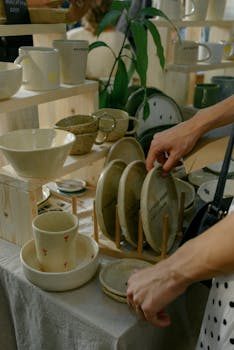
- Handle it. Pick it up. Turn it over. Run your fingers along the edges. Does it feel solid? Are there rough spots or sharp edges that shouldnât be there? Handmade items have character, but they should still be well-finished.
- Ask about production methods. A simple âhow was this made?â tells you a lot. If the seller can describe the process in specific termsâwheel-thrown, hand-painted, natural dye, kiln-firedâyouâre likely dealing with a real artisan. Vague answers mean the item is probably imported.
- Look for imperfections that indicate handwork. Slight color variation in glazes, uneven stitch spacing, a small fingerprint in clay. These are good signs. Perfect uniformity is a bad sign.
- Check the back or underside. Many mass-produced items have a sticker or a printed label. Handmade items often have a carved signature, a stamped mark, or no label at all.
- Consider the tradeoff between pristine finish and organic character. A factory-made bowl will be perfectly smooth and uniformly glazed. A handmade bowl might have a tiny dip or a brushstroke that didnât quite cover. That dip is what makes it unique. Decide which matters more to you.
Donât be shy about asking questions. Most artisans are happy to talk about their work. And if theyâre not, thatâs another red flag worth paying attention to.
Practical Souvenirs That Double as Useful Items
Functional souvenirs are my favorite category. They serve a purpose, so they get used regularly. And every time you use them, you remember the trip. Thatâs a lot more impactful than a decorative item sitting on a shelf.
- Handmade kitchen tools. Wooden spoons, rolling pins, spatulas carved from local wood. They are durable, beautiful, and practical every single day.
- Woven textiles. Table runners, placemats, kitchen towels, or small rugs. They pack flat, they add warmth to a room, and they tell a story every time you set the table.
- Ceramic serving dishes. A hand-thrown platter or bowl is perfect for serving food. It becomes a conversation piece at dinner parties. Just be careful with packing (more on that below).
- Locally forged knives. Regions known for knife-makingâlike the Basque Country or parts of Japanâproduce exceptional blades. They are functional heirlooms. Just check customs regulations before bringing them home.
- Beeswax wraps or natural fiber bags. Sustainable, lightweight, and immediately useful for storing food or carrying groceries. Travelers who deal with leftover food or snacks on the go may find reusable food wraps a practical daily companion.
Because these items get used, they also tend to get displayed. A ceramic bowl lives on your counter, not in a drawer. A woven runner sits on your dining table, not in a box. That daily visibility is exactly what makes functional souvenirs so valuable.
Souvenir Ideas That Travel Well (No Broken Treasures)
Nobody wants to arrive home and find their beautiful handmade plate in pieces. This is a real risk, and itâs one you can manage with a little planning.
- Flat items are your friend. Prints, posters, textiles, and postcards pack easily and never break. You can roll them in a tube or lay them flat inside a hardcover book.
- Small three-dimensional objects. Carved tokens, jewelry, small ceramic pendants, or handblown glass ornaments. Keep them in your carry-on if possible.
- Soft items. Scarves, shawls, blankets, and fabric bags. These can be wrapped around fragile items for extra padding.
- Bundled clothing. Use socks, sweaters, or t-shirts as padding around ceramics or glass. It saves space and protects your purchases.
Plan your packing around the possibility of a purchase. Leave a little empty space in your bag. For travelers looking to protect fragile finds, a set of packing cubes can help organize and cushion delicate items within your luggage. Also bring a small roll of bubble wrap or a few padded mailers. These items take up almost no room when empty, but they save you from heartbreak when full.
If you forget to bring packing supplies, ask the seller. Many artisans have newspaper, tissue paper, or boxes they can give you. They ship their own work, so they know how to keep it safe.
Limited Edition Prints and Local Art as Souvenirs
For travelers who want something display-friendly and easy to transport, limited-edition prints are hard to beat. They are lightweight, flat, and visually impactful.
- Numbered editions. A print numbered out of a small run, like 12/100, gives you a genuine collectible. It proves the print is not a mass-produced poster.
- Giclée prints. High-quality inkjet reproductions on archival paper. They hold color and detail well for decades. Many artists now use giclée for their limited runs.
- Risograph art. A distinct, textured look that canât be replicated digitally. Risograph prints are collected by art enthusiasts for their unique appearance.
- Buying directly from artists. At markets or in studios, you can often buy a print for a reasonable price. Ask if the artist will sign and date it for you.
- Online follow-up. If you meet an artist on the road and their studio work doesnât fit in your bag, ask if they ship. Many artists have online shops. You can buy after the trip and pay for shipping home.
When displaying prints, invest in good frames. Archival mats prevent yellowing over time. Floating frames work well for prints with deckled edges. If you rotate your display seasonally, keep prints in archival sleeves when not in use.
Common Mistakes When Buying Non-Mass-Produced Souvenirs
Even experienced collectors slip up sometimes. Here are the most common mistakes to avoid.

- Assuming all market items are authentic. Just because itâs in a market doesnât mean itâs handmade. Look closely. Many stalls mix factory-made imports with local work to pad their inventory.
- Overpaying for tourist-marked art. Some sellers slap a high price on mediocre items because they know tourists will pay. Compare prices across multiple stalls before committing.
- Skipping provenance. If you canât get a name, a stamp, or any documentation, youâre buying blind. A photograph of the artist with the work is a simple way to confirm authenticity.
- Ignoring local bargaining etiquette. In some cultures, bargaining is expected and part of the experience. In others, itâs considered rude. Do a quick search on local norms before you start negotiating.
- Not researching ahead. A quick Instagram search for local artisans can save you hours of aimless browsing. It also helps you spot fakes because youâll already know what real local work looks like.
The goal is not to be paranoid. But a little skepticism goes a long way in separating real handmade items from clever fakes.
Best for Beginners vs. Experienced Collectors
Not all unique souvenirs are equally easy to buy. Some require more knowledge and confidence. Hereâs a simple breakdown.
Best for beginners:
- Textiles (scarves, towels, table linens). They are forgiving, inexpensive, and the quality is easy to assess by touch.
- Limited-edition prints. The edition number gives you clear proof of authenticity.
- Small ceramics (cups, bowls, tiles). Easy to handle, easy to pack, and widely available.
Best for experienced collectors:
- Limited-edition sculptures or multi-part installations. These require transport planning and a higher budget.
- Antique or vintage finds. You need to know how to evaluate age, restoration, and condition.
- Artist-proof prints. These are pre-edition proofs, often signed and more valuable than the regular run.
- Custom orders. Commissioning a piece from an artisan you met on the road is an advanced move. It requires trust, communication, and patience.
If youâre new to this, start with textiles and prints. Build your confidence. Then branch out into more complex categories.
How to Display and Store Your Unique Souvenirs
Bringing the items home is only half the journey. Displaying them well makes the collection feel intentional and meaningful.
- Shadow boxes. Great for small, three-dimensional items like carved tokens, jewelry, or small sculptures. They keep items visible but protected from dust.
- Floating shelves. Ideal for ceramics, small sculptures, or vertically displayed textiles. They create a clean, modern look. For a streamlined display, consider floating wall shelves that let your treasures stand out.
- Dedicated gallery walls. A single wall with a curated collection of prints, textiles, and small framed items tells a visual story of your travels.
- Rotating seasonal setups. Swap out items every few months. This keeps the collection fresh and lets you appreciate pieces you havenât seen in a while.
For items not currently on display, storage matters. Use acid-free tissue paper for textiles. Archival sleeves protect paper items from light and humidity. Keep ceramics in padded boxes or wrapped in soft cloth. Avoid storing anything in basements or attics where temperature and humidity fluctuate.
Planning Your Souvenir Hunt Before You Travel
The best souvenir hunts start before you leave home. A little planning turns a random browse into a focused search.
- Research local artisans. Use Instagram, Etsy, or local tourism websites to find craftspeople in your destination. Save their locations and open hours.
- Check market schedules. Many cities have weekly or monthly craft markets that donât run every day. Know the dates before you go.
- Follow Instagram accounts. Artisans often post works-in-progress, studio tours, and upcoming exhibition dates. This gives you context before you ever set foot in their shop.
- Set a budget. Decide how much you want to spend on souvenirs in total and per item. This keeps you from impulse-buying something youâll regret.
- Integrate the hunt into your itinerary. Donât over-schedule. Leave a few hours open for aimless wandering past galleries and markets. Some of the best finds happen when youâre not looking.
Treating the souvenir hunt as an intentional part of your trip changes the experience. You feel more connected to the place and you come home with items that actually mean something.
Final Tips for Building a Meaningful Collection
In the end, what makes a souvenir valuable isnât its rarity or price tag. Itâs the story attached to it. The conversation with the potter. The morning you spent wandering through a market. The way the light hit a handwoven rug in a tiny workshop.
Choose items that genuinely resonate with you. Donât buy something just because itâs handmade or local. Buy it because it made you stop and look. Buy it because it reminds you of a specific moment. That personal connection is what turns a collection of objects into a collection of memories.
And if youâre looking for practical storage and display solutions to protect your growing collection, explore the resources available at collect-us.com. Youâll find shelves, frames, and archival storage tailored for travelers who take their keepsakes seriously.