Introduction
Vintage matchbook collecting is a niche hobby with deep roots in 20th-century advertising and design. This guide covers the practical side of collectingâwhere to find matchbooks, how to grade them, how to store them, and what makes one valuable versus just another old matchbook. Whether you’re just starting or have a few dozen and want to get serious, the advice here comes from experience. We’ll cover sourcing, condition grading, storage, organization, and common pitfalls. If you’re looking for a hobby that combines history, graphic design, and treasure hunting, vintage matchbook collecting offers all of that without a huge upfront investment. But it also has specific rules and knowledge that separate a casual hoarder from a knowledgeable collector. This guide will help you skip the beginner mistakes and build a collection you’re proud of.
Why Collect Vintage Matchbooks?
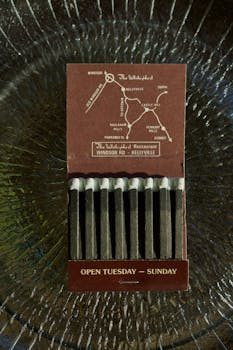
The appeal is practical. Vintage matchbooks capture slices of American culture from the 1930s through the 1970s. They advertise everything from roadside motels and gas stations to world’s fairs and airlines. The cover art often represents the best graphic design of an eraâbold colors, clever layouts, and specific typography that tells you something about the business and the time. For collectors, it’s about holding a piece of history that is small, affordable, and easy to store. This hobby works best for people who enjoy research, spotting details, and building a themed collection around a specific interest like diners, hotels, or events. It’s less suited for anyone expecting quick financial returns. The values are modest for most pieces, with true rarity being uncommon. If you’re after a fast path to profit, this isn’t it. But if you enjoy the hunt and the learning curve, it’s one of the most accessible collecting hobbies out there. Serious collectors often reference the K&M Matchcover Price Guide, which catalogs thousands of matchbooks and provides a baseline for value based on rarity and condition. It’s a good starting point to understand what you’re looking at. For those looking to identify specific pieces, a matchbook price guide book is worth keeping on hand for quick reference.
What Makes a Vintage Matchbook Valuable?
Value in vintage matchbook collecting comes down to several factors: condition, rarity, printing quality, age, and subject matter. Condition is king. A matchbook in Mint conditionâmeaning no wear, no stains, no fading, and with the staple intactâcan be worth ten times more than the same matchbook in Good condition. Rarity is the second major factor. Matchbooks from local businesses that folded quickly are harder to find than national brands that printed millions. Printing quality also matters. Matchbooks with detailed artwork, multiple colors, or metallic inks are more sought after than simple one-color designs. Age tends to add value, but only if the other factors align. A 1940s matchbook from a local diner in poor condition might be worth less than a 1960s Las Vegas casino matchbook in excellent condition. Subject matter drives collector demand. Las Vegas casino matchbooks are consistently popular, as are airline matchbooks, world’s fair matchbooks, and those from famous restaurants. On the lower end, generic gas station matchbooks or motel matches are common and worth a dollar or two each. There’s a trade-off you need to understand: a rare matchbook in Fair condition might still be worth collecting if it’s the only known example, but a common matchbook in Mint condition might top out at $20. Focus on condition first, then rarity. Realistic expectations mean most matchbooks you find at a flea market will be in the $1â$5 range. The ones worth hundreds are the exceptions.
Where to Find Vintage Matchbooks: A Collector’s Sourcing Guide
You have several options for finding vintage matchbooks, and each has its own pros and cons. Flea markets and estate sales are your best bet for bulk cheap finds. You can often buy a box of unsorted matchbooks for $10â$30 and sort through them at home. The downside is you’ll mostly find common motel and restaurant matches. Antique stores are a step up in curation but also price. You might find a single matchbook priced at $8 when it’s worth $2. The advantage is you can inspect the condition before buying. Online auctions, particularly eBay and Etsy, offer the widest selection and the chance to find rare pieces. The mistake here is overpaying because of the word âvintage.â Many sellers price common matchbooks at $5â$10 when they are worth less than $1. Always check sold listings, not just asking prices. For serious collectors, the Rathcamp Matchcover Society is the standard. Membership gives you access to shows, auctions, and a network of experienced collectors. This is best for rare pieces and accurate pricing. Direct buying from other collectors via forums or Facebook groups can also yield good results, but you need to build trust first. A common beginner mistake is buying matchbooks online without checking the condition description. If the listing says âas found,â expect dirt, damage, and moisture issues. Stick with sellers who provide clear photos of both the front cover and inside.
Condition Grading for Matchbooks: What to Look For
Serious collectors use a grading system similar to coin collecting. The common grades are Mint (no flaws), Excellent (minor wear only), Good (some visible wear but intact), Fair (damaged but still collectible), and Poor (missing covers, heavy damage). For a Mint matchbook, look for crisp corners, no fading, and the staple must be clean with no rust. The cover should be flat with no creases. Excellent means a slight corner bump or a faint crease but nothing that distracts from the artwork. Good grade means there is visible wearâlight soiling, a bent corner, or slight fading. These are common and affordable. Fair grade means the matchbook has a torn cover, missing staple, or heavy staining. These are only worth collecting if the subject is rare. Poor grade means it’s essentially a reference piece. When inspecting a matchbook, use a magnifying glass or a jeweler’s loupe. Look at the edges for tearing, check the inside for writing or stains, and examine the strike surface if it’s still present. A matchbook with the strike surface intact can be a fire hazard and also indicates less handling. The trade-off: a Fair condition matchbook for $1 might be fine for a beginner, but a collector will wait for a Mint example at $20 because the difference in display quality is significant. Having a jeweler’s loupe for close inspection can help you spot wear that the naked eye misses.
How to Store and Display Your Matchbook Collection
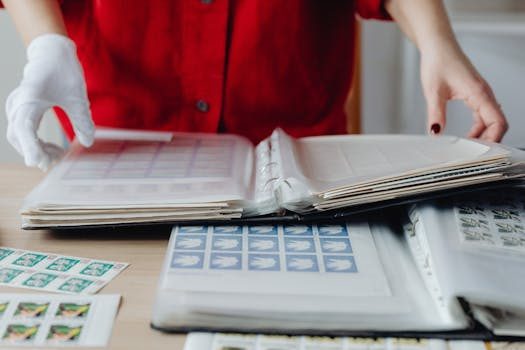
Storage is critical because matchbooks are fragile. The best option for long-term preservation is archival-safe, acid-free sleeves. You can buy these in bulk for around $10 per 100 sleeves. Place each matchbook in its own sleeve to prevent rubbing and dust. For albums, use three-ring binder pages designed for trading cards. These are affordable and allow you to flip through your collection. The cheap option is generic baseball card pages, but make sure they are PVC-free. PVC causes chemical damage over time, yellowing the paper and fading the ink. Invest a few extra dollars for polypropylene or Mylar pages. For display, you can use small shadow boxes or dedicated matchbook display frames. Avoid direct sunlight at all costs. Even a few hours of exposure can fade the colors significantly. Humidity is another enemy. Keep your collection in a climate-controlled environmentâideally between 40â50% humidity. A small dehumidifier in the room can help. For large collections, consider a cabinet with glass doors to keep dust off while still allowing display. A common mistake is storing matchbooks in cardboard boxes, which trap moisture and cause acidity damage over time. For smaller collections (under 100), a dedicated photo album with acid-free pages works perfectly. For collections over 500, you’ll need a more systematic approach with labeled binder volumes.
Organizing Your Collection: By Theme, Date, or Location?
How you organize your collection depends on your collecting goals. Organizing by theme is the most common and practical approach. You group matchbooks by their subject: restaurants, hotels, events, airlines, or gas stations. This makes it easy to find specific items and show off your collection. It works for both small and large collections. By date is useful if you focus on a specific decade. It helps you see the evolution of design and advertising in a compact way. The downside is that you might have only a few matchbooks from some years, making the collection look uneven. By geographic location works well if you focus on a specific city or region. For example, a collection of New York City matchbooks can be organized by borough. This is great for local history buffs but can be limiting if you travel or buy online. A practical recommendation for beginners is to start with a simple numeric cataloging system using a spreadsheet. Assign each matchbook a unique number and note the title, date, condition, and purchase price. This makes it easy to track duplicates and know what you have. Skip this if you prefer a purely visual display and don’t care about specific details. But even for casual collectors, a spreadsheet saves you from buying the same matchbook twice.
Common Beginner Mistakes in Vintage Matchbook Collecting
Every new collector makes a few predictable mistakes. The biggest is overpaying because of the word âvintage.â Just because a matchbook is old doesn’t mean it’s valuable. Many sellers on eBay ask $8â$10 for common matchbooks worth $1. Always compare prices against sold listings before buying. The second mistake is storing matchbooks with the strike surface intact. The phosphorus in the strike surface is chemically reactive and can damage the paper over time. It also poses a fire risk if you store them in a closed box. Remove the strike surface or store the matchbook carefully so it doesn’t contact others. The third mistake is not verifying authenticity. Modern reproductions exist, especially for popular subjects like world’s fairs and famous casinos. Look for printing quality, paper age, and staple type. If it looks too perfect and has bright white paper, it’s likely a reproduction. The fourth mistake is ignoring condition for subject matter. A rare subject in Poor condition might still be interesting, but don’t pay a premium for it. Wait for a better example. These mistakes come from rushing or getting caught up in the excitement. Take your time, inspect carefully, and know the market before you spend significant money.
Vintage Matchbooks vs. Modern Reproductions: How to Tell the Difference
Telling a real vintage matchbook from a modern reproduction comes down to a few key details. Printing method is the first clue. Vintage matchbooks used offset printing, which gives slightly softer edges and a characteristic ink texture. Modern reproductions use digital printing, which produces sharp, perfect edges and flat color. Paper quality is another giveaway. Vintage paper has a natural off-white color, sometimes with slight yellowing or spotting. Modern paper is bright white and uniform. The staple is also telling. Vintage staples are often slightly rusted or dull, while modern staples are shiny and clean. Cover thickness matters too. Vintage covers are usually thinner cardboard, while reproductions might use thicker cardstock to feel more substantial. Text fonts can be a giveaway. Vintage fonts have slight imperfections from the printing process, while modern fonts are perfectly crisp. A simple checklist for quick identification: examine the paper color, check for rust on the staple, look at the printing edges, and compare the feel of the cover. If the matchbook is pristine white with a perfect staple and sharp printing, it’s almost certainly a reproduction. One common mistake is assuming all matchbooks that look old are actually vintage. Some modern bars and restaurants produce retro-style matchbooks as promotional items. These aren’t collectible in the same sense. Knowing the difference saves you money and disappointment.
Building a Specialized Collection: What to Focus On
Once you have a general collection, you might want to specialize. It makes the hobby more manageable and interesting. Some popular niches include airline matchbooks, which are relatively scarce and have strong collector interest. Amusement park matchbooks are also popular, especially from classic parks like Disneyland or Coney Island. Political campaign matchbooks are rare and have light collector demand but can be found for reasonable prices. Food brand matchbooks are common but offer deep variety. For a niche that’s currently underappreciated, consider auto service station matchbooks. These are plentiful, affordable, and capture the heyday of roadside America. They have strong graphic design, often with bold logos and color schemes. The advantage is you can build a large collection on a small budget. The downside is that they aren’t as sought after as casino or airline matches, so resale value is lower. Choose a niche that matches your interests. If you love travel, go with airlines or hotels. If you love design, go with food or events. A specialized collection is easier to display, trade, and research. Avoid overspecializing too early. Build a base of 50â100 general matchbooks first, then narrow your focus.
Valuing Your Collection: Tools and Resources
To value your collection, you need the right tools. The K&M Matchcover Price Guide is the standard reference. It lists thousands of matchbooks by category with estimated values based on condition. It’s a good starting point but not perfect because market prices change. For real-time data, use eBay’s sold listings. Search for the matchbook you’re looking for, then filter by âsold items.â This shows you what people actually paid, not what sellers are asking. It’s the most reliable tool for current market value. Collector forums like those linked to the Rathcamp Matchcover Society provide insight from experienced collectors who can identify rare pieces and give realistic estimates. Price guides are useful for understanding rarity categories but can overvalue common items. Online sold data is better for specific pieces but can be skewed by unique auctions. The trade-off: use both together. Start with the price guide to understand rarity, then check sold listings for a reality check. A direct call to action: head to eBay and search âvintage matchbook soldâ to see recent transactions. It’ll give you an instant sense of what the market supports.
Where to Sell or Trade Vintage Matchbooks
If you want to sell, you have several platforms to choose from. eBay is the largest marketplace with the widest audience. List a matchbook with clear photos, a detailed condition description, and a starting price based on sold listings. The downside is fees and the risk of returns. Etsy is better for themed collections or high-end pieces. Buyers there are often looking for decor, not just collectibles. Collector forums and Facebook groups let you sell directly to other enthusiasts. The audience is smaller but more knowledgeable, and you avoid platform fees. Local showsâlike those run by the Rathcamp Matchcover Societyâallow you to sell in person, get cash, and build relationships. The trade-off: online gives you reach, local gives you immediate cash and no shipping. A common mistake is underpricing because you didn’t research rarity. Always check rarity before listing. A matchbook from a small-town restaurant might be common, but a matchbook from that same restaurant’s grand opening event could be rare. Price accordingly. For trading, forums and shows are best. You can swap duplicates for pieces you need without cash changing hands. Start by listing your duplicates online or bringing them to a show.
Final Tips for a Rewarding Collection
Three takeaways to keep in mind. First, start slow. Buy a few matchbooks at flea markets to learn condition grading before spending money online. Second, store properly from day one. Use acid-free sleeves and avoid sunlight. It saves you from heartbreak later. For those starting out, investing in acid-free matchbook storage sleeves is a simple step that protects your collection for years. Third, connect with the community. Join the Rathcamp Matchcover Society or a Facebook group. You’ll learn faster and find better pieces. Vintage matchbook collecting is a rewarding hobby that rewards patience and knowledge. The best collections are built over years, not weeks. Start your collection today by checking local estate sales or browsing our recommended storage products below to keep your finds safe.