Introduction
I sat down with a collector who has been hunting vintage toys for over fifteen years. He specializes in 1980s action figures and die-cast cars, but his collection spans everything from early plastic robots to pre-1990 video game memorabilia. This vintage toy collector interview isnât about nostalgia or museum-quality display pieces. Itâs about practical, experience-based advice for people who are starting a collection and donât want to waste money on reproductions, incomplete items, or overpriced junk.
If youâre new to vintage toy collecting, this article is for you. The goal is straightforward: help you avoid costly mistakes, build a smart acquisition strategy, and feel confident evaluating condition and value. This isnât theory. This is what works after thousands of transactions, dozens of conventions, and a lot of trial and error.
Meet the Collector: Who I Interviewed and Why Their Advice Matters
The collector I interviewed prefers to stay anonymous, but his credentials are solid. He has been actively buying, selling, and trading vintage toys since 2008. His primary focus is on 1980s action figures from lines like Transformers, Masters of the Universe, and G.I. Joe, alongside a deep side collection of 1970s Hot Wheels. Over the years, he has handled thousands of individual items, sourced from estate sales, flea markets, online auctions, and international toy shows.
His expertise comes from practical experience rather than academic knowledge. He knows the difference between a factory-sealed figure and a resealed scam. He can spot a reproduction weapon from across a dealer table. He understands which production runs hold value and which ones were overproduced. When he talks about collection strategy, heâs not guessing â he has the spreadsheets and the scars to prove it.
Thatâs why his advice matters. He has made the mistakes so you donât have to.
How I Got Started in Vintage Toy Collecting (And What I Wish I Knew)
Q: How did you start collecting, and what was your first real lesson?
âI bought a lot of Star Wars figures at a garage sale for fifty bucks. Thought I was a genius. Turned out three of the seven figures were reproductions. The paint apps were slightly off, the plastic felt wrong, and the saber hilts were the wrong color. I didnât catch it because I was excited and didnât know what to look for. Thatâs the classic beginner mistake â buying on emotion instead of inspection.â
He goes on to explain that his first year of collecting was essentially a paid education. He overpaid for incomplete vehicles, bought figures with broken joints, and once paid a premium for a âmintâ die-cast car that had been professionally repainted. Every mistake taught him something. But he wishes he had started with a systematic approach instead of learning by losing money.
The key takeaway from his origin story is this: before you spend any real money, learn to authenticate. Understand what original packaging looks like. Know the weight and feel of vintage plastic versus modern resin. And always check for reproductions â especially on weapons, accessories, and rare parts. Serious collectors often use a jewelerâs loupe to inspect these details closely.
The #1 Mistake New Collectors Make (And How to Avoid It)
According to the collector, the single most common mistake beginners make is overpaying for reproductions or incomplete items. âPeople see a grail piece listed for two hundred bucks, and they donât ask questions. They donât check the joints, the paint, the packaging, or whether the accessories are original. They just see a deal and click buy.â
Hereâs how to avoid it:
- Check authenticity marks. Many vintage toys have date stamps, manufacturer codes, or country-of-origin markings. Learn what these look like for the specific line youâre collecting. For example, 1980s G.I. Joe figures have a distinctive copyright stamp on the inner thigh. Reproductions often skip this detail or print it incorrectly.
- Verify the condition of packaging. Original boxes and cardbacks have specific printing techniques, paper quality, and wear patterns that are hard to fake. A pristine âmintâ box on a forty-year-old toy should immediately raise suspicion.
- Research recent sales. Donât rely on a single listing. Use tools like completed eBay listings or price guide databases to see what similar items actually sold for, not just what people are asking.
- Ask for detailed photos. If a seller only provides one or two pictures, request more. Specifically ask about paint wear, joint tightness, and whether accessories are original.
This one rule â buy the condition, not the hype â will save you more money than any other piece of advice.
Where to Find Vintage Toys: Best Sources for Hidden Gems
Finding good vintage toys requires knowing where to look and how to evaluate each source. Hereâs how the collector ranks his hunting grounds:
- Estate sales: Often the best source for untouched collections. Youâll find toys that have been boxed up since the 1980s, sometimes with original receipts. The tradeoff is competition. Local resellers know the dates of sales and arrive early. Go early, be polite, and bring cash.
- Flea markets: Hit or miss. Some flea markets have dedicated toy dealers who know values. Others have tables from people cleaning out garages. The latter is where you find the true bargains. Best advice: visit regularly and build relationships with the vendors. Theyâll tell you when new stock arrives.
- Online marketplaces (eBay, Etsy): Convenient but competitive. Prices are generally higher because sellers know the market. The advantage is the ability to search for specific items across a huge inventory. Focus on listings with poor photos or vague descriptions â those are often undervalued because buyers canât see the details.
- Specialized auction houses: Good for high-end items but expensive. Auction houses charge buyerâs premiums (often 15â25%), and youâre competing with serious collectors. Itâs worth checking their catalogs for rare pieces, but donât expect bargains.
For beginners, estate sales and flea markets offer the best mix of opportunity and price. Online platforms are fine for filling specific gaps, but youâll pay a premium.
Vintage Toy Categories Worth Collecting Right Now
The collector identified several categories that currently have strong demand and reasonable entry prices:
- 1980s Transformers: The original G1 line is the gold standard. Items range from $30 for common figures to several hundred dollars for complete, boxed examples. Look for die-cast parts and rub signs. Avoid reissues unless clearly marked.
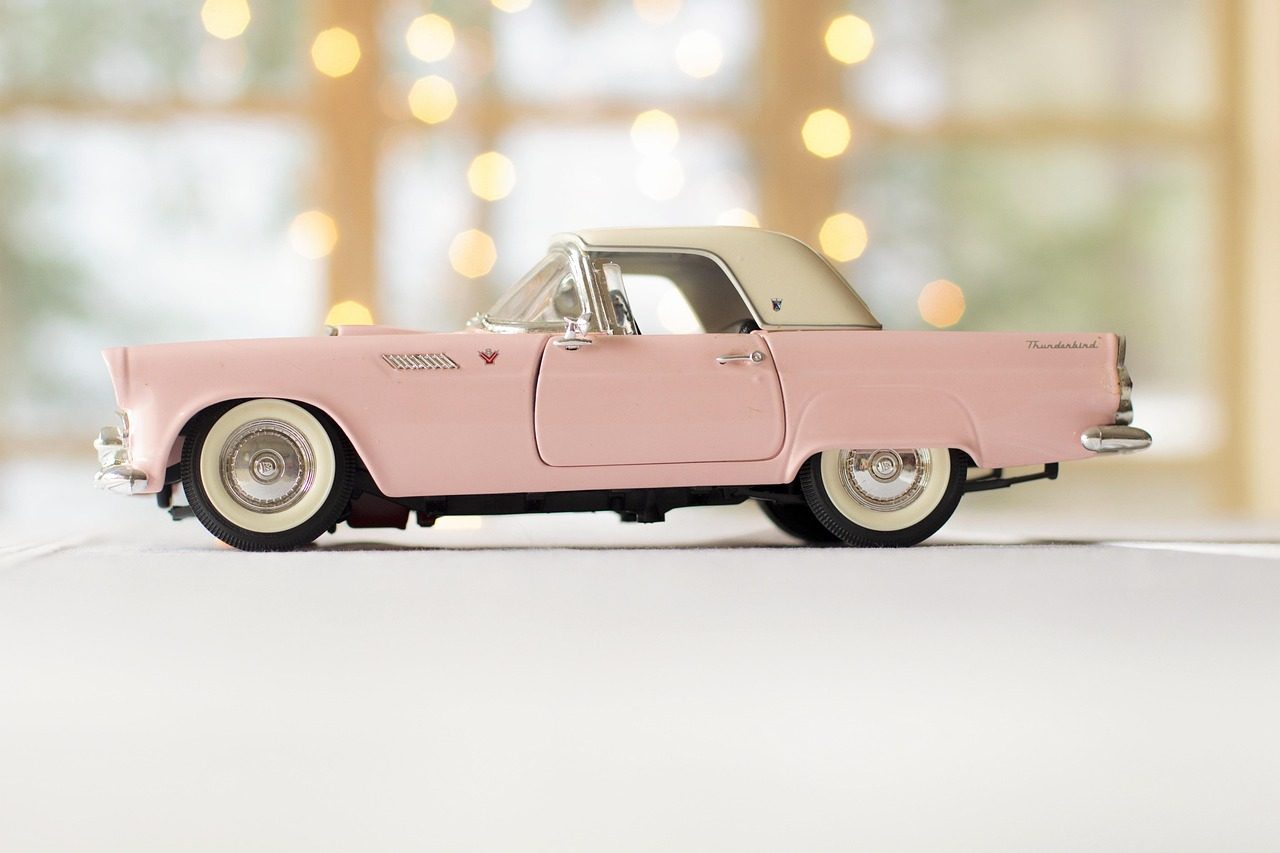
- 1970s Hot Wheels: Redline-era cars (1968â1977) are the most desirable. Prices vary widely based on condition and rarity. A mint, original Redline can sell for several hundred dollars, but beat-up examples are still worth collecting and cheaper to acquire.
- Japanese tin toys: Pre-1970s battery-operated tin robots and vehicles. These are niche and can be expensive, but the market is stable. Condition matters hugely. Look for original paint, working mechanisms, and intact accessories.
- Early video game memorabilia: Action figures, promotional items, and merchandise from the 1980s and 1990s. Items tied to iconic franchises like Super Mario or Sonic the Hedgehog hold value. Be careful with reproductions â bootlegs are extremely common in this category.
Each category has its own rules, but the common thread is condition, completeness, and original packaging. If you specialize in one niche, youâll learn the specifics faster and make fewer mistakes.
How to Assess Condition and Value Like a Pro
Here is the systematic method the collector uses. It applies to most vintage toys:
- Check original packaging. For carded figures, look for bubble clarity, glue integrity, and card flatness. For boxed vehicles, examine the flaps, corners, and printing quality. A crushed box reduces value by 30â50%.
- Examine paint and plastic. Look for paint rubs, chips, or fading. White plastic often yellows with age â compare the color to known original examples. Joints should be tight but not brittle. Stiff joints often mean the plastic is degrading.
- Verify joint functionality. For action figures, check each joint. If a joint is stuck, it may break when moved. A figure with one broken joint is worth significantly less than a complete one.
- Ensure accessory completeness. This is where many sellers cheat. A figure missing a weapon or a vehicle missing a missile is not complete. Donât pay full price unless all original parts are present. Research what accessories came with the item before buying.
- Check for restoration or repair. Look for repainted areas, replaced screws, or glued breaks. UV light can reveal paint touch-ups. If you suspect restoration, ask the seller directly â many will disclose it.
Use this checklist every time you evaluate a potential purchase. Itâs faster than it sounds and will save you from overpaying for damaged goods. Beginners may want to start with a collectorâs condition guide to learn standard grading terms.
The Best and Worst Toys to Invest In
Not all vintage toys appreciate equally. Hereâs the collectorâs comparison:
Best performers:
- First-generation Transformers: Strong nostalgia cycle, limited production runs, and a dedicated fanbase. Optimus Prime in good condition has tripled in value over the last decade.
- Redline Hot Wheels: Stable market with consistent demand. The key is condition â mint examples sell at a premium, but even played-with cars hold value.
- Early Lego sets with boxes: Sets from the 1970s and 1980s, especially those with original boxes and instructions, have appreciated steadily. The market is less volatile than action figures.
Worst performers:
- Fad toys from the 1990s: Things like Pogs, Tamagotchis, and Beanie Babies. They spiked and crashed. Most are worth pennies today.
- Overproduced franchise toys: Items from massively successful movie franchises that were produced in huge numbers rarely appreciate. Jurassic Park figures from 1993 are common and cheap.
- Modern âvintageâ replicas: Toys produced in the 2000s that mimic vintage styles. They donât carry the same collectability as originals and rarely hold value.
The lesson is simple: invest in toys with limited production, strong nostalgia cycles, and high condition sensitivity. Avoid trends and fads.
What I Use to Store, Display, and Protect My Collection
The collector is pragmatic about storage and display. He doesnât use expensive gallery systems or custom-built cabinets. Hereâs what he actually relies on:
- Acid-free bags: For loose figures and accessories. They prevent plastic degradation and are cheap to buy in bulk.
- UV-protective glass: For carded figures and boxed vehicles in display cases. Sunlight destroys packaging and paint in months. A simple way to reduce this risk is to use UV-protective display cases for your most valuable items.
- Climate-controlled shelving: He keeps his collection in a basement room with a dehumidifier. Temperature and humidity control prevent warping, yellowing, and rust.
- Display risers: Simple acrylic risers from a craft store. They allow you to see items at different heights without stacking them.
He also recommends labeling storage bins clearly. âNothing is worse than spending twenty minutes digging through three boxes to find a missile you know you bought.â
When and Where to Sell: Turning a Collection into Cash
Selling vintage toys requires timing and platform choice. The collector offers these guidelines:
- Sell before a movie reboot. Hype drives prices up temporarily, then they drop. If you have Transformers figures, consider selling six to twelve months before a major film release.
- eBay for single items. Good for high-value pieces. Be prepared for fees (around 13%) and shipping challenges. Use high-quality photos and detailed descriptions to attract buyers.
- Local conventions for bulk. Youâll get lower prices per item, but youâll sell faster and pay no shipping. Bring a table and price everything.
- Private Facebook groups for niche items. Groups dedicated to specific toy lines have informed buyers who know values. Selling there can save you fees, but requires negotiation skills.
One realistic piece of advice: donât expect to make a profit quickly. Most collections take years to mature in value, and selling costs eat into returns.
Final Advice: The Three Rules I Tell Every New Collector
The collector distills his experience into three rules:
- Buy the condition, not just the toy. A rare figure in poor condition is worth half of a common figure in excellent condition. Condition drives value more than rarity alone.
- Specialize in one niche. Donât try to collect everything. Pick one toy line or category and learn everything about it â production years, variations, reproductions, and values. Youâll make better decisions and build a more coherent collection.
- Keep a spreadsheet. Track what you paid, the condition rating, the date of purchase, and the current market value. This helps you avoid overpaying twice for the same mistake and lets you see which parts of your collection are appreciating.
Follow these rules, and youâll avoid most of the costly mistakes that frustrate new collectors.
Frequently Asked Questions About Vintage Toy Collecting
How do I know if a toy is a reproduction?
Check for incorrect stampings, modern plastics, and accessories that donât match the original design. Use online guides specific to your toy line. If a deal seems too good to be true, it probably is.
Is it worth buying toys without boxes?
Yes, if the condition is good and the price reflects the missing packaging. Loose figures and vehicles can still hold value, especially if theyâre rare or complete with all accessories. Just expect to pay 30â60% less than a boxed example.
Whatâs the best starter budget?
Start small. Allocate $100â$200 per month for the first six months. Use that time to learn the specifics of your chosen niche. Once youâre confident in authentication and valuation, increase your spending.
Can I make money from vintage toy collecting?
Yes, but itâs not passive income. You need to invest time in research, network with sellers, and be patient. Most collectors do it for passion first, profit second.
Resources and Tools I Recommend
- WorthPoint: Subscription-based price guide database. Useful for checking recent sales and market trends.
- eBay completed listings: Free and reliable. Search an item, then filter by âSold Itemsâ to see actual transaction prices.
- Played With Collectibles (book): A practical guide for identifying reproductions and assessing condition. Worth the investment for serious collectors.
- Local toy shows: Find them through Facebook or local collector clubs. The in-person experience is invaluable for learning authentication and networking.
These tools arenât glamorous, but they work. Use them consistently and youâll build a collection youâre proud of without emptying your bank account.