Wine Bottle Collecting Investment: A Practical Guide to Building a Vinous Portfolio
Wine bottle collecting investment sits at an interesting crossroads between passion and finance. Getting from enthusiast to savvy investor takes specific knowledge, not just a good palate. This guide skips the hype and cinematic cellar discoveries. Itâs a practical, experience-based look at how to buy, store, and sell investment-grade vintages. If you need actionable guidance, this is for you. Weâll cut through the romance and focus on what actually matters: the bottles, the storage, the provenance, and the exit strategy.
Why Invest in Wine Bottles? The Real Value Proposition
The main argument for wine as a tangible asset is diversification. It doesnât move in lockstep with stock markets or bond yields. Historically, a well-chosen portfolio of investment-grade wines has delivered annualized returns in the 5â15% range, though those numbers come with caveats. Unlike liquid assets, wine is illiquid. You canât sell a case of Lafite overnight for cash. It requires patience, often a holding period of 5 to 15 years for peak appreciation.
Another appeal is the “enjoyment yield.” A stock certificate is paper. A bottle of wine can be opened and enjoyed on a special occasion, even while itâs appreciating. That psychological benefit shouldnât be underestimated. But be realistic: the vast majority of fine wine does not appreciate. The top 1% of producers and vintages drive the market. The rest is for drinking, not investing. Approach this with the discipline of a portfolio manager, not the enthusiasm of a dinner party host.
Understanding Investment-Grade Wine: What to Look For
Not all expensive wine is investment-grade. The criteria are specific, and understanding them is the first step to avoiding a costly mistake.
- Producer Reputation: This is non-negotiable. A Château Margaux or Domaine de la Romanée-Conti has decades, sometimes centuries, of proven track record. New producers, no matter how good, lack the secondary market demand to hold value.
- Vintage Quality: Even top producers have off-vintages. A great producer in a poor vintage is rarely a good investment. Look for vintages rated highly by critics like Robert Parker, Antonio Galloni, or the Wine Advocate.
- Provenance: This is the bottleâs historyâwhere it was stored, for how long, and under what conditions. A bottle from a single, climate-controlled cellar with original cases and receipts commands a significant premium.
- Quantity: A bottle thatâs too rare is difficult to trade. A bottle thatâs too common will not appreciate. The sweet spot is a producer that makes enough to be traded on the secondary market but not so much that supply overwhelms demand.
- Region: Bordeaux, Burgundy, and Champagne dominate. Rhône, Piedmont, and Napa have pockets of investment-grade potential, but they are riskier. Focus on the big three until you have deep knowledge.
When you see a bottle, ask: Who made it? What year? Where has it been? Is there a certificate of authenticity? If you canât answer these, walk away.
Vintage vs. Non-Vintage: Which Holds Value Better?
The short answer: vintage-dated wines, almost exclusively. Non-vintage bottles are blends designed for consistency from year to year. They are meant to be consumed young. A non-vintage Champagne like a Moët & Chandon Brut Impérial is a great party wine, but it will never appreciate. A vintage-dated Krug or Dom Pérignon, however, is a completely different asset.
Vintage variation is the engine of value. A fantastic vintage like 2009 or 2015 in Bordeaux will produce wines that age for decades and command premium prices. A poor vintage like 2013 in the same region will trade at a discount. Your job as an investor is to identify the great vintages and buy from top producers. Donât fall for the marketing of “limited edition” non-vintage or multi-vintage blends. They are not investment-grade.
The Critical Role of Provenance and Authentication
Provenance is everything. A bottle of 1982 Château Mouton Rothschild can be worth $5,000 with impeccable provenance and $500 with suspect history. Fraud is a real risk in the fine wine market. How do you protect yourself?
- Original Cases: Buying wine in its original wooden case is the gold standard. It proves the bottle has been in one place since release.
- Receipts and Documentation: A chain of receipts from a recognized merchant or auction house is powerful evidence.
- Physical Inspection: Check the fill level (ullage), the condition of the label, and the capsule. A low fill level suggests poor storage or oxidation.
- Certificates of Authenticity: Some top producers now provide them. They are helpful but can be forged. Never rely on a certificate alone.
- Trusted Sources: Buy from established auction houses (Sothebyâs, Christieâs), reputable merchants (Berry Bros. & Rudd, Laithwaites), or verified private collectors. Avoid eBay or random online marketplaces.
A common beginner mistake is focusing on the label rather than the bottleâs history. A pristine label can hide a leaked, oxidized, or counterfeit wine. Learn to read the physical clues.
Storage Conditions: The Make-or-Break Factor for Value
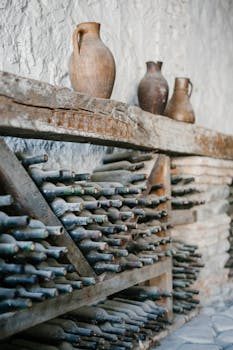
You can buy the best wine in the world, but if you store it poorly, you have destroyed its value. The ideal storage conditions are remarkably specific:
- Temperature: Constant 55°F (13°C). Fluctuations are the enemy. Even a few degrees of variation over time degrade the wine.
- Humidity: 60â70%. Too dry and the cork dries out, allowing air in. Too humid and labels can mold.
- Light: Total darkness. UV light is catastrophic for wine. Never store bottles in a kitchen or room with windows.
- Vibration: None. Vibrations disturb the sediment and can ruin the aging process.
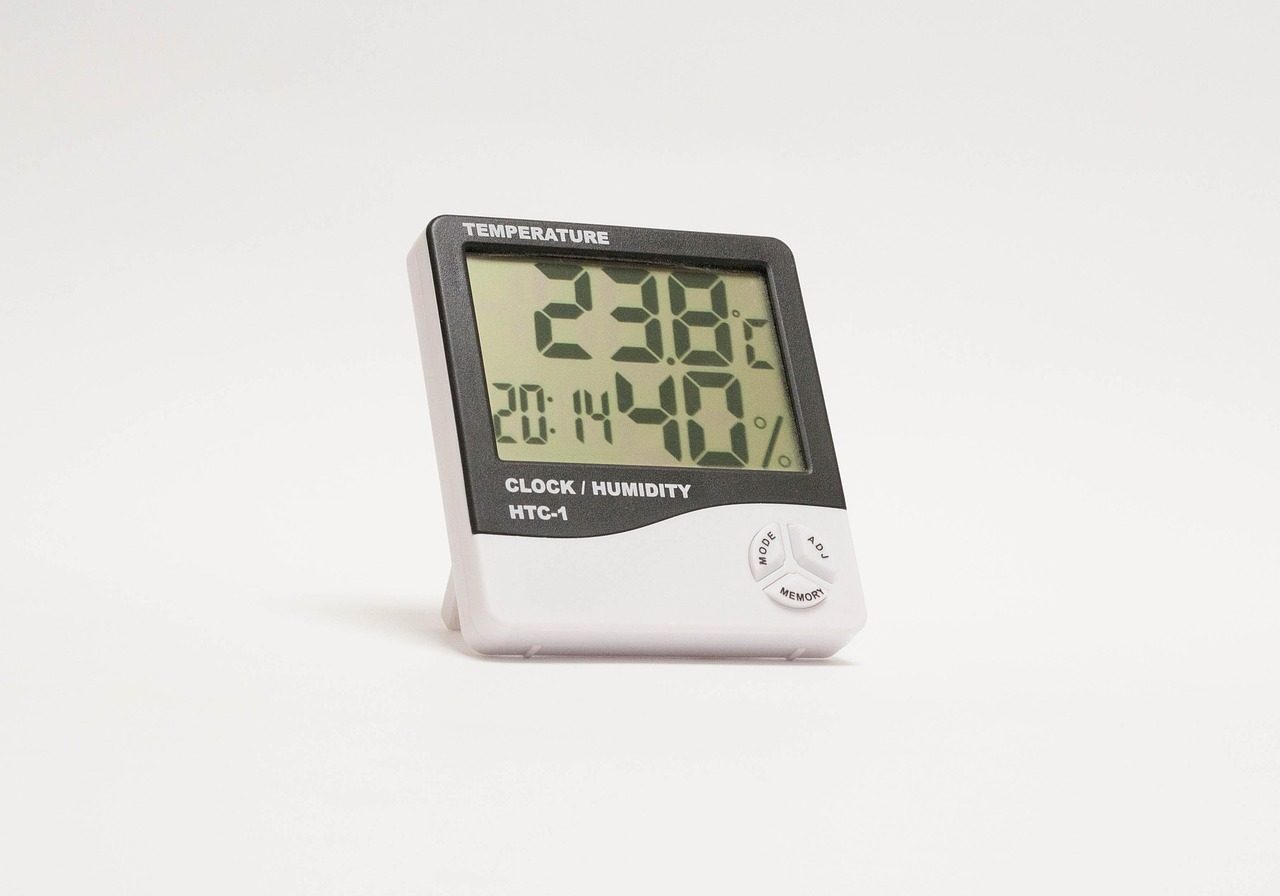
For most investors, home storage is a bad idea. Unless you have a purpose-built cellar with climate control, you are risking your investment. Professional storage facilities are the standard. Companies like Domaine or Vinfolio offer temperature-controlled, insured, and accessible storage. The cost is typically $15â30 per case per year. It is worth every penny. If you must store at home, invest in a dedicated wine cooler from a reputable brand like EuroCave or Viking. A cheap cooler is worse than no cooler because of temperature fluctuations. Travelers who need a reliable way to monitor storage conditions can use a digital hygrometer to track temperature and humidity levels.
Common Mistakes New Wine Collectors Make
Here are the five mistakes I see most often:
- Chasing Hype: A new wine gets a 100-point score, and everyone rushes to buy it. By the time you hear about it, the price has already moved. Buy on fundamentals, not hype.
- Ignoring Storage: The biggest single destroyer of value. See above.
- Overpaying at Auction: Auction houses have buyersâ premiums (15â25%) and sellersâ commissions. The hammer price is not the final price. Factor these in.
- Neglecting Insurance: Your homeownerâs policy likely doesnât cover a collection of significant value. Get a dedicated fine art and wine policy.
- Selling Too Soon: Wine is a long-term asset. Selling after 3 years is almost always a loser due to transaction costs. Hold for at least 5â7 years, ideally 10â15.
Building a Diversified Wine Portfolio: A Practical Approach
Diversification within wine works differently than in stocks. You spread risk across regions, producers, and vintages. A reasonable starter portfolio for a $10,000 investment might look like this:
- Bordeaux (40%): Two cases of a top château from a great vintage (e.g., 2015 Château Léoville Las-Cases or 2016 Château Pontet-Canet). These are the most liquid wines by far.
- Burgundy (30%): One case of a Premier Cru or Grand Cru from a reliable producer (e.g., Domaine Comte Georges de Vogüé or Domaine Sylvain Cathiard). Burgundy is volatile but offers higher potential returns.
- Champagne (20%): One case of vintage Champagne from a top house (e.g., 2008 Salon or 2009 Louis Roederer Cristal). Champagne ages beautifully and has a dedicated global market.
- Other (10%): A single case of something from a promising region like Piedmont (Giacomo Conterno) or Rhône (Château Rayas). This is your speculative play.
This model avoids putting all your eggs in one producer or one region. It allows you to learn about different markets while maintaining a core of liquid assets.
When to Hold, When to Sell: Timing Your Exit
There are no hard rules, but certain signals should inform your decision. The typical holding period for a fine wine investment is 7 to 15 years. This is when the wine reaches its peak drinkability and the first wave of secondary market demand from restaurants and collectors matures.
Watch for these indicators to sell:
- A New Vintage Release: When a top producer releases a new vintage, demand for the previous one often spikes. This is a good window to sell.
- A 90+ Point Review from a Major Critic: A wine that receives a high score from a respected critic can see a 20â50% price jump overnight.
- Market Reports: The Liv-ex Fine Wine 100 index will show you market trends. If your region is in a bull run, it may be a good time to exit.
- Your Personal Need: If you need the cash or have held the wine for 15 years with reasonable appreciation, selling is fine. Donât get greedy.
A decision matrix: Hold if the market is stable or rising and the wine is still under 10 years from release. Sell if youâve held for over 10 years, the vintage has been re-released, or a major critic has given it a top score.
Auction vs. Private Sale: Which Channel Is Best for You?
The best channel depends on the value of your collection and your time horizon.
- Auction Houses (Sothebyâs, Christieâs, Hart Davis Hart): Best for high-value, single bottles or small collections. They offer global exposure but charge 15â25% buyersâ premium and 0â10% sellersâ commission. The process is slow (6â12 weeks).
- Private Dealers: Best if you want a quick, discreet sale. They typically buy at a discount (10â30% below market). Good for urgent liquidation.
- Online Marketplaces (WineBid, K&L Auctions): Good for bulk sales or mid-tier wines. Lower fees than major auction houses but less global reach. Faster than traditional auction.
Recommendation: For a single high-value collection, use a major auction house. For a larger portfolio you want to sell gradually, use an online marketplace. For quick cash, go to a private dealer but expect a lower price.
Budgeting and Expected Returns: Setting Realistic Goals
Letâs be realistic about the numbers. You will face these costs:
- Purchase Price: This is the price you pay the merchant or auction house.
- Storage: $20â30 per case per year.
- Insurance: Usually 0.5â1% of the collectionâs value annually.
- Selling Fees: 5â25% depending on the channel.
If you buy a case of 2015 Château Margaux for $4,000, store it for 10 years ($3,000), and sell it at auction for $10,000, your net after fees (say 20%) is $8,000. Thatâs a 10-year return of $1,000 on a $7,000 total investment, or about 1.4% annualized. Not great. But if you sell it privately for $10,000 with no fees, you make $3,000, or 4.3% annualized. Thatâs better.
The real money comes from buying correctly (great vintages at release prices) and selling efficiently (private sale). Donât expect instant riches. Treat it as a long-term, relatively low-risk play that offers enjoyment along the way.
Resources and Tools for the Wine Investor
You need data, not opinions. The following resources are essential:
- Liv-ex: The London-based exchange is the primary source for market pricing on investment-grade wines. Their Liv-ex Fine Wine 100 is the benchmark index.
- Wine-Searcher: The most comprehensive database for retail and auction prices. Excellent for price discovery.
- Robert Parker / The Wine Advocate: The most influential critic for Bordeaux and many regions.
- Jancis Robinson: A highly respected critic with a strong following in the UK and Asia.
- Books: “The Wine Bible” by Karen MacNeil (for general knowledge) and “The Finest Wines of Bordeaux” by James Lawther (for investment-level detail).
- Communities: The Wine Berserkers forum and the r/wine subreddit are active communities where you can learn from experienced collectors. Be skeptical of “hot tips” from anonymous users.
Essential Gear for Wine Collecting and Storage
If youâre investing, you need the right tools. These arenât luxuries; they are necessities.
- A High-Quality Wine Cooler: The single most important purchase. Look for a EuroCave or a dedicated Dual-Zone fridge. Do not use a kitchen refrigerator. For those starting out, a wine cooler with proper temperature control can protect your bottles.
- A Digital Hygrometer: A simple device to monitor temperature and humidity inside your cooler. The ThermoPro TP50 is accurate and inexpensive.
- A Good Tasting Journal: A notebook to record notes on the wines you open. This is for your own learning, not for the market. It will help you understand how wines age.
- A Quality Wine Key: The Pulltapâs Cleverlever is a reliable, affordable option for everyday use.
- Wax Sealer: If you have bottles with wax capsules, a wax sealer tool helps open them cleanly without damaging the label.
These items are tools that make a difference in preserving and enjoying your investment. A hygrometer costs $15 and can save you from a $5,000 loss due to temperature spikes. Beginners may want to consider a wine tasting journal to track development over time.
Final Thoughts: Is Wine Collection Investment Right for You?
Wine bottle collecting investment is not a path to quick wealth. It is a discipline that rewards knowledge, patience, and a love for the product. The biggest risk is not market volatilityâitâs poor storage, lack of provenance, and buying based on hype. If you are willing to commit to the research, the storage costs, and the holding period, it can be a rewarding addition to a diversified portfolio.
Start small. Research one wineryâsay a top Bordeaux châteauâand look at its vintages from the last 20 years. Compare prices for a 2015 vs. a 2016. Check the Liv-ex index. Read one criticâs review. That one focused step will teach you more than reading a hundred articles. The best investment you can make right now is in your own knowledge.