Introduction
If you’re looking into collectible beer steins from Germany, you’re probably trying to figure out what’s worth buying, where to find real ones, and how to avoid overpaying. I’ve been collecting for years and have helped friends pick steins for their home bars and assisted travelers who wanted a solid souvenir from Germanyânot just a trinket from a tourist shop. This guide covers the practical side of building a collection, whether you’re buying online or digging through flea markets in Bavaria. We’ll cover what makes a stein genuinely collectible, how to spot a fake, where to buy, and common mistakes new collectors make. No fluffâjust actionable advice.

Why German Beer Steins Are Collectible
German beer steins have a long history, but you don’t need a history degree to appreciate why people collect them. The value comes from a few key factors that set them apart from mass-produced mugs. First, the materials matter. Authentic collectible steins are usually made from stoneware, porcelain, glass, or pewter, and each requires specific craftsmanship. A hand-painted porcelain stein from a known manufacturer like Villeroy & Boch, or a traditional stoneware stein from the Westerwald region, carries more weightâliterally and figurativelyâthan a cheap ceramic replica with decals.
Second, the detailing sets a collector’s piece apart. Look at the lid: a genuine pewter lid with a working thumb lever and a tight fit is a good sign. The painting or relief work should be intricate, not sloppy. Some steins show historical scenes, hunting motifs, or brewery logos, which add to their cultural value. Finally, scarcity matters. Older steins from the 19th century are harder to find in good condition, which drives up their value. Understanding these basics helps you focus on pieces with genuine collector potential rather than just a cool design.
What to Look for in an Authentic Collectible Stein
Here’s a practical checklist I’ve developed over the years. It’ll save you money and frustration.
- Markings and Stamps: Flip the stein over. Genuine manufacturers often stamp the bottom with a name, logo, or date code. Look for marks from known German makers like Mettlach, Höhr-Grenzhausen, or Thewalt. If it says “Made in West Germany,” it’s likely from the 1950s to 1990s. “Made in Germany” without more markings could be older or a modern reproduction. A missing mark isn’t always a dealbreaker, but it’s a red flag.
- Lid Material and Construction: Pewter lids are the gold standard. They should feel heavy, not flimsy. Pull the thumb lever to make sure it clicks into place. Avoid steins with tin lidsâthey’re cheaper and corrode quickly. Check the hinge: it should be solid, not bent or broken. A loose lid may have come from a different stein or been poorly repaired. A simple jeweler’s loupe can help inspect the lid hinge up close.
- Paint and Relief Quality: Hand-painted steins will show slight brush strokes or color variations. Decal-based designs look flat and uniform. For relief steins, feel the surfaceâit should be raised, not printed. Good painting often has shading and fine detail, especially around faces or animals.
- Weight: A heavy stein is generally better. Stoneware and porcelain are dense. A light stein could be hollow or made of cheap materials. I’ve held steins that felt like they’d crack if you dropped a penny on them.
- Condition: Check for Chips, Cracks, and Hairlines. Run your fingers along the rim and lid. Small chips might be acceptable on an 1800s stein, but they should be noted. Large cracks or repairs that look like glue are instant no-buys. Check the interior lining: some old steins have a pewter lining that can oxidize. Darkening is normal, but flaking or a metallic smell means skip it.
- Red Flags: Overly shiny new pewter (modern replica), missing maker’s marks, very low weight, or a “patina” that looks painted onâlike fake dirt in crevices. If it feels off, it probably is.
Where to Buy Collectible Beer Steins in Germany (and Online)
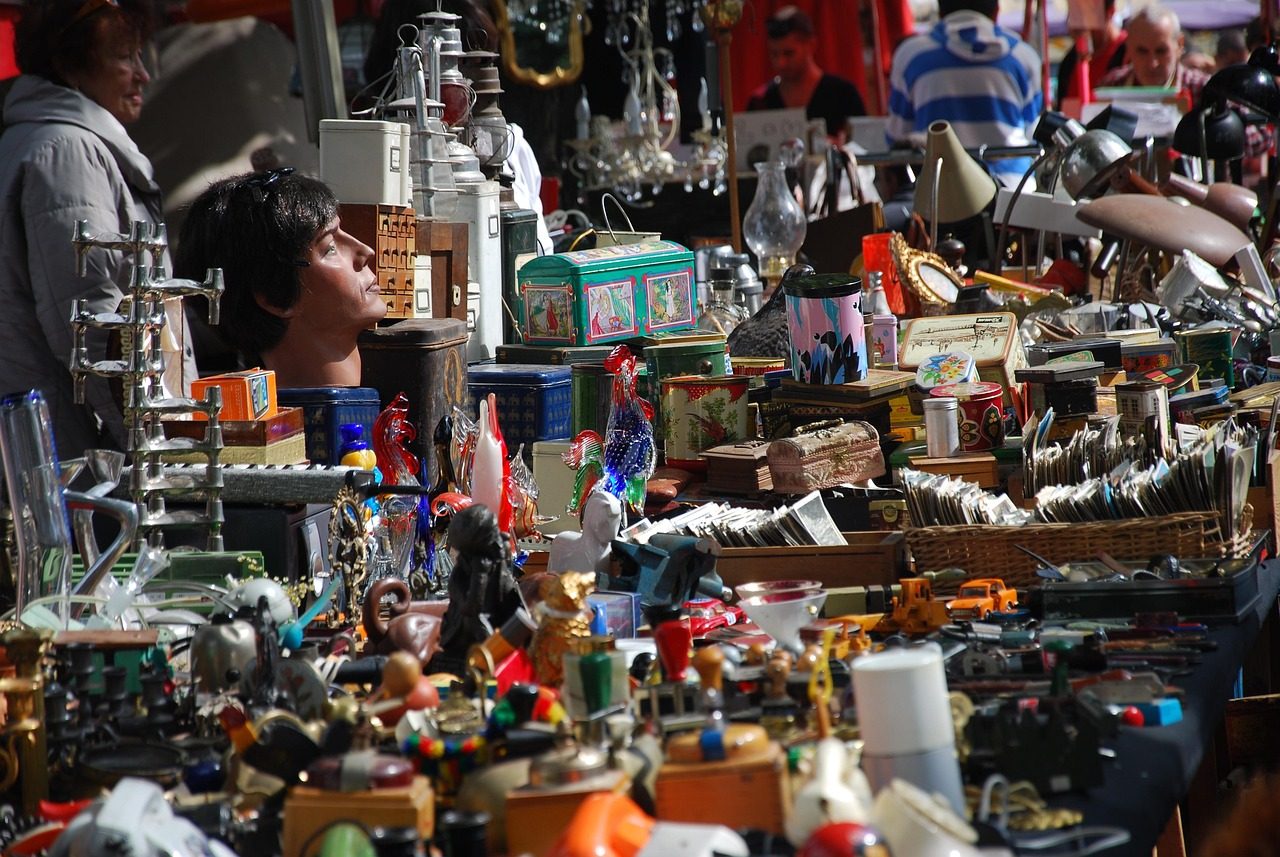
For travelers, the best places to find authentic steins are flea markets, antique shops, and specialized stein stores. A go-to recommendation is the Riesenflohmarkt in Munich, which happens on the first Saturday of the month. It’s huge, and you’ll find everything from junk to genuine antiques. Haggling is expected: start at about 60% of the asking price and settle around 70â80%. If a dealer is firm but fair, don’t push too hard.
In Rothenburg ob der Tauber, there are a few stein shops catering to tourists. While some sell modern reproductions, a couple have back rooms with genuine antiques. Ask the seller if they can show you the “old pieces.” In Nuremberg, try the antique district along LudwigstraÃe. For porcelain lovers, make a trip to Meissen or Dresden, where you’ll find higher-end options from factories like Meissen itself.
Christmas markets in December are also good places to look, but be selective. Look for vendors specializing in antiques rather than general crafts. Prices can be higher, but you might find something from a local collection.
If you’re buying online, German eBay (eBay.de) is a solid starting point. Search for “Bierkrug” or “Steinzeugkrug” and filter by “Antiquitäten.” You’ll find private sellers and dealers. Shipping to the US is usually possible but factor in costs. Specialized antique stein dealersâlike those on Antiques.com or through German auction housesâoffer curated selections with detailed condition reports. A word of caution: always ask for photos of the bottom and lid hinge before bidding. Dealers who refuse to send them are probably hiding flaws.
For beginners, I’d recommend buying from a reputable online dealer before hitting flea markets. You’ll learn what a genuine stein looks like in your hand, which helps when you’re later evaluating pieces in person.

Common Mistakes New Collectors Make
I’ve seen these mistakes over and over. Here’s how to avoid them.
1. Overpaying for Mass-Produced Souvenir Steins
They look shiny and have colorful Bavarian motifs, but they’re often made in China or Eastern Europe. A genuine souvenir stein from Germany can be authenticâjust know the difference. If it costs under $30 and has a plastic-like feel, it’s not collectible. Wait for a stein with a pewter lid and a maker’s mark.
2. Buying Steins with Damaged Pewter Linings
Some older steins have a pewter interior lining that makes them drinkable. If this lining is cracked, flaking, or smells strongly of metal, it’s a health hazard and won’t hold liquid. Don’t buy it unless you’re okay with it being strictly decorative. Check by gently unscrewing the lidâif the lining rattles, it’s loose.
3. Mistaking New Steins for Antiques
Patina can be faked. A “distressed” finish on a modern stein is often done with sandpaper or chemicals. Look for real wear on the bottom and lid hingeâthese show years of use, not a factory process. Newer steins often have perfect, uniform paint jobs that look too clean.
4. Buying Based on Appearance Alone
I’ve bought steins that looked great on a shelf but had a hairline crack on the underside that I missed. Always inspect every angle before buying. For online purchases, ask for a video of the stein being turned 360 degrees. A crack can split over time and destroy the value. A small LED flashlight is handy for spotting hidden cracks during an inspection.
5. Not Researching the Maker
Some makers are more desirable. Mettlach steins, for instance, fetch high prices. A stein from a lesser-known factory might be beautiful but won’t have the same resale value. I keep a small card with common manufacturer marks when I go shopping. It’s saved me from buying overpriced pieces from unknown brands.
Comparing Stein Styles: Which Is Best for Your Collection?
Different styles suit different budgets, display preferences, and collecting goals. Here’s a breakdown to help you decide.
- Etched Glass Steins: Often found in pub settings. They’re less common as serious collectibles because the etching can wear down. Typical price range: $30â80 for decent ones. Best for a casual bar or conversation piece. Avoid if you want long-term investment.
- Hand-Painted Porcelain: These are showpieces. They feature intricate scenes, often in vivid colors. Prices start around $150 for basic pieces and can go over $500 for fine porcelain from Meissen or similar. They’re fragile and best displayed, not used daily. Best for someone who values artistry and is willing to pay for it.
- Relief Stoneware: My personal favorite for beginners. The design is raised, giving it a 3D feel. They’re durable, affordable ($50â150), and often show classic themes like hunting, beer drinking, or military scenes. The stoneware has a warm, earthy tone. Best for a starting collection or daily use.
- Figural Steins: These are shaped like animals, people, or objects. They’re extremely collectible but also rarer. Prices vary widely, from $100 for a simple dog shape to $1,000+ for an intricate dragon. Best for a dedicated collector who wants something unique. Not ideal for first-time buyers because of the higher risk of damage.
If you’re unsure, start with a relief stoneware stein from the late 1800s. It’s affordable, durable, and has genuine historical appeal. You can always upgrade to porcelain later.
How to Assess a Stein’s Value Before You Buy
Value depends on several factors. I use a simple mental formula: age + condition + rarity + maker + provenance = value.
Age: Steins from the 1800s are typically more valuable than those from the 1950s. But age alone isn’t enough. An 1890s stein with a cracked lid is worth less than a 1920s stein in mint condition.
Condition: Mint condition means no chips, cracks, repairs, or heavy patina on the pewter. For later 20th-century steins (post-1950s), mint condition is expected. For 19th-century pieces, a small rim chip or tarnished lid is more acceptable and only slightly reduces value. The worst thing is a repaired stein with visible glueâit’s practically worthless.
Rarity of Design or Maker: Some designs are commonâlike a typical Bavarian brewery scene. Rarer designs include historical events, obscure military motifs, or limited editions. Mettlach and Thewalt are tops for collectibility. A stein from a smaller factory might be unique but less sought-after. Check online databases to see how many similar steins are for saleâif there are dozens, it’s probably not rare.
Provenance: If a stein comes from a known collection or family, its value can double. But you usually won’t get this unless you’re buying from a dealer who provides paperwork. For casual shopping, don’t obsess over it.
Rule of Thumb: A good antique stein should feel heavy and have a tight-fitting lid. If it rattles, the lid is loose, which reduces value. A heavy stein implies quality materials. Bring a small flashlight to check for cracks inside.
The Best German Regions for Finding Collectible Steins
Each region has a specialty, and knowing this can help focus your search.
- Bavaria (Munich, Nuremberg): The heart of beer culture. You’ll find traditional stoneware steins with brewery logos, as well as hand-painted porcelain. Munich’s flea markets are legendary. Nuremberg has an antique district with multiple shops.
- Rhineland (Cologne, Koblenz): Known for stoneware production, especially from the Westerwald region. Steins here often have a distinct grayish-blue glaze. You can find them in local antique shops and at the Cologne flea market.
- Saxony (Meissen, Dresden): The home of European porcelain. Meissen porcelain steins are among the finest, with intricate hand-painting. Expect to pay a premium. Dresden also has a strong art market with many porcelain dealers.
- Hesse (Frankfurt, Wiesbaden): A good middle ground. You’ll find a mix of stoneware and porcelain. The Frankfurt flea market (Kleinmarkthalle area) is worth a day trip.
If you’re planning a trip, start in Bavaria for the best variety. If you’re after porcelain, add a stop in Saxony. For stoneware lovers, the Rhineland is a solid bet.
How to Care for Your Collectible Beer Stein
Once you have your stein, treat it right to preserve its value and appearance.
Cleaning: Always hand wash with mild soap and warm water. Use a soft clothânever a sponge with abrasive pads. Skip the dishwasherâheat and detergents will damage the paint and pewter. Dry immediately with a soft towel to prevent water spots.
Storage: Display on a stable shelf away from direct sunlight. UV rays will fade the paint over time, especially on porcelain. A little tarnish on a pewter lid is natural, but you can polish it gently with a soft cloth. Use specialized pewter polish sparinglyâtoo much can wear away the patina that collectors like.
Warning: Never put a stein with a pewter lid in the oven or microwave. Pewter has a low melting point and can warp. Also, avoid using it for hot beveragesâit’s not designed for that. If you want to drink from it, use only cold beer and make sure the lid lining is intact. For those who appreciate the lid’s craftsmanship, investing in a pewter polish kit can help maintain its look without damaging the patina.
Booking a Stein-Themed Trip to Germany
If you’re serious about building a collection, a dedicated trip is a great idea. Here’s a practical route I’ve planned for friends before.
Suggested Route: Start in Frankfurt (international flights). Rent a car and drive to Rüdesheim am Rhein. Visit the Deutsches Biersteinsmuseum to see hundreds of antique steins and learn about their history. It’s small but focused. Then head to Rothenburg ob der Tauber for a day of shopping in the stein stores. Next, go to Nuremberg for its antique district. End in Munich for the flea market and maybe a visit to the Oktoberfest grounds (if in season).
Accommodations: I prefer booking small B&Bs or hotels in each town for flexibility. For Rothenburg, look for a place inside the old town walls. In Munich, choose something near the Hauptbahnhof for convenience. A guided tour is optional but can help if you want expert commentaryâsome operators offer “German beer culture” tours that include stein shopping stops.
Final Recommendations: Start Your Collection the Right Way
To wrap it up: start small, learn from your first few purchases, and don’t overspend. Buy from reputable sellers, inspect every stein carefully, and focus on styles that genuinely interest you. A collection built on passion will always be more satisfying than one based on investment alone. If you’re looking for a beginner-friendly stein, consider a late 19th-century relief stoneware piece from the Westerwaldâthey’re affordable, durable, and have real charm. Once you’ve got a few under your belt, you’ll know exactly what to look for next. Happy hunting.