Introduction
If you’ve been tracking collectible market trends rising in value lately, you’ve probably noticed some surprising shifts. It’s not just about dusty old stamps or baseball cards anymore. The landscape has changed a lot. Certain categories â from sealed video games to luxury watches â have seen value jumps that would have seemed impossible ten years ago. But not every trend is built to last. This guide cuts through the noise and highlights the genuine market shifts that matter right now. It’s a practical resource for collectors who want to buy or sell with real confidence, not just ride a wave. We’ll cover what’s actually working, why authentication and grading are non-negotiable, and where you should focus your energy. Whether you’re new to collecting or have been at it for years, you’ll get a clearer picture of where the smart money is moving.

Why Following Collectible Market Trends Matters
Collectibles are a different beast than traditional investments. They’re far less liquid, deeply passionate, and heavily condition-dependent. Timing and authenticity aren’t just nice-to-haves; they’re everything. A faded trend â think Beanie Babies in the late ’90s â can leave you holding a bagful of plush toys worth pennies. On the other hand, something like Pokémon cards, which had a similar hype cycle in the late ’90s, has actually built lasting value. The difference? Scarcity, condition, and a dedicated community that has only grown. Understanding these collectible market trends rising means you can spot real opportunities and avoid the flash-in-the-pan fads that will leave you disappointed. It’s about discipline, research, and knowing when to act.
Vintage Trading Cards: The Steady Risers
Trading cards have been a reliable riser for years, but not all cards are created equal. We’re seeing strong, sustained growth in specific subcategories: pre-1980 baseball cards (think Mantle, Mays, and Aaron), vintage Pokémon holos from the original Base Set through Neo Destiny, and graded Magic: The Gathering dual lands from the Alpha, Beta, and Unlimited sets.
A recent auction saw a PSA 9 1st Edition Base Set Charizard sell for close to $50,000 â a price that would have been unthinkable just five years ago. The key here is grading. A card from PSA (Professional Sports Authenticator) or BGS (Beckett Grading Services) with a high numeric grade can multiply the value of a raw card by ten or more. But here’s a practical tip: raw cards can still be a bargain if you’re patient. If you find a raw card in excellent condition at a local shop or online auction, you can have it graded yourself. The potential profit can be significant if it comes back as a high grade. For protection, you’ll want quality card sleeves. Collectors who handle their cards frequently often choose Ultra Pro card sleeves as a solid, affordable choice to keep their collection safe during handling and storage.
Retro Video Games: Condition Is Everything
Retro video games have entered a new phase. It’s no longer just about owning a copy of Super Mario Bros. or The Legend of Zelda. The real money is in new-in-box (NIB) and graded games. Loose cartridges haven’t risen nearly as much as sealed copies. A sealed, graded copy of EarthBound for the SNES can fetch tens of thousands of dollars, while a used cartridge might get you a few hundred. Titles like Pokémon Red/Blue, Zelda, and rare Final Fantasy entries are leading the charge.
A local insider tip: check your local game stores, especially the ones that have been around for decades. Owners often have a box of unsorted, unopened inventory in the back. You might stumble on a sealed gem for a fraction of its online market value. Online auctions are good, but the competition is fiercer. If you decide to display your collection, a display case for retro games can keep them protected and show them off.

Coins and Currency: Tangible and Timeless
Coin collecting has seen a resurgence, but again, not all coins are moving in the right direction. The rising trends are focused on rare error coins, high-grade silver bullion coins like American Silver Eagles, and high-grade US quarters (like a 1932-D Washington quarter in MS-65+). In contrast, common circulated Morgan dollars and generic silver dimes have stagnated or even dropped in value.
Authentication through NGC or PCGS is essential. A coin in a certified holder from one of these services can command a 20-30% premium over an ungraded example. A real-world example: a collector bought a 1943 copper penny at a flea market for $50. After having it graded by PCGS, it turned out to be a rare error coin that sold at auction for over $10,000. The grading fee was a few hundred dollars. The lesson is clear â invest in the authentication process before you sell.
Luxury Watches: A Market That Requires a Sharp Eye
The pre-owned watch market has exploded, particularly for Rolex, Omega Speedmaster, and Grand Seiko. But this is a minefield for the unprepared. Authentication is king. Fakes have become incredibly sophisticated, and even experienced buyers can be fooled. A common mistake is buying a “full set” â watch, box, papers â without verifying the papers against the watch’s serial number. People have paid a premium for a box and papers that belong to a different watch entirely.
Stick to reputable dealers who offer a verification period, or use a service like Watchfinder or a professional horologist for authentication. If you’re serious about inspecting watches yourself, you’ll need a good loupe. A high-quality watch loupe will help you check for signs of tampering, redialing, or other issues that can tank a watch’s value. And if you have a mechanical watch, a watch winder is useful for keeping it running when not worn, though it’s not essential for value protection.
Pop Culture Memorabilia: Band Merch and Movie Props
The market for pop culture memorabilia is heating up, but it’s a different kind of game. What’s rising in value? Authentic concert posters from the Grateful Dead, 70s punk bands like the Ramones, and signed movie props from cult films like Blade Runner or The Big Lebowski. Vintage anime merchandise from the 1980s and 90s is also seeing a surge, driven by the streaming generation discovering classic franchises.
The critical factor here is provenance. A document that proves an item’s history â a photo of the artist wearing a T-shirt, a signed letter of authenticity from the estate, an invoice from the original store â is worth more than the item itself. I’ve seen a simple Grateful Dead T-shirt that originally cost $20 sell for over $200 simply because a photo existed showing Jerry Garcia wearing it. The best places to find these items are estate sales (especially those near major cultural hubs) and online auctions that provide detailed provenance history. Be suspicious of anything that lacks a solid paper trail.
Collectible Sneakers: The Grading Gold Rush
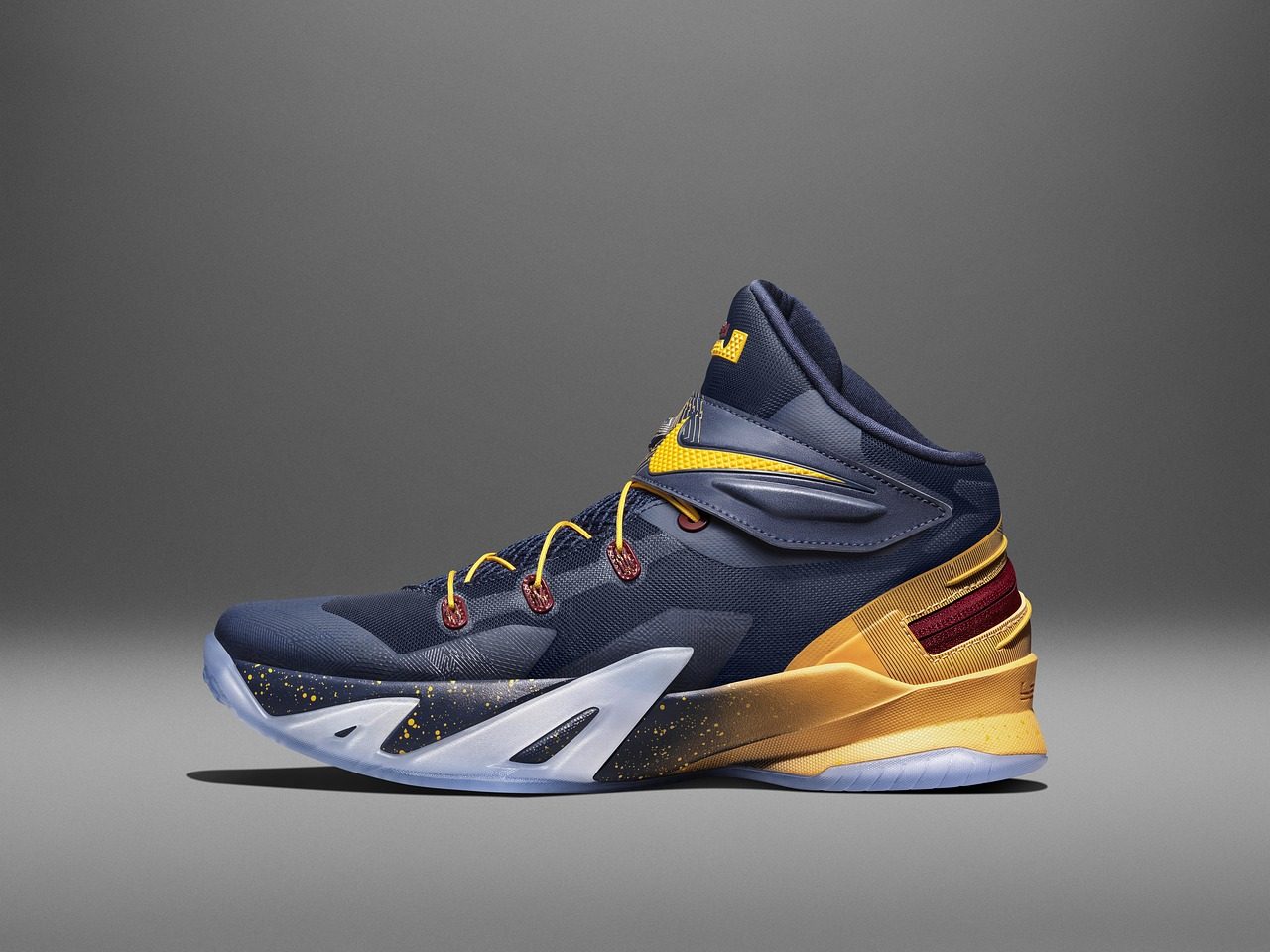
The sneaker market has matured from a hype-driven frenzy into something more structured. The rising trend is all about deadstock â shoes that have never been worn, stored in their original box with all packing materials. Companies like StockX and GOAT act as authenticators, but a new wave of third-party grading (similar to trading cards) is emerging. Some companies are now grading sneakers on a 1-100 scale based on box condition, insole wear, and sole yellowness. A pair of deadstock Nike Air Jordan 1s in a high grade can command a serious premium.
The big tradeoff: worn sneakers, even lightly, have dramatically less value. Don’t buy a pair to wear if you’re investing. Also, a common mistake is waiting too long to sell a hot drop. Prices often peak within the first few months before settling. For storage, you’ll want a good storage container to prevent box crushing and a sneaker protector spray to keep them safe from dust and moisture.
Comparison: Trading Cards vs. Sneakers vs. Coins
Putting these three main categories side by side helps you decide where to focus based on your style and risk tolerance.
- Liquidity: Trading cards are the easiest to sell quickly (auctions, social media groups). Sneakers are moderate â you can sell on platforms like StockX but with fees. Coins are the hardest to sell quickly; you often need a dealer or an auction house.
- Authentication Difficulty: Coins are the most straightforward (certified by NGC/PCGS). Trading cards are clear (graded holders). Sneakers are trickier â fakes are common and can be hard to spot without experience.
- Storage Requirements: Sneakers need the most space (boxes, shelves). Trading cards are compact (binders, boxes). Coins take the least space (tubes, folders).
- Recent Appreciation (3-year): Trading cards (especially vintage and graded Pokémon) have seen 50-100%+ increases. Sneakers (deadstock grails) have risen 20-50%. Coins (rare errors, high-grade bullion) have risen 10-30% steadily.
Common Mistakes When Chasing Rising Trends
Let’s be real â the market is full of traps. Here are three mistakes I’ve seen collectors make repeatedly.
1. Buying based on hype alone. A friend of mine bought heavily into the 2020 sports card boom, spending thousands on new boxes that everyone was talking about. Two years later, most of those cards are worth a fraction of what he paid. The hype died, and supply outpaced demand. Stick to trends that have a proven demand history, not just social media buzz.
2. Ignoring condition reports. A slightly faded coin, a creased card, or a scratched watch bezel can destroy value. Don’t ever assume something is “near mint” without seeing clear, high-resolution photos or a certified grade.
3. Failing to track market timing. I’ve watched someone hold onto a 1952 Topps Mickey Mantle for too long because they thought the price would keep going up. Then the market cooled, and they missed a peak by a year. Track sale prices on platforms like eBay (using sold listings) or dedicated auction results. Sell into strength, not weakness.
How to Start Investing in Rising Collectibles
If you’re ready to act, here’s a step-by-step approach that works across categories.
Step 1: Research the submarket. Before you buy anything, spend a month just watching. Track prices on auction platforms, read collector forums, and understand the nuances. For example, not all vintage Pokémon cards are valuable â only certain editions and conditions matter.
Step 2: Set a budget. Start small. Buy one high-quality, graded item rather than ten low-quality, raw items. A single PSA 9 Base Set Charizard is a better start than a box of ungraded commons.
Step 3: Use escrow services for high-value deals. If you’re buying from a private seller, use an escrow service like Escrow.com. It protects both parties and gives you time to inspect the item.
Step 4: Diversify. Don’t put all your money into one category. Spread your risk across two or three of the trends we’ve covered. A mix of graded cards, a deadstock sneaker, and a high-grade coin can be a solid portfolio.
A local insider tip: join a local collectors’ club or an online forum dedicated to your chosen category. You’ll get real-world price signals and warnings about bad actors that you won’t find on social media. For general storage of small items, a good multi-purpose storage box is a worthwhile investment to protect your collection from dust and light.
Final Thoughts: Where to Put Your Money
If you look across all the collectible market trends rising right now, a clear pattern emerges. The winners share a few key traits: genuine scarcity, excellent condition as certified by a respected third party, and solid provenance. Vintage trading cards, sealed video games, luxury watches, authenticated coins, and deadstock sneakers all fit this mold. The hype-driven, mass-produced items? They fade fast. Your next step is simple. Check your own collection for any of these signs. Look for a sealed game you forgot about, a dusty coin you inherited, or a pair of sneakers you never wore. If you find something, get it looked at. Or start fresh by buying a single, graded, high-quality item from a trusted source. The market rewards patience, research, and a steady hand. Start with one authenticated piece and see how it feels.