Introduction
Youâve found the perfect ceramic olive oil jar in a small Tuscan workshop. Or a hand-blown glass ornament from a Christmas market in Germany. The problem is getting them home in one piece without paying more for shipping than you did for the souvenir itself. Knowing how to ship souvenirs home safely isnât complicated, but most travelers skip the planning and end up heartbroken with a box of shards. This guide is for anyone who buys fragile, bulky, or valuable items while traveling and wants them to arrive intact. Weâre skipping the travel magazine fluff and going straight into practical, step-by-step packing and shipping methods that actually work. No guesswork, no luck involved.

Why You Shouldnât Just Throw Souvenirs in a Suitcase
Checking fragile souvenirs in luggage is a gamble you will eventually lose. Even the best hard-shell suitcases get thrown, dropped, and stacked under heavy cargo. Iâve seen a ceramic vase destroyed by a single baggage handler tossing a bag three feet onto a conveyor belt. Theft is another real risk. Smaller, high-value items like jewelry or carved trinkets can disappear from checked bags without a trace. Airlines typically pay very little for damaged baggage claims, and proving your souvenir was worth more means fighting a long bureaucratic battle.
There is also the weight limit problem. If you buy a few large pieces of pottery or a set of heavy books, your suitcase can quickly become overweight. Paying airline excess baggage fees often costs more than a dedicated shipping box. The smart play is to ship larger or fragile items separately. This clears your luggage for clothes and everyday items, reduces handling stress on your souvenirs, and gives you a tracking number to follow your precious cargo home. Itâs a different process than packing a suitcase, but once you learn it, youâll never stress about breakables again.
The 4 Worst Mistakes People Make When Shipping Souvenirs
Mistakes happen when people assume shipping a souvenir is like shipping a pair of shoes. Here are the most common disasters I see.
1. Using too little padding. A single layer of bubble wrap around a fragile object is not enough. Shock from drops transmits straight through one layer. You need at least three inches of cushioning between the item and the box wall on all sides. Travelers dealing with limited packing supplies while abroad may want to consider bringing along a compact roll of heavy-duty bubble wrap designed for travel. I have unpacked shipments where the only padding was a few crumpled newspaper pages. The result was always broken glass or chipped ceramic.
2. Not securing against movement. Even with good padding, if the item can slide inside the box, it will hit the sides repeatedly during transit. The box shakes, the item shifts, and eventually it finds the weakest spot. You need to fill every void with packing paper or air pillows. If you can hear anything rattling when you shake the box, it is not packed correctly.
3. Ignoring temperature and humidity. If you ship a bottle of olive oil from Greece through a desert region in summer, the heat can cause the liquid to expand and burst the seal. Similarly, high humidity can damage paper goods or textiles. For sensitive items, consider temperature-controlled shipping or wait until cooler months. Itâs a detail most guides skip, but it matters.
4. Underestimating customs costs. Many travelers declare a value of âgiftâ or $10 to avoid duties. This backfires badly if the package is lost or damaged because the insurance payout will only cover the declared value. If your souvenir is worth $200, declare it accurately. Yes, you might pay a small customs fee, but youâll actually be compensated if something goes wrong.
What Youâll Need: The Essential Packing Kit for Safe Shipping
Having the right supplies on hand before you start packing makes all the difference. Trying to scavenge thin cardboard and tissue paper from a hotel room is a recipe for disaster. Here is the packing kit I recommend building out before you ship.
- Double-walled corrugated boxes. Single-wall boxes collapse too easily. Buy a set of double-walled boxes in two or three sizes. They handle stacking forces much better.
- Bubble wrap in multiple sizes. Small rolls for individual items, large rolls for wrapping entire groups. Look for rolls with 3/8-inch or 1/2-inch bubbles for adequate protection.
- Packing paper. Not newspaper (the ink can transfer onto porous surfaces). Unprinted packing paper is cheap and great for void fill and wrapping non-fragile items.
- Heavy-duty packaging tape. Do not use household tape. A good tape gun with 2-inch wide packing tape will save your sanity.
- Fragile stickers. They donât guarantee careful handling, but they give you a better argument if damage occurs. Apply them to at least two sides of the box.
- A good pair of scissors or a box cutter. Sharp blades make clean cuts. A dull blade can crush box corners.

Step-by-Step Guide: How to Pack Fragile Souvenirs for Shipping
Follow this method to ensure your items survive the journey. It works for ceramics, glass, pottery, and most rigid fragile objects.
Step 1: Wrap each individual item. Start with a layer of packing paper for scratch protection, then wrap tightly with at least two layers of bubble wrap. Tape the bubble wrap closed, not the paper. For hollow items like vases or glasses, stuff the inside with crumpled packing paper or bubble wrap to prevent them from collapsing inward.
Step 2: Prepare the box bottom. Place a 3-inch layer of crumpled packing paper or foam peanuts in the bottom of the box. This softens the initial impact.
Step 3: Layer the items. Place the heaviest, sturdiest items at the bottom. Put lighter or more fragile items on top. Never put a heavy item directly on top of a fragile one. Separate layers with a thick sheet of foam board or a piece of corrugated cardboard.
Step 4: Fill all voids. After placing each layer, fill empty spaces with packing paper or air pillows. The goal is zero movement. I do the âshake testâ: after packing, lift the box and gently shake it. If you hear or feel anything shifting, add more fill.
Step 5: Double-box for very fragile items. For especially delicate pieces (antique porcelain, heavy crystal), double-boxing is worth the extra cost. Pack the item inside a smaller box with ample padding, then place that small box inside a larger box with more padding between them. This creates a suspension system.
Step 6: Seal and label. Tape all seams of the outer box with at least three strips of tape on each seam. Then apply fragile stickers on the top and at least one side. Mark âFRAGILE â THIS SIDE UPâ with arrows if applicable.
Choosing a Carrier: USPS vs UPS vs FedEx vs DHL for International Shipping
Each major carrier has strengths and weaknesses. The right choice depends on your package size, destination, and speed requirement.
| Carrier | Best For | Speed | Insurance Options | Cost |
|---|---|---|---|---|
| USPS | Small, lightweight packages under 4 lbs. Reliable for documents and small gifts. | 7-14 days (Priority International) | Limited, deductible often applies. | Lowest for small packages. |
| UPS | Larger boxes (15-50 lbs) with declared value. Good tracking and online calculator. | 3-7 days (Expedited) | Good. Declare the actual value. | Moderate. Slightly more than USPS for heavy items. |
| FedEx | Oversized items or urgent shipments. Their International Economy is a solid middle ground. | 2-5 days (Priority/Express) | Very good. Offers declared value protection. | Higher, but reliable service. |
| DHL | Time-sensitive deliveries to remote areas. Excellent global network. | 1-4 days (Express Worldwide) | Excellent. Best for high-value items. | Highest of the four. |
Situational advice: If youâre shipping a small ceramic ornament to a friend in Canada, USPS Priority Mail International is your best balance of cost and speed. For a 20-pound box of handmade rugs from Turkey to the U.S., use UPS or FedEx, where you can buy reliable insurance. Avoid DHL for standard souvenirs unless you need it in 48 hours; the cost can double what you paid for the item.
Insurance: When Itâs Worth It and When You Can Skip It
Shipping insurance is a simple cost-benefit calculation. You are betting the carrier will damage or lose your package, and the carrier is betting it wonât. Here is the honest breakdown.
Always insure: Items valued over $100, especially anything fragile. The typical insurance cost is around $1-$2 per $100 of declared value, often capped at $5,000. For a $300 hand-carved mask, spending $3-$6 on insurance gives you full replacement peace of mind. If the box is crushed, you file a claim with photos of the damage and the packaging, and you get your money back.
Skip insurance: For durable items like textiles (clothes, scarves, towels), books, or any non-fragile souvenir under $50. The cost of insurance often exceeds the replacement value. A $15 T-shirt does not need $3 of insurance.
Warning: Most carriers only insure the declared value. If you declare $20 on a $200 vase to avoid customs and it breaks, you get $20. Be honest. The customs headache is smaller than the insurance headache.
Customs Forms and Declarations: Donât Let Bureaucracy Ruin Your Shipment
Customs forms are the most skipped step, and they cause the most delays and headaches. Fill them out correctly and you avoid fees or confiscation.
Describe the items accurately. Do not write âsouvenirs.â Write âhandmade ceramic vase â decorativeâ or âAfrican wood carving â artifact.â Be specific. General descriptions trigger secondary inspections.
Fill in the correct value. Use the purchase price you paid, not an estimate. If the item was a gift from a vendor, use a reasonable fair market value. You can usually declare up to $800 worth of goods duty-free into the U.S., but many countries have lower thresholds. Research your destination countryâs import limits before shipping.
Common problematic items. Food (anything with seeds, meat, or dairy), plants, alcohol, and any item made from endangered species (ivory, tortoiseshell, certain woods) can be seized or require special permits. Never ship anything that looks like it could contain organic material without checking first.
Keep a copy. Before sealing the box, take a photo of the completed customs form. If there is a dispute, you have proof of what you declared.
Special Items: How to Ship Liquids, Glass, and Oversized Souvenirs
Some souvenirs require extra techniques. Here is how to handle the trickiest categories.
Liquids (wine, olive oil, spirits). Use a heavy-duty wine shipper if possible. Otherwise, double-bag the bottle in a large zip-lock bag before wrapping in bubble wrap. This contains the leak if the bottle breaks. Fill the void space around the bottle with foam peanuts, not paper, which turns to mush. Mark the box âLIQUIDâ on the outside so handlers know it can leak.
Glass and mirrors. Wrap each piece individually in bubble wrap, then interleave with layers of foam board or corrugated cardboard. For framed mirrors, remove the glass and ship it flat between two sheets of plywood. If that is not possible, wrap the entire frame in 3 inches of bubble wrap and double-box it.
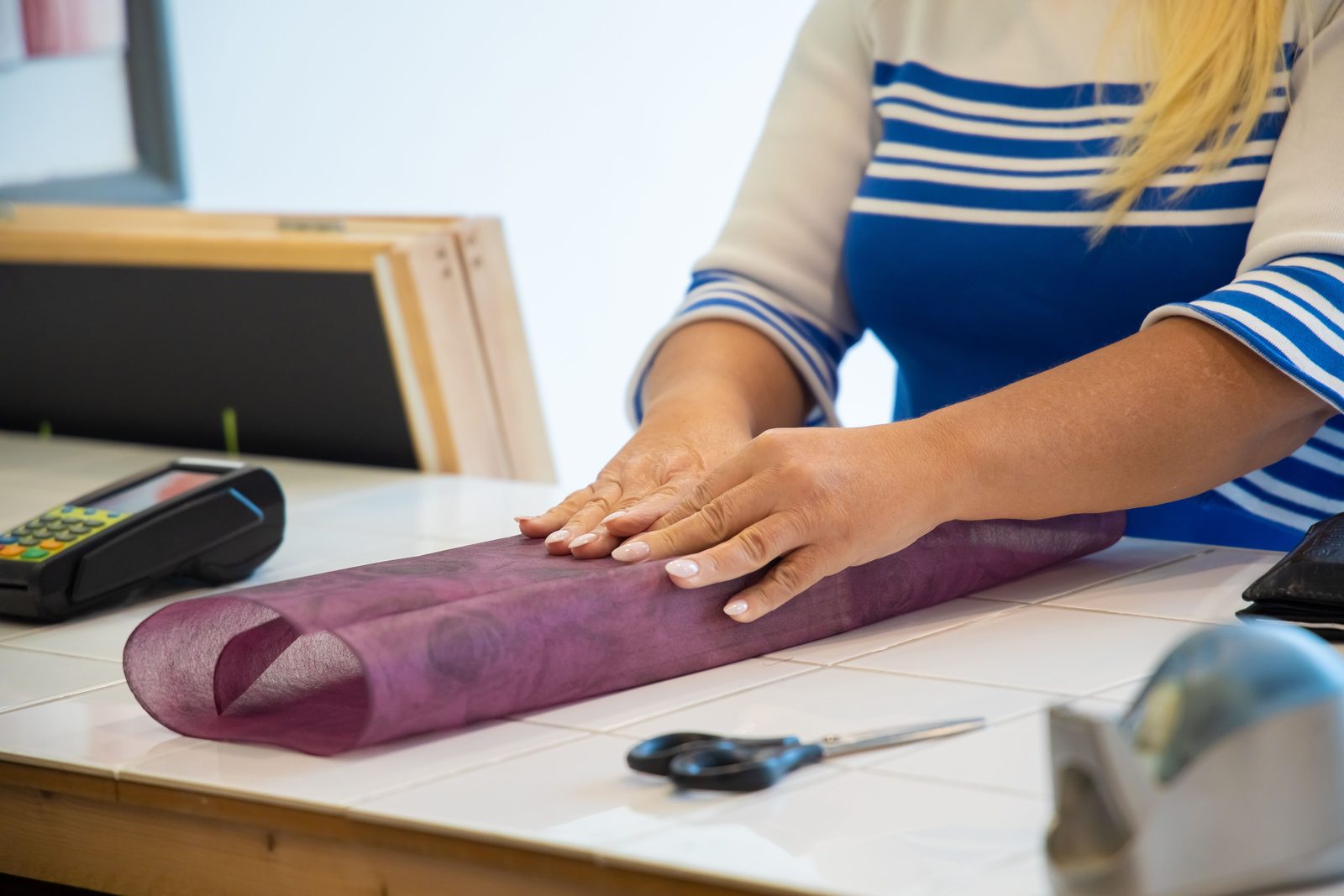
Oversized souvenirs (rugs, masks, large paintings). Rugs can be rolled tightly and wrapped in plastic sheeting, then taped with heavy-duty tape. For large, flat items like paintings, use a purpose-built art shipping box or create a sandwich of foam board and two layers of corrugated cardboard. If the item is very large (over 48 inches on any side), check freight services like ShipLuggage or MyBaggage rather than standard carriers. They handle odd shapes better.
How to Save on Shipping Costs Without Sacrificing Safety
Shipping can get expensive, but there are legitimate ways to reduce costs without compromising packaging integrity.
1. Consolidate multiple purchases into one box. Instead of shipping three separate packages from different vendors, ask the seller to hold items or have everything delivered to your hotel so you can repack them into a single larger box. One 20-pound box costs less than two 10-pound boxes.
2. Use flat-rate boxes. For shipments under 10 pounds within the U.S., USPS flat-rate Priority Mail boxes are a great deal. You pay one rate regardless of weight. For international, the flat-rate options exist but are more limited. Check if your destination qualifies.
3. Buy postage online. Avoid shipping from the carrier counter where you pay retail rates. Use services like Pirate Ship, ShipStation, or PayPal Shipping to get commercial discounts. These can save 20-40% compared to walking into a store.
4. Choose surface shipping over air. For non-urgent items, sea or ground shipping can take 4-8 weeks but costs a fraction of air. If you donât need the souvenir on your doorstep the week you return, this is a smart money move.
The Final Checklist: What to Do Before You Hand Over Your Package
Before you drop off your carefully packed box, run through this quick checklist. Missing one step can undo all your packing effort.
- Take photos. Photograph the packed item, the box open showing the padding, the box closed, and the label. This is your evidence if you file a claim.
- Write a clear sender and return address. Use your full name and a reliable address. If you are shipping from a hotel, write the hotel address as the return address and your home address as the destination.
- Affix fragile stickers. At least two or three on different sides. Use bright red or yellow stickers.
- Remove old labels. If you are reusing a box, peel off every barcode and shipping label from previous use. Scanners can mix them up.
- Tape all seams. Even on a new box, tape the bottom and top flaps completely. Use âHâ taping: one strip down the middle, one on each side seam.
Frequently Asked Questions About Shipping Souvenirs
How long does shipping take? For international shipping via air, expect 5-10 business days with expedited services, or 2-4 weeks with standard economy. Sea freight can take 6-8 weeks. Check the carrierâs estimated transit time before paying.
Can I ship food? Yes, but only non-perishable, commercially packaged items. Homemade goods, seeds, or anything with moisture content can be stopped. Check your countryâs agricultural regulations. Many countries ban raw meat, dairy, or fresh produce.
What if my package arrives damaged? Document everything immediately. Take photos of the box damage and the broken item. Keep the original packaging. File a claim with the carrier within their stated window (often 14-30 days). Without photos and the original packaging, claims are almost impossible to win.
Do I need to declare items I bought for myself? Yes. Customs forms ask for the contents and value of the box, not who owns them. If you bought a vase as a gift for your mother, declare it. If you bought it for yourself, declare it. The declaration is about the itemâs nature and value, not its intended use.
Final Thoughts: Enjoy Your Trip Without Worrying About Your Treasures
Shipping souvenirs home safely is not complicated, but it does require following a clear process. Pack with generous padding, choose the right carrier for your specific item, fill out customs forms accurately, and always insure anything that matters to you. Your trip is for enjoyment, not stress over breakable objects. Once you drop off that properly packed box, you can relax, knowing your treasures are tracked and protected. For your next trip, prepare your packing kit in advance so you are ready the moment you find that perfect souvenir. If you are looking for reliable packing tape and cushioning, a quality set of packing supplies can make the entire process smoother.