Your Comic Book Storage Guide: Bags, Boards, and Boxes
If you are reading this, you probably already have a comic collection that matters to you. Maybe it is a stack of early X-Men issues you inherited, or a run of Saga you have been building since issue one. Either way, these are not just flimsy pamphlets. They are investments in time, money, and personal history. Protecting them requires more than shoving them on a shelf. A proper comic book storage guide covers the three essential components: bags, boards, and boxes. No hype, no fluffâjust practical, experience-backed advice to keep your books flat, clean, and valuable.

Why Proper Comic Storage Matters More Than You Think
Let us be direct. Comics are fragile. The paper is acidic, the ink is sensitive, and the staples rust. The biggest threats are light, moisture, and physical pressure. Direct sunlight will fade covers in weeks. Humidity causes paper to ripple and invites mold. Stacked comics without boards develop spine rolls and creases. Even dust can scratch covers over time.
Poor storage destroys value. A book graded 9.8 can drop to 9.0 just from improper handling and a wavy back cover. That is a significant price differenceâsometimes hundreds of dollars. But here is the nuance: not every collector needs museum-grade protection. If you buy new issues every Wednesday to read on the train, you do not need to spend $3 per bag on Mylar. But if you have a New Mutants #98 sitting in a long box, you want the best protection you can afford.
This guide covers the actual supplies that solve these problems. By the end, you will know exactly what to buy and why.
Comic Storage Bags: Types, Sizes, and Material Choices
Bags are your first line of defense, and the material determines how long that defense lasts. There are three main types: polypropylene, polyethylene, and Mylar (polyester). Each has tradeoffs.
Polypropylene bags are the most common and the cheapest. They are clear, flexible, and work well for short-term storage. If you bag a new comic for a year or two, polypropylene is fine. The downsides: they can yellow over time, and their lack of rigidity offers minimal protection against bending. These bags are best for reading copies or books you plan to sell within a few years.
Polyethylene bags are slightly softer and more puncture-resistant. They also contain less plasticizer, which means less chemical migration to your books. They are a good middle ground. Many collectors use these for standard storage and upgrade to Mylar for keys. They cost a bit more than polypropylene but are still affordable.
Mylar bags are the gold standard. They are stiff, crystal clear, and inert. They do not yellow, do not outgas chemicals, and provide structural support. The downside is cost. A single Mylar bag can cost ten times as much as a poly bag. They are worth it for high-value books, books you display on shelves, or anything you plan to keep for decades. For raw run fillers, they are probably overkill.
As for sizing, there are a few standards. Modern bags fit books from the mid-1990s onward. Standard bags fit older books with thicker paper. Magazine bags fit treasury editions and thicker issues. A common mistake is forcing a thick issue like Batman: Damned into a standard bagâyou will tear the bag and risk damaging the cover. Match your bag size to your comic’s thickness.
Comic Boards: Full Back vs. Half Back and When to Use Each
Backing boards do two things: prevent spine roll and add rigidity. Without a board, a bagged comic will sag and bend. Over time, that sagging creates a permanent curve in the spine, which graders penalize heavily.
There are two common board thicknesses: half back and full back. Half-back boards are lighter and thinner. They are cheaper and easier to work with. For reading copies or short-term storage, they get the job done. The downside is that they provide less structural support. If you stack boxes, half-back boards can allow the pressure to transfer to the books.
Full-back boards are thicker and stiffer. They offer significantly more protection. For high-value keys, full-back boards are non-negotiable. They also help keep your books flat in a long box. The tradeoff is weight. A long box full of full-back boards is noticeably heavier, which matters if you move frequently.
Another important factor is acid content. Cheap boards contain lignin, which eventually breaks down and releases acid that damages paper. You want boards labeled ‘acid-free’ and ‘lignin-free.’ Even better are archival buffered boards, which have an alkaline reserve that neutralizes future acid migration. For anything you want to preserve past ten years, use buffered boards. For short-term storage, standard acid-free boards are fine.
Situational advice: use full-back boards with Mylar bags for keys. Use half-back boards with poly bags for readers. This is the most cost-effective approach.
How to Choose the Right Comic Storage Box
Bags and boards protect individual comics. Boxes protect the collection. The wrong box can undo all your bag-and-board work.
Standard cardboard short boxes are the classic choice. They hold 150â175 bagged comics. They are cheap, stackable, and easy to find. The downside is durability. Cardboard absorbs moisture, and the corners tear over time. If you keep them in a climate-controlled room on a shelf, they last years. If you store them in a basement or garage, they will eventually fail.
Cardboard long boxes are the same idea but hold 300â350 comics. They are efficient for space but heavy when full. A full long box can weigh 40 pounds. Moving it risks damaging the bottom boxes, which is why many collectors prefer short boxes.
Plastic bins with handles are a modern upgrade. Brands like BCW make sturdy plastic boxes that lock together. They are waterproof, stack cleanly, and last indefinitely. They cost more upfront but are cheaper over decades. The best designs have reinforced corners and snug-fitting lids. Some models have dividers, which are great for organizing runs. For collectors wanting a dependable container, it is worth checking out current options for plastic comic storage boxes.
The most common mistake is overfilling boxes. If you cram too many comics in, the bags and boards are under constant pressure, causing warping and spine roll. Leave some room. A box should not require force to close.
Box sizing matters relative to your bags. Mylar bags are thicker and take up more space. A box that holds 175 poly-bagged comics might only hold 130 Mylar-bagged ones. Account for this when buying boxes.
Trusted brands include BCW for plastic boxes and Ultra Pro for standard cardboard. BCW’s bins are slightly more expensive but the build quality justifies it. If you are on a tight budget, standard Ultra Pro cardboard boxes work fine.

The Bag-and-Board Combo: Steps to Properly Bag a Comic
Mistakes happen fast. A slip here, a bent corner there, and the value drops. Here is a reliable method.
- Lay the comic on a clean, flat surface. Open the bag fully.
- Place the backing board behind the comic. Align the board with the back cover. The board should be slightly larger than the comic on all sides.
- Slide the comic and board together into the bag. Do not push the comic in solo and then insert the boardâthat can bend the cover. They move in as a sandwich.
- Once inside, gently push the comic down until the board touches the bottom of the bag. The comic should sit evenly, not crooked.
- Press the flap down. Do not seal it yet. Use a bone folder or the side of your hand to smooth out any air pockets. Work from the center outward.
- Seal the flap lightly. You do not need to crush it. The adhesive will hold.
One practical tip: wear clean cotton gloves if you are handling high-value books. Oils from your skin can degrade paper over time. For reading copies, just wash your hands first. And never use tape on the bagsâit tears the plastic and leaves residue.
Common Comic Storage Mistakes (and How to Avoid Them)
Even experienced collectors make errors. Here are the ones I see most often.
Stacking boxes too high. Cardboard boxes compress under weight. Three stacked short boxes is fine. Five will crush the bottom one. If you stack plastic bins, check the manufacturer’s weight limit. Some can handle three, others only two.
Using bags that are too tight. A tight bag puts pressure on the spine and cover edges. Your comic should fit snugly but not be forced. If you have to push hard to close the flap, the bag is too small.
Mixing sizes in a box. If a box contains a mix of modern and standard-sized comics, they will shift around. The smaller books will slide and bump against the larger ones, causing edge wear. Stick to one size per box, or use dividers.
Storing in basements or attics. Temperature and humidity fluctuations are deadly. Attics hit 140 degrees in summer. Basements flood or get damp. Store your comics in a living area where the climate is stable. A closet in a bedroom is ideal.
Not labeling boxes. You hunt through three long boxes to find issue #250. That is bad for the books and bad for your patience. Label the end of every box with series, issue range, and publisher. Even a strip of masking tape with a Sharpie is good enough.
Reusing old bags. Used bags have scratches, creases, and weakened seams. They also accumulate microscratches that transfer to your comics. Replace bags every few years for your important books.
Long-Term vs. Short-Term Storage: What Changes
Your storage strategy depends on your goals. Short-term storage means months to a few years. This is for books you read regularly or plan to sell soon. For short-term, poly bags and half-back boards in a standard cardboard box are fine. The comics are protected well enough, and your costs stay low.
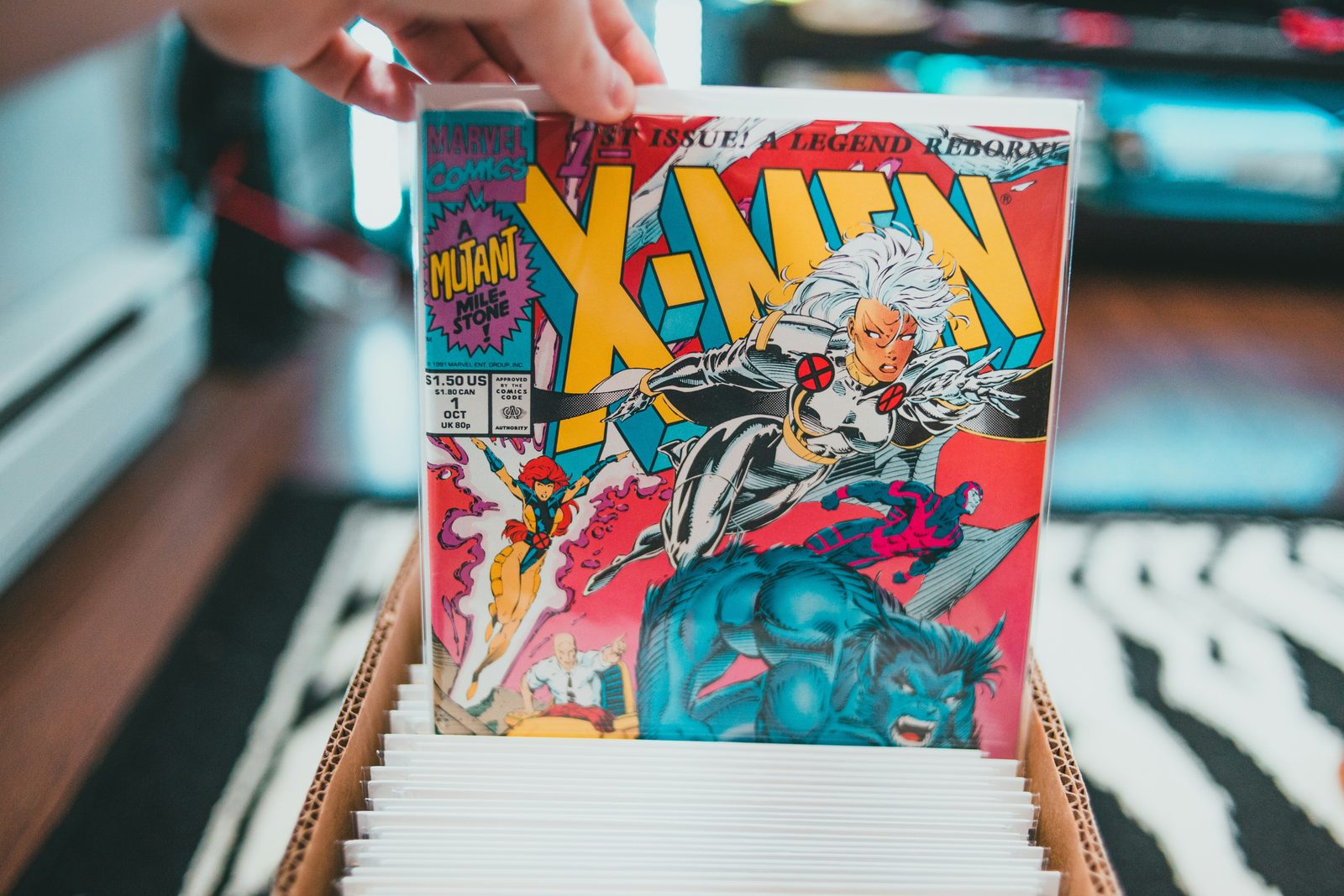
Long-term storage means decades. This is for keys, personal grails, or anything you want to pass down. Long-term demands Mylar bags and full-back archival buffered boards. Use plastic bins instead of cardboard. The investment is real, but so is the return. A properly stored book in twenty years will still look like it came off the press.
Here is a simple decision: if you plan to sell a book within three years, you can get away with poly bags and standard boards. If you plan to keep it forever, spend the extra money upfront. You will never regret buying Mylar for a book you love. For those pursuing long-term protection, take a look at what is available in Mylar comic bags and full-back boards.
Budget Storage Solutions That Still Protect Your Comics
Not everyone has an unlimited comic budget, and that is fine. You can protect your collection without breaking the bank.
Buy in bulk. A pack of 100 poly bags and 100 half-back boards costs around $25â30. That is enough for a short box of comics. Compare that to Mylar and full-back boards, which can run $100 for the same quantity. For affordable supplies, look for comic bags and boards in bulk.
Use half-back boards instead of full-back for your readers. The protection difference is small for books in a stable box. Upgrade to full-back only for keys.
Choose cardboard short boxes over plastic bins. A standard Ultra Pro box costs $5â7. A plastic BCW bin costs $20â25. Cardboard works well enough for at least five years in a stable environment. Replace them as they wear.
Where not to skimp: do not buy the cheapest poly bags on Amazon. Some are too thin and tear while bagging. Stick to well-known brands like BCW or Ultra Pro. The cost difference is pennies per bag, and the quality difference is huge.
Top Comic Storage Brands: A Quick Comparison
You have choices. Here is a breakdown of the major players.
BCW is the industry standard for bags, boards, and boxes. Their poly bags are consistent and durable. Their plastic bins are excellent. Prices are moderate. For most collectors, BCW is the safe, reliable choice.
Ultra Pro makes good cardboard boxes and half-back boards. Their bags are slightly thinner than BCW’s but still good for short-term storage. They are a solid choice for budget-minded collectors.
Mylites are the gold standard for Mylar bags. They are made by Bill Cole Enterprises. They are more expensive but worth it for high-value books. Their sizing is precise. If you buy Mylar, buy Mylites.
Comic Pro Line is a budget brand found on Amazon. Their bags and boards are cheaper but also thinner and less durable. They work in a pinch but do not expect long-term performance.
My recommendation: for most collectors, use BCW poly bags and half-back boards for reading copies. Use Mylites and BCW full-back boards for keys. This mix balances cost and protection perfectly.
Creating a Comic Storage System That Scales
Collection growth is inevitable. Planning for it now saves headaches later.
Start with a numbering system. Each box gets a unique number. Keep a spreadsheet or use a free app like CLZ Comics. Record the box number and the issues inside. When you need issue #127, you check the spreadsheet first, not the boxes.
Label every box clearly. Include the series name, publisher, issue range, and box number. Use the side of the box, not the top. Side labels are visible when stacked.
Leave expansion room. If you have a complete run of The Walking Dead in one box, leave five or ten slots at the end for future variant issues or reprints. It beats starting a new box for one issue.
Maintain a digital inventory. A simple Google Sheet works. Track issue number, purchase date, price, and condition. Over time, this becomes valuable for insurance or resale. It also prevents buying duplicates.
Final Thoughts and Where to Start
Here is the bottom line: bags and boards protect each comic individually. Boxes organize the collection. The right system fits your budget and your goals. You do not need to spend a fortune to start. Buy a pack of BCW poly bags, a pack of half-back boards, and a short cardboard box. Bag up your most important books first. See how it feels. See how much better they look and stay flat.
You can always upgrade later. Mylar and plastic bins are not going anywhere. The important thing is to start before damage happens. Every day a comic sits loose on a shelf is a day it degrades. Get it bagged, boarded, and boxed. Your future self will thank you.
If you are ready to buy, check current pricing on Amazon for the supplies mentioned here. A short box, a pack of bags, and a pack of boards will run you under $40. That is cheap insurance for your collection.