You likely didn’t start collecting with a display strategy in mind. Maybe you picked up a few figures at a convention, inherited some vintage vinyl, or that one series of books you love just kept growing. Now you’re staring at a pile of treasures that deserve more than a dusty corner of a generic shelf. That’s where finding the right shelving collectible display solution becomes less about storage and more about curation. This article is for collectors whose collections have outgrown their current setup, or who are starting fresh and want to avoid the common pitfalls of damaged items, poor visibility, and wasted space. We’ll cover the practical features that matter, the different shelf styles, and specific recommendations for collections of all sizes, so you can make an informed purchase that protects and showcases your items.
I’ve been collecting for over 15 years, and I’ve learned that knowing what you’re looking at matters more than how much you spend.
Why Your Collection Deserves More Than a Basic Bookshelf
It’s tempting to grab any standard bookshelf when you just need space. But standard units are designed for uniform books, not for the varied shapes, weights, and fragility of collectibles. A typical shelf might be too deep, making smaller figures disappear into the shadows. Or it might have fixed shelves that force you to waste vertical space on a tall item while crushing a row of smaller ones. Weight distribution is another hidden problem. A standard ¾-inch particle board shelf can sag or even snap under a row of heavy hardcovers or die-cast cars. The finish might look fine, but the core can fail without warning. A purpose-built shelving collectible display unit addresses these issues directly. Adjustable shelves let you reconfigure as your collection evolves. Deeper units can be staged with risers to create depth. Stronger materials handle the load without bending. And glass doors or built-in lighting turn a storage problem into a showcase. Your collection is an investment of time, money, and passion. It deserves a foundation that respects that.
Key Features to Look for in a Collectible Display Shelf
Before you start shopping, know what matters for your specific items. Here’s a practical checklist of features to evaluate:
- Adjustable Shelves: essential. Look for shelves that move in small increments (1-inch or less) so you can accommodate tall statues, short figures, and awkward shapes. Peg-hole systems are common and effective. Track systems are even better for fine-tuning.
- Depth: Too shallow and items fall off or feel cramped. Too deep and small items get lost. For action figures, 10-12 inches is typical. For large vinyl toys or books, 14-16 inches works well. Measure your largest item and add at least 2 inches for breathing room.
- Weight Capacity: Check the per-shelf weight rating, not just the total unit. A shelf rated for 30 pounds is fine for most figures but may buckle under stacks of records. For heavy collectibles like books, encyclopedia sets, or metal models, look for shelves rated at 50-60 pounds minimum.
- Material Quality: Solid wood or high-quality plywood offers the best strength and warmth. Powder-coated steel is industrial and very durable. Tempered glass looks clean but is heavy and fragile. Avoid thin particle board for anything over 10 pounds per shelf.
- Lighting Integration: Built-in LED strips or puck lights transform a display. If the unit doesn’t have them, plan for aftermarket stick-on lights. Make sure there’s a cable management channel or space behind the shelves for wiring.
- Finish and Backing: A solid back panel adds rigidity and prevents items from falling behind the unit. A painted or laminated finish is easier to clean than raw wood. Dark finishes hide dust better than light ones.
The best choice depends on your collection. If you’re displaying fragile figurines, adjustable glass shelves and lighting matter more. If it’s heavy comic book omnibuses, focus on weight capacity and strong wood construction. For sturdy options, consider units made with solid wood or heavy-duty materials by searching for heavy duty adjustable shelving units. No universal answer here, but these features help narrow things down.
The Three Main Shelf Styles: Closed, Open, and Lit
Each style has distinct tradeoffs. Your environment and the nature of your collection will guide the right pick.
Closed Cabinets: These have doors, usually glass or solid. The primary advantage is dust protection. In a room with carpet or pets, a closed cabinet can save hours of cleaning. Glass doors maintain visibility while keeping grime off your items. The downside is cost – they’re generally more expensive than open shelves. They also restrict airflow, which can be a concern in humid climates if you display paper items or textiles. For high-value, fragile, or dust-prone collections (figurines, coins, trading cards), closed is almost always the better choice.
Open Shelves: Maximum visibility and easiest access. You can see everything at a glance, and rearranging takes seconds. Open shelves are also the most affordable option and the easiest to install. The major drawback is dust accumulation. You’ll be cleaning shelves and items regularly. Open shelves also offer zero protection from accidental bumps or kids. They work best for collections that are handled frequently, or in low-traffic spaces like a home office or dedicated den.
Lit Units: LED lighting integrated into the shelving or added as an aftermarket accessory. Lighting changes everything for a display. It highlights details, creates depth, and turns a plain shelf into a focal point. Warm light (2700K-3000K) works well for wood-toned items and books. Cool white (4000K-5000K) is better for modern figures and clear glass. The downside is complexity and potential glare. Poorly placed lighting can wash out details or cause reflections. Battery-operated lights need frequent replacement, while wired lights require planning for outlets. For a permanent display, invest in a wired solution or a unit with built-in channels. A good way to start is by looking into LED shelf lighting kits for display to see what’s available.
There’s no wrong answer here. Many collectors start with open shelves and add a lit closed cabinet for their prized centerpieces. That hybrid approach gives you the best of both worlds without over-committing.
Best Shelving Units for Small to Medium Collections
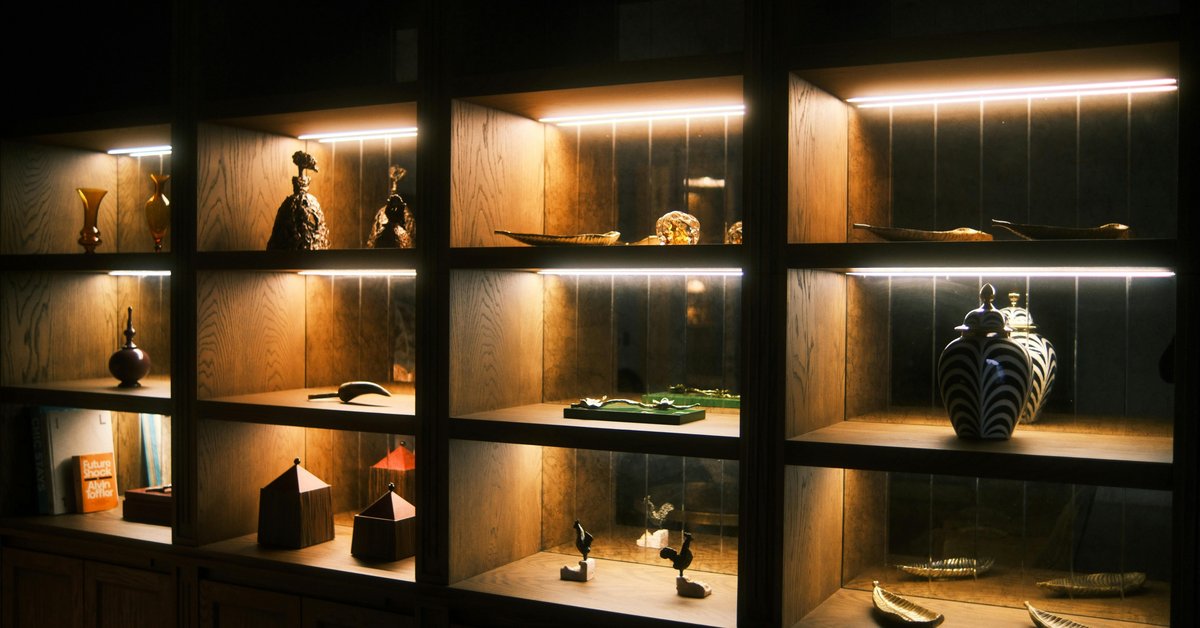
If your collection fits in a corner or on a single wall, you don’t need a massive system. Compact and wall-mounted units maximize vertical space without dominating the room. Look for units with a small footprint (under 30 inches wide) and multiple adjustable tiers. Wall-mounted cubes or modular ladder shelves work well for action figures, Funko pops, or smaller vinyl toys. They keep items at eye level and free up floor space.
For a more traditional look, a narrow bookcase with glass doors is hard to beat for small collections. The glass protects from dust while allowing full visibility. A unit with two or three adjustable shelves is perfect for a curated selection of items you rotate seasonally. Make sure the unit is anchored to the wall, especially if it’s narrow and tall. A single shelf can topple if bumped.
Corner units are another excellent choice for small spaces. They turn an otherwise dead corner into a display feature. Look for one with tiered shelves to create a stepped effect that shows off each item clearly. Avoid deep corner shelves that swallow your collectibles.
Best Shelving Units for Large or Heavy Collections
When your collection is measured in pounds, not pieces, you need serious construction. Solid wood or heavy-duty wire shelving with reinforced steel frames are the top choices. Avoid anything with thin particle board shelves – they will sag under sustained weight. Look for units with a weight capacity of at least 70-80 pounds per shelf for heavy books or die-cast models.
Wide units (48 inches or more) can be tempting but require careful spanning. A long shelf needs a center support or thick construction to avoid bowing. If you’re displaying vinyl records or encyclopedia sets, consider a unit with a solid back and vertical dividers. The dividers distribute weight and prevent items from leaning.
Floor anchoring is essential for heavy tall units. A fully loaded shelf is a tipping hazard, especially with children or pets. Use tip-over straps or brackets that screw into wall studs. Also, consider floor protection. Heavy units can dent carpet or scratch hardwood. Use felt pads or a thin rug underneath to distribute the weight.
The Case for Modular Shelving Systems
If your collection is likely to grow, or if you like to rearrange displays frequently, modular systems offer unmatched flexibility. These are systems where individual shelves, cabinets, and frames can be configured, added, or moved over time. You start with a base footprint and expand as needed.
Modular systems typically use track-mounted or bracket-based designs. You attach vertical tracks to the wall and clip shelves or cabinets onto them at any height. This allows instant reconfiguration when you acquire that one massive statue or decide to swap out a seasonal display. The main cost is the initial track and bracket setup, but the long-term adaptability makes it worthwhile for serious collectors.
For a more integrated look, some modular systems offer closed cabinets, open shelves, and drawers that all fit within the same frame. This lets you mix open display areas with enclosed storage for less visually interesting items. The investment pays off in the long run because you’re not buying a whole new unit every time your collection changes direction. For those starting with modular systems, looking at modular wall shelving systems for display can be a helpful step.
Common Mistakes Collectors Make When Choosing Display Shelves
Even experienced collectors make these errors. Here’s what to watch out for:
Ignoring Weight Limits: That shelf looks sturdy, but check the actual rating. A 30-pound limit fails quickly under hardcovers. Always overestimate your load.

Wrong Depth: A shelf that’s too deep makes items look lost. Too shallow and they can fall off the edge. Match the depth to your largest piece by at least 2 inches.
In my experience, the collectors who take the time to learn grading and authentication before buying expensive pieces are the ones who build collections that actually appreciate.
Forgetting About Dust: Without doors or covers, you’ll be dusting weekly. In a high-traffic room, that’s a real burden. Plan for dust protection from the start.
Poor Lighting Placement: Lighting that’s too close washes out details. Too far and it becomes useless. Aim for lighting that’s 6-12 inches above the shelf surface for even coverage.
Not Planning for Growth: The shelf that’s perfect today will be cramped in a year. Always buy a system with room to expand, modular or with adjustable shelves.
Ignoring the Wall: A tall shelf without an anchor is a hazard. Anchor everything over 3 feet tall. It’s cheap insurance.
Material Matters: Wood vs. Metal vs. Glass vs. Acrylic
The material of your shelving affects durability, appearance, and maintenance. Here’s how they stack up:
Wood: Classic and warm. Solid wood or high-quality plywood offers excellent weight capacity and a premium look. It’s heavy to move but stable once assembled. Works best for traditional, rustic, or warm-toned rooms. Avoid low-cost particle board for heavy loads. Wood can be painted or stained to match any decor.
Metal: Industrial and durable. Steel or aluminum shelves are incredibly strong and resist bending under heavy loads. Powder-coated finishes resist scratches. The look can be modern or utilitarian. Metal is also easier to clean than wood. The downside is that it can feel cold in some spaces. It also conducts sound, so items may rattle more when placed or moved.
Glass: Elegant and transparent. Tempered glass shelves provide a clean, minimalist look that doesn’t compete with your items. They’re excellent for visibility but come with weight limitations. Glass is heavy by itself, and each shelf typically holds 20-30 pounds maximum. It also shows fingerprints and dust easily. Best for lightweight, delicate collectibles like figurines or small glass pieces.
Acrylic: Modern and lightweight. Acrylic shelves are crystal clear and much lighter than glass. They’re also shatter-resistant, which is safer for homes with kids. The big drawback is scratching. Acrylic scratches easily during cleaning or when items shift. Over time, clear shelves can become hazy. They’re best for temporary displays or low-traffic areas where they won’t be handled much.
For most collectors, a mix of wood and glass works best. Wood provides the structure and weight capacity, while glass shelves offer a floating display effect for smaller items.
How to Measure and Plan Your Display Space
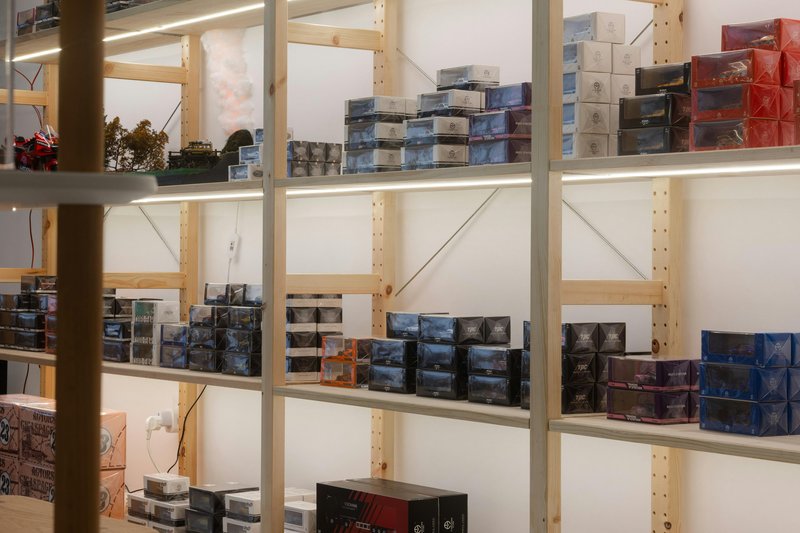
Before you buy anything, measure your space carefully. Here’s a simple checklist:
- Measure the width, height, and depth of the available wall space. Account for baseboards – they can add 4-6 inches of standoff.
- Check door and window clearance. Make sure open doors or drawers don’t hit the shelf or block paths.
- Plan shelf heights. Measure your tallest item and add at least 2 inches. Mark those heights on the wall. Adjustable shelves allow you to accommodate odd sizes.
- Account for lighting. If adding lights, plan the cord route or battery access. Wired lights need an outlet within reach.
- Consider viewing angle. Place the shelf so that items are at eye level or slightly below. Avoid forcing necks to crane upward.
- Anchor points. Identify wall studs for anchoring. Hollow drywall alone may not hold a heavy unit.
Taking these measurements before shopping prevents the common frustration of buying a unit that’s just a few inches too wide or tall for your space.
Essential Accessories for Your Collectible Shelving Unit
Certain accessories can significantly improve the functionality and safety of your display. Consider these:
Shelf Risers: These are small tiered platforms that sit on a shelf, creating multiple levels for display. They turn one flat shelf into two or three rows, improving visibility for smaller items. Especially useful for Funko pops or standard action figures.
Acrylic Stands: For single items like a prized figurine, an acrylic stand lifts it off the shelf surface, providing a floating look. They also protect bases from scratches and make the item appear more deliberate.
Anti-Tip Brackets: These secure the shelving unit to the wall. Essential for any tall or top-heavy unit. They’re cheap and simple to install, and they prevent serious accidents.
Dust Covers: For open shelves, consider individual dust covers for particularly valuable or fragile items. They’re transparent and fitted, keeping dust off without blocking the view.
Cable Management: If using wired lights, cable clips and channels keep wires organized and out of sight. A messy cable detracts from a clean display.
Final Recommendations: Choosing the Right Shelf for Your Collection
Here’s a quick decision guide to match your collection type to a recommended shelving solution:
I’ve bought and sold at auctions, estate sales, and online marketplaces – and the best deals rarely come from the most obvious places.
- Small, lightweight, dust-prone collectibles (figurines, trading cards): A closed glass-door cabinet with adjustable shelves. Prioritize dust protection.
- Heavy, large items (books, vinyl, metal models): A robust wood or steel unit with high weight capacity per shelf. Open or closed based on room traffic.
- Growing collection with no fixed layout: A modular track system with adjustable brackets. Plan for expansion from day one.
- Display-focused room with low traffic: Open shelves with integrated lighting. Maximum visibility with minimal clutter.
- Small collection in a multi-purpose room: A narrow wall-mounted unit with a few adjustable shelves. Lightweight and space-saving.
Choosing the right shelving comes down to honestly assessing your collection’s needs. Consider weight, size, risk of damage, and how much you enjoy cleaning. Don’t buy a shelf that looks good but fails under load. Invest in a solution that protects what matters to you and makes it a pleasure to see every day.