Introduction

Finding a collectible doll worth money is part luck, part knowledge, and a bit of timing. I’ve bought at estate sales, sold at auctions, and had my share of near-misses. This article is for anyone ready to get serious. We’ll look at which dolls are valuable right now, how to spot them in the wild, and what to do once you have one. More importantly, we’ll cover the common mistakes that can turn a payday into a lesson. Stick with me, and you’ll walk away with a practical framework for buying, selling, and protecting these tiny investments.
Why Some Dolls Become Valuable
Not every old doll is worth a fortune. Most are worth very little. The ones that command real money share a few key traits. Rarity is the big one. A limited production run or a doll that never hit the market can drive prices sky-high. But condition is just as important. A damaged doll loses significant value, even if it’s rare. Provenance also mattersâwas it made by an established artist or a major manufacturer like Mattel or a French house like Jumeau? Historical significance can play a role, but it’s not a guarantee. Market demand changes over time, so what’s hot today might cool off tomorrow. Short version: don’t assume age equals value. Look for the combination of rarity, condition, and demand.
The Most Valuable Dolls on the Market Today
Some dolls consistently sell for thousands of dollars. Here are the categories worth knowing about today.
Rare Barbie Dolls
The original Barbie #1 from 1959 is the holy grail. A mint-condition example can fetch upwards of $10,000 at auction. The 1965 Debutante Barbie with the original dress and box is another heavy hitter, often selling in the $2,000 to $5,000 range. Look for the original black-and-white swimsuit, intact lashes, and no major paint wear. For collectors who want to examine a doll’s condition up close, a jeweler’s loupe with built-in light helps spot tiny cracks or faded markings that affect value.
French Fashion Dolls (Jumeau, Bru)
These are the heavyweights of the antique doll world. Jumeau bébés from the 1880s can sell for $2,000 to $15,000 depending on condition and outfit completeness. Bru dolls with their original silk dresses and papier-mâché heads are even rarer. If you find one at a flea market, grab itâbut be prepared for reproductions. Look for the stamp on the back of the head and the old leather or composition body.
Kämmer & Reinhardt Bisque Dolls
German bisque dolls, especially the character dolls (numbers 101, 102, and 103), are highly sought after. They often feature hand-painted faces and original clothes. These can go for $1,500 to $8,000 depending on rarity. A complete doll with no chips or cracks in the bisque is a major find.
Modern Limited Editions
Asian ball-jointed dolls (ABJDs) by artists like Volks or Momoko have a dedicated following. While they don’t always command the same prices as antique dolls, specific limited drops can sell for $500 to $2,000 within weeks. The key here is speed and authenticity. Buy from reputable dealers only.
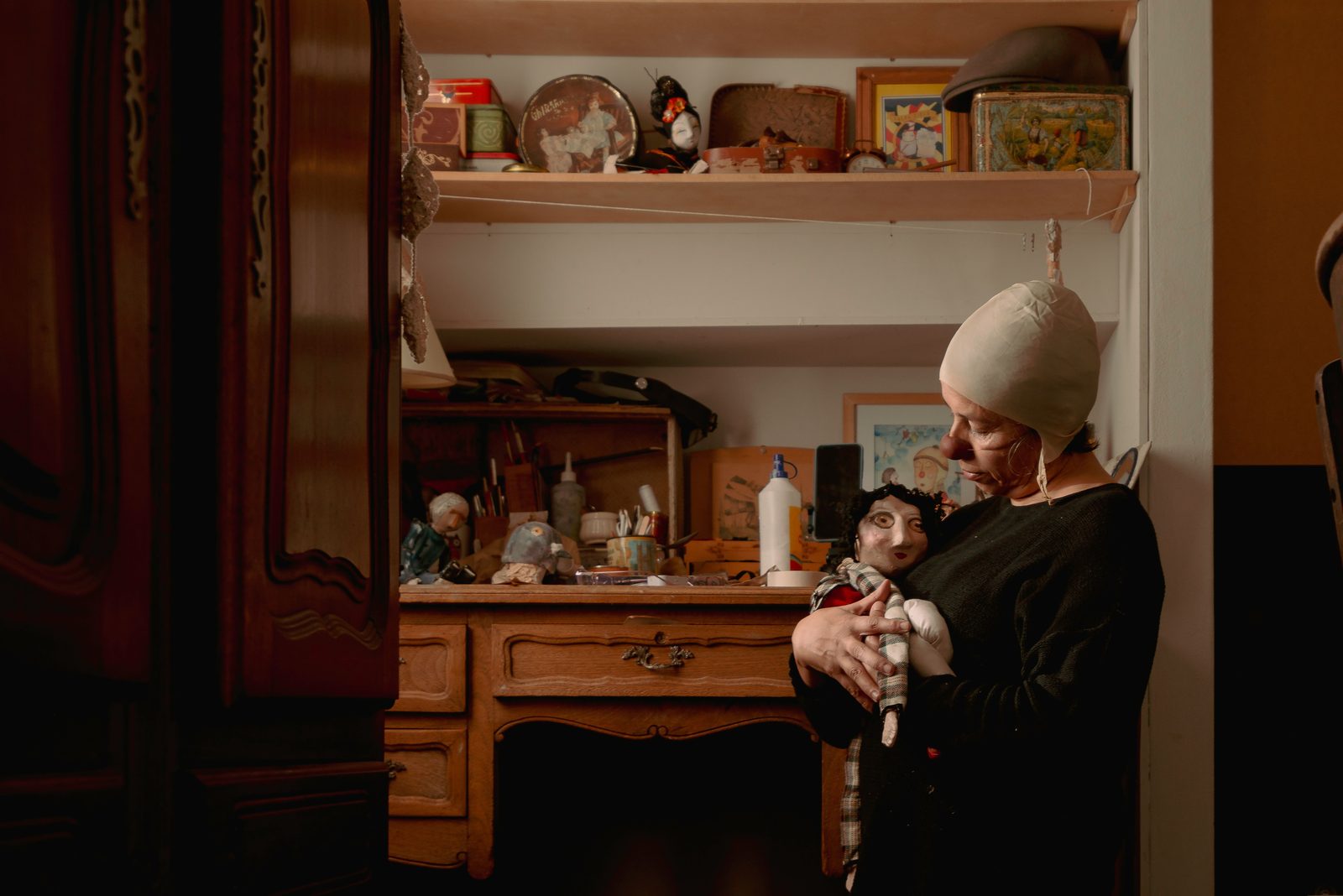
If you’re exploring any of these categories, I recommend checking current auction results for a sense of real-world pricing before you commit.
How to Spot a Valuable Doll at a Flea Market or Estate Sale
Walk into a sale with a plan. Don’t just look at the doll’s face. Start with the markings. On antique dolls, you’ll often find a maker’s stamp on the back of the head, the shoulders, or the torso. Look for numbers (like 6 or 10) that indicate the mold type. On Barbies, the earliest dolls had a very light stamp on the lower back. Use a magnifying glass, not your phone cameraâthe light can hide details.
Next, check condition. Original clothes are a huge plus. So are original shoes, hair accessories, and any paperwork. Avoid dolls that have been repaintedâthat almost always kills value unless it was done by a known restoration artist. Look for repairs: glued arms, replaced limbs, or modern replacement wigs. If you see them, move on unless the price is very low.
Finally, know your reproductions. The 1970s saw a flood of reissue dolls. They often have plastic bodies, synthetic hair, and no patina on the bisque. A reproduction will never hold the same value as the original. If you’re unsure, take a photo and check it against known auction listings on your phone.
Common Mistakes That Kill Doll Value
I’ve seen it happen more times than I’d like. A collector inherits grandma’s doll, thinks they’ll clean it up, and ruins the value in ten minutes. Here are the most common errors.
- Over-cleaning: Using soap, water, or any detergent on a bisque head can strip the paint. Just dry dust with a soft brush.
- Repainting: If you repaint a doll’s face, you’ve turned a potentially valuable antique into a craft project. Only professional restorers should touch paint.
- Discarding original boxes and paperwork: The box and tag can double or triple the price. Never throw them away.
- Storage in attics or basements: Heat, cold, and humidity cause crazing (fine cracks) in bisque and can warp plastic. Always store dolls in a climate-controlled room.
- Using modern string for restringing: If the elastic breaks, replace it with archival-quality string or send it to a professional. Cheap elastic degrades fast.
Remember: when in doubt, do nothing. A doll in its original state, even if dusty, is worth more than a cleaned-up one that’s been damaged.
Where to Sell Your Collectible Dolls
Where you sell depends on the doll and your patience. eBay is the biggest marketplace. You’ll reach a global audience, but you pay seller fees (around 13% for collectibles). It’s best for mid-range dolls ($100 to $2,000) where you have a good story and clear photos. Dedicated doll auctions like Theriault’s or Morphy Auctions are better for rare, high-end pieces. They handle the marketing and often attract serious buyers, but they take a 20â25% commission. Local estate sales can work if you have a local market, but prices are rarely as high as online. Facebook Marketplace is hit-or-missâlow fees, but a lot of lowball offers.
If you’re selling online, you’ll need good packaging. A cracked doll is a worthless doll. For safely shipping fragile dolls, using heavy-duty bubble wrap and double-layer boxes helps prevent damage in transit. Also, consider an acid-free tissue to pad the extremities.
Storing and Protecting Your Investment
Proper storage is cheaper than a bad repair. Keep dolls out of direct sunlight. UV light fades hair, cracks paint, and degrades plastic. Use UV-protective glass in display cases if you can. For long-term storage, use archival-quality boxesânot cardboard from the garage. Acidic cardboard can leech into the doll over decades. Wrap dolls in acid-free tissue or unbleached muslin. Avoid plastic bags, which trap moisture.
For display, a UV-protective display case is a smart investment. It keeps dust off and prevents accidental damage. For standing dolls, use a stable doll stand. For seated ones, consider a custom foam cushion to prevent sagging. And always handle dolls with clean, dry handsâoils from your skin can stain plastic and cloth over time.
Vintage vs. Modern: Which Collectible Dolls Are a Better Bet?
This comes up all the time. Vintage dolls have a proven track record. A Jumeau bébé from the 1880s can hold its value for decades. But they come with condition risks and often require costly restoration. Modern limited editions, like the Barbie Silkstone series, are cheaper to buy in ($50â$200 new) but they’re a gamble. Will the market still care in twenty years? Some will, most won’t.
For investment, I’d lean toward vintage dolls with a strong history and clear documentation. They’re harder to find, but the upside is better documented. For enjoyment, modern dolls are fantasticâyou can display them, play with them, and not worry as much about damage. My advice: build around 70% of your collection around proven vintage or established artist dolls (like Volks ABJDs), and 30% for personal enjoyment or speculative modern picks. And never spend more on a doll than you can afford to lose.
How to Get a Realistic Appraisal
An appraisal isn’t just for insurance. It also helps you set a realistic price when selling. Start with reputable organizations like the United Federation of Doll Clubs (UFDC) or the National Association of Dealers in Antiques. They maintain directories of qualified appraisers. Avoid dealers who appraise items they want to buyâthat’s a conflict of interest. Also be skeptical of inflated values from TV shows like Antiques Roadshow; they’re entertainment, not a price guide.
If you’re doing an online appraisal, provide five to eight clear photos: front, back, side, close-up of the head stamp, body stamp, any original clothes, and any damage. Include the doll’s height and any known history (where it was bought, how long you’ve had it). A good appraiser will give you a range, not a single number, and explain the reasoning. Expect to pay $50â$150 for a written appraisal.
The Bottom Line: What to Buy Now for Potential Future Value
If you’re looking to buy with resale in mind, focus on categories with consistent demand and limited supply. Barbie Silkstone dolls from the early 2000s (especially the ‘Red Hot Flame’ or ‘Rollicking Redhead’) are already showing slow appreciation. Artist-made ball-jointed dolls by emerging creators are a riskier bet, but early buyers sometimes see big returns if the artist gains a following. Vintage German character dolls in good condition are a safe long-term hold. Just avoid bubble markets like the Beanie Baby crazeâhistory repeats if you let it.
Your action plan: start with one of these recommended doll types, buy in the best condition you can afford, store it properly, and hold it for at least five years before selling. Don’t treat it like a day trade. Collectible dolls are a patient person’s game.