Introduction
The internet has changed everything about collecting. But for serious collectors, one type of online space has remained essential: the online collector forum. While social media feeds offer quick hits of images and marketplaces focus on transactions, forums provide something deeper. They offer long-running discussions, archived knowledge, authentication help from seasoned experts, and a community that remembers who you are. If you are actively collecting-whether it’s coins, watches, trading cards, or militaria-finding the right online collector forum is one of the most valuable steps you can take. This guide covers the best platforms by niche, how to pick the right one, and how to get the most out of your membership without making beginner mistakes.
I’ve been collecting for over 15 years, and I’ve learned that knowing what you’re looking at matters more than how much you spend.
Why Online Collector Forums Still Matter in 2025
It is tempting to think that forums are outdated. Reddit is fast. Facebook groups are huge. Discords are immediate. But forums offer things none of those replacements can match.
First, the archives. A good forum has twenty years of discussion threads. If you want to know how to authenticate a 1909-S VDB Lincoln cent, someone asked that question in 2003, and a retired dealer answered it in detail. That thread is still there. Reddit buries its old posts. Facebook groups are a scrollable mess with no search function worth using. A forum archives knowledge permanently.
Second, specialist knowledge. On a general marketplace, you are surrounded by casual sellers who do not know the difference between a restrike and an original. On a dedicated forum, the regulars have been handling this material for decades. They can spot a fake from a thumbnail photo. They know the grading subtleties that even some paid services miss.
Third, community continuity. On a forum, you build a reputation. People recognize your username. They remember if you gave good advice or if you tried to pass off a cleaned coin as uncirculated. That reputation matters when you want to buy or sell. It keeps the community honest. That social pressure is largely absent on anonymous platforms.
For anyone serious about collecting, forums are not nostalgia. They are infrastructure.
The Top 6 Online Collector Forums by Niche
Not all forums are built the same. Some are massive. Some are small but intensely focused. Here are six of the most established forums, broken down by niche, with practical notes on what to expect.
CoinTalk
Niche: Coins and currency. Registration: Free, quick sign-up. Post volume: Very high. New threads daily across US coins, world coins, ancient coins, and paper money. Member expertise: Ranges from new collectors to professional dealers and retired numismatists. Buying/selling rules: Marketplace access requires a minimum post count and time as a member. Sellers must list clear photos and prices. Best for: The collector who wants a broad, active community with deep knowledge across all facets of numismatics. Pro: The identification and authentication threads are some of the best on the internet. Con: The sheer volume of posts can be overwhelming for a beginner.
Stamp Community
Niche: Stamp collecting. Registration: Free. Post volume: Moderate. Consistent daily activity, not overwhelming. Member expertise: Very high among the regulars. Strong on classic stamps, thematic collecting, and postal history. Buying/selling rules: A dedicated buy-sell-trade section with clear rules about listing formats. Best for: Philatelists who want a focused, no-nonsense community. Pro: Excellent reference material in the stickied threads, especially for watermark identification and perforation gauges. Con: Less active than CoinTalk; you might wait a day for a reply on a niche question.
PSA Sports Card Forum
Niche: Sports cards and trading cards. Registration: Free. Post volume: Very high. Extremely active, especially during major sports seasons and release cycles. Member expertise: Heavy on modern sports cards, but also strong on vintage baseball and basketball. Buying/selling rules: Strictly enforced. The forum is tied to PSA, so grading standards are taken seriously. Marketplace activity is high. Best for: Anyone serious about graded sports cards, especially basketball and football. Pro: The marketplace moves quickly, and you can often find fair prices from reputable sellers. Con: Can be very competitive and fast-paced. Not ideal for casual collectors.
The Toyark
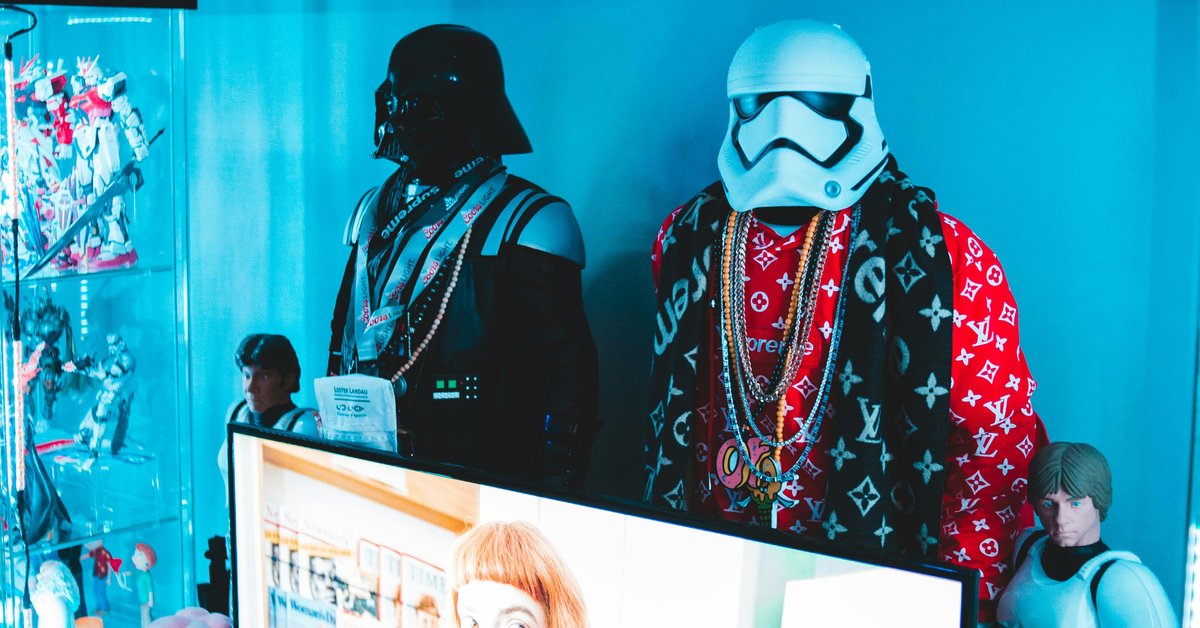
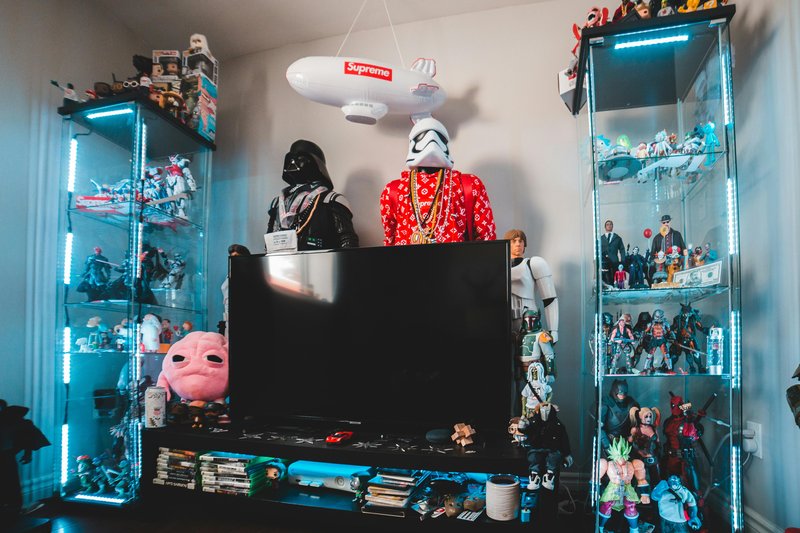
Niche: Action figures, toys, and collectibles. Registration: Free. Post volume: Moderate to high. Strong community around new releases, customs, and vintage lines. Member expertise: Deep knowledge of lines from G.I. Joe to Transformers to Japanese imports. Buying/selling rules: Has a for-sale section. Trades are common. Best for: The action figure enthusiast who wants news, reviews, and a trading community. Pro: The forums have fantastic photography showcases for customs. Con: The marketplace is less formal than some; you need to be cautious about who you trade with.
WatchUSeek
Niche: Watches. Registration: Free. Post volume: Extremely high. One of the largest watch communities online. Member expertise: Ranges from entry-level Seiko modders to high-end Patek Philippe owners. Buying/selling rules: Very strict. The forum has a reputation system, and marketplace access requires a minimum post count and membership duration. Best for: The watch collector or modder who wants a massive, well-organized community with a reliable marketplace. Pro: The sales corner is one of the safest places to buy a secondhand watch online. Con: The sheer size means a lot of noise. Navigating the sub-forums takes time.
Gunboards
Niche: Militaria, military firearms, and historical weapons. Registration: Free. Post volume: Moderate. Loyal and knowledgeable community. Member expertise: Extremely high on specific areas like Mausers, Enfields, and US military arms. Buying/selling rules: A well-regulated marketplace. Sellers must comply with all applicable laws. Best for: The serious militaria collector who wants technical knowledge and a community of like-minded historians. Pro: The depth of knowledge on specific firearm variants is unmatched. Con: The tone can be very technical and less welcoming to total beginners who are not prepared to do their homework.
How to Choose the Right Forum for Your Collection
You do not need to join all of them. Trying to be active on five forums at once is a fast track to burnout. Pick one that fits your collection and your style.
Start with niche focus. If you collect nothing but Japanese action figures, a general toy forum like The Toyark is your first stop. A general collectibles forum will not have the depth you need. If you collect coins from multiple countries, CoinTalk is a better fit than a narrow ancient-coin-only board.
Consider activity level. A forum with two posts a day is not going to build your knowledge. But a forum with 500 new threads a day can be exhausting. Look for a balance. You want enough activity that your questions get answered within 24 hours, but not so much that good discussions vanish from the front page in an hour.
Check the moderation style. Some forums are heavily moderated. That can be good-less spam, less drama. But it can also mean that new members get scolded for accidental rule breaks. Read the stickies before you post. Look at the tone of existing threads. Is the community helpful or hostile? If the first five threads you read have members arguing with each other, move on.
Finally, look at the marketplace. If buying and selling is a priority for you, a forum with a strong reputation system and strict sales rules is worth more than one with a free-for-all classifieds section. For collectors just starting out, a good introductory guide on coin grading can help build confidence when reading marketplace listings.
What to Look for in a Healthy Forum: Activity, Archives, and Trust
Here is a quick checklist you can use to evaluate any forum before you invest time in it.
The Sheldon Coin Grading Scale runs from 1 (Poor) to 70 (Mint State), with most collectible coins falling in the VF-20 to MS-65 range for serious collections.
Coin values can range dramatically by grade – an MS-65 example can be worth 10–50× more than the same coin in VF-20 condition, making professional grading essential for pieces valued over $500.
- Daily new posts. A healthy forum has fresh content every day. If the most recent reply in the general discussion area is from last week, the community is dying.
- Recent replies. Look for threads where the last post is from today or yesterday. If only archived threads exist, nobody is home.
- Active moderation. Check if there are visible forum staff. Look for deleted threads or locked discussions. A completely unmoderated forum quickly becomes a cesspool of spam and bad actors.
- Feedback or reputation system. For any forum with a marketplace, this is essential. You need to be able to see who has a history of good deals and who has warnings.
- A price evaluation section. A forum that has a dedicated “what’s it worth” area shows that the community values helping members understand value. This is a good sign.
Before you post, spend a week just reading. Lurk. Get a feel for the culture. See which members are the most knowledgeable. See how new member questions are treated. That week of lurking will save you from making a bad first impression.
Common Mistakes New Members Make on Collector Forums
Every forum regular has seen the same errors a hundred times. Avoid these, and you will be welcomed much faster.
1. Posting "What’s This Worth?" before reading the rules. Most forums have a dedicated area for price checks. Posting a blurry photo in the main discussion area with no details is a fast way to get ignored or redirected. Always check the rules first.
2. Low-effort first posts. A first post that says “Nice coin” on a three-year-old thread is a red flag. It looks like you are trying to bypass the post count requirement for the marketplace. Make your early posts thoughtful and genuinely contribute.
3. Not searching before asking. “Is this 1943 penny valuable?” has been asked and answered hundreds of times on every coin forum. Do a basic search before starting a new thread. It shows you respect the community’s time.
4. Ignoring marketplace etiquette. If you are buying or selling, respond promptly. If you agree to a price, follow through. Ghosting a seller or a buyer burns your reputation instantly.
5. Sharing too much personal information. Do not put your full name, phone number, or address in a public thread. Use private messages for that. Scammers actively monitor forums for this kind of data.
6. Arguing with experts. If a member with 15,000 posts tells you your vintage bobblehead is a reproduction, listen. You do not have to agree, but arguing without evidence makes you look inexperienced. Ask polite questions instead.
One practical way to avoid mistakes is to have the right tools on hand. For coin collectors, a quality loupe or magnifier is useful for examining details before posting identification requests.
A Practical Checklist for Joining a Collecting Community
Follow these steps in order. They will set you up for a positive experience.
- Step 1: Identify your primary collecting interest. Be specific. “Vintage Star Wars figures” is better than “toys.”
- Step 2: Search for forums using the recommendations in this guide. Pick one that matches your niche.
- Step 3: Read the sticky posts and rules before you do anything else. This is where the forum’s culture and expectations are laid out.
- Step 4: Set up a profile. Use a neutral username. Avoid names that are political, offensive, or sound like a sales pitch.
- Step 5: Introduce yourself in the new member section. Keep it simple. “Hello, I collect X. Looking forward to learning.”
- Step 6: Start by commenting on existing threads. Add value. Answer a question if you can. Ask a thoughtful follow-up question.
- Step 7: Use the classifieds section only after you have made 10-20 legitimate posts. This builds trust and shows you are here for the community, not just a quick flip.
How to Buy and Sell Safely on Collector Forums
Forums are a great place to buy and sell because the community polices itself. But you still need to protect yourself.
Always use PayPal Goods and Services (or equivalent). Never use Friends and Family. If a seller insists on Friends and Family, that is a major red flag. Goods and Services gives you buyer protection. It is worth the small fee.
Ask for detailed photos. If you are buying a coin, ask for a photo under a specific light. If you are buying a watch, ask for a photo of the movement. A serious seller will be happy to provide them. A vague response is a reason to walk away.
Understand grading standards. On a coin forum, “mint state” can mean very different things depending on the grader. On a card forum, centering is critical. Learn the language of your niche before you buy.
Ask about return policies. Many forum sales are final, but good sellers will accept returns if the item was misrepresented. Ask before you send money. A seller who refuses to even discuss returns is asking you to trust them blindly.
Check feedback history. If the forum has a feedback system, read every item. Look for patterns. One negative in a hundred transactions is normal. Five negatives in ten transactions is a hard pass.
Safety protocol for every transaction:
- Never send a gift payment.
- Insure packages worth over $100.
- Require a tracking number for anything you buy or sell.
- Take photos of the item as you pack it, showing condition and packaging.
For those shipping high-value collectibles, using proper archival storage and shipping supplies can help protect your items and avoid disputes.
Reddit, Facebook Groups, and Discords: Are They Real Alternatives?
They are alternatives, but they are not replacements.
Reddit has excellent niche subreddits. r/coins has knowledgeable members. r/hotwheels is active. But Reddit’s structure is built for conversation, not for archival. A great thread from two years ago is effectively lost. Search is weak. And the signal-to-noise ratio is lower than on a dedicated forum. Reddit is good for quick questions and casual browsing. It is not good for building deep knowledge or a lasting reputation.
Facebook groups are fantastic for moving inventory quickly. If you want to sell a collection, a well-moderated Facebook group can find buyers in hours. But Facebook groups are terrible for research and terrible for trust. There is no meaningful reputation system. Scammers thrive there. The same question gets asked every week because there is no searchable archive.
Discord servers offer real-time chat. That is fun and immediate. But real-time chat is a terrible format for in-depth discussion. A conversation about grading standards scrolls off the screen in minutes. Discords are best for groups that already know each other and want to chat. They are not a replacement for a forum’s structured threads and searchable knowledge base.
For the serious collector who wants to learn, grow, and build a name for themselves, a dedicated forum remains the best option.
The Role of Forum Reputation: Building Your Collector Credibility
Your reputation on a forum is your most valuable asset. It takes time to build, but it opens doors.
Start by being helpful. If someone posts a blurry photo of a watch and asks for model identification, take the time to answer correctly. If you are not sure, say so. Guessing badly is worse than being quiet.
Share knowledge without bragging. Nobody likes the member who posts their entire collection every week with a “look how rich I am” tone. Share interesting pieces. Explain what makes them special. That builds respect.
Complete every trade or sale honestly. Communicate clearly. Ship quickly. Leave feedback for the other party. A good reputation in the marketplace means you will get first refusal on rare items. Other collectors will send you private messages offering you deals before they post them publicly. That is the real value.
A positive reputation takes months of consistent participation. But once you have it, you are part of the inner circle. That is where the best collecting opportunities live.
Conclusion: Your Next Step in the Collecting World
The online collector forum is not a relic. It is the backbone of serious collecting. The deep archives, the expert members, the safety of a reputation-based marketplace-these are things no social platform can replicate.
Pick one forum from the list above. Sign up today. Read the rules, set up a neutral profile, and introduce yourself in the new member area. Make your first post a genuine contribution. The best collecting relationships start with a single conversation. Start yours.