Introduction
Most people come home from a trip with a pocket full of foreign change and promptly forget about it. The coins end up in a drawer or a jar, eventually exchanged for local currency on the next trip or given to kids for play money. That is a missed opportunity. Those coins, the everyday circulation pieces you handle every time you pay for a coffee or a bus ticket, can form the foundation of a genuinely interesting collection. You can build that collection without ever stepping foot in a coin shop or spending a cent on fees from online dealers. World coin collecting during travel is a practical hobby that rewards curiosity and a little advance planning. It is not reserved for dealers with deep pockets or specialists who chase rare mint errors. Any traveler with a working eye and a small bag can return home with a meaningful addition to their collection.
This article covers the practical strategies that actually work when you are on the road. Not the idealized version of finding a rare 1933 gold piece in a flea market. The real version: knowing what to look for, where to find it, how to avoid overpaying, and how to get everything home in one piece. If you already collect, you will find tactics to sharpen your approach. If you are just starting, you will find a framework that saves you time, money, and frustration.
Why Travel Is the Perfect Time to Collect World Coins
Buying world coins from a dealer or an online platform has one major disadvantage: you pay a premium. That premium covers the dealer’s sourcing costs, grading, packaging, and profit margin. A coin that sells for a few cents in its home country can cost you several dollars through a catalog. When you travel, you bypass that layer.
Local circulation coins are available at face value. If you buy a commemorative 2 euro coin at a bank in France, it costs you two euros. The same coin from a US-based dealer might cost six or eight dollars plus shipping. The difference adds up, especially if you are systematically collecting a series like the 2 euro commemoratives or the pre-euro coins of a specific European country. You also have access to coins that never leave their home market. Small countries like San Marino or Monaco mint limited numbers of circulation coins that rarely appear in international dealer inventories. If you are standing in a shop in those countries, you can simply ask for them in your change.
Timing matters too. Visit a central bank or a national mint outlet right after a new issue is released, and you have access to uncirculated specimens at face value. Wait six months, and that same coin will carry a premium from local collectors. Travel gives you the window where the price is lowest and the supply is freshest.
What to Look For: The Best Types of World Coins to Collect Abroad
Not every foreign coin is worth packing home. what matters is to target specific categories that offer collectibility, potential future value, and ease of storage.
Commemorative circulation coins are the easiest starting point. Many countries issue special design coins alongside their regular denominations. The 2 euro commemoratives are the most famous example, with each eurozone country releasing a small number each year. They circulate normally, so you can find them in everyday transactions. Their face value is low, and they take up minimal space. A complete set from a specific year or a targeted collection of designs with personal meaning is a realistic goal.
Pre-euro European coins are another strong category. As of 2025, a growing number of countries have transitioned away from their old currencies. These older coins are still legal to possess, but they no longer circulate. You can often find them at face value from bank branches or second-hand from local shops. The designs are often more distinct than modern euro coins. Collecting one of each denomination from a former currency, say the German mark or the French franc, makes for a concentrated and manageable set.
Low-mintage circulation coins from small countries have built-in scarcity. The Vatican City regularly mints low numbers of its euro coins, and they are available only for a short window. If you visit during a papal transition or a special event, you have a chance to pick up coins that will be heavily demanded by collectors later. The same applies to micro-states like Liechtenstein or nation-states with very small populations.
Older denominations from larger countries are worth hunting for. In India, pre-1950 British Raj coins still turn up in family hoards and local markets. In Australia, pre-decimal coins before 1966 are relatively common in second-hand shops. These carry historical interest and often contain silver, which adds a durable metal value floor.
Avoid the temptation to grab everything. Focus your collection on a theme: one country, one denomination, one time period, or one design family. That focus will make your collection more coherent and easier to value later.
Where to Find Coins in a Foreign Country (Without Wasting Time)
Tourist shops and airport kiosks are the worst places to look for coins. They price them for people who don’t know better. Here is a better approach.
Central banks and national mints are the most reliable source for uncirculated current-issue coins. Many maintain public counters where you can exchange cash for full sets of newly minted coins. The price is face value plus a small administrative fee. This is the fastest and safest way to acquire a clean series.
Local coin shops exist in almost every major city. They carry older circulation coins, key dates, and sometimes entire sets from recent years. You will pay a markup compared to face value, but it is usually far less than what you would pay from an international dealer. When you walk into a local shop, you are buying from someone who knows the regional market. Ask about local rarities or coins that are hard to find in their home country. Many dealers are happy to talk to a foreign collector who shows genuine interest.
Flea markets and weekend antique markets can yield unexpected finds. The prices are negotiable, and the selection is unpredictable. Bring a small magnifier and a reference book or phone app. Check each coin carefully for wear, damage, and authenticity. Do not assume any coin at a flea market is genuine just because it looks old. A compact illuminated loupe is useful for inspecting details on the spot.
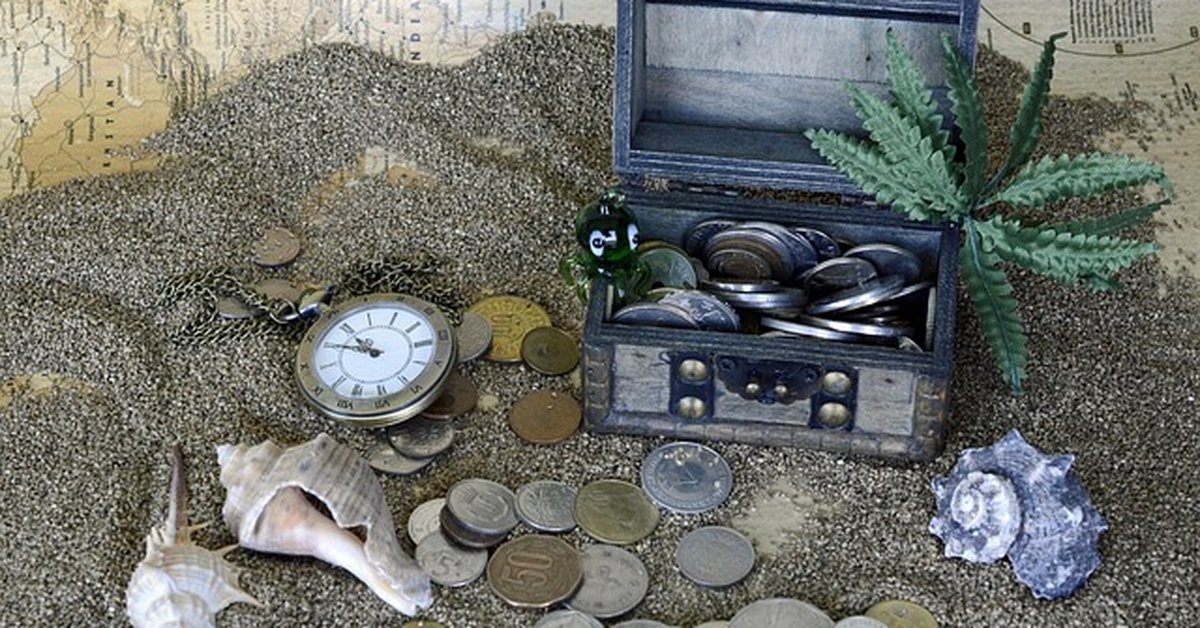
Currency exchange booths are a mixed bag. Some keep trays of odd foreign coins and will sell them to you for a small premium. Others charge inflated rates for coins that are still in circulation. Stick to ones that post transparent rates and avoid those that treat coins as souvenirs.
Ask at small shops, especially in rural areas. If you are buying something small, ask if the owner has any old coins in their cash drawer from a previous era. In many countries, shopkeepers keep older coins they received as change years ago but never banked. You might find a coin that has been out of circulation for decades, still at face value.
Before you leave home, check local coin forums or online collector groups for the destination. Many have pinned threads about upcoming shows, club meetings, or trusted dealers. That five-minute search can save you an entire day of walking into dead ends.
Common Mistakes Travel Collectors Make (And How to Avoid Them)
Mistake 1: Not learning local pricing before you buy.
I walked into a coin shop in Rome and was offered a late 19th century Italian lira coin for 50 euros. I politely declined, then checked the price guide online that evening. The same coin graded similarly was listed at 15 euros. I had the advantage of a smartphone and a Wi-Fi connection. Use it. Before you hand over cash, check recent sales on the same coin in equivalent condition. If you cannot find a reference, move on. The local dealer might be fair, but the range of pricing can be wider than you expect.
Mistake 2: Overpaying at tourist shops.
The coin display at a popular tourist attraction is not a coin shop. It is a gift shop. The items are priced at what the foot traffic will bear, not at market value. You will see common 2 euro commemoratives from the host country priced at 10 or 15 euros. In a coin shop or bank, they are worth face value plus a modest margin. Avoid tourist shops for anything beyond souvenir-grade items.
Mistake 3: Buying coins that have been cleaned or damaged.
The old trick of polishing a coin to make it shine was once standard practice. Now it is a red flag. Collectors value original surfaces. A cleaned coin is worth a fraction of an uncleaned one in the same condition. When you inspect a coin, look for unnatural shine, dull patches, or traces of solvent. If anything looks polished or buffed, put it back.
Mistake 4: Ignoring fakes in high-risk regions.
Certain countries have a reputation for producing convincing counterfeit coins. Some are high-end replicas of rare European coins. Others are simple fakes of common silver dollars or sovereigns. The issue is that counterfeiters now use decent metals and reasonable die details. A cheap magnifier and a digital scale are your first line of defense. A pocket digital scale is a lightweight tool that can quickly verify if a coin’s weight matches the catalog specification. If the price seems too good for a rare coin, it is almost certainly a fake.
Mistake 5: Failing to declare coins at customs.
Most countries allow you to bring home a reasonable number of coins for personal use without declaring them. The line between personal use and commercial import is vague, but it becomes harder to defend if your bag contains several hundred coins of similar type. If you make a large purchase or buy antique coins, ask the seller for a receipt. If you are stopped and cannot explain why you have a stack of identical coins, you risk having them confiscated. Declare items that exceed the local limit for cash or monetary instruments. A short conversation with a customs officer is better than losing your entire collection.
How to Tell Real World Coins From Tourist Fakes
If you are buying coins at a flea market or from a street vendor, you are operating in a low-trust environment. The following field checks take seconds and will catch the vast majority of common fakes.
Weight check. A genuine coin has a specific weight documented in coin catalogs and online databases. Most counterfeit coins are either too light because they use cheaper metals, or too heavy because they are struck on a blank of the wrong diameter. Carry a small digital scale that measures to 0.1 grams. Compare the weight to the reference value. If it is off by more than 0.3 grams, something is wrong.
Sound check. Drop the coin on a hard, clean surface from about ten centimeters high. A genuine silver or copper coin produces a clear, ringing tone. A counterfeit made of base metal or plated steel produces a dull thud. This is not a perfect test-some genuine coins also sound dull-but it is a good quick indicator.
Magnetic check. Many circulation coins contain no magnetic metals. A strong neodymium magnet is a useful tool. If a coin that should be non-magnetic sticks to the magnet, it is either counterfeit or made of a different alloy. Exceptions exist, especially in modern cupronickel coins that have trace magnetic properties. Know your reference coin before you test.
Edge check. The edge of a coin is often overlooked by counterfeiters. Look for an uninterrupted seam, which indicates a cast fake. Genuine coins have a struck edge with clear reeding or lettering. If the edge looks mushy or has a faint line running around the center, it is probably cast rather than struck.
None of these checks require expensive equipment. A cheap magnifier, a scale, and a magnet cost less than a nice dinner out and will save you from wasting money on obvious fakes.
Best Workflow: How to Handle Coins While Traveling
A collection that gets damaged during travel is a collection that loses value and visual appeal. The solution is straightforward, low-cost storage that fits in your daypack.
Carry a small, hard-sided coin case or a stack of vinyl flips. Hard plastic holders protect coins from scratches and dents during transit. Vinyl flips are lighter and take up less space but offer less protection. A combination works well: use 2×2 vinyl coin flips for common circulation pieces and hard cases for high-value finds. Write the date, country, and denomination on the flip with a soft pencil. Do not use ink, which can transfer to the coin or fade over time.

A small handheld magnifier with a built-in light is essential. The magnification should be at least 5x, and 10x is even better for checking mint marks and edge details. Keep it in your pocket or the same compartment as your coin flips.
Store coins in a central location, not scattered across luggage compartments. A felt-lined pouch or a zippered binder is ideal. Keep the bag with you in your carry-on. Do not check coins with luggage, especially if they have any value. Baggage delays and loss are rare, but they happen.
If you accumulate more coins than expected, mail them home. Use a padded envelope and mark the contents as “collector’s items” or “hobby supplies.” Declare the value accurately to avoid customs delays. Insurance is worth the small extra cost.
For longer trips, organize coins by the end of the day. Sort by country, then by denomination. This five-minute habit prevents you from ending the trip with a chaotic pile that you have to sort through later.
What to Avoid Buying: Coins That Aren’t Worth the Hassle
Heavily worn coins. A coin that has been in circulation for fifty years will have lost significant detail. Collectors prefer coins with identifiable date and mint marks. If the design is nearly worn away, the coin is a curiosity at best. It has minimal numismatic value. Pass on it unless it is a key date that you cannot find in better condition.
Modern bullion rounds sold as collectibles. Bullion rounds are made of silver or gold, but they are not coins. They have no country of origin, no denomination, and no legal tender status. They are investment items, not collectibles. If you want bullion, buy it from a refiner you trust. Do not buy it from a street vendor in a foreign market who calls it a “collector coin” at three times the melt value.
Large diameter coins. Coins larger than 40 mm in diameter are inconvenient to store, display, and ship. They do not fit in standard coin flips or albums. They are difficult to protect without oversized holders. Unless the coin is genuinely rare or personally significant, the storage headache outweighs the collecting fun.
Coins from countries with rampant counterfeiting. Certain regions have a well-documented problem with fakes. High-value coins from those regions, especially if purchased outside of a reputable shop, carry a high risk of being counterfeit. China, India, and parts of Eastern Europe have known issues with fake silver dollars, sovereigns, and rare dates from those regions. If you cannot verify the coin’s authenticity with certainty, walk away.
How Much Should You Spend? Setting a Realistic Budget
The most common mistake new collectors make is assuming they can buy a collection by spending a lot. In reality, a well-structured collection depends more on disciplined selection than on a generous budget.
Zero-cost approach: Every circulation coin you receive as change is free. If you focus on collecting a single category, like 2 euro commemoratives, you can build a core collection simply by paying attention to your everyday spending. No extra cost beyond the trip itself.
Low-cost purchases ($2–$10): Common circulation coins from a country can be bought at face value from a bank or for a small premium from a local coin shop. This category covers most of the coins you will find unless you are targeting key dates or low-mintage issues.
Mid-range purchases ($20–$100): This covers key dates within a series, coins with minor mint errors, and uncirculated specimens of recent low-mintage issues. If you target a specific year or denomination, this is where you will spend most of your budget.
High-value purchases ($100+): Only consider this if you have identified a specific coin that is genuinely rare and verified its authenticity. Do not spend this amount on impulse. If the coin is not documented in a reputable pricing guide or does not have a clear provenance, assume it is overpriced.
Set a per-trip spending cap before you leave home. For a one-week trip, 100 to 200 dollars is plenty for a focused collector. For a longer trip, adjust up proportionally. The cap prevents the experience of coming home with a wallet full of impulse buys and a collection that lacks direction.
Protecting Your Collection: Legal and Customs Considerations
Every country has its own rules about the export of coins. Some, like Italy, require an export permit for coins older than 50 years. Others have de facto restrictions that apply to coins made of certain metals or that exceed a certain value.
Understand the local law before you buy. If you are purchasing a coin that is clearly antique (pre-1900), ask the seller about export restrictions. Many sellers will provide the necessary documentation or can direct you to the right government office. If they refuse, that is a red flag, not just for legality but for authenticity.
Keep receipts. For any coin purchase above 50 dollars, ask for a detailed receipt that includes the coin’s description, date, denomination, and the seller’s contact information. This is your proof of purchase if customs questions arise. It also protects you against disputes later if the coin turns out to be counterfeit or overpriced.
Declare high-value items. If your total collection exceeds the customs threshold for your home country (typically $800 in the United States if you are returning by air, but check your specific country’s rules), declare it. Paying a small duty is cheaper than having the entire collection confiscated or facing a fine.
If you are stopped, stay calm. Customs officers deal with people who try to smuggle cash and goods. A rational explanation of your hobby, plus receipts and a clear understanding of what you have, usually resolves the situation. Do not act secretive or defensive. That behavior invites a full search.
After Your Trip: How to Research and Value Your Finds
Once you are home, the real work begins. Cataloging your finds is what transforms a pile of coins into a collection.
Use an online database. Numista is the most comprehensive free resource for world coins. You can search by country, year, denomination, and mint mark. Each coin listing includes a mintage figure, a composition breakdown, and a rough market value from recorded sales. NGC’s World Coin Price Guide is another strong reference. Cross-reference both to get a sense of the typical range.
Do not clean coins. This is the single most important rule after a trip. Cleaning a coin removes its natural patina and original surface. It reduces value by 50 to 80 percent for collectible coins. If a coin is dirty, leave it alone. Store it in a dry environment. The dirt does not hurt it, and removal definitely does. If you must remove dirt, use distilled water and a gentle rinse. Never use metal polish, abrasive cloth, or chemical cleaners.
Document each coin. Create a simple record for every coin: country, year, denomination, mint mark, condition grade, and the purchase price in local currency. A notebook works. A coin collecting album with labeled slots can help you organize and display your finds by country and year. Photography is optional but helpful for later reference. The documentation is your collection’s provenance. It makes selling, insuring, or sharing your collection far easier.
Grade your coins conservatively. If you are unsure between Good and Very Fine, choose the lower grade. That way you are pleasantly surprised if the coin turns out to be better than you thought. Overgrading leads to distorted expectations of resale value and makes honest discussions with other collectors harder.
Start Your Collection: What to Bring on Your Next Trip
You already have everything you need to start. The next trip is your opportunity.
Pack a small set of tools: a 10x magnifier with a light, a digital scale, a neodymium magnet, a stack of coin flips, and a notebook. These items weigh almost nothing and take up a corner of your bag. They are the difference between a casual souvenir and a genuine collection.
Choose one country and one denomination. Start with the 2 euro commemoratives from France, or the 10 kroner from Denmark, or the 1 rupee from India. The simpler your starting point, the easier it is to stay consistent. Once you have one series complete, expand to another country or another denomination. The collection grows one coin at a time.
Do not rush. The best collections are built over years, not trips. Every coin has a story, and that story becomes part of your own travel history. When you open your album a decade from now, you will remember not just the coin but the café where you found it, the bus ride to the market, and the conversation with the seller who gave you a fair deal.
That is the real value of collecting world coins through travel. Not the metal content or the market price. The personal connection to the place and the moment.
Start Building Your Collection Today
Every serious collector started exactly where you are now – curious, a little uncertain, and excited by the possibilities. what matters is to start small, learn continuously, and collect what genuinely interests you rather than what’s currently trending. The tools, techniques, and knowledge covered in this guide will serve you well, but nothing replaces hands-on experience. Get out there, make some careful purchases, and enjoy the journey. Your collection starts now.