Introduction
If you collect coins, you eventually face a choice: keep them hidden in a binder or put them on display. A good display case solves both problemsâit protects your collection and lets you enjoy it. After years of collecting and testing different cases, I’ve learned that the right choice depends on your specific coins, your display space, and how you use the case. Some cases work great for home displays but fall apart at a coin show. Others look impressive but don’t actually protect your coins from UV damage or humidity. This guide covers the practical side of choosing display cases for coin collections. We’ll look at materials, styles, budget options, premium choices, and common mistakes that new collectors make. Whether you own a few key pieces or a large collection, the information here will help you buy the right case the first time.

Key Considerations When Choosing a Display Case
Before you start shopping, think about what your collection actually needs. Here are the most important factors I’ve found after working with dozens of cases.
Material
The case material affects looks, weight, durability, and how well it protects your coins. Wood cases look classic and work well in a home office or living room. But wood can warp in humidity, so if you live in a damp climate, you’ll need to monitor conditions. Acrylic cases are lightweight and offer great visibilityâyou can see coins from all angles. They scratch easily, though, so handle them carefully. Metal cases are the most durable and often used for travel, but they can feel less elegant for a home display.
Size and Capacity
Don’t guess at sizeâmeasure your coins. A case designed for dimes won’t work for Morgan dollars if the compartments are too shallow. Always check the depth of each slot. Also think about how many coins you want to display. A case that holds 50 coins might be overkill if you only own 10 high-value pieces. Start with your current collection, but leave room for growth if you plan to add more coins later.
Coin Protection
Protection is non-negotiable. Look for UV resistanceâdirect sunlight fades coin surfaces over time. Acid-free materials are essential; cases with standard cardboard liners can damage coins. Foam padding helps prevent scratches during transport. Some cases offer airtight seals, but be careful here: airtight can trap moisture if the case isn’t dry when you seal it. I prefer cases with breathable options for storage at home.
Display Orientation
Think about where you’ll place the case. Flat cases are best for tabletops or desksâyou look down at the coins. Angled cases work better for shelves or counter displays, making coins visible from a standing position. Wall-mounted shadow boxes are great for vertical display but can collect dust over time.
Portability
If you attend coin shows or trade with other collectors, portability matters. A heavy wooden case might look great but is a pain to carry through a crowded hall. Lightweight acrylic cases with secure latches are better for travel. Some cases come with padded carrying bags, which I highly recommend if you move your collection regularly.
Types of Display Cases: An Overview
Not all display cases are created equal. Here’s a breakdown of the main types and what they’re good for.
Shadow Boxes
Shadow boxes are deep frames that you mount on a wall. They’re excellent for displaying a themed collectionâsay, a set of state quarters or proof coins. The depth allows for coin capsules or holders. The downside is dust collection. Most shadow boxes aren’t sealed, so you’ll need to clean them periodically. They also don’t protect against UV unless you choose a frame with museum glass.
Hinged Cases
Hinged cases open like a book and are common for traveling. They’re portable and protect coins from dust and bumps. Most hinged cases have foam or felt inserts with pre-cut slots. The tradeoff is capacityâmost hold 20-40 coins, which is fine for a curated set but not a large collection. Some higher-end hinged cases come with locking mechanisms, which I recommend for valuable coins.
Trays
Trays are flat, open containers that hold coins in individual compartments. They’re often stackable, making them efficient for storage and display. Trays are great if you rotate your display regularlyâjust swap trays to show different coins. The downside is that individual trays don’t offer much protection from dust or UV unless they have lids. Many collectors use trays inside a larger cabinet or safe.
Countertop Displays
Countertop displays are designed for desks, shelves, or display cases at shows. They’re usually made of acrylic or wood and have angled slots that make coins easy to see. Some have hinged lids for protection. Countertop displays work best for highlighting a few key coinsâmaybe that prized double eagle or a commemorative set. They’re not ideal for large collections.

Materials Matter: Wood, Acrylic, and Metal Compared
After testing cases made from different materials, I’ve developed clear preferences based on the situation.
Wooden Cases
Wooden cases offer the most aesthetic appeal. Mahogany, walnut, and oak cases look impressive on a shelf or desk. They feel substantial and give your collection a sense of permanence. But wood has real downsides. It’s heavyâcarrying a large wooden case to a show isn’t fun. Wood also expands and contracts with humidity changes, which can affect the fit of trays and inserts. If you choose wood, store it in a climate-controlled room. I live in a humid area and learned this the hard way. Also, ensure the interior uses acid-free velvet or felt. Some cheaper wooden cases use liners that can damage coins over years.
Acrylic Cases
Acrylic is my go-to for most situations. It’s lightweight, transparent, and offers excellent coin visibility from all angles. You can see both the front and back of coins if the case has cutouts. Acrylic is also easy to cleanâjust use a soft microfiber cloth and avoid harsh chemicals that cause clouding. The main drawback is scratching. Acrylic scratches more easily than glass, so you need to handle it carefully. I’ve found that quality acrylic cases with UV protection are worth the extra cost. They keep coins safe from light damage without the weight of wood.
Metal Cases
Metal cases are built for durability. They’re common in industrial or show settings where the case takes abuse. Aluminum cases are lightweight yet strong, while steel cases are heavier but nearly indestructible. Metal cases often have foam inserts that you can customize. The tradeoff is aestheticsâthey don’t look as elegant as wood or acrylic for a home display. I use metal cases for travel and storage at shows, but I transfer coins to acrylic cases for home display.
Top Display Cases for Coin Collections at a Glance
Based on my experience and feedback from other collectors, here are reliable options worth considering.
Lighthouse Grandiose
Key specs: Holds up to 30 coins, wood frame with glass lid, UV protection.
Best for: Home display of graded coins.
Price range: $40â$60.
Practical note: The Lighthouse Grandiose is my go-to for home display. The glass lid protects without fading, and the wood frame looks professional. The capacity is limited, so it works best for a curated set like a proof collection.
Intercept Shield
Key specs: Holds 20â50 coins depending on model, rigid plastic, corrosion-resistant technology.
Best for: Long-term storage with active protection.
Price range: $30â$70.
Practical note: Intercept Shield cases use a technology that neutralizes corrosive gases. For long-term storage, these are worth considering. I use one for my silver dollars and haven’t seen any tarnish in years.
Harbor Freight
Key specs: Holds 24 coins, aluminum frame, foam inserts, lockable.
Best for: Traveling to coin shows.
Price range: $20â$35.
Practical note: Harbor Freight cases are rugged and affordable. The aluminum body protects coins during transport, and the foam inserts keep them secure. They don’t look fancy, but they work well for shows. I own two for my raw coins.
Abco Tech Acrylic Display Case
Key specs: Holds 12â24 coins, clear acrylic, angled display, UV protection.
Best for: Countertop display of key coins.
Price range: $15â$25.
Practical note: This is a budget-friendly option that still offers decent protection. The angled display makes coins easy to see. It’s not as durable as the Lighthouse, but for the price, it’s a solid choice for displaying a few favorite coins at home.
Pelican Vault
Key specs: Holds 30+ coins depending on insert, waterproof, crushproof, locking.
Best for: Maximum protection during travel or storage.
Price range: $40â$80.
Practical note: Pelican cases are overkill for most collectors, but if you travel with high-value coins or attend outdoor shows, the protection is unmatched. They’re heavy and expensive, but I’ve never worried about damage when using one.
Budget-Friendly Display Cases: Getting the Most for Your Money
You don’t need to spend a fortune to protect and display your coins. Budget-friendly cases exist, but you need to choose carefully.
Look for acrylic cases under $30 with foam inserts. The foam holds coins in place and prevents scratches. Many cheap cases use cardboard or paper liners that can damage coins over time. Always check that the interior materials are acid-free. If the description doesn’t mention it, ask or assume it’s not.
Small wooden frames from craft stores can also work for a few coins, but replace any glass with UV-blocking glass if sunlight hits the display. I’ve seen collectors use shadow boxes from dollar stores, but those are better for storage than display. The dust and light exposure aren’t worth the savings.
Common mistake: buying a case that looks good but has non-acid-free foam. Cheaper cases often use standard foam that breaks down and releases chemicals. Save yourself the headache and spend a little more for proper materials.
Premium Display Cases: Is the Higher Price Worth It?
Premium cases can cost $100 or more. Are they worth it? It depends on your collection and goals.
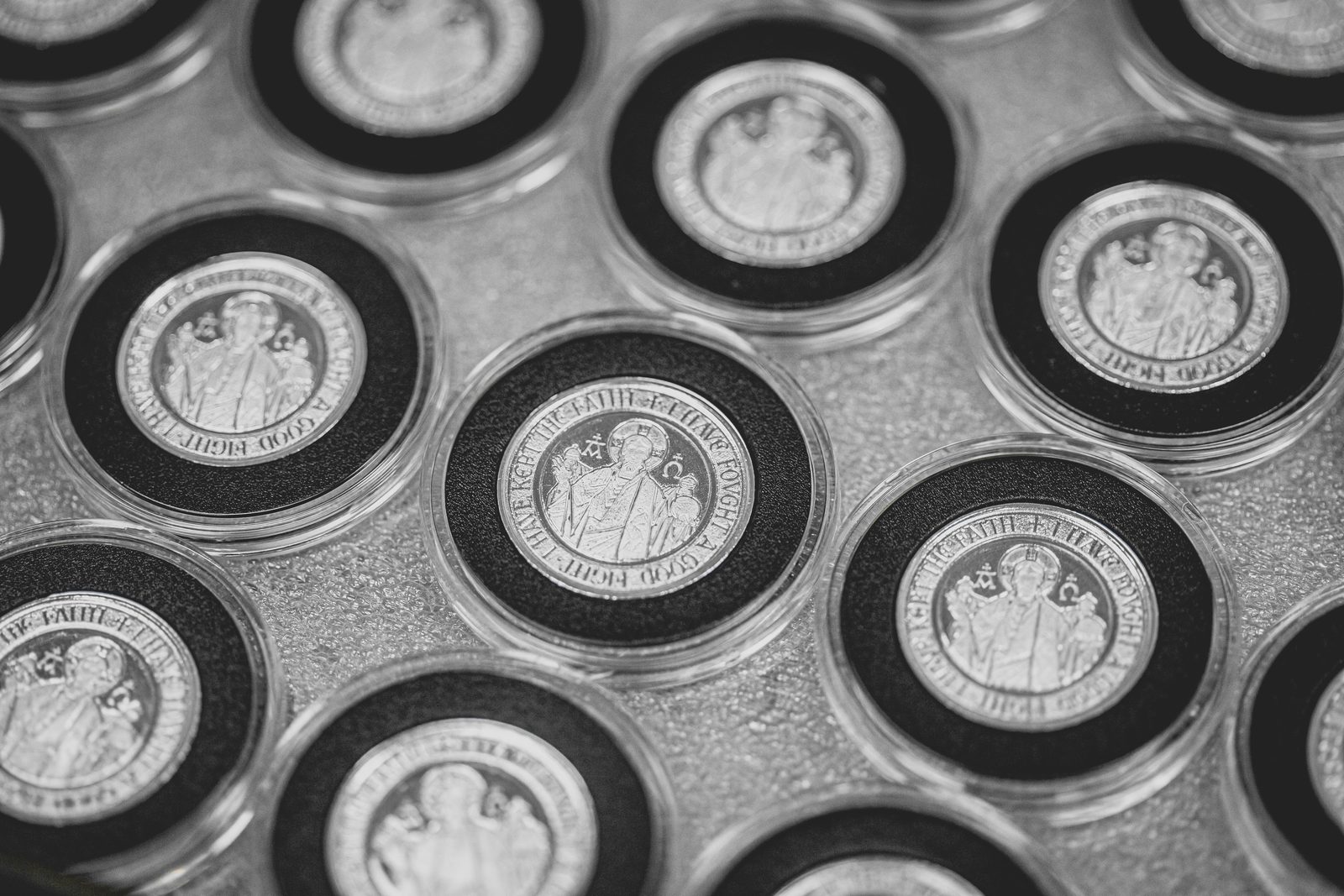
High-end cases often use custom wood like mahogany, museum-grade glass with UV protection, archival-grade velvet or felt, and locking mechanisms. Some are handmade to fit specific coin types or sets. The build quality is noticeably betterâweaker cases have loose hinges or uneven trays, while premium cases feel solid and well-engineered.
I own a custom mahogany case that cost around $200. It holds my Morgan dollar collection, and the velvet interior has kept the coins pristine for years. The glass is UV-blocking, so I can display the case in my study without worrying about sunlight. For a high-value collection, the premium was worth every penny.
But if you’re collecting modern coins or have a small set, premium cases may be overkill. A $40 Lighthouse case provides similar protection for most situations. The premium is justified when you have investment-grade coins or want the case itself to be part of the display.
Display Cases for Traveling to Coin Shows
Traveling with coins requires a different set of priorities. You need durability, security, and portability.
Look for cases with reinforced corners and secure latches. Pelican and Harbor Freight cases are popular for a reasonâthey withstand drops and bumps. Foam inserts are essential because they keep coins from shifting during transit. Some cases have removable trays, which make it easy to display coins at a show without handling each one.
Padded carry handles are a nice feature. Carrying a heavy case by a thin handle gets uncomfortable fast. I also recommend cases with locking mechanisms for peace of mind when the case is out of sight.
Size matters too. A case that holds 50 coins might look professional, but it’s heavy and awkward to carry through a crowded hall. I use a compact case that holds 24 coins for showsâenough to showcase my best pieces without being a burden.
Common Mistakes to Avoid When Buying a Display Case
Here are the mistakes I see collectors make most often, along with lessons I’ve learned myself.
Choosing Based on Looks Alone
A beautiful case with poor protection will damage your coins. Don’t buy a case because it looks good on a shelf. Check the interior materials first.
Ignoring UV Protection
Direct sunlight fades coins over time. If your case will sit near a window or under lights, make sure the glass has UV protection. Many cheap cases skip this.
Not Measuring Coin Size
Check the thickness of your coins before buying. A case designed for thin coins won’t hold Morgan dollars or commemoratives. I’ve bought cases that looked perfect but couldn’t fit my thickest coins.
Buying Too Large or Too Small
A massive case with empty slots looks unprofessional at shows. A tiny case that barely holds your collection feels cramped. Aim for a case that fits your current collection with room for a few more coins.
Neglecting Humidity Control
Airtight cases can trap moisture. If you seal a case with damp coins, you’ll get tarnish. Use silica gel packs in storage cases, especially if you live in a humid area. I put a small pack in each of my long-term cases.
Overlooking Coin Thickness
This ties back to measuring. Many collectors focus on diameter and forget about thickness. Always check the depth of each slot. An extra 1mm can make the difference between a snug fit and a coin that doesn’t close.
How to Properly Care for Your Display Case and Coins
Taking care of the case is as important as choosing it. Here’s what works for me.
Clean acrylic cases with a microfiber cloth and warm water. Avoid ammonia-based cleanersâthey cause clouding. For wood cases, use a furniture polish that doesn’t contain silicone. Silicone can leave a residue that transfers to coins.
Store cases in a climate-controlled area. Avoid basements and attics where humidity and temperature fluctuate. Sudden changes can warp wood and cause condensation inside acrylic cases.
Use silica gel packs inside storage cases to control humidity. Replace them every few months or when they change color. I buy packs in bulk and swap them out on a schedule.
Keep cases out of direct sunlight even if they have UV protection. The protection reduces damage but doesn’t eliminate it. A shaded shelf or cabinet is safest.
Dust your display case regularly. Dust buildup scratches acrylic surfaces over time. A quick wipe with a microfiber cloth keeps things clean without effort.
Final Verdict: Choosing the Right Display Case for Your Needs
Choosing a display case for your coin collection comes down to three factors: purpose, materials, and budget. If you travel to shows, go with an acrylic or metal case that’s lightweight and durable. For home display, a wooden case with UV glass elevates the look and protects your coins. On a budget, focus on basic acrylic cases with acid-free foamâthey offer decent protection at a low price.
Measure your coins, check for UV protection and acid-free materials, and think about how you’ll use the case. The right choice protects your collection and makes it more enjoyable to look at every day. Take your time, do your research, and invest in a case that fits your collection and lifestyle.