How to Negotiate at Collectible Shows
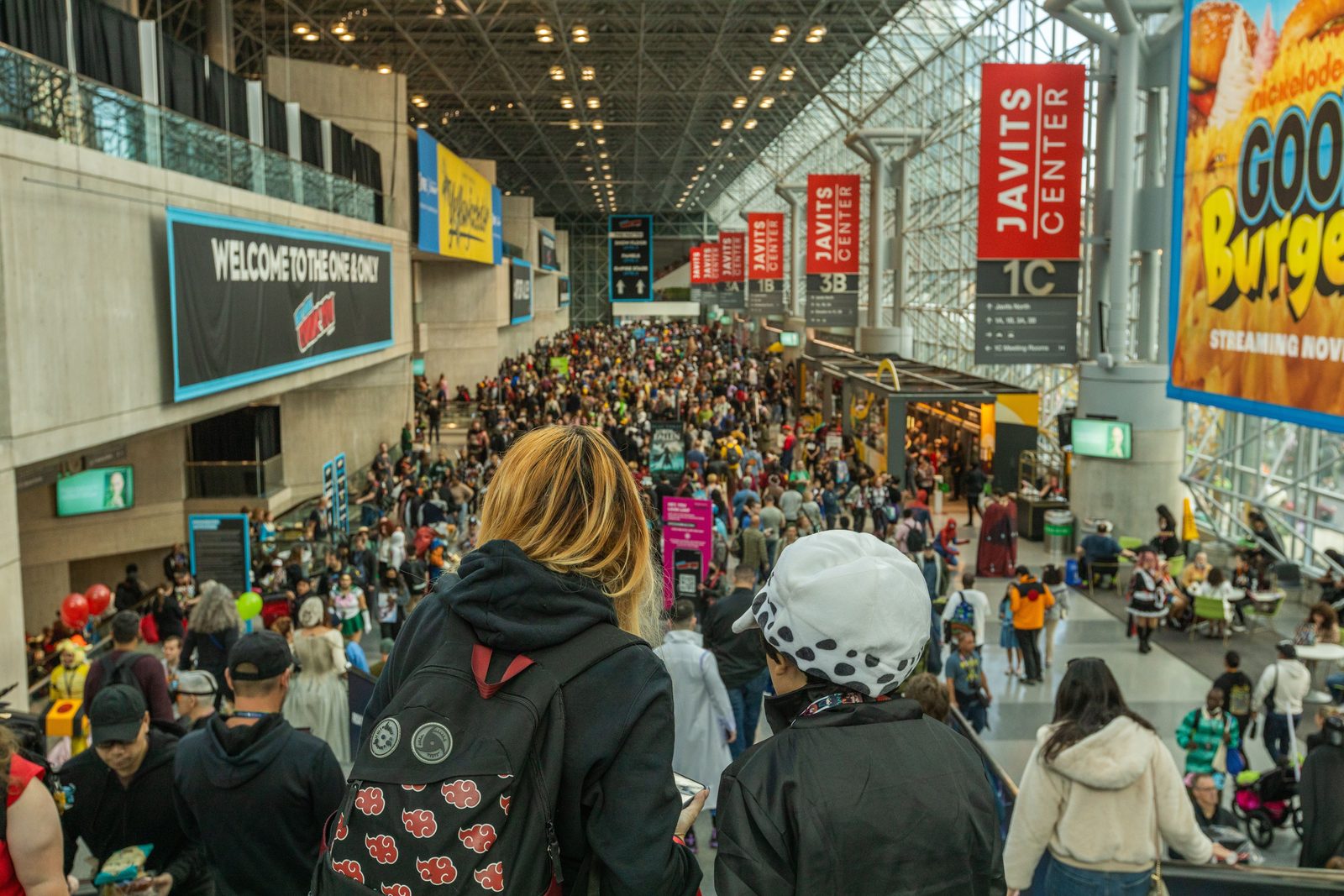
You walk into a collectible show. Row after row of tables packed with things you actually want. The prices are written on small white tags, but nobody expects you to pay that number. That’s the part that surprises most new collectors: you can negotiate at collectible shows, and you should. Doing it well takes more than just asking for a lower price. It takes preparation, reading the dealer, understanding timing, and knowing when to walk away.
This is for collectors who want fair prices without burning bridges. If you’ve ever felt awkward haggling at a show or worried about offending a dealer, you’re in the right place. I’ve spent years buying and selling at shows across multiple categories. What follows are the tactics that actually work. By the end, you’ll have a clear framework for how to negotiate at collectible shows with confidence.

Why Negotiating at Shows Is Different from Online Haggling
If you’re used to buying collectibles on eBay or Facebook Marketplace, the in-person show environment is a different animal. Online, you can send a lowball offer with no consequences. You never see the seller’s face. That distance makes aggressive haggling easy.
At a show, you’re standing right in front of a dealer who paid for a table, drove sometimes hours, and hauled their inventory in bins and display cases. They have real costs. Table fees for a weekend show can run from $50 to $500 depending on the venue. They’ve also invested time and gas money. That changes the negotiation dynamic.
Dealers at shows are more invested in each transaction. They need to cover overhead before they make a profit. That means they are less willing to take a huge loss on a single item, but they are often more willing to make a deal than an online seller who has no sunk cost. You can see their body language. You can read the room. You can sense whether they want to pack an item back up or get it off the table. That’s an information advantage you don’t get online.
And because you’re building a face-to-face relationship, there’s a human element that changes everything. A dealer who likes you will remember you next time. That matters more than most collectors realize.
Before You Go: Research That Sets You Up to Win
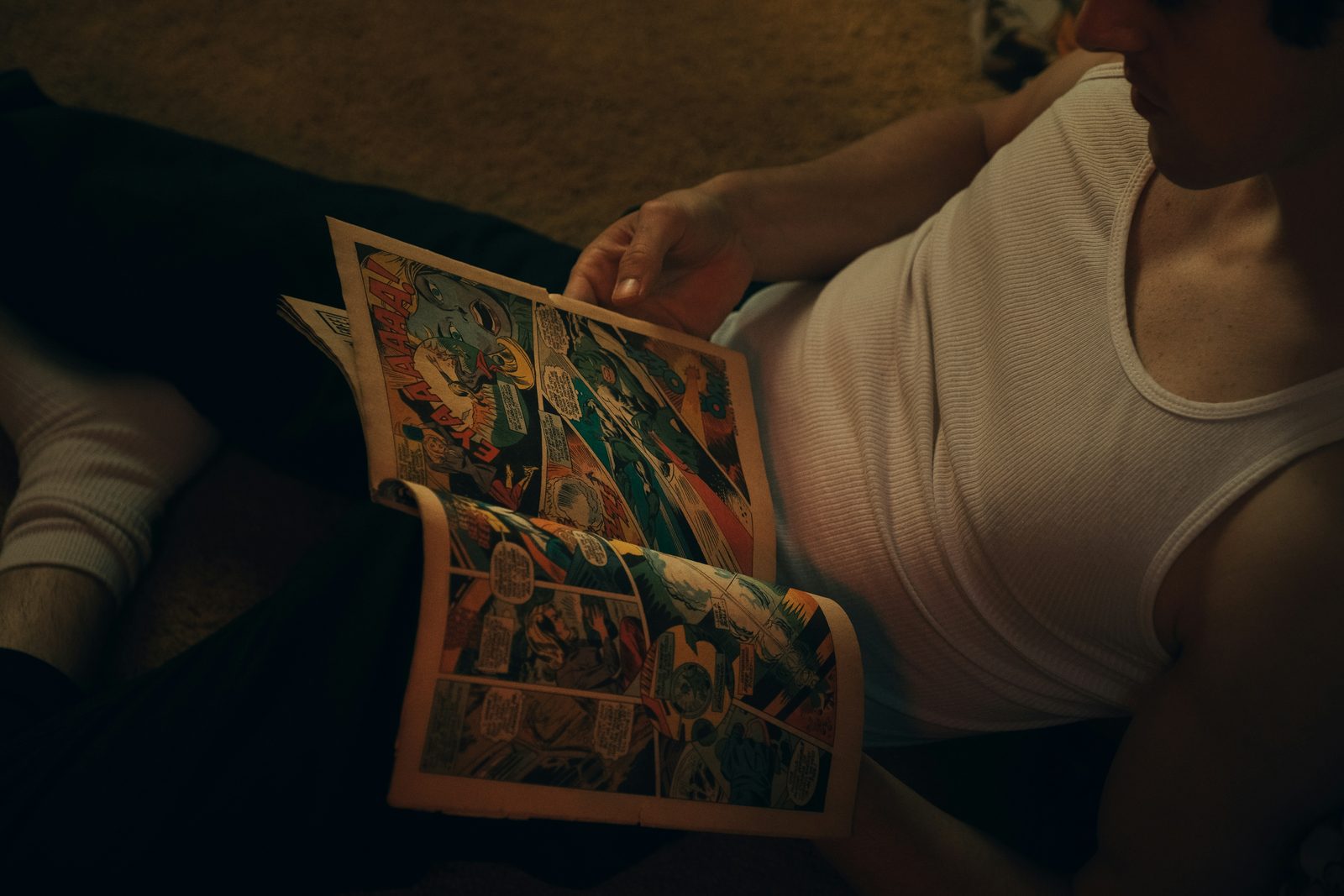
The single most effective way to improve your negotiating position is to know what you’re talking about. If you walk up to a table and ask for a price on a vintage comic, and the dealer says $150, you need to know whether that’s a fair price or an ‘I don’t want to sell it’ price.
Start by looking up recent sold prices for the items you’re targeting. Use completed auction listings on eBay, check auction results databases, and consult price guide books. For comics, the Overstreet Comic Book Price Guide is still the standard. For sports cards, Beckett is your friend. For coins, the Red Book. These are worth owning if you attend shows regularly. If you don’t have a current price guide, picking up a comic book price guide before your next show is a small investment that pays off. Having it in hand during a negotiation shows you’re serious.
Also research which dealers will be at the show. Most shows publish a dealer list online ahead of time. If you know a specific dealer specializes in what you collect, you can look up their typical pricing by checking their online store or social media. That gives you a baseline before you ever step into the venue.
This pre-show work removes guesswork and gives you confidence. When you know a fair market value, you can negotiate with facts instead of feelings.

Reading the Room: Timing and Dealer Psychology
Timing matters more than most collectors give it credit for. If you walk up to a dealer’s table at 9 AM on Saturday, ten minutes after doors open, they are not motivated. They’ve just set up. They’re fresh. They expect a busy weekend. Your offer of 20% off is going to get a polite ‘no’ or a sigh.
Come back Sunday afternoon. Specifically, the last two hours of the show. That’s when reality sets in. The dealer has been sitting for two days. They’ve eaten bad convention center pizza. They’re tired. They’re looking at unsold inventory and thinking about how much work it will be to pack it up and haul it home. That’s the sweet spot.
Pay attention to dealer body language too. A dealer who is actively rearranging items, checking their phone, or looking bored is more likely to negotiate. A dealer who is deep in conversation with another collector or is protective of a specific item is less likely to budge. Watch for the tired eyes and the stack of price tags still on the table.
Another signal: overstocked tables. If a dealer has five of the same item lined up, they want to move them. Multiple copies of the same vintage toy or trading card pack means they bought a collection and are trying to liquidate. That’s a negotiation opportunity.
How to Approach a Dealer Without Irritating Them
Before you even mention a price, establish some rapport. A simple opener works: ‘I’ve been looking for one of these for a while. How long have you had this one?’ Dealers love talking about their inventory. It’s their passion. Let them talk for thirty seconds. It costs you nothing and builds goodwill.
Never start with a lowball. If a comic is marked $100, don’t say ‘would you take $30?’ That’s insulting. It signals you don’t respect their pricing and haven’t done your homework. Instead, try: ‘I’m interested in this, but my budget is around $75. Is that something you could work with?’ That’s a reasonable negotiation opening if the item is realistically worth $80â$90.
Also, avoid the ‘what’s your best price?’ line. It’s lazy. It puts all the work on the dealer. Instead, make an offer. Even a low offer is better than that question because it shows you’re serious. ‘I can do $85 on this. If that works, I’ll take it now.’ That’s a real offer. Dealers respect that.
Be polite. Say please and thank you. If they say no, smile and nod. Don’t argue. You can always come back later.
Cash Is King: Why Paper Money Still Matters at Shows
I’ve seen a dealer drop a price by ten percent just because a buyer pulled out cash. It happens all the time. Cash is immediate. There’s no credit card fee (usually 2â3% that the dealer eats). There’s no processing delay. There’s no risk of a chargeback. It is the cleanest possible transaction for a dealer.
When you’re negotiating, pull out your cash discreetly. Count it in your hand. Show the dealer you have the money right now. That psychological pressure is real. It says ‘I can buy this instantly if you say yes.’
A few practical notes. Bring bills in denominations that make sense. If you’re looking at $100 items, have $20s and $10s. Avoid trying to pay for a $75 negotiated item with a $100 bill if the dealer doesn’t have change. A good slim front pocket wallet makes handling cash at a show much easier, especially in a crowded convention center.
The Art of the Bundle: Negotiating Multiple Items
Negotiating for a single item is fine. But if you want real leverage, pick multiple items from the same dealer. The psychology is simple: a dealer would rather sell three items at a slight discount than sell one item and hope the other two move later.
Here’s how to do it. Find three items you genuinely want. Stack them together. Ask for a bundle price. Say something like: ‘I’m interested in these three together. Would you take $200 for the lot?’ If the individual prices add up to $260, that’s a reasonable ask.
This works especially well with dealers who have a lot of mid-tier inventory. High-end unique items rarely bundle well because each piece has a specific value that the dealer knows. But for things like vintage baseball cards, action figures, records, or coinsâbundle away.
Another variation: ask for a ‘package deal’ on everything in a particular box or row. Some dealers will discount a whole tray of items if you commit to buying them all. That’s how you walk away with a collection, not just a single piece.
Common Mistakes Even Experienced Collectors Make
Even collectors who have been doing this for years make mistakes. Here are the ones I see most often.
Mistake 1: Revealing your expertise too early. If you start a conversation by telling the dealer you’ve been collecting for thirty years and you know the exact value of every item on the table, you’ve announced you’re a tough negotiator. The dealer will dig in. Let your knowledge show through your questions, not your resume.
Mistake 2: Showing too much excitement. The moment your eyes light up and you say ‘I’ve been looking for this forever,’ you lose leverage. The dealer knows you’re emotionally invested. Keep your enthusiasm measured. Act interested, not desperate.
Mistake 3: Being rude or dismissive. I’ve watched collectors insult a dealer’s pricing publicly. That doesn’t get you a discount. It gets you remembered as the jerk at the show. Don’t be that person.
Mistake 4: Not walking away. Sometimes you just can’t make a deal. If the dealer isn’t budging and the price is still too high, walk away. Don’t keep negotiating just to feel like you won something.
Mistake 5: Ignoring condition flaws. If you find a chip, a crease, or a scratch, use it as a legitimate negotiating point. Not as a lieâif it’s genuinely damaged, point it out and ask if the price reflects that. Dealers respect buyers who inspect items carefully.
When to Walk Awayâand How to Come Back Later
Walking away is not a game of chicken. It is a strategic decision. If the dealer says $100 and you’re at $80, and they won’t move, say ‘I understand. I’ll think it over.’ Then walk away. No drama. No sighing. Just a clean exit.
Circle back later if you still want the item. The dynamic changes if the dealer hasn’t sold it after a few hours. They might have a different perspective by the end of the day. I’ve had dealers call me back to their table as I was walking past later and offer my original price unprompted. That happens because you handled the first ‘no’ gracefully.
But know when to let go. If the dealer has multiple people asking about the same item, walking away might mean losing it. That’s fine. Some deals aren’t meant to happen. The goal is not to win every negotiation. The goal is to get fair prices consistently over time.
Tools of the Trade: What to Bring to a Show for Negotiating
The right gear makes negotiating easier and backs up your claims about condition and value.
- Small notebook and pen. Write down table numbers, prices, and items you’re considering. It shows you’re organized and serious.
- Magnifying glass or jeweler’s loupe. Essential for inspecting coins, cards, stamps, and small details. Pulling out a loupe signals that you know what you’re looking for.
- Compact LED flashlight. Useful for checking the gloss on cards or spotting restoration on vintage toys. A small pocket flashlight works fine.
- Backpack or messenger bag. You need your hands free. A sturdy, comfortable bag for carrying purchases is non-negotiable.
- Cash. Already covered.
A jeweler’s loupe with LED light is under $15 on Amazon and makes inspecting condition flaws much easier. Collectors who attend shows regularly often keep one in their bag along with a durable canvas backpack for carrying finds.
Managing Expectations: How Much Can You Really Save?
Let’s be realistic. You are not going to get 50% off every item you want at a collectible show. That’s a fantasy. The typical discount on a fairly priced item is 10â20% off the sticker price. Sometimes a bit more if the item has been sitting for months or if the dealer is doing a clearance.
For high-demand itemsâthink key comics, Hall of Fame rookie cards, rare coinsâdiscounts are smaller. A dealer knows what they have and they know someone else will buy it. You might get 5â10% off if you’re polite and pay cash. That’s still a win.
Compare show pricing to retail or auction. At a show, you see the item in person. You inspect it. You take it home today. That convenience has value. Even if you only save 10% compared to eBay prices, you’ve saved on shipping and avoided the risk of condition issues from photos.
Building Long-Term Relationships with Dealers
The smartest thing you can do as a collector is become a regular. Dealers remember faces. More importantly, they remember buyers who are fair, respectful, and consistent.
If you buy from the same dealer at multiple shows, they will start offering you better deals unprompted. They might set aside items before the show for you. They might give you a ‘first look’ at new inventory. That kind of access is worth more than any single negotiation.
How to build that relationship: after a good transaction, ask for a business card. Send a brief email or text after the show thanking them. Mention something specific you enjoyed about the purchase. Then at the next show, say hello even if you don’t buy anything. That simple human connection changes everything.
Long-term relationships also mean you can ask for holds. If you see an item you want but need to think about it, a dealer who trusts you will set it aside for a few hours. That’s a privilege you earn by being a good buyer.
Putting It All Together: A Step-by-Step Negotiation Scenario
Let’s walk through a realistic example. You’re at a comic and collectible show. You spot a Silver Age comic, Amazing Spider-Man #50, in about Fine condition. The price tag says $180.
You’ve done your research. You know that a Fine condition copy typically sells on eBay between $150 and $170. The dealer’s price is slightly above market, which is common for in-person shows where people pay for convenience.
It’s Sunday at 2 PM. The show ends at 4. The dealer has been sitting for two days. He looks tired. You watch him for a moment. He has several comics on his table, but most are lower-grade. The Spider-Man is the priciest item.
You walk up and say: ‘That’s a great copy. I’ve been looking for a mid-grade example for my run. How long have you had it?’ He says about a year. You nod. You ask to look at it. You pull out your loupe and examine the corners and spine. You find a slight spine roll that’s not visible from across the table. You mention it casually: ‘There’s a little spine roll here that keeps it from being VG+. But the cover’s still nice.’
Then you make your offer: ‘I can do $140 cash right now. I’d like to take it home today.’ He counters at $160. You hesitate. You look at his other inventory. You see a few $5 books you might grab. You say, ‘If I take this and those two $5 books, can you do $150 for all three?’ That bundle increases the total sale for him. He thinks for a moment. He agrees.
You pull out cash. Count it. Hand it over. Shake his hand. Thank him for his time. You walk away with a key comic and two back issues for a very fair price. And you’ve built a rapport with a dealer you’ll see again.
Your Next Show Starts with the Right Gear
Negotiating at collectible shows is a skill you get better at with practice. The research, the timing, the approach, the cash, the bundle strategyâall of it works when you apply it consistently. Before your next show, take fifteen minutes to look up prices, grab your cash, and pack a small kit with a loupe, a flashlight, and a notebook.
If you don’t already own a good magnifier or a solid show backpack, those are cheap investments that pay for themselves in better deals and less hassle. You’ll walk in prepared, negotiate with confidence, and leave with the items you actually want.